

I still remember the first time I planted tomato seeds in my balcony pots. I watered them every morning, kept them by the window, and waited like an eager kid. Weeks went by, but nothing looked the way I imagined. Some seeds never sprouted, a few seedlings collapsed overnight, and one plant grew tall but never gave me a single flower.
That’s when I realised the mistake: I was treating every stage of growth the same. But plants don’t work that way. Just like children need different care at different ages, plants too have very specific needs as they move from seed to sprout, leafy growth, flowering, and finally fruiting. Miss those needs, and the whole cycle falls apart.
In this guide, I’m going to take you through every stage of plant growth — from seed to bloom — with clear signs, care steps, and common mistakes to avoid. Think of it as a roadmap that helps you understand what your plant is trying to tell you at each step.
What about you? Have you ever lost a plant simply because you weren’t sure which stage it was in?
Why Understanding Plant Growth Stages Matters
When I first started gardening, I thought plants just needed sun, water, and a little patience. But over time, I realised that what works for a seedling doesn’t always work for a flowering plant. The care you give at each stage can decide whether your plant thrives or simply fades away.
Think about it:
- A seed needs darkness and steady moisture.
- A seedling needs light and airflow.
- A mature plant needs balanced nutrition and the right pruning.
If you treat all of them the same, you’re setting yourself up for disappointment.
The good news is, once you understand the stages, gardening stops feeling like guesswork. You’ll know exactly when to water more, when to feed, and when to simply step back and let the plant do its job. It’s the difference between hoping for flowers and actually watching them bloom.
The Lifecycle of a Plant — An Overview
Before diving into the details, let’s look at the big picture. Every plant, whether it’s a tiny herb on your windowsill or a fruit tree in your yard, follows a similar journey:
- Seed – dormant, packed with potential.
- Germination – the first sprout breaks through.
- Seedling – delicate leaves begin to form.
- Vegetative Growth – stems and leaves expand rapidly.
- Budding/Flowering – energy shifts towards reproduction.
- Fruiting – flowers transform into seeds and fruits.
- Senescence – the natural winding down of the plant’s life.
When you see this roadmap, it’s easier to connect what’s happening above the soil with what’s happening below it. And it reminds you that each stage has its own timeline — rushing it rarely works.
One of my favorite explanations of this cycle comes from Safer Brand, where they describe it as a rhythm of life that repeats with every season. I like to think of it as nature’s way of teaching us patience: nothing beautiful ever comes all at once.
So as we go deeper into each stage, keep this roadmap in mind. It will help you not only recognise where your plant is, but also predict what it needs next.
Stage 1 – The Seed Phase (Dormancy & Preparation)
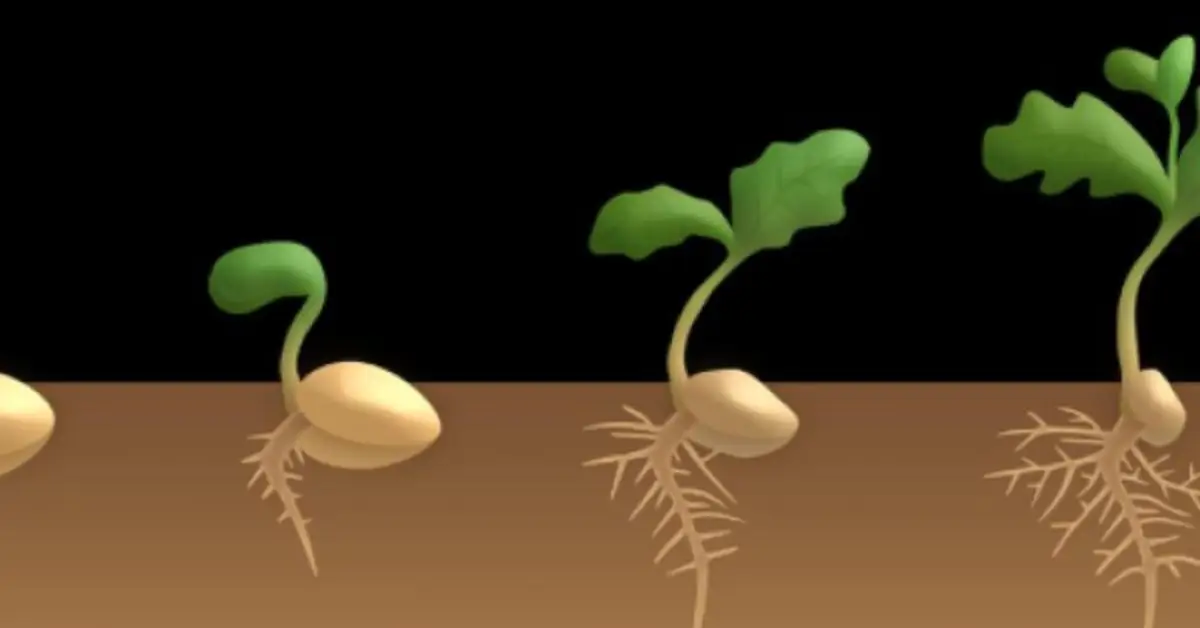
Every plant story starts with a seed, a tiny capsule carrying an embryo locked inside a tough protective coat. At this stage, nothing looks alive from the outside, but inside, the seed is full of stored energy, just waiting for the right conditions.
If you’re storing seeds, make sure they stay cool, dry, and away from direct sunlight. Some varieties even benefit from soaking in water overnight or lightly nicking the seed coat (a process called scarification) to help them break dormancy faster.
The biggest mistake I made early on was planting old seeds and wondering why nothing came up. Seeds lose viability with time, so always check the packet date or do a quick test before sowing.
Stage 2 – Germination (Awakening the Seed)
This is when the magic finally begins. Once water, oxygen, temperature, and sometimes light are just right, the embryo “wakes up” and pushes out the radicle — the very first root.
The first signs you’ll notice are that tiny white root tip and then the shoot making its way up. This stage is fragile, so your role is to keep the soil evenly moist but never soggy. Overwatering suffocates the seed and is one of the most common reasons beginners fail.
Stage 3 – Seedling Stage (Fragile Yet Crucial)
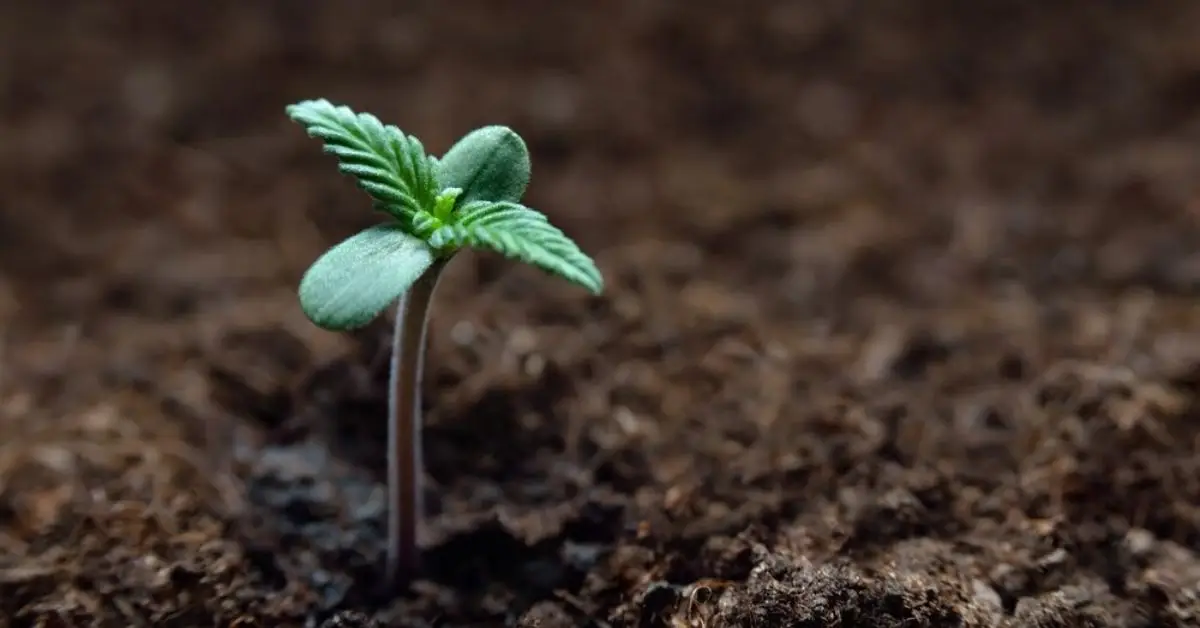
Now comes the stage that feels the most exciting and the most nerve-wracking — seedlings. That first set of baby leaves (cotyledons) emerges, followed by the true leaves that actually start photosynthesizing.
Here’s what matters most:
- Light – Indoor seedlings need strong, consistent light; outdoor ones toughen naturally under the sun.
- Airflow – Gentle air movement prevents fungal issues.
- Moisture balance – Keep soil damp, not wet.
One common mistake is damping off — a fungal disease that makes seedlings collapse overnight. I’ve lost entire trays this way, and trust me, it’s heartbreaking.
Some gardeners even experiment with sound to strengthen young seedlings. In fact, studies suggest that plants can thrive on music, especially classical, making them less fragile and more responsive during this early stage.
Stage 4 – Vegetative Growth (The Green Engine)
This is where plants really take off — leaves, stems, and roots expand rapidly to fuel future flowers and fruit. It’s the phase where energy goes into building a strong foundation.
Your role here:
- Feed with nitrogen-rich fertilizer for lush green growth.
- Keep watering steady and deep rather than frequent light sprinkles.
- Give plants space — repot if roots crowd, prune if stems tangle.
Many gardeners worry at this point: “Why is my plant only making leaves but no flowers?” Don’t panic — that’s exactly what it should be doing now. Think of it as the plant hitting the gym, bulking up before the big performance.
Temperature also plays a role here. Plants have fascinating ways of sensing heat and adjusting their growth — researchers explain that plants know it’s hot through sugar signals, which directly affects leaf expansion and resilience during this stage.
Stage 5 – Budding & Flowering (The Transition)
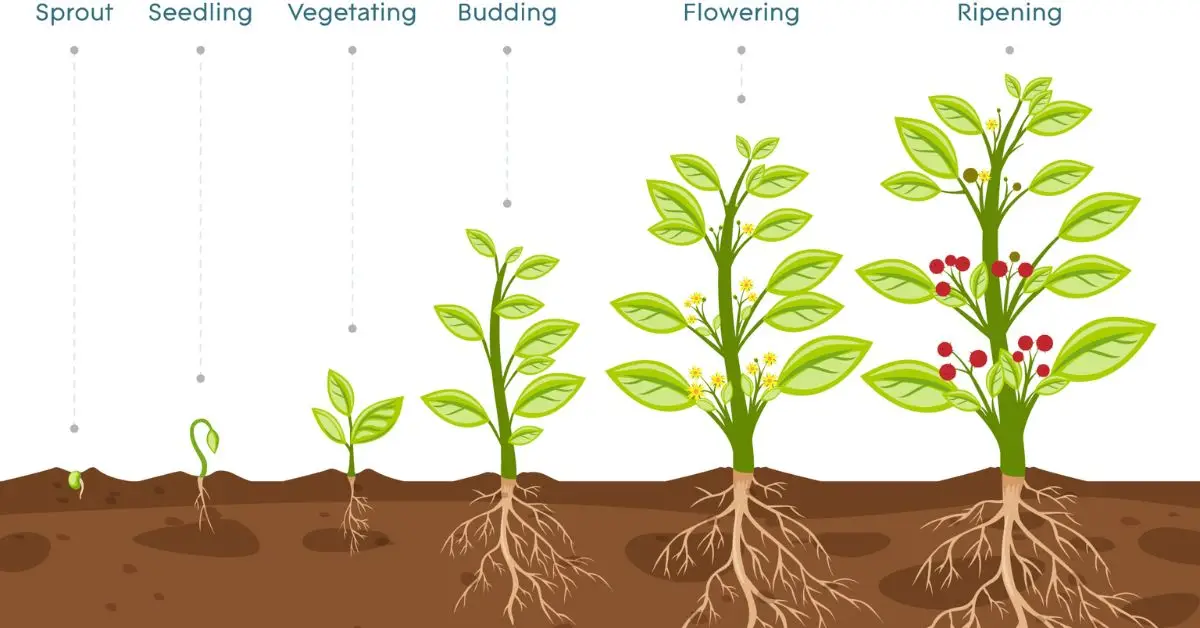
This is when your patience pays off. The plant switches gears from growing leaves to focusing on reproduction. Buds appear, then flowers open.
Here’s what you can do:
- Switch fertilizer — reduce nitrogen, increase phosphorus and potassium.
- Make sure the plant is getting enough direct sunlight.
- Watch for stress (too much pruning, poor watering) that can delay blooms.
The University of California Agriculture & Natural Resources has some of the best practical guides for troubleshooting flowering problems — I’ve leaned on their tips many times.
Stage 6 – Fruiting & Maturation
After successful pollination, flowers transform into fruit or seed pods. It’s one of the most rewarding phases — you finally see the results of your care.
For indoor gardeners, hand pollination is often necessary. For example, with tomatoes or peppers, gently shaking the flowers or using a small brush can transfer pollen. Outdoors, bees usually do the job for you.
Just like tomatoes and peppers, fruiting habits vary a lot among plants — some even surprise gardeners by the way they grow. For example, do blackberries grow on trees? Knowing how and where fruits develop can help you manage expectations and care more effectively.
Stage 7 – Senescence & Dormancy (The End & Restart)
Eventually, leaves yellow, growth slows, and the plant shifts its last energy into seeds or roots. While it feels sad to watch, it’s actually the beginning of the next cycle.
At this stage, your role is to collect viable seeds, compost the remains, and prepare the soil for the next season. It’s closure, but it’s also continuity — the cycle of growth never really ends, it just resets.
Common Mistakes at Each Growth Stage
Every gardener — me included — has made at least one of these mistakes. Knowing them upfront saves a lot of frustration:
- Overwatering seedlings – Too much water cuts off oxygen and causes damping off.
- Lack of light in vegetative stage – Plants stretch weak and spindly when they don’t get enough sun.
- Overfertilizing during flowering – Extra nitrogen here gives you more leaves, not blooms.
If you’ve ever wondered “Why did my plant stop growing?” chances are, it’s one of these simple but easy-to-miss errors.
Timeline of Plant Growth (Practical Guide)
One of the biggest questions I get is: “How long will it take for my plant to flower?” The answer depends on the plant type, but a general guide looks like this:
- Herbs (basil, cilantro, mint): 6–10 weeks from seed to usable leaves.
- Vegetables (tomatoes, peppers, beans): 2–4 months from seed to first harvest.
- Flowers (marigolds, zinnias, sunflowers): 8–12 weeks from seed to bloom.
Think of it less as a strict calendar and more as a rhythm. Each species has its own pace, but this overview helps set realistic expectations so you don’t give up too early.
For a more structured breakdown, Agrowtronics explains how growers monitor these phases using agri-tech, which can be useful if you want to track progress with precision.
Indoor vs Outdoor Plant Growth Differences
One thing many guides skip is that indoor and outdoor plants behave differently, even if they’re the same species.
- Indoor plants – They often suffer from limited light, so you’ll need to supplement with grow lights. Watering also has to be more controlled, since pots dry out unevenly inside.
- Outdoor plants – They usually get stronger sunlight, but face pests, weather stress, and competition from weeds.
Understanding these differences helps you avoid mismatched care. What works indoors won’t always work outdoors — and vice versa.
Final Takeaways — Growing with Confidence
If there’s one thing I’ve learned, it’s that no two stages of plant growth are the same. A seed doesn’t need what a flowering plant does, and a seedling can’t be treated like a mature shrub. When you give each stage the right care — light, water, nutrition, and patience — your chances of success multiply.
In fact, if you understand the plant’s life cycle, you can prevent nearly 80% of the common problems that frustrate gardeners. Most failures aren’t because you lack a “green thumb,” but simply because the plant wasn’t at the stage you thought it was.
So next time you’re wondering why your plant looks stuck, ask yourself: what stage is it really in? That answer alone will guide you toward the right action.
I’d love to hear from you — what’s the biggest challenge you’ve faced when it comes to plant growth stages? Drop your thoughts in the comments.
And if you want more practical, no-fluff tips to keep your plants thriving, don’t forget to explore more guides at Plant Care Dairy.
Disclaimer: Plant growth timelines and care tips can vary depending on species, climate, and local conditions. The guidance shared here is for general gardening purposes and should be adapted to your specific plants and environment.