

I’ve lost count of how many guides told me, “Just add native plants and a bird bath.” I did that—and still watched the yard stay quiet. The missing piece wasn’t the bath itself. It was what I planted right around it, and how that ring of plants made birds feel safe.
Birds don’t linger in open, exposed water. They drink, bathe, preen, and need a split-second escape route. If your bath sits in a bare patch or next to the wrong plants, they’ll sample and vanish. When I fixed the immediate area—height layers, seed and nectar sources, and light cover—activity doubled in days.
This guide is the practical version people skip: the best plants to place directly around your bird bath, arranged by height and season, plus small tweaks (like a shallow edge and gentle movement) that make birds choose your garden first.
I’ll show you how to build a simple three-layer ring—groundcovers for safe landings, waist-high bloomers for nectar and insects, and soft shrubs for cover—so the bath feels like a natural oasis, not a risky stopover.
We’ll also avoid common mistakes (overcrowding, pesticides, murky water) and swap them for easy habits that keep birds coming back.
Before we dive in, tell me: which birds do you want to see first, and how much sun does your bird bath get right now?
Why Bird Baths Are the Secret Magnet for Garden Birds
If you’ve ever wondered why some gardens feel alive with birds while others stay quiet, it usually comes down to one thing—water. Food sources come and go with the seasons, but a clean, safe water spot is irresistible.
Birds need it for three reasons:
- Drinking – A small sparrow can lose a noticeable percentage of body weight just on a hot summer afternoon. In fact, studies show some species can lose up to 15% of their body weight in extreme heat, which makes nearby water a lifeline.
- Cooling – Unlike us, birds can’t sweat. A quick dip in water helps them regulate body temperature when the sun is harsh.
- Feather care – Bathing keeps feathers flexible and clean so they can fly smoothly. Without that routine, they can’t preen properly or escape predators as easily.
When you and I put a bird bath in the garden, we’re not just decorating—it becomes the center point of survival. That’s why the plants you choose around it aren’t just about looks; they create a safe, natural atmosphere that convinces birds to stay longer. If you’d like to dig deeper into why water makes such a difference, the Cornell Lab of Ornithology explains it beautifully.
Choosing the Right Spot for Your Bird Bath
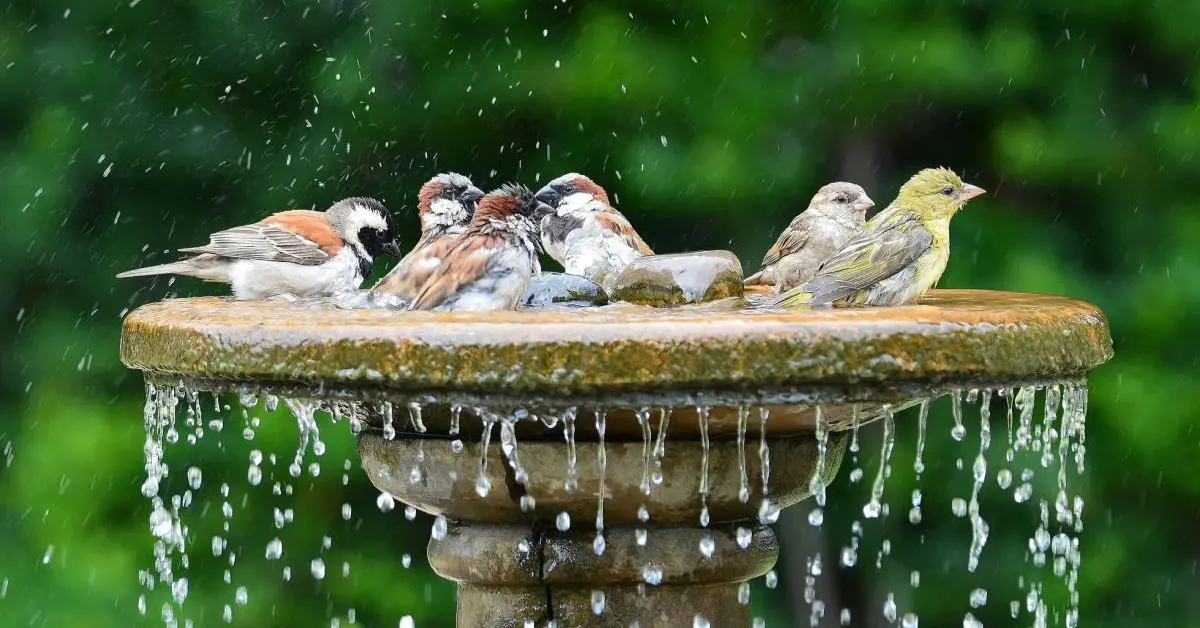
I learned this the hard way—placing a bath in the wrong spot is the fastest way to make sure no bird ever uses it. The good news? A few simple rules flip that around.
Here’s what works best:
- Shade vs. sunlight balance – Full sun keeps water warm and can turn it murky fast. Full shade keeps it damp and buggy. Aim for dappled light, where the bath stays cool but not gloomy.
- Close to cover, but not too close – Birds need shrubs or low branches nearby for quick shelter, but if you place the bath right under heavy cover, cats or predators can ambush them. Keep a 5–10 foot buffer from thick bushes.
- Height and stability – Waist-level baths are easy for birds to spot and feel safe using. Make sure the base doesn’t wobble, and add a few flat stones inside the bowl for smaller birds to perch on.
Think of it this way: you and I wouldn’t swim in a pool that feels unsafe or dirty. Birds are the same. When the bath is well-placed, stable, and surrounded by the right plants, they’ll treat it as a daily stop instead of a last resort.
Best Plants to Place Around Your Bird Bath
The plants you choose directly around your bird bath can make the difference between a quick stop and a lively gathering spot. Birds aren’t just looking for water—they’re scanning for food, shelter, and safety. By creating a ring of the right plants, you can transform a simple bowl of water into a mini-ecosystem that keeps them coming back.
Flowering Plants Birds Love
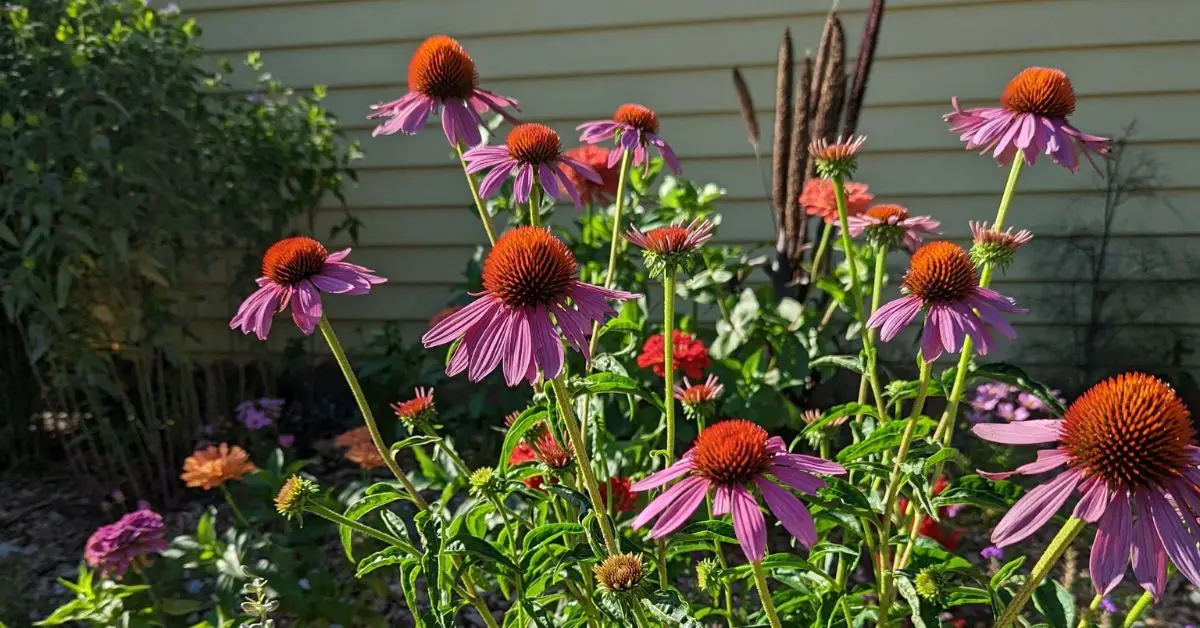
If you want instant colour and activity, flowering plants are the easiest way to start. They serve two purposes: nectar for hummingbirds and pollinators, and seeds for finches and sparrows once blooms fade.
Great options include:
- Coneflowers – Their large seed heads draw finches late in the season.
- Sunflowers – A magnet for seed-eating birds and also loved by pollinators.
- Bee balm – Nectar-rich, especially for hummingbirds and butterflies.
- Marigolds – Bright and low maintenance, offering extra insect activity birds can feed on.
These plants don’t just add colour for us; they provide layers of food sources that keep birds around longer.
Shrubs and Bushes for Shelter
Birds rarely bathe out in the open. They want an escape route nearby if danger shows up. That’s where shrubs earn their place.
Some excellent choices are:
- Holly – Evergreen and berry-producing, offering both food and winter shelter.
- Viburnum – Dense branches for nesting, plus clusters of berries.
- Hydrangea – Big, leafy cover that doubles as a hiding spot from predators.
When you mix shrubs around the bird bath, you create a bath + cover combo. Birds feel safer, which means they’ll stay longer and visit more often.
Grasses and Native Perennials
This is a trick many guides overlook: birds aren’t just after seeds and berries—they’re also after the insects that thrive on native perennials and grasses.
Options to consider:
- Ornamental grasses – Offer seeds and cover in autumn and winter.
- Goldenrod – Hosts insects that become vital food for birds.
- Echinacea – Seed heads last into fall and attract both insects and birds.
By planting natives, you’re building a food web. Insects arrive, and birds follow naturally. To keep your ornamental grasses healthy and bird-friendly, trimming them at the right time is key—this seasonal garden guide on trimming ornamental grasses walks you through simple steps. Cornell Lab of Ornithology notes that gardens filled with native plants can attract twice as many bird species compared to those filled with exotics.
Seasonal Planting Guide Around Bird Baths
Birds don’t need the same plants all year. If you rotate or mix in seasonal options, you’ll keep your garden lively across all four seasons:
- Spring – Berry bushes and lilacs provide early food and fragrance.
- Summer – Sunflowers and bee balm deliver nectar and seeds in abundance.
- Autumn – Seed-rich perennials like coneflowers and grasses extend feeding opportunities.
- Winter – Evergreens and holly give cover and berries when other sources vanish. As summer winds down, you can still make small changes that boost bird activity—these late summer gardening tips are especially useful for keeping your plants thriving during the transition.
A simple seasonal plan ensures your bird bath is always surrounded by something useful—whether that’s food, shelter, or insect activity. Instead of a one-time burst of life, your garden stays busy all year round.
Mistakes to Avoid When Planting Around Bird Baths
When I first set up a bird bath, I thought adding lots of flowers around it was enough. But I quickly learned that some small mistakes can make the whole setup less attractive—or even unsafe—for birds.
Here are the key ones to watch out for:
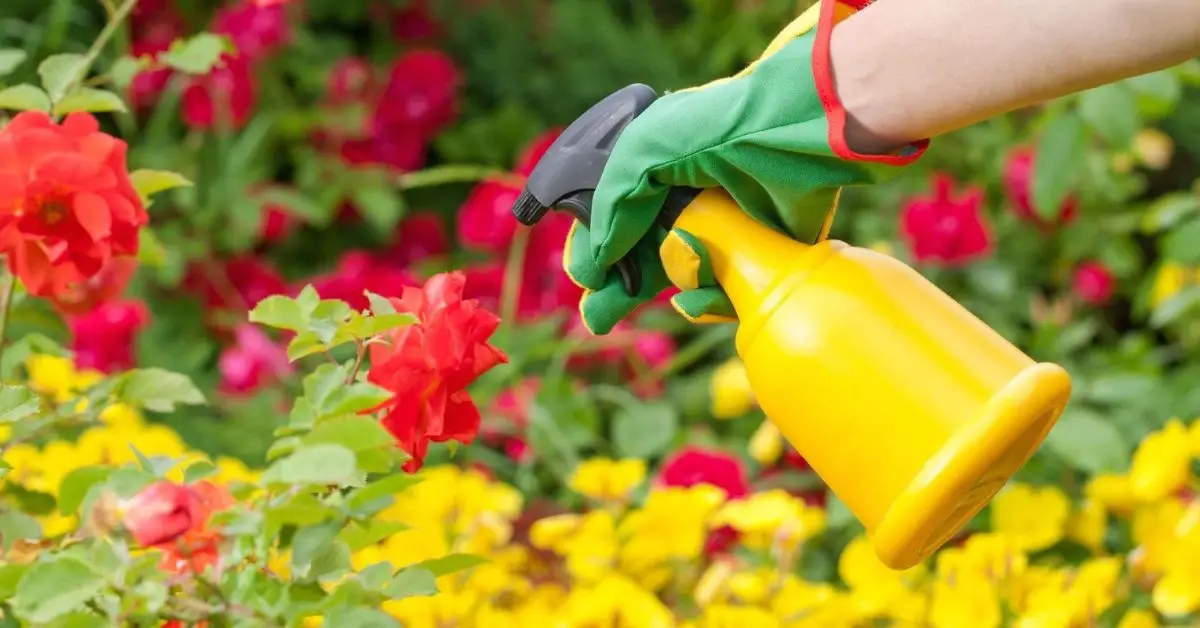
- Using pesticides or herbicides – These chemicals don’t just kill pests; they poison the insects birds rely on. Traces can also wash into the water, making it harmful.
- Overcrowding plants – Too many stems close to the bath block flight paths. Birds need clear landing spots and fast escape routes if danger appears.
- Ignoring water cleanliness – A dirty bird bath spreads disease. Fresh water every couple of days and a quick scrub keeps it safe and inviting. Hot spells can dry out both your plants and your bird bath quickly—these tips for keeping plants alive in a heatwave also help you protect the greenery that shelters visiting birds.
Think of your garden as a welcome space: clean, open, and safe. Avoiding these mistakes ensures your bird bath isn’t just decoration—it’s a reliable stop for birds that keeps them healthy too.
Extra Bird-Friendly Additions Beyond Plants
Plants do the heavy lifting, but a few thoughtful extras make your bird bath a real magnet:
- Flat stones inside the bath – Small birds can perch and drink without struggling in deeper water.
- A gentle drip or fountain – Moving water catches their eye and helps prevent stagnation. Even a small solar fountain works wonders.
- Nearby bird feeders – A mix of seeds or suet draws more species and encourages them to linger.
Researchers have found that even outside the breeding season, birds respond better in gardens where resources like food, cover, and water are managed well. A recent study in Ecosphere highlights how native landscaping supports birds year-round, not just during nesting months.
When you combine the right plants with these small additions, your bird bath becomes more than a water bowl—it turns into a dependable sanctuary.
Creating a Safe, Year-Round Haven for Birds
When you put all the pieces together—a clean bird bath, the right mix of plants, and a safe setup—you’re doing more than just decorating your garden. You’re building a space that birds can trust and return to every season.
The bath gives them water. The flowering plants and shrubs give them food and cover. The grasses and native perennials bring in insects, which in turn feed even more bird species. It’s a cycle that keeps growing stronger over time.
And here’s the bonus: you’re not only helping birds. Pollinators, butterflies, and countless beneficial insects also thrive in the same environment. That biodiversity makes your garden healthier, more colourful, and far more alive than any lawn or row of ornamentals could ever be.
Think of it as an investment—you’re creating a habitat that pays back with songs, colour, and constant movement in your yard. Each season adds new visitors, and with a little care, the space you build today can support wildlife for years to come.
Which birds do you hope to see splashing in your garden first? Share your thoughts in the comments below!
For more practical tips on transforming your outdoor spaces, visit Plant Care Dairy and discover guides that help you create a garden that’s both beautiful and functional.
Disclaimer: The plant and bird care tips shared here are for general gardening guidance only. Always check which plants are safe and suitable for your local region, and avoid using any species that may be harmful to birds or pets.