
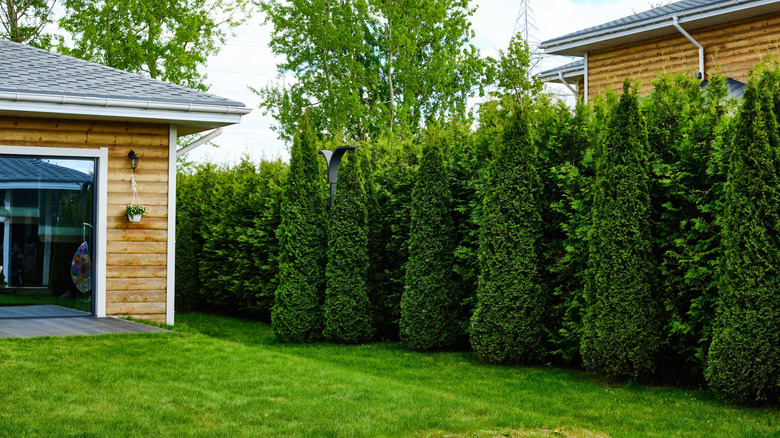
Let’s cut through the noise. If you’re staring at a neighbor’s clutter or a bulky AC unit that ruins your view, you don’t need a pricey fence to reclaim your peace. You need a smart, green solution that works with your space, not against it. That’s where Florida hobblebush (Agarista populifolia) shines. This evergreen shrub forms a dense, living screen that’s elegant, low-maintenance, and perfect for yards that need privacy without harsh walls.
In this guide, I’ll show you exactly how to turn Florida hobblebush into a beautiful privacy fence—from choosing the right spot and soil, to pruning at the right time so you don’t cut off those creamy spring blooms. You’ll learn the light and water balance it prefers, how to keep it full and healthy all year, and what to avoid (including the one pruning mistake that sacrifices flowers).
I’m keeping this practical and actionable. By the end, you’ll have a clear plan you can put to work this weekend, plus a 9-step checklist and a quick-reference table to keep you on track.
Why Florida Hobblebush Is the Privacy Hedge That Actually Works
A Quick Backyard Story
I once helped a friend block a view of chaotic trash cans and a boat trailer without building a fence the HOA would hate. We planted a row of Florida hobblebush along the property line. Within two seasons, its archingly dense thickets knitted together, creating a soft, green wall that looked deliberate and serene. No more eyesore—just a calm, leafy backdrop.
What Makes Agarista Populifolia Different
Native to the Southeast—including Florida, Georgia, and the Carolinas—Agarista populifolia loves the same woodland edges and damp ravines where privacy plants naturally thrive—see native range and habitat info. Its evergreen foliage doesn’t thin out in winter, and the plant’s habit of forming interwoven branches makes it tougher to see through than many common hedges.
- Year-round cover: Smooth, glossy leaves persist through winter, so your screen doesn’t disappear in the off-season.
- Spring flower show: In May–June, it hangs creamy-white, bell-shaped blossoms under its branches—subtle, elegant, and bee-friendly.
- Structural privacy: Those arching stems create a thicket that’s hard to pass through, reinforcing the “fence” effect.
Fast Facts: Size, Zones, and Growth Habit
Expect a mature size around 12 feet tall, with the potential for 15 feet in ideal conditions, and roughly 6 feet wide—see this detailed Agarista populifolia care guide for more info. It’s hardy in USDA Zones 7–9, making it a strong pick for much of the Southeast and parts of the Mid-Atlantic.
- Growth style: Multi-stemmed and naturally upright with arching branches.
- Color shift: New leaves emerge reddish-bronze, turn light green, and mature to rich green.
- Maintenance level: Low—especially once established in the right site and soil.
Where It Thrives in the Landscape
In nature, Florida hobblebush hugs woodlands, swamps, and riverbanks. That tells you exactly what it wants at home: acidic, moist-to-wet soil rich in organic matter. It’s excellent for naturalistic plantings that mimic local ecosystems and surprisingly tidy in formal hedges when pruned with intention—check out these Agarista populifolia landscape tips.
Maintaining Florida Hobblebush as a Privacy Screen Year-Round

Light That Delivers Evergreen Coverage
Partial shade to deep shade (about two to six hours of sun) is this shrub’s sweet spot. You can grow it in full sun in Zones 7–8 if you commit to supplemental watering, especially during heat waves. In deep shade, it still holds leaves beautifully, but growth may be a bit slower—ideal if you prefer a lower-maintenance screen.
- Best balance: Morning sun plus afternoon shade keeps foliage lush and reduces stress.
- Too much sun: Watch for leaf scorch or droop in drought; increase watering and mulch depth.
- Too little light: Slightly leggier growth is normal; counter with light pruning after bloom.
Water and Drought Stress—What to Expect
Coming from damp habitats, this plant appreciates a consistently moist root zone. That doesn’t mean swampy—just steady moisture with good organic matter and mulch. In sandy soils or exposed sites, a drip line plus 2–3 inches of mulch makes all the difference.
- New plantings: Water 1–2 inches weekly during the first growing season.
- Established shrubs: Deep water during extended dry spells to avoid drought stress.
- Mulch magic: Mulch moderates temperature, adds organic matter, and keeps weeds down.
Evergreen Foliage and Spring Bloom Show
This shrub’s foliage stays green year-round, with minimal pest or disease issues. In late spring to early summer—often May to June—you’ll see those creamy, bell-shaped flowers suspended along the undersides of branches. They’re understated but charming, and you’ll get the best show if you avoid pruning before bloom.
- Don’t prune early: Because it flowers on old wood, pruning in winter or early spring removes buds.
- After-bloom window: Shape and thin immediately after flowering to keep next year’s show.
Safety First: Toxic Leaves Around Kids and Pets
The leaves are highly poisonous to humans and pets. In family spaces, I always recommend placing the hedge just outside active play zones and adding clear borders or low fencing until kids understand the “look, don’t touch” rule.
- Pet households: Supervise curious chewers or choose a different plant for high-traffic runs.
- Signage and spacing: Use subtle signage along shared pathways, and keep the hedge away from edible gardens.
Planting and Soil Setup That Actually Works
Site Selection and Spacing for a Solid Screen
Give each shrub room to fill out. I’ve had the most uniform screens when plants are spaced about 4–5 feet apart in a straight or gently curving line. For faster coverage on tight timelines, stagger a second row in a zigzag, offset by 2–3 feet.
- Height goals: Want a 10–12 foot screen? Plant once and prune lightly—no ladders needed.
- Width control: Expect ~6 feet at maturity; pinch or selectively thin to hold to 4 feet.
- Wind breaks: Position near fences or structures to reduce desiccating winds in winter.
Soil: Acidic, Moist, and Rich in Organics
This plant thrives in soils that mirror its native haunts: acidic (aim pH 5.0–6.5), moist to wet, and rich in organic matter. If you garden on sand or alkaline soil, plan to amend generously—similar to planting a California Fan Palm for ideal soil prep.
- Amendment blend: Mix composted bark, leaf mold, and a bit of peat or coco coir to hold moisture.
- No perched water: If your site puddles, add raised berms to keep roots oxygenated.
- Test pH: A simple soil test informs if you need sulfur to nudge pH downward.
Mulch and Moisture Management
Mulch is your best friend. A 2–3 inch layer of pine bark or pine needles conserves moisture and feeds the soil slowly as it breaks down—perfect for a plant that loves organic richness.
- Keep off stems: Pull mulch back 2–3 inches from the base to prevent rot.
- Drip irrigation: A simple soaker hose on a timer delivers steady moisture with little effort.
Wind, Drainage, and Slope Considerations
Because Florida hobblebush is often used to stabilize riverbanks, it’s a savvy pick for slopes that stay moist. On steep grades, plant on terraced shelves and stake new shrubs if wind exposure is high until roots anchor.
- Erosion control: Plant on contour to slow runoff and keep moisture around roots.
- Downspout areas: Direct overflow through a dry creek into the hedge line for free watering.
Pruning, Training, and Shaping Without Losing Blooms
Timing: It Flowers on Old Wood
Mark your calendar. Because blooms form on the previous year’s growth, the safest time to prune is right after flowering in late spring/early summer. If you prune in late winter or early spring, you’ll remove the buds and lose the show.
- Post-bloom shaping: Lightly trim to tidy the outline and encourage branching.
- Skip hard winter cuts: Save major reductions for after flowering or in staged phases.
How to Create a Formal Hedge vs. Natural Screen
Decide on your style early. For a formal hedge, tip-prune frequently after bloom to build a dense shell. For a naturalistic screen, use selective thinning cuts, keeping the plant’s arching character intact.
- Formal look: Light, regular shearing right after bloom; avoid flat tops—slightly tapered sides prevent snow/ice damage.
- Natural look: Remove select stems back to the crown to keep an open, layered habit.
Managing Height and Width
At 12–15 feet, this shrub can get tall enough to screen second-story windows. If you need to cap height, reduce by no more than one-third right after bloom, and step back frequently to preserve a natural outline.
- Width control: Thin from the inside; avoid just shearing the exterior, which causes congestion.
- View windows: In scenic spots, prune a “window” and allow views through at eye level.
Renewal Pruning for Air and Light
To keep the multi-stemmed crown vigorous, remove a few of the oldest stems at ground level every year or two. This echoes how pros maintain large shrubs: thinning from the base to keep an open growth habit and fresh foliage.
- Cycle pruning: Rotate which stems you remove so the hedge never looks bare.
- Health boost: Better air and light reduce disease and keep new growth lush.
Troubleshooting, Safety, and Urban Use Cases
Sun, Shade, and Heat: Getting It Right
If leaves droop or scorch in full sun, the plant is signaling water stress. Increase deep watering and refresh mulch. In deep shade, expect slower growth; counter with more selective post-bloom pruning to stimulate branching.
- Heat waves: Temporary shade cloth can protect new plantings during extreme heat.
- Reflection zones: Avoid south-facing white walls that bounce heat and light onto foliage.
Pests, Diseases, and What Not to Worry About
One of the perks of Florida hobblebush is its low pest and disease pressure. Keep the crown open, water at the base, and you’ll rarely encounter issues beyond occasional cosmetic nibbling.
- Good hygiene: Clean up fallen debris after storms and avoid wetting foliage at night.
- Mulch refresh: Top up annually to support soil life and moisture balance.
Eyesores You Can Hide—and How
Because it forms impenetrable thickets, this shrub excels at screening utility boxes, pool equipment, trash/recycling pads, fences, and tight lot lines. For equipment with service access, leave a hidden maintenance corridor behind the hedge.
- Staggered rows: Two rows in a zigzag pattern close gaps quickly.
- Layered screens: Pair with shade-tolerant natives at the base for a finished look.
When to Choose a Different Plant
If you garden in Zones 4–6 or Zone 10+, or have highly alkaline, bone-dry soil you can’t amend, consider alternative evergreens. In colder zones, inkberry holly works; in hotter, drier sites, consider podocarpus or sand live oak.
- High-traffic kid/pet yards: Because leaves are toxic, pick a non-toxic screening shrub for play areas.
The 9 Essential Steps to Grow Florida Hobblebush Into a Living Fence
Read This Before You Start
This plant is forgiving if you match its basic needs: partial shade, consistent moisture, and acidic, organic-rich soil. Time pruning for after bloom and you’ll keep both flowers and privacy.
The 9-Step Action Plan
- Confirm Your Zone (7–9): Make sure your climate aligns with Agarista populifolia’s hardiness. Marginal zones can still succeed with microclimates, but expect slower growth.
- Choose the Right Light: Target partial shade. If you only have full sun, plan for regular deep watering and 2–3 inches of mulch.
- Prep the Soil: Test pH and amend for acidic, moisture-holding soil with composted bark, leaf mold, and a touch of peat or coco coir.
- Lay Out Your Spacing: Plant 4–5 feet apart in a single row, or create a faster screen with a staggered two-row zigzag.
- Plant and Water In: Set the crown level with the soil line, water thoroughly to remove air pockets, then add 2–3 inches of mulch.
- Establish a Watering Routine: Water 1–2 inches weekly the first season; switch to deep, occasional soaks once established—see similar watering and care strategies for plants.
- Train for the Look You Want: Tip-prune after bloom for a formal hedge, or selectively thin for a natural screen with arching character.
- Prune at the Right Time: Remember it flowers on old wood—so do major shaping right after the May–June bloom. Avoid late winter or early spring pruning—similar principles apply when timing pruning and bloom cycles for other flowering plants.
- Renew and Refresh Annually: Each year, remove a few oldest stems at ground level to keep growth vigorous, and top up mulch.
Common Mistakes to Avoid
- Pruning before bloom: Cutting in late winter removes buds and eliminates flowers.
- Dry, alkaline sites: Skipping soil prep leads to weak growth and poor screening.
- Only shearing: Surface shearing without thinning causes congestion and disease pressure.
- Ignoring toxicity: Don’t plant where kids or pets will chew leaves.
Budget and Time-Saving Tips
- Start smaller: One-gallon plants catch up quickly when soil is dialed in.
- DIY drip: A low-cost soaker hose on a timer beats daily hand watering.
- Free organics: Use raked leaves and pine needles as mulch to feed the soil and hold moisture.
Quick Reference, Smart Mindset, and Your Next Steps
Florida Hobblebush Care at a Glance
| Topic | What to Do | Why It Matters |
|---|---|---|
| USDA Zones | 7–9 | Ensures winter survival and reliable growth. |
| Light | Partial shade to deep shade; full sun with extra water | Prevents scorch and maintains dense foliage. |
| Soil | Acidic, moist-to-wet, high organic matter | Mimics native habitat for strong, steady growth. |
| Water | Steady moisture; 1–2″ weekly first year | Reduces drought stress and leaf drop. |
| Height x Width | 12–15 ft x ~6 ft | Plan spacing and pruning strategy. |
| Pruning Time | Right after May–June bloom | Protects flowers (blooms on old wood). |
| Renewal Cuts | Remove oldest stems at base periodically | Keeps crown open and vigorous. |
| Toxicity | Leaves are poisonous | Site responsibly around kids and pets. |
| Use Case | Privacy screens, hedges, riverbank stabilization | Dense thickets create structural privacy. |
Smart Gardener Mindset
Great results come from matching the plant to the place. With Florida hobblebush, that means embracing partial shade, steady moisture, and post-bloom pruning. Start with healthy soil, think long-term structure, and the hedge will repay you with calm, evergreen privacy that looks good in every season.
Final Thoughts and Next Steps
If you’re craving a softer, greener alternative to stockade fencing, Agarista populifolia is a generous ally. Use the 9-step plan, keep your pruning shears ready after bloom, and enjoy the way this plant quietly rewrites your backyard view.
Have questions, local experiences, or a success photo to share? Drop a comment below—we’d love to hear how your hedge is coming along. For more detailed plant-by-plant guides, visit Plant Care Dairy.
Disclaimer: The information in this article is for educational purposes only and does not substitute for local regulations or professional advice. Always verify plant suitability for your zone and site, handle all plant material responsibly (leaves of Florida hobblebush are toxic), and consult your local extension service or a certified horticulturist for site-specific guidance.