
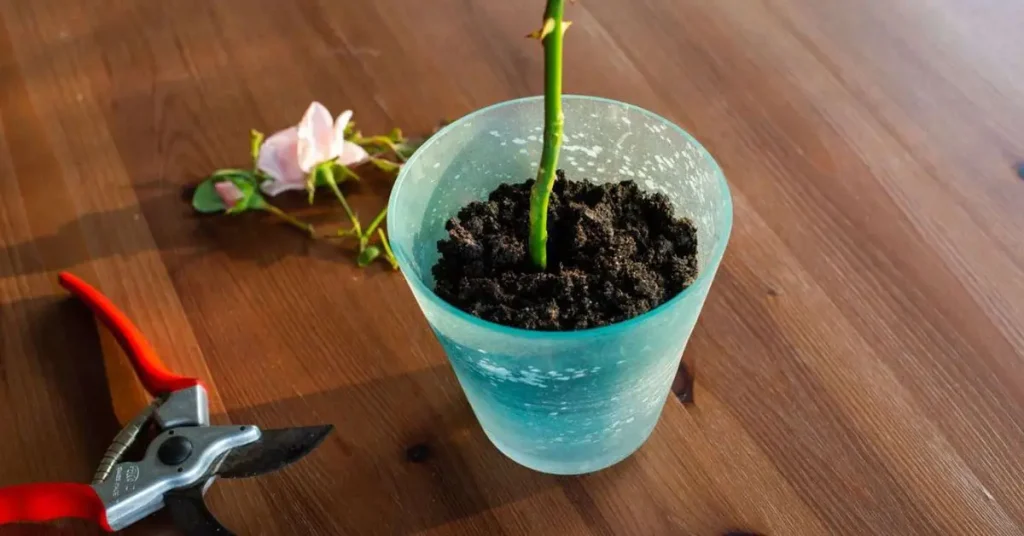
Growing roses from cuttings at home feels magical. I still remember the first time I tried it—holding a tiny stem in my hands, unsure if it would survive. That nervous excitement is part of the thrill. There’s nothing quite like seeing a new shoot emerge from a cutting you nurtured yourself.
It’s cost-effective and rewarding. Why buy expensive nursery roses when you can multiply your favorites right at home? With just a few simple steps, you can turn a single rose stem into a thriving plant, keeping the variety you love most alive.
Even beginners can succeed. I know it can feel intimidating at first, but I’ll guide you through 10 easy steps. Each step is designed to make propagation simple and effective, so you won’t have to worry about mistakes.
By the end of this guide, you’ll not only grow roses… but you’ll understand how to care for them properly. You’ll gain confidence in handling cuttings and see firsthand how patience and attention turn a small stem into a beautiful rose plant.
Why Grow Roses from Cuttings?
I’ll be honest—I used to think buying new rose plants was the only way to add variety to my garden. But once I tried growing roses from cuttings, everything changed. It’s not just cost-effective—it’s deeply satisfying.
Here’s why you might want to give it a try:
- Save money: Instead of buying multiple new plants, you can propagate roses from cuttings you already have. It’s a budget-friendly way to grow your garden.
- Keep your favorite varieties: Have a rose you absolutely love? Growing from cuttings lets you replicate it perfectly, so your favorite blooms are never lost.
- Gain satisfaction and confidence: There’s something incredibly rewarding about nurturing a small cutting into a full-grown rose. It makes you feel capable and connected to your garden.
When I first succeeded, I realized it’s not just about saving money—it’s about feeling proud of what you’ve grown. Seeing those tiny roots form and stems sprout is a moment every gardener should experience.
For more insights on why propagating roses is worth it, you can check Better Homes & Gardens guide on rose cuttings. It covers expert tips and reinforces why this method works so well.
Choosing the Right Time and Cutting

Timing and the type of cutting you select can make or break your success. I’ve learned this the hard way—starting at the wrong season or picking the wrong stem can mean wasted effort.
Here’s what works best:
- Best season: Spring or early fall is ideal because the plant is actively growing but not stressed by extreme temperatures. Timing is crucial for successful propagation—if you want more seasonal guidance, check out these 10 late summer gardening tips to know exactly when to start your rose cuttings.
- Type of cutting: Use softwood or semi-hardwood stems after the flowers have faded. These are young enough to root easily but mature enough to survive.
- Size matters: Choose cuttings around 4–8 inches long with 3–5 nodes. These nodes are where roots will form, so make sure they’re healthy and intact.
I like to imagine each cutting as a tiny investment—you want it strong enough to take root but flexible enough to grow. With the right timing and proper cuttings, you’ll set yourself up for success from day one.
Preparing the Cutting and Identifying Nodes
One of the most common mistakes I see beginners make is cutting the stem incorrectly. I’ve learned that a few precise snips can make all the difference. Nodes are the secret to successful rooting, so it’s worth taking your time here.
Here’s how I handle it:
- Trim below the lower node: Make your cut just about 0.25 inch below the bottom node. This is where most roots will sprout.
- Cut above the top node: Similarly, leave about 0.25 inch above the top node to prevent unnecessary leaf growth and focus the plant’s energy on rooting.
- Identify nodes: Nodes are slightly swollen areas along the stem—these are the points where roots will develop. Recognizing them ensures you don’t waste a potentially strong cutting.
When I first started, I ignored the nodes, and my cuttings struggled. Once I learned to pay attention, rooting success skyrocketed. Correct cuts maximize your chances of a healthy, thriving plant.
Ideal Soil Mix for Rooting
Even the best cutting will fail if it’s in the wrong soil. I’ve experimented with everything from garden dirt to fancy potting mixes, and here’s what I’ve found works best.
My go-to soil mix:
- Coarse sand + perlite or vermiculite (1:1): This mix drains well but retains enough moisture to encourage root growth.
- Keep it moist but not soggy: Overwatering is a rookie mistake. Your cutting needs humidity, but standing water will rot it fast.
Using the right soil feels like giving your cuttings a soft landing—they get the support they need without risk of disease. Trust me, a good soil mix sets the foundation for success.
Using Rooting Hormone (and Alternatives)

If you want to increase your chances of success, rooting hormones can be a game-changer. I usually use a small dab on the base of each cutting—it encourages roots to form faster and stronger.
Here are my tips:
- Commercial rooting hormones: These are reliable and speed up the rooting process. You can pick them up at any garden center.
- Natural alternatives: Honey, cinnamon, or aloe vera can also work if you prefer organic options.
- Precautions: Don’t overdo it. Too much hormone can harm the cutting, so a thin coating is enough.
I like to give readers options depending on their budget and preference. For more detailed guidance on using rooting hormones safely, you can check Gardentech’s guide on rose propagation.
Controlling Moisture and Temperature
One thing I learned quickly is that humidity and temperature make or break your cuttings. Too dry, and the cutting wilts; too wet, and it can rot. I’ve found a few tricks that consistently work for me.
Here’s my approach:
- Cover cuttings with a plastic bag: This creates a mini greenhouse, keeping humidity high.
- Mist regularly: Light misting keeps the leaves and soil from drying out without drowning them.
- Maintain temperature around 70°F (21°C): Warmth encourages root growth, but avoid direct heat which can stress the cutting. Keeping your cuttings at the right temperature is key; for more advice on protecting plants during hot spells, see how to keep plants alive in a heatwave—the tips work well for delicate rose cuttings too.
Maintaining these conditions feels like giving your cutting a cozy environment—it reduces stress and helps it focus on forming roots.
Placing the Cutting in the Right Spot
Where you put your cuttings can make all the difference. I used to put mine in the sunniest window and quickly realized too much direct light can scorch young stems.
Follow these tips for the best results:
- Bright, indirect sunlight is ideal: It provides energy for photosynthesis without causing stress.
- Avoid harsh midday sun: Intense sunlight can dry out or burn the cutting.
- Aim for at least 6 hours of light daily: Enough light encourages healthy growth without overloading the plant.
Finding the right spot feels like setting up a tiny nursery—your cuttings will thank you by rooting faster and looking healthier.
Monitoring Root Development

Patience is key here. I know it’s tempting to dig up your cutting every few days, but disturbing it can do more harm than good. Instead, watch for subtle signs and check soil moisture carefully.
What I do:
- Roots typically develop in 6–8 weeks: Don’t rush the process—nature has its timeline.
- Check soil moisture regularly: Keep it slightly damp, never soggy.
- Look for healthy growth signs: New leaves, firm stems, and slight resistance when gently tugging indicate roots are forming.
Monitoring progress helps you catch problems early and adjust care before it’s too late.
Caring for Rooted Cuttings
Once roots are established, your job isn’t over. I always make sure to transition my cuttings gradually, so they don’t experience transplant shock.
Here’s my routine:
- Acclimate gradually to outdoor conditions: Start by giving them a few hours outside each day.
- Provide regular water and balanced nutrients: Young plants need support to thrive.
- Monitor for early issues: Pests, yellowing leaves, or drooping stems need quick attention.
With proper care, your rooted cuttings can grow into strong, independent roses that will bloom beautifully for years.
For more expert tips on nurturing rooted rose cuttings, check out The Spruce’s guide on rose propagation.
Extra Tips for Growing Roses Indoors
Growing roses indoors can feel tricky at first, but I promise it’s doable with a few small adjustments. I’ve experimented a lot with indoor roses, and these tips have saved me from countless failed attempts.
Here’s what works best:
- Choose a bright indoor location: Near a south- or west-facing window is ideal. Roses need light to thrive even indoors. Just like aloe vera thrives near a south- or west-facing window, roses also need plenty of bright light indoors—here’s a guide on how to provide optimal sunlight for indoor plants that works perfectly for roses too.
- Maintain indoor humidity: Indoor air can be dry, especially in winter. I use a small humidifier or place a tray of water near the plant to keep humidity levels up.
- Special indoor care tips: Rotate your plants every few days so all sides get light, prune lightly to encourage branching, and watch for indoor pests like aphids or spider mites.
These small tweaks can make a huge difference, helping your indoor roses stay healthy, bloom beautifully, and bring joy to your space.
Wrap-Up
Growing roses from cuttings isn’t as intimidating as it seems. I’ve seen beginners like you successfully cultivate stunning roses at home once they follow the right steps.
Key takeaways:
- Proper timing, correct cutting technique, and good soil mix are crucial.
- Controlled moisture, temperature, and light ensure strong root development.
- Rooted cuttings need gentle care and gradual acclimation to thrive.
- Indoor rose care requires a few extra tweaks, but it’s entirely possible.
With patience, attention, and these techniques, you can grow beautiful, fragrant roses from cuttings right in your home.
Your turn: I’d love to know—which rose variety would you like to grow first? Share your favorites and let’s compare notes!
For more gardening tips and detailed guides on growing beautiful roses at home, visit Plant Care Dairy.
Disclaimer: The information provided here is for educational purposes only. Results may vary depending on plant variety, local climate, and care practices.