

When I first started using grow lights for my indoor plants, I quickly realized that figuring out how long to leave them on wasn’t as simple as it seemed. Some sources say 12 hours, others push 16, and then there’s the warning against leaving them on all day. I spent hours reading guides, browsing forums, and experimenting with different schedules. Watching my plants’ leaves and stems respond (or sometimes struggle) taught me that the duration of light can make or break their growth. It’s not just about flipping a switch; it’s about understanding your plants’ natural rhythms and needs.
Over time, I noticed patterns that most articles barely touch on. Seedlings often need much longer light than mature foliage plants, while flowering varieties have very specific light cycles to thrive. Even the type and intensity of your grow light changes everything — too weak, and your plant stretches for light; too strong, and you risk burns.
In this guide, I’ll share what science says, what real indoor gardeners do, and how you can find the perfect schedule for your plants. By the end, you’ll know how to keep your indoor garden healthy without guesswork, wasted energy, or stressed-out leaves.
Why Light Duration Matters for Indoor Plants
When I first started growing plants indoors, I underestimated how much difference light duration could make. You might think that as long as a plant is under a grow light, it will thrive—but that’s not true. Just like us, plants need a balance of activity and rest. Giving them too little or too much light can stunt growth, cause stress, or even burn the leaves. Understanding the “why” behind light cycles will make it much easier to find the perfect schedule for your indoor garden.
The Basic Science of Plant Light Cycles
Here’s the simple truth I learned: plants don’t just need light—they also need darkness. This cycle of light and dark affects how they grow, flower, and store energy. A few key points to know:
- Photosynthesis happens in the light – plants convert light into energy, which fuels growth.
- Dark periods are essential – during darkness, plants rest and process nutrients. Skipping the dark phase can confuse their growth cycles.
- Photoperiodism matters – different plants respond differently to day length. Some plants need long days to bloom, while others thrive on shorter days.
How Artificial Grow Lights Differ from Sunlight
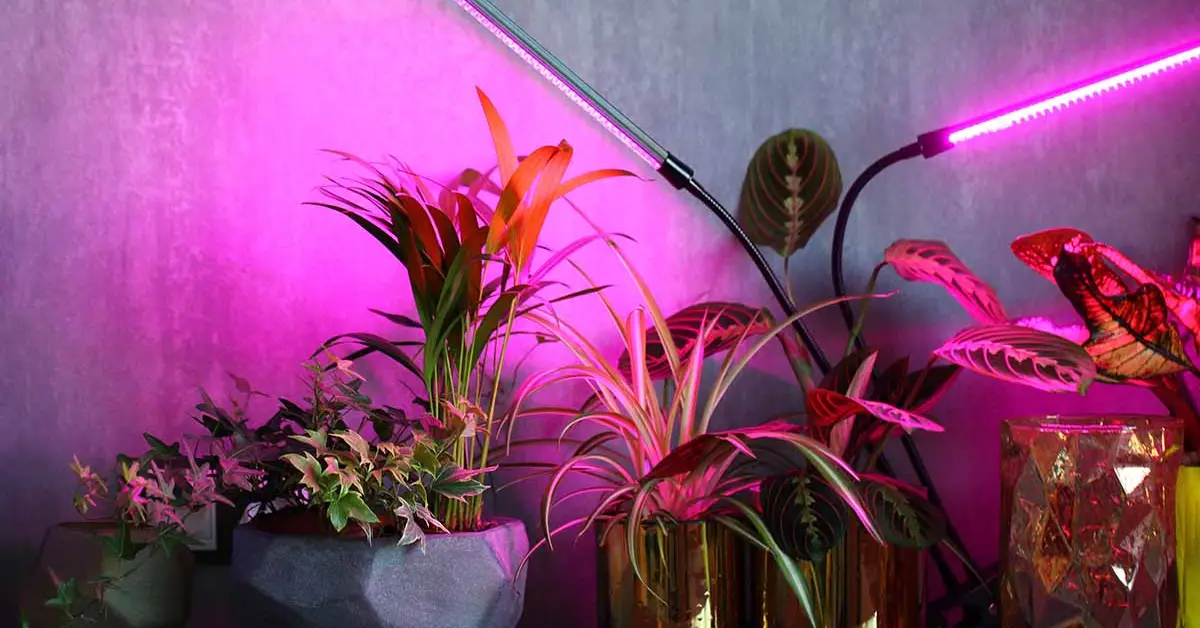
Not all light is created equal. I learned that artificial grow lights are not the same as natural sunlight. The intensity, spectrum, and distance from your plants all affect how they absorb energy. If your room doesn’t get much sunlight, your plants might need 12–14 hours of artificial light a day to match their natural needs. According to the New York Botanical Garden, this is often enough to mimic daylight without overloading the plant.
Dangers of Too Little or Too Much Light
I’ve seen many beginners make the mistake of leaving lights on either too short or too long. From my experience and from reading real grower forums, here’s what can happen:
- Too little light – plants stretch toward the source, leaves become pale, and growth slows.
- Too much light – leaves can burn or curl, stems may weaken, and energy gets wasted.
- Ignoring signs – over time, your plants will show subtle clues if the light schedule isn’t right.
By paying attention to these cycles and watching your plants closely, you can find the sweet spot in light duration. It’s not just about flipping a switch—it’s about tuning in to your plant’s needs and adjusting as you go.
Identifying the “Too Long” Threshold: When Grow Light Duration Becomes a Problem
After experimenting with my own indoor plants, I quickly realized that knowing how long is too long is just as important as knowing the minimum. Leaving lights on excessively can stress your plants, and not every guide explains how to spot the warning signs. Here’s what I learned:
Why Plants Still Need Darkness
Even though they rely on light for photosynthesis, plants need periods of darkness to process energy, rest, and regulate growth. Skipping dark periods can confuse their internal clocks, affect flowering, or slow overall development. This is all part of photoperiodism, where plants respond to the length of day and night. Understanding this helps you avoid unintentionally harming them.
Signs That Duration Is Too Long
I’ve seen my own plants react in ways that signaled overexposure, and online forums are full of similar stories. Watch for:
- Leaf burn or yellowing – light intensity + duration too high.
- Bolting or abnormal stretching – plants try to escape the excess light.
- Slowed growth – they may stop producing new leaves or flowers.
- Heat stress – especially with high-wattage lights placed too close.
How to Determine If Your Plants Are Being Over-Lit
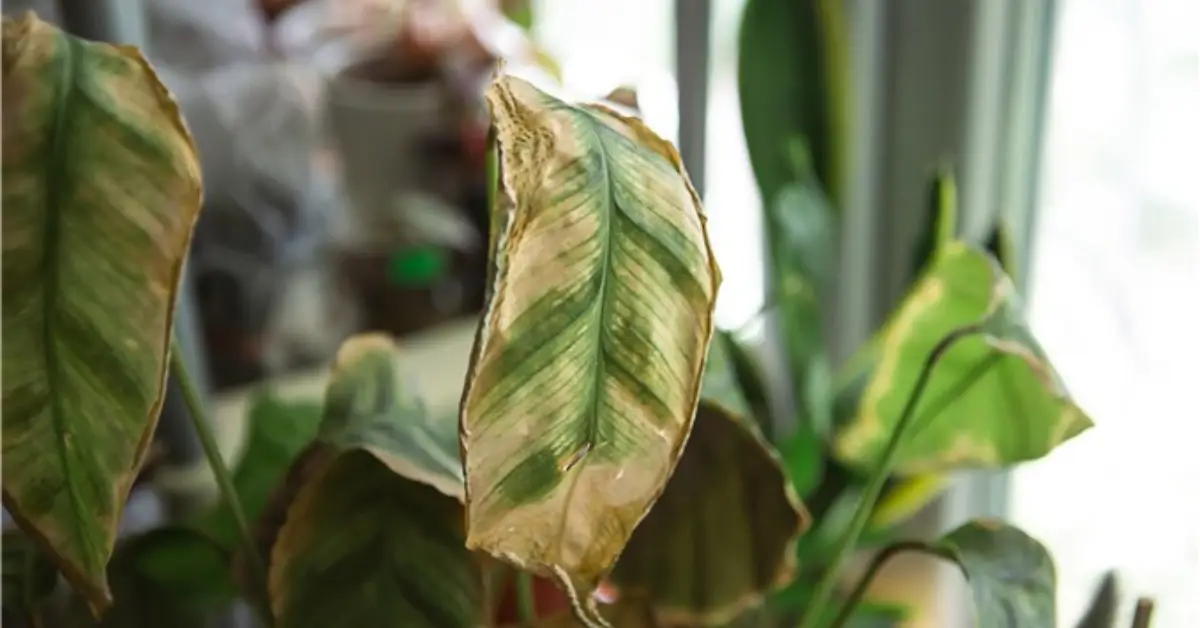
It’s not enough to just follow a generic schedule. Here’s what I do to assess:
- Observe plant behavior daily for subtle changes.
- Measure light intensity and ensure the distance from the light is appropriate.
- Use a timer to provide consistent light and dark periods.
- Adjust gradually based on plant response rather than relying solely on a set number of hours.
How to Choose the Right Duration for Your Specific Indoor Plant Setup
Finding the right duration is not about a fixed number. When I started paying attention to my environment and my plant types, everything changed. Here’s how I approach it—and how you can too.
Assessing Your Natural Light Baseline
First, figure out how much natural light your plants already get:
- Look at the direction your window faces and how many hours of direct or indirect sunlight you receive. Look at the direction your window faces and how many hours of direct or indirect sunlight you receive. It’s also worth checking whether your grow light acts more like direct or indirect light for houseplants, as this affects how long you should keep it on.
- Adjust grow light duration based on how much natural light complements or replaces artificial light.
- Keep in mind that cloudy days or winter months may require extra artificial light.
Matching Light Duration to Plant Type
- Foliage houseplants (low to medium light) – usually 10–12 hours is enough.
- Flowering or fruiting plants (high light needs) – may need 14–16 hours to stimulate blooms or fruiting. Using red light for plants can also help enhance flowering when combined with the right duration schedule.
- Seedlings and propagation stage – often need 16–18 hours to encourage strong growth, but watch for stress signs.
Adjusting for Grow Light Intensity and Type
The type of light you use changes the equation. I learned that lower-intensity LEDs may require slightly longer exposure, while high-intensity fluorescent or incandescent lights need careful placement to avoid burns. You can check guides like Dossier Blog for recommended effective hours depending on your light type and wattage.
Use of Timers and Automation
Finally, timers are a game-changer. I always recommend them because they:
- Ensure consistent light and dark cycles.
- Reduce the risk of human error in forgetting to turn lights on or off.
- Allow you to tweak schedules gradually and track your plants’ responses.
Even the spectrum of your grow light matters; for example, the role of green light in plant growth is subtle but important, and it can influence how your plants respond to longer or shorter light durations.
Sample Duration Schedules You Can Use (With Flexibility)

I’ve found that having a starting point for light schedules makes life much easier, especially if you’re juggling different types of indoor plants. Think of these as guidelines to test and tweak, not strict rules. Your plants’ response will always be your best indicator.
Schedule Examples
- Foliage houseplants in moderate natural light – 10–12 hours of artificial light works well. I usually start at 11 hours and adjust depending on leaf color and growth rate.
- Flowering or fruiting plants in low natural light – 14–16 hours can help trigger blooms or fruiting. I often split this into two cycles if possible: morning and evening.
- Propagation/seedlings – 16–18 hours gives young plants enough energy to grow strong, but I monitor closely for signs of stress.
When to Reduce Duration
- Seasonal changes: longer days in summer may allow you to cut artificial lighting slightly.
- Plant maturity: once seedlings become established, they often need less light.
- High-intensity lights: if your lamp is very strong, shorter durations prevent burns or stretching.
Quick Reference Table
| Plant Type | Light Hours (Starting Point) | Notes |
|---|---|---|
| Foliage houseplants | 10–12 | Adjust by leaf color & growth |
| Flowering/fruiting | 14–16 | Split cycles if needed |
| Seedlings/propagation | 16–18 | Watch for stress signs |
Monitoring & Adjusting: Practical Tips to Fine‑Tune Your Grow Light Duration
Setting a schedule is just the beginning. I’ve learned that the most successful indoor growers are the ones who watch, tweak, and respond to their plants’ needs.
What to Watch For
- Plant posture – are stems stretching or bending toward the light?
- Leaf color – pale or scorched leaves can indicate too much or too little light.
- New growth rate – slow growth can signal insufficient energy.
- Heat and humidity changes – lights generate heat, which affects soil moisture and air humidity.
Adjusting Based on Changes
- If you move plants closer or farther from the light, adjust the duration accordingly.
- When switching to a different type of plant, recalibrate hours based on its needs.
- Track seasonal changes; in winter, your plants may need longer light exposure because natural sunlight is limited.
Energy and Cost Considerations
Longer light durations mean higher electricity use and more heat in the room. I usually aim for the shortest effective duration that keeps my plants thriving—this saves money and reduces the risk of stress from excess heat.
Common Mistakes to Avoid
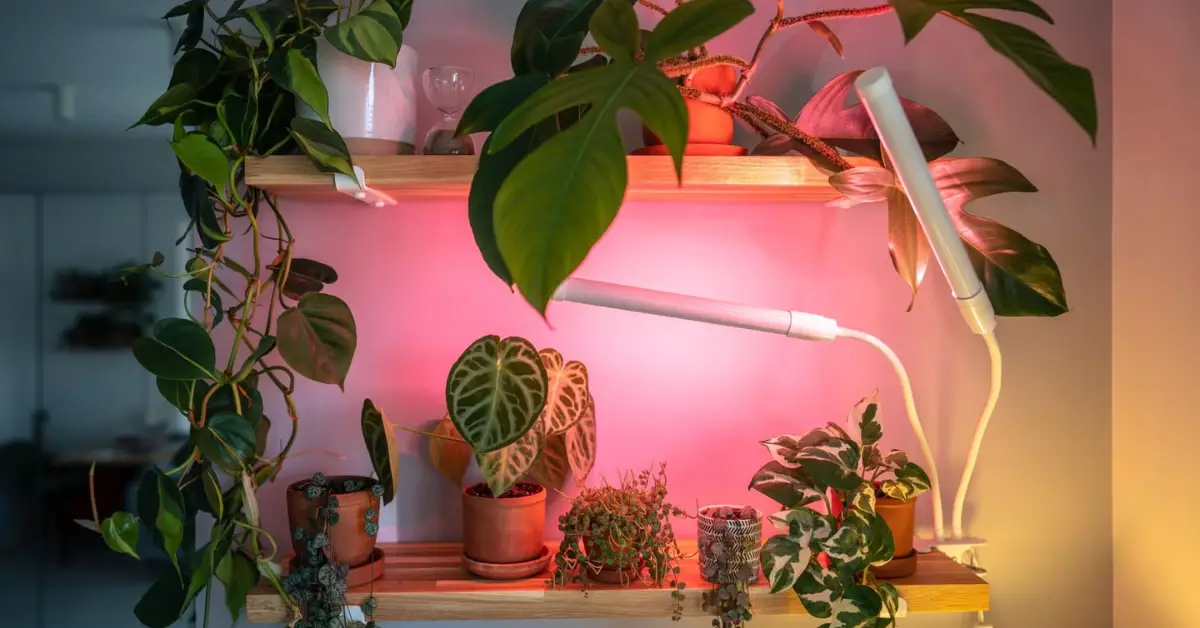
I’ve learned the hard way that even small mistakes with grow light duration can slow your plants’ growth or stress them out. Here are the pitfalls I see most often—and how you can avoid them:
- Leaving lights on 24/7 because “more is better” – I used to think the more light, the faster my plants would grow. In reality, this stresses them, interrupts natural cycles, and can even burn leaves.
- Using one fixed number for all plant types – Each plant has its own needs. Treating every plant like it’s the same will lead to poor growth for some of them.
- Neglecting the dark period – Plants need rest to process energy and grow strong. Ignoring the dark period can confuse their internal clock.
- Forgetting to adjust when you change lights or move plants – Even small changes in distance, intensity, or type of light can require adjusting the schedule. I always re-evaluate whenever I switch hardware or rearrange my plants.
Being aware of these mistakes will save you frustration and help your indoor garden thrive.
Conclusion & Next Steps
After all this, here’s the key takeaway: there’s no single “perfect” grow light duration. The right schedule depends on your plant type, your setup, and the intensity of your lights. The best approach is to start with a reasonable schedule, observe your plants, and adjust as needed.
Here’s what I recommend you do next:
- Assess your natural light and current grow light setup.
- Pick a starting duration based on your plant type and environment.
- Track your plants’ responses—look at leaf color, growth, and posture.
- Adjust gradually if you notice stress or insufficient growth.
- Use timers and, if possible, a light meter to make monitoring easier.
I’d love to hear how you’re applying these tips in your own indoor garden. Drop a comment below and share your experience. And if you want more practical, hands-on advice, check out more guides and tips on Plant Care Dairy—your go-to place for growing healthy, happy plants indoors.
Disclaimer: The information in this article is for general indoor plant care guidance. Individual plant needs may vary based on species, environment, and light type. Always monitor your plants closely and adjust accordingly.