

Fall gardening is a sweet spot many people overlook. Cool air reduces transplant stress while the soil still holds summer warmth—perfect conditions for roots to establish before winter. If you’re in USDA zones 8–10, November is prime time to plant. Zone 7 gardeners can plant too with a protective mulch layer, while colder zones may need to aim earlier in fall.
In this guide, you’ll learn why November planting works, how to prepare your site, a simple step-by-step method, and ongoing care so your shrubs burst with growth next spring. We’ll also highlight 13 excellent shrub choices—from winterberry to viburnum—that thrive with fall planting.
Understanding the Basics
Planting shrubs in November leverages an important horticultural principle: roots keep growing as long as soil remains workable (generally above ~40–45°F), even when top growth is slowing. Lower evaporation, fewer pest pressures, and gentler sun reduce transplant shock. By spring, your shrubs awaken with an established root system, translating to better flowering, fruiting, and drought resilience.
The key variables are your frost timetable and hardiness zone. Aim to plant 4–6 weeks before the ground consistently freezes. In warmer regions (zones 8–10), the window is wide; in zone 7, mulch is your insurance policy; in colder zones, fall planting should happen earlier. For more foundational pointers, see our internal guide on fall shrub planting.
Rule of Thumb: Plant when daytime highs are cool (50s–60s°F) but soil is still workable—and always water in thoroughly, then mulch.
When, Why, or Can You Do It?

Yes—if your climate allows the roots to settle before a deep freeze. November planting works beautifully across zones 8–10 and can work in zone 7 with a generous 2–3 inch mulch layer after watering. The “why” is simple: fall planting gives roots a head start without the strain of summer heat. Exceptions include borderline-hardy evergreens in zones below their comfort range and plants that demand spring-only planting in very cold climates.
Always check the species’ hardiness and your first frost dates. For additional science-backed context, see the University of Minnesota Extension on fall planting trees and shrubs.
Quick Takeaway: If your ground won’t freeze solid for several weeks and you can water and mulch, November planting sets shrubs up for a strong spring.
Preparation or Requirements
Success begins with site prep. Gather a spade, hand pruners, a tarp for soil, compost, and 2–3 inches of organic mulch. Confirm the sun exposure where you’ll plant and match shrubs accordingly. In heavier clay, plan to improve drainage by planting slightly high and widening the hole. NC Cooperative Extension’s guide to planting techniques is an excellent refresher on depth and backfilling practices.
- Soil: Well-drained loam is ideal; mix in compost with backfill (don’t over-amend the hole).
- Light: Full sun (6+ hrs) for bloomers like bottlebrush; dappled light/partial shade for hydrangea and summersweet in warm regions.
- Temperature: Best when days hover 50–65°F and the soil is above ~45°F.
Common Mistakes: Planting too deep (keep top of root ball level with or slightly above soil), skipping the initial deep watering, and using rock-only mulch (use organic mulch to moderate temperature and moisture).
Step-by-Step Method
- Match plant to place: Check hardiness zone and sun needs. Example: wintersweet and hydrangeas appreciate afternoon shade in hot climates.
- Dig wide, not deep: Make a hole 2–3 times the root ball’s width and equal depth. Rough up sides to prevent glazing.
- Prepare the roots: Remove the pot, tease circling roots, and prune any dead or broken ones.
- Set and backfill: Position the shrub so the crown sits level or slightly high. Backfill with native soil blended with 20–30% compost, firming gently to remove air pockets.
- Water and mulch: Water slowly and deeply, then mulch 2–3 inches, keeping mulch a few inches off the stems. Label your plant for easy ID next spring.
Once set up, your shrubs will rest through winter and greet spring with strong, ready-to-grow roots.

13 Beautiful shrubs for November Planting
- Winterberry (Ilex verticillata) — brilliant red berries; zones 3–9; pair male/female.
- American Beautyberry (Callicarpa americana) — neon-purple fruits; zones 6–10.
- Virginia Sweetspire (Itea virginica) — fragrant white racemes; clay-tolerant; zones 5–9.
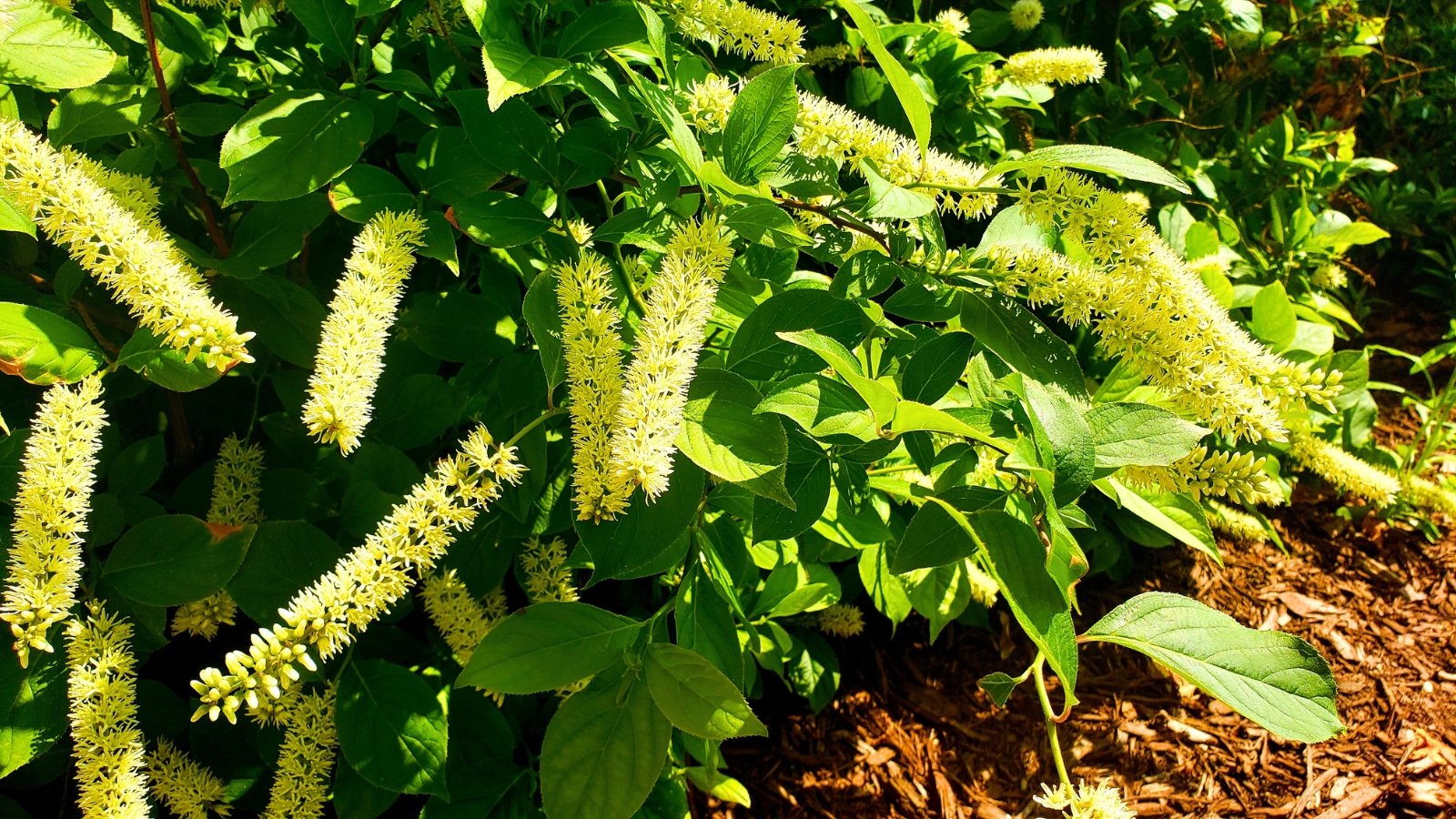
- Summersweet (Clethra alnifolia) — mid-summer blooms for pollinators; zones 4–9.
- Buttonbush (Cephalanthus occidentalis) — globe flowers; loves wet sites; zones 5–10.
- Hydrangea (Hydrangea spp.) — many forms; check sun/wood type; zones 4–10.
- Elderberry (Sambucus spp.) — wildlife- and kitchen-friendly; zones 4–10.
- Nootka Rose (Rosa nutkana) — fragrant single blooms, hips; zones 5–9.
- Viburnum (Viburnum spp.) — four-season interest; great hedges; zones 2–10.
- Texas Mountain Laurel (Sophora secundiflora) — grape-scent blooms; zones 7–10.
- Coral Honeysuckle (Lonicera sempervirens) — native vine for trellises; zones 4–10.
- Bottlebrush (Callistemon spp.) — striking red “brush” flowers; zones 9–11.
- Juniper (Juniperus spp.) — tough evergreens, many forms; zones 4–10.
Ongoing Care and Maintenance
- Water: For the first 6–8 weeks, keep soil evenly moist—about 1 inch of water per week from rain or irrigation; 1.5 inches in sandy soils. Check by probing the top 2 inches; water when it’s dry.
- Feeding: Hold fertilizer until early spring; then apply a slow-release, balanced product or a top-dress of compost.
- Light: If a warm spell hits, watch for wilt and increase water slightly.
- Pruning: Remove damaged wood anytime. Time structural pruning based on bloom wood—hydrangeas and viburnums vary, so consult our how to plant and care hydrangea.
Rule of Thumb: In the first season, water deeply but infrequently—let the top 1–2 inches dry between sessions to encourage deeper roots.
Troubleshooting Common Issues
- Problem: Leaf scorch after a warm, windy week. Fix: Increase watering frequency temporarily and add a windbreak (burlap screen) for exposed sites.
- Problem: Soggy soil or drooping leaves in clay. Fix: Pull back mulch, let the area dry, and ensure the crown isn’t buried. Consider a shallow French drain or plant slightly higher.
- Problem: No berries on winterberry or beautyberry. Fix: Plant a compatible male pollinator within 50 feet of female plants; confirm bloom times align.
Most of these problems can be fixed quickly once you spot the signs early.
Seasonal or Environmental Adjustments
- Maintain 2–3 inches of organic mulch year-round.
- Check soil moisture monthly in winter; water if the top 2–3 inches are dry.
- Delay fertilizing until early spring growth begins.
Expert or Heritage Tip (Optional)
Plant two or three shrubs of the same species in a small drift to create a stable microclimate—soil stays moister, and wind stress drops. This is especially effective with native groups like viburnum and elderberry. A cheap soil thermometer (or even a compost thermometer) removes guesswork when deciding planting timing in borderline climates.
“If the soil is warm enough to dig without smearing and your forecast offers a few weeks before deep freeze, it’s warm enough for roots to knit in.”
Key Takeaways
November planting is a savvy move in zones 7–10, giving shrubs a root-first head start and less transplant shock. Prepare well-draining sites, plant level or slightly high, water deeply, and mulch. Match species to light and soil, and prune at the right time for your shrub. With a bit of winter watchfulness, your garden will wake up vigorous and bloom-forward in spring.
Ready to plant? Tell us what you’re adding this fall, share photos, and explore more practical guides at Plant Care Dairy.