

I still remember the first time I spotted that strange white dust on my rose leaves. At first, I thought it was pollen or maybe leftover fertilizer. A few days later, the buds stopped opening, and the leaves started curling like paper in the sun. That’s when I realised it wasn’t dust — it was powdery mildew, one of the fastest ways to ruin a healthy rose bush if you don’t act quickly.
If you’ve ever cared for roses, you know the heartbreak of watching something so beautiful fade under that thin, ghostly layer. It spreads quietly, especially when the weather flips between warm days and cool nights. What makes it tricky is that every gardening forum, neighbour, and YouTube video seems to have a “magic fix” — from baking soda sprays to milk and vinegar mixtures. Some of them help; some make it worse. The truth is, there’s no one-size-fits-all cure. The right approach depends on how early you catch it, the variety of your rose, and what environment you’re growing in.
In this guide, I’ll walk you through how to tell if your roses can be saved, the real science behind why this fungus shows up, and the steps that actually work — not just the ones repeated online. You’ll learn which treatments are safe, which ones backfire, and how to keep this from happening again.
Have you ever tried treating powdery mildew yourself — and if so, what worked (or didn’t) for you?
What is Powdery Mildew on Roses?
I like to think of powdery mildew as that uninvited guest every rose gardener eventually meets. It sneaks in quietly — one day your roses are glowing, and the next you notice a thin layer of white powder clinging to the leaves and buds. That powder isn’t dust; it’s a living fungus called Podosphaera pannosa (formerly Sphaerotheca pannosa var. rosae), and it feeds on your rose’s tissue.
Once it lands, it sends out tiny thread-like filaments that draw nutrients from the plant, weakening it bit by bit. The leaves lose their natural shine, the buds stop opening properly, and the whole plant starts to look dull. What makes it worse is that this fungus thrives on the very plant we love most — roses — because of their tender leaves and tightly packed growth.
You can find excellent background on how the fungus behaves and spreads from UC IPM’s rose disease guide, but in short, it’s a master of timing: the spores wait for just the right mix of temperature and moisture before exploding into growth.
Typical Conditions: Why Roses Get It
If your garden has:
- Warm days followed by cool, damp nights
- Still air around the plants (not enough circulation)
- Crowded or shaded spaces where leaves stay damp for too long
then you’ve basically rolled out the red carpet for mildew.
It spreads fastest when humidity is high but the leaves aren’t wet — a tricky balance that confuses many gardeners. Overhead watering, or watering late in the evening, can make it worse because the extra moisture gives spores a head start.
When you understand why it appears, prevention gets easier: better airflow, early morning watering, and regular pruning go a long way toward keeping mildew off your roses.
Recognising It Early: The First Warning Signs
The first few days matter most. Here’s what to watch for:
- A whitish, powder-like coating on the top or underside of leaves.
- New shoots or buds that look twisted or fail to open.
- Leaves curling upward as if trying to escape the fungus.
- A faint musty smell when you touch the leaves.
Catching these signs early often means you can stop it with gentle, non-chemical treatments before it spreads to the whole plant. If you see the powder only on the lower leaves or one branch, that’s your window to act fast. Sometimes those white spots or holes on leaves aren’t mildew at all. If you’re seeing tiny punctures instead of powder, read our breakdown of tiny holes in plant leaves and what they really mean to make sure you’re treating the right problem.
Why It Matters
Ignoring powdery mildew is like ignoring a slow leak in your roof — it doesn’t seem urgent until the damage is everywhere. Left untreated:
- Flower buds can stop forming or produce small, distorted blooms.
- Leaves turn yellow and fall off, leaving the plant bare.
- Repeated infections weaken the root system, making the plant more vulnerable to heat and pests.
Over time, the rose stops growing altogether. That’s why spotting and addressing it early isn’t just about beauty — it’s about survival.
Evaluate the Severity: Can You Save Your Rose Bush?
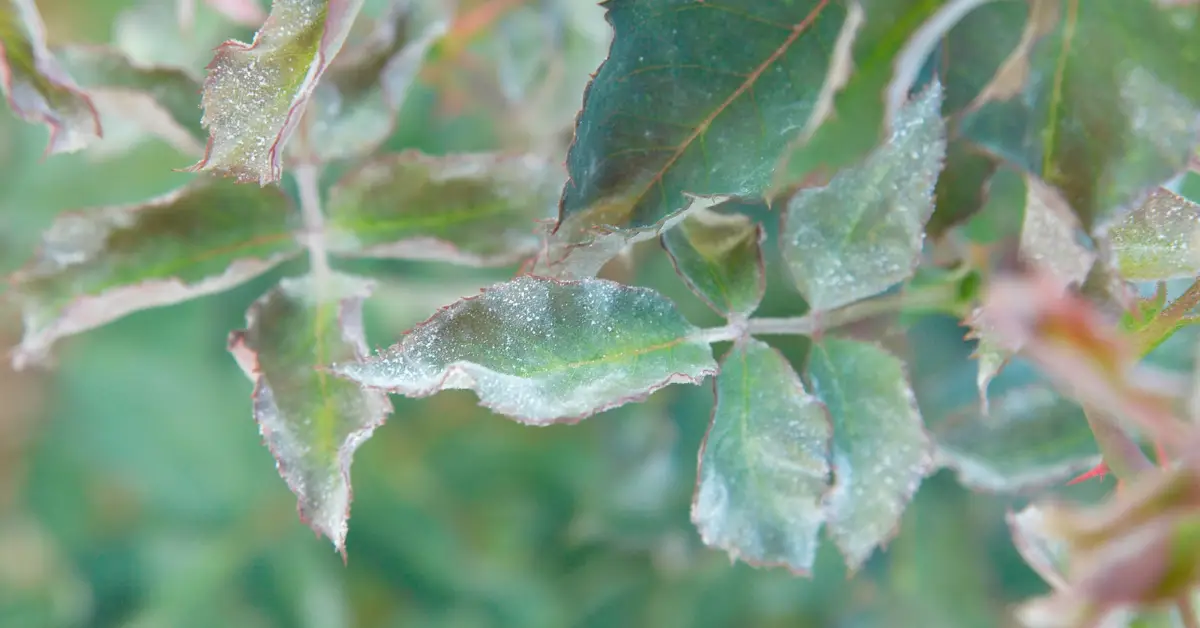
When you first notice powdery mildew, the big question isn’t “What spray should I use?” but “Can this rose actually recover?”
Not every infection means disaster. Some can be reversed within weeks, while others might mean it’s time to start over.
Early vs Advanced Infection
You can tell a lot just by looking closely:
- Early infection: White coating on a few leaves or buds, stems still strong, new shoots appear healthy.
- Moderate infection: Powder spreading to several branches, buds deformed, some leaf drop.
- Advanced infection: Powder everywhere, stems turning brown or brittle, little to no new growth.
If you catch it early, pruning and natural sprays can often save the plant. Once it reaches the advanced stage, recovery becomes difficult — and treatment turns into damage control.
Factors That Influence Recovery
Every rose reacts differently, and a few things decide how well it bounces back:
- Variety: Hybrid teas and miniatures are more sensitive than tough shrub or climbing types.
- Environment: Roses in pots dry out faster and stress easily; in-ground plants usually recover better.
- Climate: Hot, humid regions see quicker reinfection; drier climates allow longer gaps between outbreaks.
- History: If the same plant caught mildew last season, spores might still linger in nearby soil or leaves.
Knowing these factors helps you choose the right level of treatment — whether it’s a simple prune or a full-scale fungicide routine.
The Decision Point
Here’s a simple way I decide:
- If less than one-third of the plant is affected → treat and monitor.
- If half or more of the plant is covered or has no new shoots → cut back hard or consider replacement.
- If the plant gets infected multiple times a year, no matter what you do → it may be better to replace it with a resistant variety.
This isn’t failure; it’s smart gardening. Sometimes replacing one sick rose saves the rest of your garden from a season-long battle.
Setting Realistic Expectations
Even if you treat it right, your rose won’t recover overnight.
- Mild cases show improvement in about two weeks.
- Severe cases can take a full month before new, clean leaves appear.
- Some damaged leaves will never fully recover — and that’s okay.
Be patient, trim away what’s lost, and focus on nurturing new growth. The goal isn’t perfection; it’s getting your rose back to healthy blooming again.
Have you ever had a rose bounce back after a bad infection — or did you end up replacing it?
Step-By-Step Treatment Plan
Once you’ve confirmed that powdery mildew is the problem, it’s time to act — not panic. Every gardener has that moment of frustration when they spot the white powder spreading again after they thought they’d fixed it. But the truth is, you can turn it around if you follow a calm, structured plan instead of reacting with random sprays.
Immediate Actions: Clean, Prune, and Contain
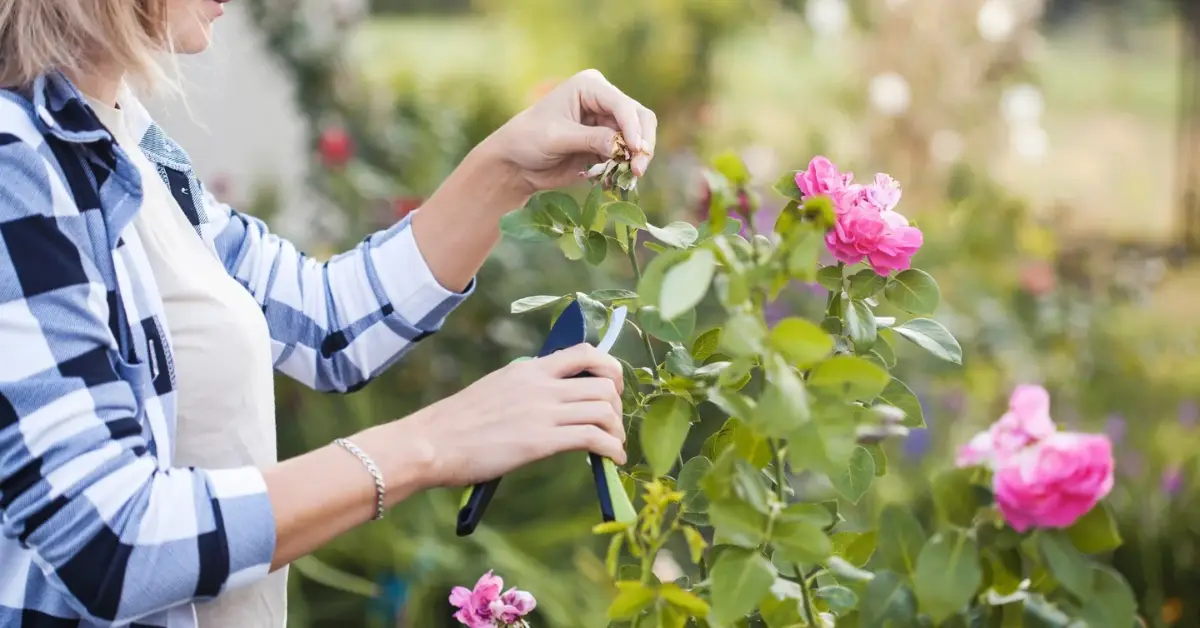
The first 24 hours matter more than anything else. Your goal right now is to stop the spread. Here’s what I do:
- Snip off infected leaves and buds right away. Don’t compost them — bag and throw them out.
- Prune for airflow. Cut back crowded branches so sunlight and breeze can reach inside the plant.
- Disinfect your tools with rubbing alcohol or a mild bleach solution after each plant.
I’ve seen gardeners skip this part, only to find the mildew spreading to nearby roses within a week. Think of this as hitting the reset button before any treatment starts. For reference, the BBC Gardeners’ World Magazine explains this same first step as essential for allowing sprays and air circulation to work effectively.
Cultural Controls: Fix the Environment
Most gardeners reach for a spray first — but environment control is what keeps mildew from coming back.
Try these habits:
- Water early in the morning so leaves dry fast.
- Avoid overhead watering. Always water at the base of the plant.
- Give each rose enough breathing space. Crowding traps moisture and invites fungus.
- Make sure the spot gets at least six hours of sunlight daily.
A good rule: if your roses feel humid to you when you touch them, they’re humid enough for mildew to grow. Even small changes in watering routine can make a huge difference.
If you’ve noticed other pests thriving in the same humid conditions, it might be time to address them too — especially whiteflies, which love the same kind of still, moist air that encourages mildew. Check out our full guide on how to get rid of whiteflies naturally without chemicals to keep your garden balanced and pest-free.
Home-Remedy Options That Actually Work
Homemade treatments can be surprisingly effective when used early and correctly. Here are the ones I’ve tested — and what science supports:
- Milk Spray
- Mix 1 part milk to 2 parts water.
- Spray on affected leaves every 7 days during dry weather.
- Works best in sunlight, as milk proteins react with light to stop fungal spores.
- Baking Soda Spray
- Mix 1 tablespoon baking soda + 1 teaspoon mild soap in 1 litre of water.
- Shake well and apply once a week.
- Raises leaf surface pH, making it hard for mildew to survive.
- Neem Oil Solution
- Mix 2 teaspoons neem oil with 1 litre of water and a few drops of liquid soap.
- Spray in the evening to avoid leaf burn.
These gentle remedies are easy to make, safe for pets and pollinators, and — when used consistently — can clear up early mildew. If you prefer going fully organic, we’ve also shared a detailed guide on how to get rid of powdery mildew naturally without harsh chemicals that expands on gentle DIY sprays, their correct ratios, and how to avoid leaf burn.
Commercial or Chemical Fungicides
If the infection is spreading fast or the weather’s too humid, you might need a stronger backup. Don’t overuse chemicals, but when you do, choose wisely:
- Sulfur-based fungicides: Work well but avoid applying in hot weather (over 30°C).
- Potassium bicarbonate sprays: A safer option that kills spores on contact.
- Dormant sprays: Use in late winter or early spring to destroy overwintering spores.
Always spray early morning or late evening and rotate between two types to prevent resistance. Check labels carefully — even organic-certified sprays can cause leaf burn if overapplied.
The Weekly Follow-Up Routine
Treating mildew isn’t a one-day job. Here’s a routine that works for me:
- Every 3–4 days: Inspect new leaves and buds.
- Once a week: Reapply your chosen spray (natural or chemical).
- After rain: Repeat the treatment since it washes off.
- Every two weeks: Prune lightly to keep airflow open.
You’ll know it’s working when new leaves grow clean and green, and the white film stops spreading.
Safety and Environmental Tips
Especially in hotter regions like India or Southeast Asia, timing and safety matter.
- Avoid spraying under strong sunlight — it can scorch leaves.
- Don’t mix remedies; give at least 3–4 days between treatments.
- Keep pets and children away until leaves dry.
- Always test a small patch before treating the whole plant.
- Dispose of infected leaves safely — don’t dump them near healthy plants.
And if you’re near monsoon season, focus more on pruning and airflow than spraying — rain and humidity can make sprays less effective.
Preventing Powdery Mildew from Coming Back
Fixing mildew once is good; keeping it away forever is better. Prevention doesn’t take fancy products — just consistency.
Choose Resistant Varieties and Healthy Plants
When you buy roses, check for varieties marked “powdery mildew resistant.” Some modern hybrids are bred to fight it naturally.
A few reliable choices include:
- ‘Knock Out’ series
- ‘Carefree Beauty’
- ‘Iceberg’
- ‘Queen Elizabeth’
Always buy from trusted nurseries that maintain clean stock — a healthy start makes all the difference.
Build a Seasonal Rose Care Calendar
Every season has a small task that keeps mildew at bay:
- Spring: Prune early and open up the center for airflow.
- Summer: Water early mornings, fertilise moderately, and remove dead flowers.
- Monsoon (humid months): Spray preventive solutions weekly, even if no signs appear.
- Winter: Clean up fallen leaves and apply dormant sprays.
Think of it like maintaining a car — small, regular care beats emergency fixes.
Garden Layout & Micro-Climate Tips
- Don’t plant roses too close to walls or fences.
- Let breezes pass through freely — still air encourages fungus.
- Avoid spots that stay shaded or damp all day.
- Keep the base clear of weeds that trap moisture.
Sometimes moving a pot just two feet into more sunlight makes all the difference.
Monitoring & Early-Warning Checklist
Set a quick five-minute routine every weekend:
- Check the underside of leaves for white patches.
- Look at new buds and shoots — are they twisting?
- Feel for stickiness — a sign mildew may be returning.
- If one plant shows signs, check all nearby roses.
Catching symptoms early saves weeks of effort later.
Cost-Effective Prevention
You don’t need expensive brands to protect your garden.
- Keep one bottle of baking soda spray ready year-round.
- Use homemade neem spray once a month as a preventive shield.
- Invest in clean, sharp pruning tools — hygiene matters more than fancy products.
- If budget allows, one quality fungicide rotation per season is enough.
In the long run, prevention costs a fraction of curing an outbreak.
Powdery mildew might seem relentless, but once you understand how it behaves, you can stay a step ahead. What’s one small change you’ve made in your garden that helped keep your roses healthier this season?
When It’s Beyond Saving – Options and Next Moves
No gardener likes admitting defeat, but sometimes saving a rose means knowing when to stop trying. I’ve been there — weeks of pruning, spraying, and hoping, only to realise the plant had already lost too much strength to fight back. At that point, it’s not about failure; it’s about protecting the rest of your garden and starting fresh.
Signs the Plant Is Too Far Gone
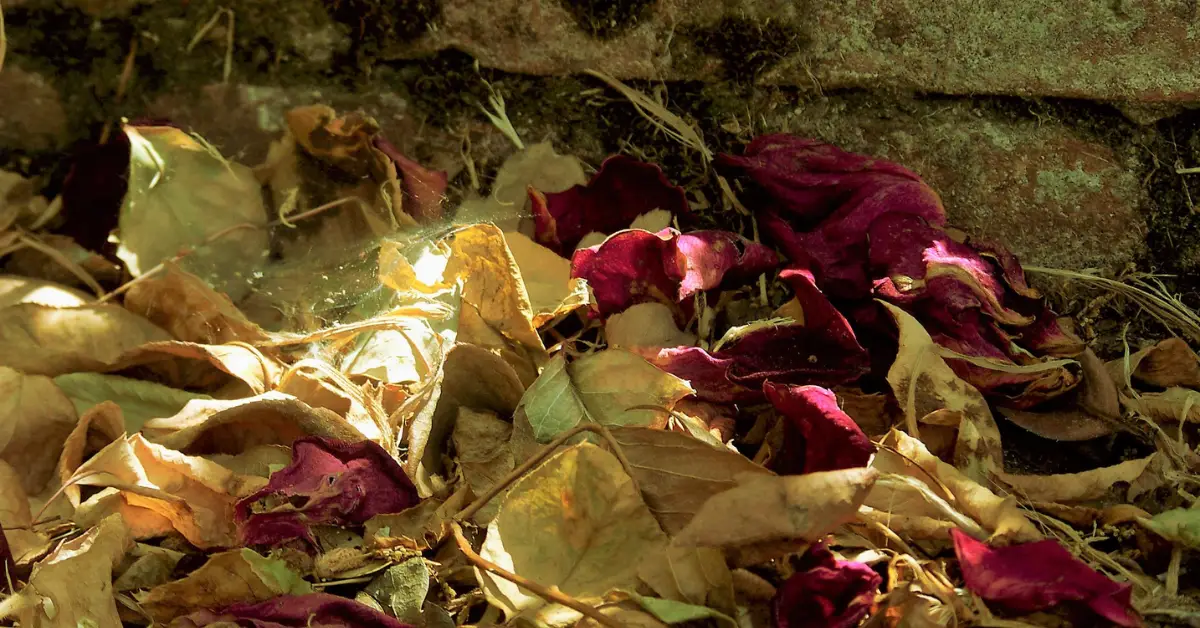
You’ll know a rose has reached the end of the road when:
- Most leaves have fallen off, and new ones come out already infected.
- Stems turn brittle or brown, showing no sign of fresh growth.
- The mildew returns within days after treatment, even in dry weather.
- Buds stay closed or fall early, season after season.
If you’re seeing two or more of these signs, continuing treatment will only waste time and resources — and may spread spores to other plants.
Safe Disposal and Sanitation
When a rose is beyond saving, remove it carefully to avoid spreading spores. Here’s how I handle it:
- Prune it back first to make handling easier.
- Pull out the entire root ball and bag it immediately — don’t shake off the soil.
- Do not compost infected parts; spores can survive compost heat.
- Disinfect tools with a 10% bleach solution or rubbing alcohol after you’re done.
- If the rose was in a pot, scrub the container thoroughly and replace the soil.
A clean break now prevents months of chasing invisible spores later. For extra precaution, let the soil rest bare for a few weeks before replanting anything new.
Replanting Strategy
Losing a plant can actually be a fresh start if you plan it right.
When you replant:
- Choose powdery mildew–resistant varieties like ‘Knock Out,’ ‘Iceberg,’ or ‘Carefree Beauty.’
- Replace at least the top six inches of soil or mix in fresh compost and organic matter.
- Ensure the new plant has better airflow and morning sun.
- Buy from reputable nurseries that sell disease-free stock.
If you’re unsure about what to plant next or how long to wait, the Royal Horticultural Society’s rose care advice offers clear guidance on soil recovery and resistant hybrids.
Long-Term Budget and Time Perspective
Before you pour more money into treatments, take a step back and compare:
| Option | Time Investment | Average Cost | Expected Result |
|---|---|---|---|
| Continue treatment on heavily infected plant | 4–6 weeks of repeated pruning and sprays | Medium–High (sprays + time) | 40–60% recovery chance |
| Replace with new resistant rose | 1 afternoon + setup | Medium (new plant + soil refresh) | 90% chance of healthy growth next season |
| Leave area fallow for a season | Minimal | Low | Reduces spore load for future planting |
Sometimes, letting go is the most economical choice. You’ll spend less time fighting disease and more time enjoying blooms that actually last.
Quick Reference Table / Checklist
Gardening can feel overwhelming when you’re dealing with multiple roses, so here’s a simple cheat sheet you can keep on your wall or phone.
Symptom Timeline: Early → Advanced
| Stage | What You’ll See | Action to Take |
|---|---|---|
| Early | Few leaves with white powder | Remove infected parts + apply milk spray |
| Moderate | Multiple stems affected, buds twisted | Switch to baking soda or neem oil spray |
| Severe | Widespread leaf loss, brittle stems | Use fungicide or prepare for removal |
Treatment Decision Tree
- Notice a few white spots? → Start with home remedy (milk or baking soda).
- Spread continues after a week? → Move to neem oil or potassium bicarbonate.
- Still no improvement in 2 weeks? → Try sulfur-based fungicide.
- Plant looks weak and drops leaves? → Remove and replace.
Simple rule: start gentle, escalate only if needed.
Preventive Tasks by Season
- Spring: Prune early, feed lightly, open airflow.
- Summer: Water at soil level, spray neem monthly.
- Monsoon (humid months): Keep foliage dry, apply weekly preventive sprays.
- Autumn: Collect and destroy fallen leaves.
- Winter: Clean up soil, apply dormant spray before new buds form.
Consistency beats crisis control every time.
Home Remedy Recipes at a Glance
| Remedy | Ratio | Application Frequency | Notes |
|---|---|---|---|
| Milk Spray | 1 part milk : 2 parts water | Every 7 days | Best used in sunlight |
| Baking Soda Mix | 1 tbsp baking soda + 1 tsp mild soap in 1 L water | Weekly | Don’t overapply |
| Neem Oil Spray | 2 tsp neem oil + few drops soap in 1 L water | Every 10 days | Apply at dusk |
| Potassium Bicarbonate | 1 tsp in 1 L water | Weekly | Effective on active mildew |
Keep these ratios handy, and you’ll never have to guess again.
Powdery mildew might win a few battles, but not the war — not if you stay informed and proactive. Which of these prevention steps do you already follow, and which one are you planning to try next season?
Summary + What to Do Now
Powdery mildew might look harmless at first, but once it takes hold, it can drain the life out of your roses faster than you think. The good news is, now you know exactly what to do — from spotting early signs to choosing the right treatment and keeping your garden mildew-free for good.
Here’s a quick recap to keep things simple:
- Identify early. Watch for white powder and curling leaves.
- Act fast. Prune infected parts and clean your tools immediately.
- Treat smart. Start with milk or baking soda sprays; escalate only if needed.
- Stay consistent. Follow up weekly and adjust watering, airflow, and sunlight.
- Prevent next time. Choose resistant varieties and keep your garden clean year-round.
Today, You Should:
- Inspect all your roses closely — even the healthy ones.
- Prune off any infected leaves or buds.
- Mix your first spray (milk, baking soda, or neem).
- Note the next 7-day follow-up in your gardening calendar.
The earlier you act, the higher your chances of saving your plant — and the fewer chemicals you’ll need down the line. Remember, every clean leaf is a small victory against the fungus.
I’ve seen so many gardeners give up too early, not realising how resilient roses can be with a bit of consistency and patience. You’ve got the knowledge now — all that’s left is to take action and watch your garden recover.
Which remedy are you planning to try first? Share your experience or tips in the comments below — your story might help another gardener.
For more practical plant care guides, troubleshooting tips, and seasonal advice, visit Plant Care Dairy — where every leaf gets a little more love.
Disclaimer: The information in this article is for general gardening guidance only. Results may vary depending on your rose variety, local climate, and soil conditions. Always test any spray on a small area first and follow product labels carefully when using fungicides. Plant Care Dairy is not responsible for any damage caused by misuse or environmental factors.