
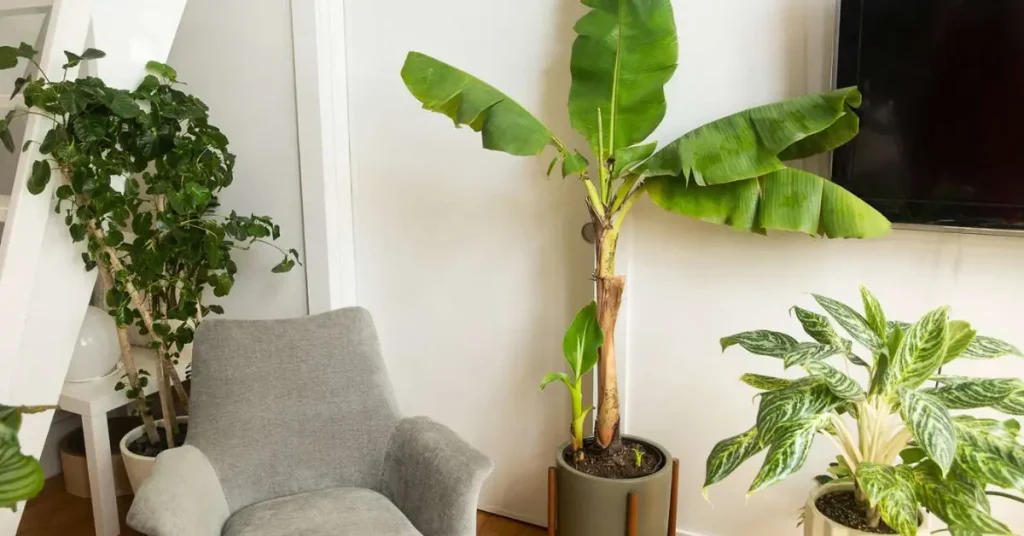
I still remember the first time I tried to grow a banana plant at home. I’d just come back from a trip to Kerala, and the idea of having that same lush, tropical vibe in my small northern garden felt impossible. Everyone told me bananas wouldn’t survive outside the tropics — that they needed constant heat, humidity, and endless sunshine. But I’ve never been good at listening to that kind of advice.
So I decided to experiment. I ordered a small dwarf banana variety, set it up near a sunny window, and learned more about humidity than I ever thought I would. The first few weeks were a disaster — drooping leaves, pale edges, and soil that stayed too wet no matter how carefully I watered. But then I started to understand what the plant was trying to tell me. Bananas don’t demand the tropics; they just need consistency — warmth, light, and a bit of patience.
If you’ve ever looked at those tall green stems and thought, “I wish I could grow that here,” the truth is — you can. You don’t need a rainforest, a greenhouse, or a full-time gardener. You just need to know how to recreate the right environment with what you already have. That’s exactly what we’ll walk through in this guide — from choosing the right banana type to helping it thrive in a pot, even if your winters are freezing.
Have you ever tried growing something that “wasn’t supposed to survive” in your climate?
The Myth vs. Truth About Growing Bananas at Home
I used to believe banana plants only belonged in humid jungles or tropical backyards — places where the air feels heavy and the sun never quits. That belief stopped me from trying for years. Most of us think the same way, right? Bananas equal the tropics. But the truth is, that’s only half the story.
Why Most People Assume Bananas Need Hot, Humid Weather
It’s an easy assumption to make. When we picture banana plants, we imagine broad green leaves swaying in the heat, surrounded by palm trees and coconuts. And yes, in their natural environment, that’s exactly how they grow — in consistently warm, moist air with rich soil.
But what many gardeners don’t realize is that bananas aren’t as fragile as they look. The problem isn’t the plant’s need for tropical sun — it’s our misunderstanding of how adaptable they really are. The key is mimicking their environment, not replicating it perfectly. Once I understood that difference, everything changed.
Here’s what most beginners get wrong:
- They assume bananas die in cold weather. Some varieties actually tolerate frost and regrow each year.
- They think bananas can’t grow indoors. With the right pot and light, dwarf types thrive near a sunny window.
- They overwater. Bananas love moisture, but hate soggy roots — drainage is more important than rainfall.
The Science Behind Cold-Tolerant Banana Varieties
What truly surprised me was learning about the hardy banana species that evolved to survive outside tropical zones. One of my favorites, Musa basjoo, can withstand temperatures close to freezing when mulched and protected in winter. According to the Royal Horticultural Society, this hardy variety can survive in sheltered UK gardens with the right care — proving that you don’t need to live near the equator to grow something that looks like it belongs there.
Cold-tolerant bananas work because of their rhizome structure — a thick underground stem that stores energy even if the leaves die back in frost. When warmth returns, new shoots appear, stronger and taller than before.
So if you’ve ever hesitated to grow a banana plant because your climate “isn’t right,” it’s time to drop that myth. You don’t need tropical weather — just the right banana, good soil, and a bit of patience.
Understanding Banana Plant Basics Before You Start
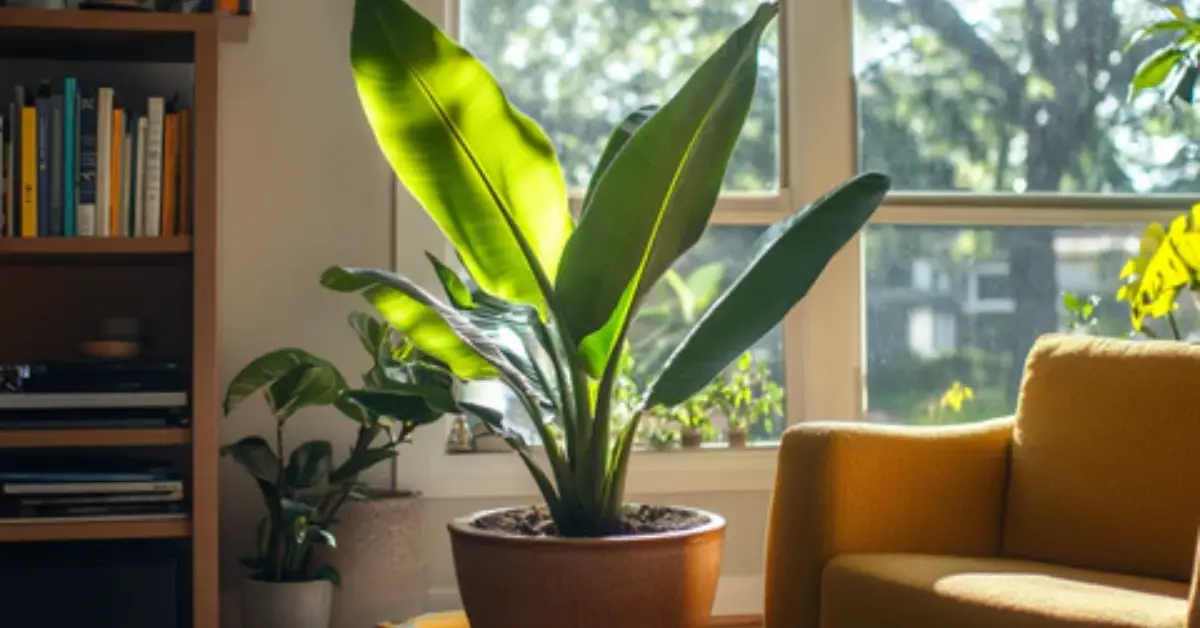
Before you pick a plant or pot, it helps to know what you’re actually growing. Bananas aren’t trees at all — they’re giant herbs. That’s why they grow fast, multiply easily, and can adapt surprisingly well to home conditions.
Banana Plant Anatomy — Pseudostem, Corm, and Suckers Explained
Think of a banana plant as a clever survivor. Instead of a woody trunk, it has a pseudostem — tightly packed layers of leaf bases that look like a stem but stay soft inside. Beneath the soil sits the corm, the plant’s powerhouse, where nutrients are stored and new growth begins.
From that corm come suckers — baby shoots that grow beside the main stem. You can use these suckers to start new plants once they’re mature enough, which means one banana can quickly turn into a small family if you care for it right.
Here’s a quick breakdown to keep things simple:
- Pseudostem: The green, stem-like base made of rolled leaves.
- Corm: Underground bulb that feeds and regenerates the plant.
- Suckers: Small offshoots used for propagation.
Once you learn how these parts work together, it becomes easier to understand what your plant needs and why — like when to prune, divide, or repot.
Common Indoor and Patio-Friendly Varieties
If you’re short on space or live in a cooler climate, these varieties are your best bet:
- Musa ‘Dwarf Cavendish’ – Compact, perfect for containers, produces small edible bananas indoors.
- Musa basjoo – Hardy variety that survives mild frost outdoors.
- Super Dwarf Cavendish – Even smaller, great for balconies and windowsills.
Each of these has its quirks, but they share one thing: adaptability. You don’t need acres of land — just a little sunlight, warmth, and the willingness to experiment.
Once you understand how your banana plant lives and grows, you stop guessing — and start creating the kind of environment it truly thrives in.
Choosing the Right Variety for Non-Tropical Homes
When I first started experimenting with banana plants, I made the same mistake most beginners do — I picked a random variety because it looked nice in the photo. What I didn’t realize was that the variety you choose determines everything: how fast it grows, how much space it needs, and whether it will survive your winters.
So before you grab the first plant that catches your eye, think about your climate and setup — are you working with a cold backyard, a sunny apartment, or a small balcony? That choice matters more than you think.
For Cooler Climates – Hardy Bananas Like Musa basjoo and Rajapuri
If you live somewhere that gets chilly winters, you’ll need a hardy variety — one that can bounce back after frost.
- Musa basjoo is my go-to for cooler regions. It’s often called the “Japanese fiber banana,” and while it doesn’t produce sweet edible fruit, it thrives outdoors even when temperatures dip close to freezing. With mulch around the base, it can survive winters down to about -6°C (20°F).
- Rajapuri is another great pick — slightly more tropical but still resilient, especially if grown in a sheltered corner or conservatory. It’s compact, steady, and forgiving if you occasionally forget to water.
Both varieties are great for gardeners who want that tropical look without worrying about harsh winters.
For Small Spaces – Dwarf Cavendish and Super Dwarf Cavendish
If you’ve got limited space, these compact bananas are perfect.
- Dwarf Cavendish grows about 5–7 feet tall — small enough for patios or large indoor pots. It produces edible fruit if it gets enough light.
- Super Dwarf Cavendish is even shorter, topping out around 3–4 feet, and fits beautifully near sunny windows or balconies.
What I love about these varieties is how quickly they adapt. They’re ideal for container growing — just keep them warm, fed, and bright.
For Ornamental Appeal – Red Banana or Ensete ventricosum
Sometimes, you don’t want fruit; you just want beauty. The Red Banana (Musa zebrina) and Ensete ventricosum deliver exactly that.
- The Red Banana has bold, green-and-maroon leaves that light up any indoor space.
- Ensete ventricosum, also known as the “Abyssinian banana,” is grown purely for its dramatic, tropical look.
These make stunning centerpieces in gardens or living rooms — perfect for anyone who wants a lush vibe without the maintenance of fruit-bearing types.
If you’re unsure which banana suits your region, the USDA Zone Chart at Tropical Permaculture can help you match varieties to your local temperature range. Knowing your zone saves a lot of heartache — and a lot of wasted pots.
Setting Up Your Banana’s Perfect Home Indoors or Outdoors

Once you’ve picked the right variety, the next step is giving it a space it can actually call home. Whether that’s a warm living room corner or a sunny patio, a banana plant only asks for three things — good soil, plenty of light, and smart drainage.
Soil: Rich, Well-Draining and Slightly Acidic (Ideal Mix Recipe)
Bananas are heavy feeders. They like soil that feels alive — full of organic matter but still loose enough to drain quickly.
Here’s a soil mix I’ve tested over the years:
- 40% high-quality compost
- 30% coconut coir or peat moss for moisture balance
- 20% perlite or coarse sand for drainage
- 10% aged manure or worm castings for nutrients
The sweet spot for pH is between 5.5 and 6.5 — just a little acidic. If your soil feels heavy or sticky, lighten it up. Bananas love moisture, but they’ll rot fast if the roots sit in soggy soil.
Light: How to Mimic Tropical Sun Indoors
If you’re growing indoors, your banana plant still wants what it would get in nature — at least six hours of bright light daily. A south-facing window works best.
If you don’t get much natural sunlight, invest in a full-spectrum grow light. I use one on a timer — 12 hours on, 12 off — and the difference is night and day. The leaves stay greener, the stems thicker, and growth steady even in winter.
Tip: Rotate your pot every few days. Bananas grow toward the light, and rotating helps them stay upright and balanced.
Pot Setup and Drainage Guide (Container Size, Placement)
For container bananas, start with a pot that’s at least 16–20 inches wide and deep. Bigger roots mean happier leaves. Make sure it has several drainage holes — no exceptions.
Before adding soil, place a 1-inch layer of gravel or broken terracotta at the bottom. It keeps excess water from pooling. When potting:
- Fill soil up to 2 inches below the rim.
- Plant your banana slightly above the soil line (not buried).
- Water deeply until it drains through the bottom.
Outdoors, choose a spot with morning sun and afternoon shade if your summers get scorching. Indoors, place the pot where light hits most of the day — ideally near glass but away from cold drafts.
Once you’ve got the soil, light, and pot right, your banana will do the rest. It’ll grow faster than you expect, and those fresh, wide leaves will start turning your space into a mini rainforest before you know it.
Step-by-Step Guide – How to Grow Banana Plants at Home
When I first started growing bananas, I wanted someone to just hand me a simple roadmap — no jargon, no guessing. After years of trial and error, this is the process I swear by. Follow these steps and you’ll have a thriving banana plant, even if your home isn’t anywhere near tropical.
Step 1 – Preparing Your Sucker or Tissue-Culture Plant
Most banana plants start from either a sucker (a small offshoot from a mature plant) or a tissue-culture seedling from a nursery.
Here’s what to do before planting:
- Remove any damaged or yellowing leaves.
- Trim long roots slightly to encourage fresh growth.
- Soak the roots in a bucket of water mixed with a few drops of liquid seaweed for 30 minutes.
This gives them a boost of natural hormones and helps with transplant shock.
If you’re planting a sucker from an old banana clump, choose one with a firm base and at least three healthy leaves. Anything smaller will struggle to establish.
Step 2 – Potting and First Watering
Once your plant is prepped, fill your container with the soil mix we discussed earlier — rich, loose, and slightly acidic.
- Make a small hole deep enough to cover the roots, leaving the top of the corm slightly above the surface.
- Pat the soil firmly but gently around the base.
- Water thoroughly until it drains through the bottom.
Tip: After the first watering, resist the urge to water again immediately. Let the top inch of soil dry slightly before the next round. Bananas love moisture but hate standing water. If you enjoy learning how different plants handle watering and soil balance, you’ll love our guide on how to grow pumpkins at home — it shares similar soil-mixing and drainage tricks that help heavy feeders thrive just like bananas.
Step 3 – Temperature and Humidity Control Tips
Bananas are all about consistency. They thrive best between 22°C and 30°C (72°F–86°F).
If you’re indoors:
- Keep the pot away from direct cold drafts or heating vents.
- Use a humidifier or a tray filled with pebbles and water beneath the pot to maintain humidity around 50–60%.
- In drier climates, mist the leaves lightly once a day.
If you notice brown leaf edges, that’s your cue — the air is too dry.
Step 4 – Regular Feeding Schedule (Compost, Banana Peels, Seaweed Tea)
Bananas are greedy feeders. They grow fast and need constant nutrition. My go-to routine:
- Every 2 weeks: Add compost tea or diluted seaweed extract.
- Once a month: Mix in a handful of worm castings or well-rotted manure.
- Occasionally: Blend banana peels with water and pour around the base — it’s full of potassium, which promotes healthy leaves and fruit.
Keep the soil fertile and soft; you’ll see visible leaf growth every few weeks. Just like bananas, other plants respond beautifully to organic feeding. Check out our guide on how to plant peas and beans in fall for simple composting and nitrogen-boosting ideas you can use across your garden.
Step 5 – Pruning, Support, and Managing New Shoots
As your plant matures, it’ll start producing suckers around the base. You’ll want to manage these carefully:
- Keep 1–2 strong suckers to replace the main plant after fruiting.
- Remove smaller or weak ones early to prevent overcrowding.
- Tie tall plants loosely to a bamboo stake for support.
When older leaves begin to yellow, trim them off to direct energy toward new growth. This keeps the plant tidy and improves airflow.
Overwintering and Cold-Climate Protection

If you live somewhere with real winters, don’t panic — you don’t have to say goodbye to your banana plant when the temperature drops. It just needs a little extra care.
Moving Potted Plants Indoors for Winter
Once temperatures fall below 10°C (50°F), bring your banana indoors.
- Place it near a bright window or under a grow light.
- Reduce watering — once every 10–14 days is enough when growth slows down.
- Avoid feeding during winter; let the plant rest.
Mulching and Wrapping for Ground-Planted Bananas
For outdoor bananas like Musa basjoo, protection is simple but crucial.
- Cut back the leaves after the first frost.
- Pile 12–18 inches of straw or mulch around the base to insulate the corm.
- Wrap the remaining stem with burlap or fleece to prevent freezing.
According to the Royal Horticultural Society, Musa basjoo can survive brief frost periods when heavily mulched and kept dry during the coldest months. The corm stores energy underground and regrows once spring warmth returns.
Seasonal timing makes all the difference in gardening. If you’re curious about managing ripening and growth during changing weather, don’t miss our practical guide on how to ripen green tomatoes — it’s a great companion read for learning how to extend growing seasons naturally.
Ideal Winter Temperature Range and Light Routine
Indoors, aim to keep the temperature around 18°C–22°C (65°F–72°F). A few hours of indirect sunlight or artificial grow light will keep it alive and ready for new growth in spring.
Common Problems and Natural Fixes
Every gardener eventually runs into issues. Don’t let a few yellow leaves or pests scare you off — most banana problems have simple, natural solutions.
Yellowing or Curling Leaves – Too Little Humidity or Nutrients
If your leaves are yellow or curled inward:
- Check your humidity — mist daily if air is too dry.
- Feed your plant — lack of nitrogen often causes pale leaves.
- Keep consistent watering; dryness followed by overwatering stresses the roots.
Root Rot – Drainage and Overwatering Fix
Root rot happens fast in soggy soil.
- Always ensure drainage holes are clear.
- Let soil dry slightly between waterings.
- If you spot black or mushy roots, trim them off and repot in fresh, airy mix.
Tip: Adding perlite or coarse sand to your potting mix prevents future waterlogging.
Powdery Mildew and Pest Control Using Natural DIY Sprays
White patches or tiny insects usually appear when air circulation is poor. You can make a safe, natural remedy DIY spray:
- Mix 1 tablespoon of baking soda with 1 teaspoon of vegetable oil and a few drops of mild soap in a litre of water.
- Spray lightly on affected leaves every few days until it clears.
It works on powdery mildew, aphids, and spider mites — all without harming your plant or indoor air quality.
When and How to Expect Fruit Indoors
One of the biggest questions people ask is, “Will my indoor banana actually grow fruit?” The answer is yes — but patience is key.
Fruiting Timeline (12–18 Months)
Under the right conditions — warmth, bright light, and regular feeding — dwarf varieties can start producing flowers within 12 to 18 months. Don’t worry if yours takes longer; the fruiting stage depends heavily on light hours and soil health.
Signs Your Plant Is Ready to Bloom
You’ll notice a thick central stem forming, followed by a large purple flower bud. That’s your first signal. Keep the soil moist, feed lightly, and avoid moving the pot during this stage — any sudden change can stress the plant.
How to Pollinate and Support Fruit Growth Indoors
Indoor plants may need a little help with pollination since there are no natural pollinators around.
- Use a small paintbrush to gently transfer pollen between the male and female flowers.
- Support the heavy flower stalk with a soft tie to prevent it from bending.
Within weeks, small green bananas will begin forming — and that’s the real reward for your patience.
Once you see those first tiny bananas, it’s hard not to smile — because by then, you’ll know you’ve created your own slice of the tropics, right in your living room.
Harvesting, Repotting, and Long-Term Maintenance

Once your banana plant has reached the fruiting stage, the real reward begins. But even after harvest, your job as a grower isn’t over — it’s just shifting gears. Bananas are perennial in nature, meaning that while the main stem dies after fruiting, new life is already waiting to take its place.
When and How to Harvest Safely
Timing is everything. Harvest too early and the bananas won’t ripen properly; wait too long and the stalk may snap from the weight.
Here’s how I do it:
- Wait until the fruit is plump, evenly green, and a few bananas show a faint yellow tint.
- Use a sharp, clean knife or pruning saw to cut the stalk about 6 inches above the bunch.
- Support the stem as you cut — it can be surprisingly heavy.
- Hang the bunch in a shaded, ventilated spot to ripen naturally over several days.
After harvesting, cut down the fruiting pseudostem at the base. Don’t worry — this is normal. The energy now shifts to the next sucker that’s already growing beside it.
Dividing Suckers and Starting New Plants
One of the most satisfying parts of banana growing is propagation. Each mature plant produces multiple suckers (also called pups) around its base, which can become new plants of their own.
To divide them safely:
- Wait until a sucker is about 3 feet tall and has a few strong roots of its own.
- Gently dig around the base and separate it from the mother corm using a sharp knife.
- Replant the sucker in a fresh pot or new spot with rich, well-draining soil.
Keep it in partial shade for the first week while it adjusts, then move it back into full sun. This way, one banana plant can turn into an entire mini grove within a few years.
How to Repot for Second-Year Growth
Bananas grow fast — and that means they outgrow their pots fast too. After about 12–18 months, you’ll notice roots creeping out of the drainage holes or circling the top of the soil. That’s your cue.
Here’s what to do:
- Choose a new pot 2–3 inches wider than the old one.
- Trim away any dead roots before replanting.
- Add a fresh layer of compost or organic soil mix around the sides.
- Water deeply and keep in light shade for a few days before returning to full sun.
Repotting rejuvenates the root system and gives your plant another strong year of growth — often leading to earlier flowering the next time around.
Quick Reference Table – Banana Plant Care Summary
| Care Aspect | Ideal Condition / Range | Notes & Fixes |
|---|---|---|
| Light | 6–8 hours of bright, indirect sunlight daily | Use grow lights indoors if natural light is limited |
| Soil pH | 5.5–6.5 | Slightly acidic, well-draining organic soil mix |
| Humidity | 50–60% | Mist leaves or use pebble trays in dry climates |
| Fertilizer | Every 2 weeks during growing season | Alternate between compost tea and seaweed solution |
| Temperature | 22°C–30°C (72°F–86°F) | Protect from frost and cold drafts |
| Common Issues | Yellow leaves, root rot, pests | Adjust watering, improve drainage, use natural sprays |
| Propagation | Divide suckers at 3 ft height | Replant in fresh mix for easy new growth |
This table is worth bookmarking — it gives you all the core facts at a glance, perfect for a quick check during each growth phase.
Final Takeaways – Turning Patience into Fruit
Growing bananas at home isn’t about chasing perfection; it’s about creating consistency. You’ve learned how to:
- Pick the right variety for your climate and space.
- Set up the ideal soil, light, and container.
- Manage feeding, pruning, and overwintering naturally.
- Harvest fruit safely and propagate for the next generation.
It’s not just a plant — it’s a cycle of growth, renewal, and reward. Once you understand the rhythm, the process becomes effortless.
If you’ve read this far, you already have what it takes — patience, curiosity, and care. Your non-tropical banana can thrive beautifully, even on a city balcony or by your kitchen window. It doesn’t need a jungle; it just needs you to listen and respond.
Have you tried growing your own banana plant yet? Share your experience or questions in the comments below — I’d love to hear how your journey’s going.
For more guides like this and simple, real-life gardening wisdom, visit Plant Care Dairy — where every plant gets the care it deserves.
Disclaimer: The information in this guide is based on personal experience and general gardening knowledge. Always adjust care methods to suit your local climate and growing conditions. Avoid using any chemical products indoors unless verified as plant-safe. Plant Care Dairy is not responsible for results that vary due to individual environments or practices.