
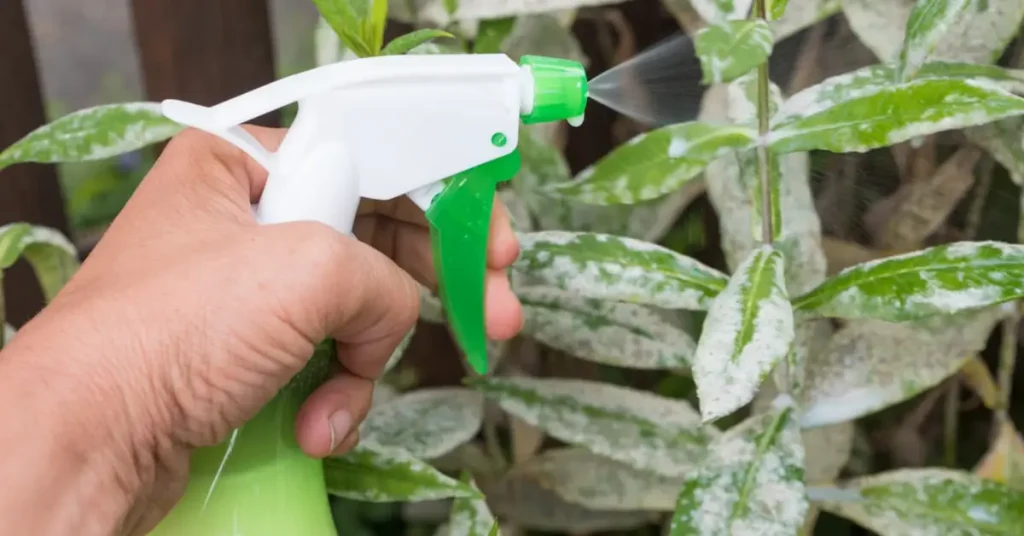
I still remember the first time I noticed that strange white dust creeping across my rose leaves. At first, I thought it was pollen or maybe a bit of dirt after watering. But within a few days, it had spread—soft, chalky patches covering the new growth. That’s when I learned the hard way: it wasn’t dust at all. It was powdery mildew, one of the most stubborn and frustrating garden problems you’ll ever face.
If you’ve seen it before, you know exactly what I mean. It shows up out of nowhere, turns your healthy green leaves dull and gray, and spreads faster than you can react. And while every store shelf seems packed with chemical fungicides promising quick fixes, I’ve never been comfortable spraying those around the plants I eat from or the soil I’ve spent years improving.
Over time, I realized there’s another way—gentler, safer, and just as effective if you know how to do it right. You don’t need harsh chemicals or expensive products. You just need to understand what causes mildew in the first place and use the right natural remedy to stop it before it takes over.
In this guide, I’ll show you exactly how to use milk spray to stop powdery mildew naturally—why it works, the correct ratios, and how to apply it without harming your plants. Think of it as your garden’s quiet little secret: simple, safe, and surprisingly powerful.
Before we dive in, tell me—have you ever tried using milk spray in your garden, or is this your first time hearing about it?
Why Gardeners Swear by Milk Spray for Powdery Mildew
When I first heard about using milk to treat powdery mildew, I’ll be honest — it sounded a little ridiculous. Milk? On plants? But then I started seeing photos online — gardeners from California to Queensland proudly sharing before-and-after shots of their roses, zucchinis, and cucumbers that looked like they’d been revived overnight.
Here’s why so many gardeners swear by it:
- It’s safe — no toxic residue or risk to pets, bees, or soil life.
- It’s cheap — just a splash of milk and water from your kitchen.
- It’s simple — no fancy mixing, protective gear, or waiting periods.
For anyone who’s ever watched their plants struggle and didn’t want to resort to harsh chemicals, milk spray feels like a small miracle in a bottle — humble, natural, and surprisingly powerful.
What Causes Powdery Mildew in the First Place
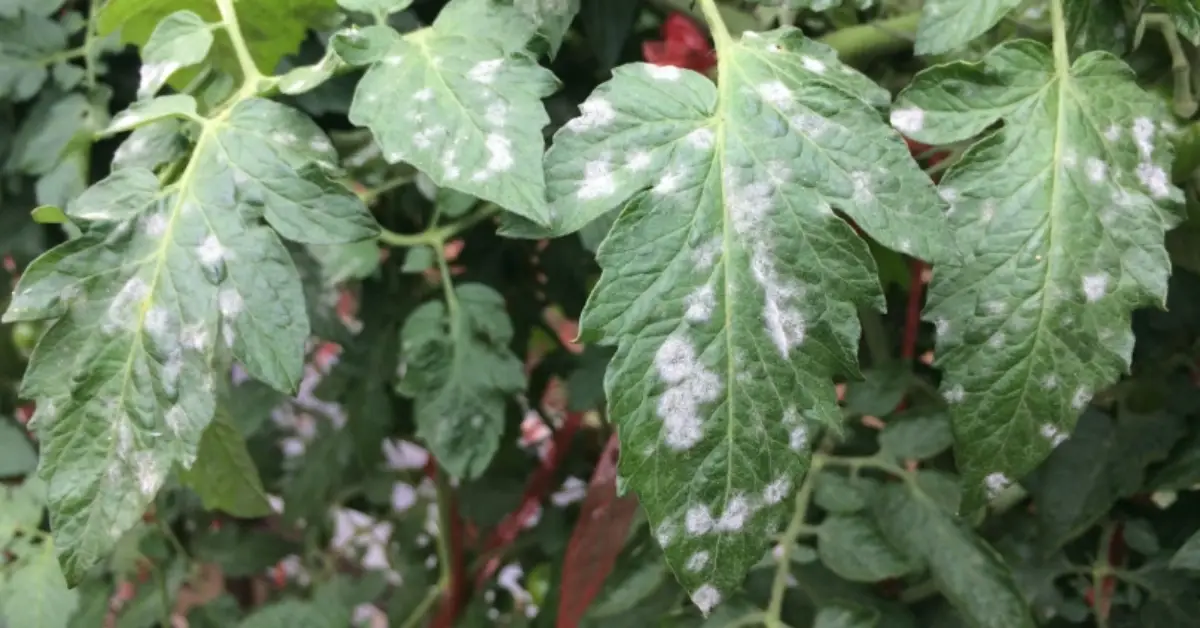
Before you grab that spray bottle, it’s worth understanding what you’re really fighting. Powdery mildew isn’t just a random dusting that appears on your leaves — it’s a fungal disease that thrives when conditions are just right: warm days, cool nights, and plenty of humidity.
I’ve learned that even the healthiest gardens can fall victim when airflow is poor or when plants are packed too close together. The fungus settles on the surface of leaves, feeding on their nutrients and slowly weakening the plant’s ability to grow or bloom.
You’ll most often see it on:
- Roses, especially in shaded corners or humid climates.
- Squash and cucumbers, where dense foliage traps moisture.
- Peas, beans, and tomatoes, when the season shifts from warm to cool. If you’ve noticed not just white powder but also tiny holes or bite marks on your leaves, it could be a sign of another issue altogether — here’s what those tiny holes in plant leaves really mean.
And the damage isn’t just cosmetic. According to the University of California Agriculture and Natural Resources, powdery mildew can reduce crop yield by up to 40% in susceptible plants if left untreated. That’s a huge loss — and one that many gardeners only notice when it’s too late.
The good news? Once you know what triggers it, you can control it naturally. Clean airflow, morning watering, and a little preventive care go a long way — and when the white powder does show up, milk spray can be your safest and most reliable ally.
How Milk Spray Works — The Science Behind the Hack
If you’ve ever wondered why milk spray actually works, here’s the part that most quick-fix guides skip — the science. It turns out milk isn’t just a harmless coating on your leaves; it’s doing real biochemical work against the fungus.
Inside every drop of milk are proteins like lactoferrin, which can disrupt the structure of fungal spores. When you spray a diluted milk solution on your plants, those proteins sit on the leaf surface. Then, when sunlight hits, they react with ultraviolet (UV) light — and that’s where the magic happens. The reaction releases oxygen radicals that damage and destroy the fungal cells responsible for powdery mildew.
It’s a gentle process for the plant, but a deadly one for the fungus. Think of it like using sunlight and milk together as a tiny chemical shield — invisible but active.
And yes, before you ask — this only works with real milk. Plant-based alternatives like soy or almond milk lack the essential proteins and compounds that make this reaction possible. They might smell nice, but they won’t help your plants.
So when you’re preparing your spray, remember: milk isn’t a gimmick — it’s biology working in your favor.
Choosing the Right Milk Type (and Why It Matters)
Not all milk is created equal — and I learned that the hard way. After my first few sprays, I wondered why my results weren’t as impressive as those before-and-after pictures I’d seen online. The reason? I was using the wrong kind of milk.
Here’s what really matters:
- Skim Milk: Works perfectly well for most cases. It has fewer fats but plenty of proteins — and those are what fight mildew.
- Whole Milk: Slightly richer in nutrients, which can leave a faint film if used too often. Use it sparingly or dilute more heavily.
- Powdered Milk: A great backup option when you don’t have fresh milk. Just reconstitute it with water before mixing your spray.
In most garden trials, the sweet spot was between 1 part milk to 9 parts water (10%) for prevention, and up to 40% milk concentration (40:60 ratio) for visible infections. You can imagine this as a simple infographic: a spray bottle showing two marked levels — one for prevention, one for treatment.
A lot of gardeners assume that the more fat, the better the results — but that’s a myth. It’s not the fat that helps; it’s the proteins and natural enzymes. Too much fat can even cause residue buildup or unpleasant odors in the heat.
If you’re still unsure, stick to low-fat or skim milk. It’s effective, clean, and proven. According to The Spruce, both types perform well as long as you maintain the right dilution and spray regularly in sunlight.
Your goal isn’t to coat the leaves thickly — it’s to create a light, even layer that activates when the sun hits. Once you get the ratio right, you’ll see why this humble kitchen staple keeps showing up in serious gardening conversations.
Step-by-Step: How to Make and Apply Milk Spray Correctly

Once you understand how milk spray works, the next step is getting the mix and method right. It’s not complicated — but precision matters. Too weak, and it won’t do much; too strong, and you’ll end up with sticky leaves or a sour smell.
Here’s everything you need to get started:
You’ll need:
- Fresh milk (cow’s milk, not plant-based)
- Water (room temperature, preferably filtered)
- A clean spray bottle or garden sprayer
Now, follow these simple steps:
- Mix the solution – Combine 1 part milk with 9 parts water for prevention. If your plants already show signs of infection, increase to a 40:60 ratio.
- Shake well – Make sure the mixture is evenly blended so the proteins disperse properly.
- Spray thoroughly – Coat both the tops and undersides of the leaves until they’re lightly misted, not dripping.
- Reapply every 7–10 days – Repeat after rainfall or heavy watering, since moisture can wash away the film.
- Pro tip: Apply in the early morning, when the light is bright but not harsh. Sunlight helps activate milk’s antifungal compounds, but midday heat can cause leaf burn or spoilage.
It might seem like a small thing, but the timing makes a world of difference. If you’re treating multiple plants, label your bottle and make small batches — the mix loses potency after a few days. A light, even mist is all it takes to keep your garden mildew-free without harsh chemicals.
Common Mistakes Gardeners Make (and How to Avoid Them)
I’ve seen a lot of gardeners give up on milk spray simply because of avoidable mistakes. It’s easy to think, “If some is good, more must be better,” but with natural remedies, balance is everything.
Here are the most common pitfalls — and how you can sidestep them:
- Over-spraying: More milk doesn’t mean better results. Heavy coatings can cause leaf burn, sour smells, or mold. Always spray just enough to cover the surface lightly.
- Spraying in full sun: Midday heat can curdle the milk and damage tender leaves. Stick to mornings or late afternoons when the sunlight is gentle.
- Ignoring air circulation: Powdery mildew thrives in still air. Trim dense growth, space your plants properly, and let the leaves breathe. Good airflow not only helps prevent mildew but also keeps away pests like whiteflies that thrive in humid conditions. If you’ve noticed small white insects hovering near your plants, here’s how to get rid of whiteflies naturally without chemicals.
- Skipping cleanup: Always remove and discard infected leaves before spraying. Spraying over active fungus only delays the problem — it doesn’t remove it.
Every garden is different, and it might take a couple of tries to find the perfect rhythm for your conditions. But once you do, the results speak for themselves: cleaner leaves, fewer chemicals, and a healthier, more balanced garden ecosystem.
Does Milk Spray Work for All Plants? (Real-World Results)
By now, you’re probably wondering — does this trick actually work on every plant? The short answer: mostly, yes. But the results can vary depending on the plant type, environment, and how early you catch the mildew.
In my experience, roses and cucurbits (like zucchinis and cucumbers) respond the best. Their leaves tend to absorb and hold the milk film evenly, giving the antifungal compounds more surface time to work. Ornamental plants like dahlias, gerberas, and even petunias can also benefit, though lighter sprays are safer for delicate leaves. Sometimes, the problem isn’t just mildew but hidden soil disruptions caused by ant colonies. If you’ve spotted mounds forming near your plant roots, here’s how to get rid of ant hills without harming your plants.
If you’re treating veggies, flowers, or ornamentals, just remember this: the earlier you catch the infection, the better milk spray performs. Once the fungus goes deep into the stems or buds, it’s time to use stronger methods.
Comparing Milk Spray vs Other Natural Remedies
There’s no shortage of DIY garden sprays out there — baking soda, neem oil, vinegar, even hydrogen peroxide. But not all are equally gentle or effective. Here’s how milk spray stacks up against the rest:
| Remedy | How It Works | Pros | Cons |
|---|---|---|---|
| Milk Spray | Proteins + sunlight create antifungal compounds that damage spores | Safe for food crops, non-toxic, improves leaf health | Needs consistent reapplication; can smell if overused |
| Baking Soda Spray | Raises pH on leaf surface to stop fungal growth | Cheap and effective on some ornamentals | Can burn leaves at high strength; needs careful dilution |
| Neem Oil | Natural insecticidal and antifungal properties | Controls multiple pests and diseases | Oily residue, harmful to pollinators if sprayed during bloom |
| Vinegar Spray | Acidity disrupts fungal membranes | Works for minor surface infections | High risk of leaf burn, not suitable for edible plants |
| Hydrogen Peroxide | Oxidizes fungal cells | Fast-acting on contact | Can damage tender foliage, short lifespan once mixed |
Storage, Shelf Life, and Reapplication Tips
One thing I rarely see covered in most guides is how to store milk spray properly. Since milk is perishable, you can’t just mix a big batch and forget about it.
Here’s what I’ve learned from experience:
- Refrigerate your mix — A diluted milk solution can last up to 5 days in the fridge. After that, it starts to sour and lose potency.
- Shake before every use — The proteins settle quickly, and you want them evenly distributed for best results.
- Keep it away from sunlight — Direct light breaks down the compounds that make milk antifungal. Store it in a cool, dark place or use opaque bottles.
- Reapply weekly — During warm, humid months, mildew can reappear fast. A light weekly spray keeps the protective layer active.
If you ever notice a sour smell or curdled texture, it’s time to toss the mix and make a fresh batch.
When to Call It Quits — Recognizing When Milk Spray Isn’t Enough

As much as I love natural solutions, there are times when milk spray just can’t keep up. If the infection spreads faster than you can control it, your plant might be dealing with a systemic fungal infection — meaning the fungus has already invaded the stems and buds.
Here’s when you should consider taking stronger action:
- The leaves are curling or wilting despite treatment.
- New growth is already infected within a few days.
- White coating covers over 40% of the plant.
In these cases, prune the affected areas, improve air circulation, and switch to organic sulfur-based fungicides or biological treatments as a backup. They’re still relatively safe but much stronger for advanced infections.
Think of milk spray as your first line of defense — not the last resort.
Final Takeaway — A Natural Remedy That Actually Works
Milk spray isn’t a miracle cure, but it’s as close as you can get to one in an organic garden. It’s safe, affordable, and backed by real science, yet it still feels like a homegrown secret passed between gardeners.
The key is consistency — applying it regularly, keeping good airflow, and staying alert for early signs of infection. When used right, it’s proof that nature already gives us most of what we need to protect our plants.
So next time you spot that faint white dust on your leaves, skip the chemical aisle and head for the fridge. Your plants — and the bees — will thank you.
Have you tried milk spray in your garden yet? Share your experiences in the comments below. For more natural garden hacks, visit Plant Care Dairy — where real gardeners grow, learn, and thrive together.
Disclaimer: This article is for informational purposes only and reflects personal gardening experience and publicly available research. Always test any spray on a small section of your plant first and follow local guidelines for organic treatments. Plant Care Dairy is not responsible for any damage resulting from improper use or application.