

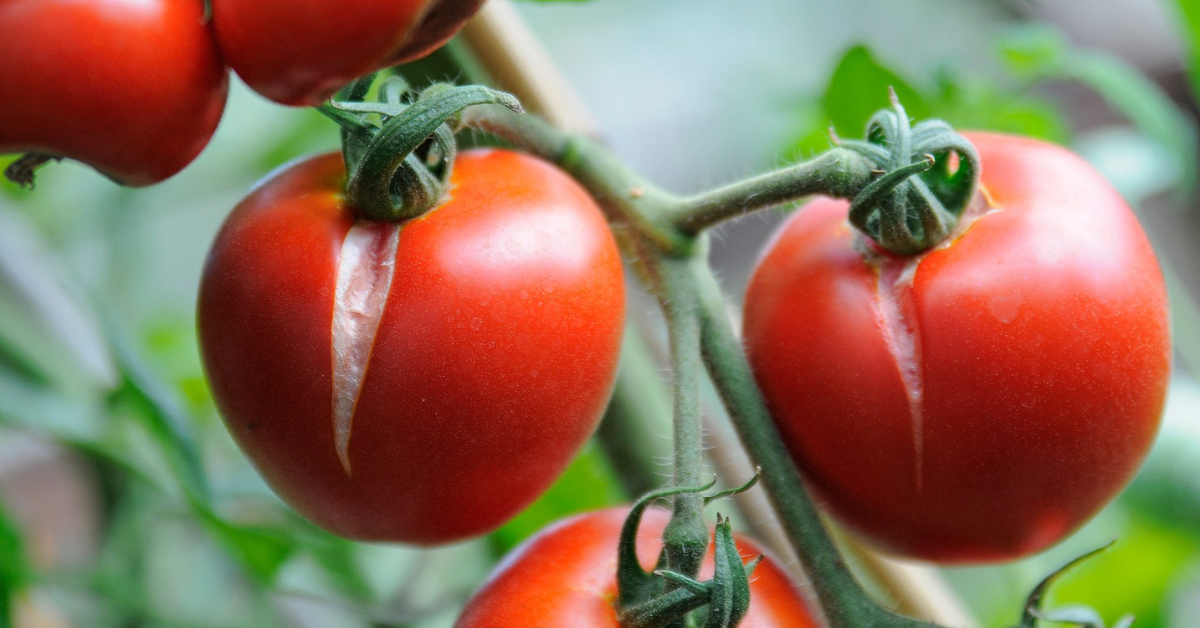
If you’ve ever found a perfectly ripe tomato in your garden, only to discover it’s split open, you’re not alone. As a gardener, there’s nothing quite as frustrating as putting time and care into your plants, only to see them ruined by a common but baffling issue. Tomato splitting, while common, often feels like an unwelcome surprise, especially when you’ve done everything right.
But don’t worry — this isn’t the end of your tomato-growing dreams. Understanding why it happens and what you can do to prevent it is the first step toward healthier, more resilient plants. In this article, I’m going to walk you through the main causes of tomato splitting and share some practical tips to keep your tomatoes intact and thriving.
Ready to stop your tomatoes from cracking and spoil your harvest less? Let’s dive in.
What Causes Tomatoes to Split?
If you’ve ever noticed cracks appearing on your ripe tomatoes, you’re probably wondering, why does this happen? Let’s break it down. Understanding the causes behind tomato splitting will help you pinpoint what went wrong and how you can avoid it in the future. Here’s what might be causing your tomatoes to split:
Watering Fluctuations – A Major Cause
One of the biggest culprits behind tomato splitting is inconsistent watering. It’s easy to overlook, but how and when you water your tomatoes plays a huge role in their growth and overall health. Here’s how:
- Irregular watering can stress the plant, causing the fruit to absorb moisture unevenly. When tomatoes experience a dry period followed by heavy watering, they take in a large amount of water quickly.
- This rapid absorption causes the tomato to expand quickly, which leads to the skin cracking under the pressure.
So, what can you do? Consistency is key. Aim to water deeply and regularly, especially during dry spells, but avoid the temptation to overwater all at once. Keeping the soil evenly moist will help keep the skin intact and prevent cracking. If you’re concerned about maintaining consistent watering practices, especially when you’re away from your garden, check out these watering care tips to keep your tomatoes healthy and thriving, even during vacation.
According to the RHS, fluctuations in soil moisture levels — especially heavy watering after a dry spell — can cause tomatoes to split.
Rapid Growth Due to Excessive Rain
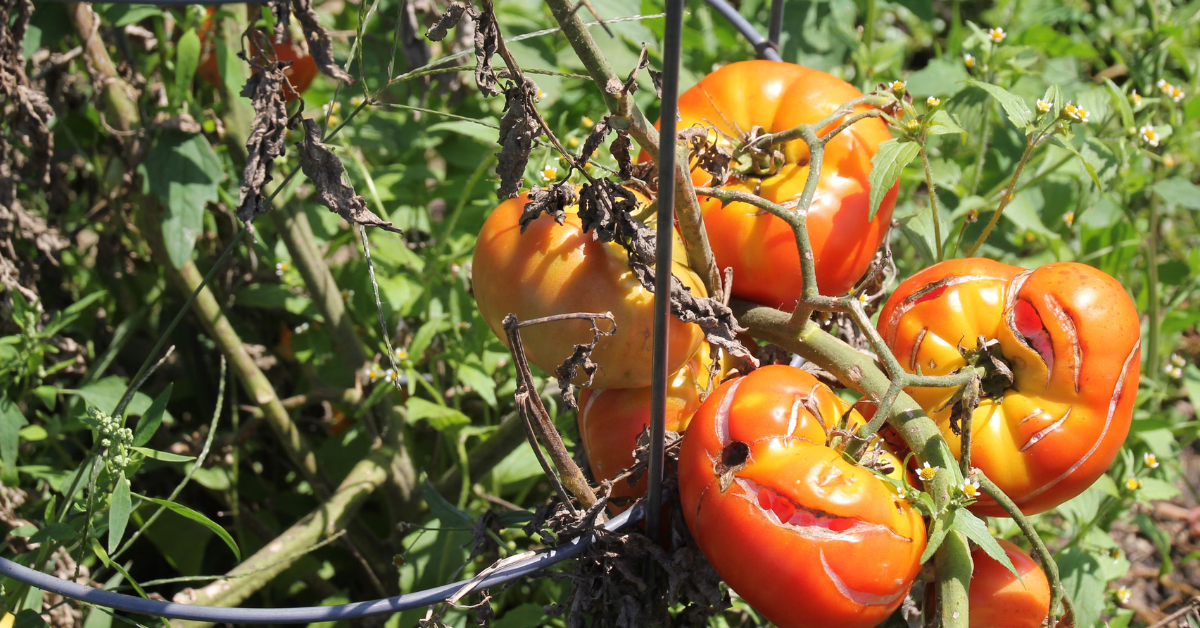
While we can’t control the weather, it can still play a major role in tomato splitting. If you’ve been dealing with heavy rainfall in your area, this could be a factor. Here’s why:
- When tomatoes get a sudden surge of water, they can swell rapidly, which puts pressure on the skin.
- Excessive rain, especially followed by sunny, warm weather, can cause tomatoes to grow faster than the skin can handle, leading to cracks.
The temperature shifts combined with heavy rain create an environment where the tomatoes expand too quickly for the skin to keep up. If you live in a region with unpredictable weather patterns, this might be something you’ve experienced. Excessive rain not only causes splitting but can also contribute to tomatoes not ripening properly. If you’re facing issues with ripening tomatoes, here’s how to troubleshoot and fix the problem fast.
- Tip: If you’re expecting heavy rain, consider covering your tomatoes with a tarp or using mulch to keep moisture levels more consistent.
Tomato Variety and Genetics
Did you know that some tomato varieties are more prone to splitting than others? Genetics play a huge role in how your tomatoes react to different conditions. Here’s what you should know:
- Heirloom tomatoes, known for their unique colors and flavors, tend to have thinner skins, making them more susceptible to splitting.
- Hybrid tomatoes, however, are typically bred for stronger, more resilient skins that can withstand fluctuations in water and weather.
If you’re growing heirloom varieties, be extra cautious with your watering and weather conditions. You might want to opt for hybrids if you’re looking for tomatoes that are more resistant to splitting, especially if you’re dealing with inconsistent weather.
How Can You Prevent Tomatoes from Splitting?
Now that you know what causes tomatoes to split, you’re probably asking, how can I stop it from happening? Don’t worry, there are simple, actionable steps you can take to reduce the chances of your tomatoes cracking. Let’s get into it:
Consistent Watering Practices
One of the easiest ways to prevent tomato splitting is by maintaining consistent watering practices. Here’s what you need to do:
- Water deeply and consistently rather than opting for light, frequent sprinklings. This ensures that the soil remains evenly moist and your tomatoes won’t experience sudden water surges.
- Try to water in the morning to reduce the chance of excess moisture on the plant’s skin, especially during cooler evening hours. This helps prevent cracks from forming when the water is absorbed too quickly.
A consistent watering schedule reduces stress on the plant, giving it the hydration it needs without risking splitting.
Mulching to Retain Soil Moisture
Mulch is your best friend when it comes to controlling soil moisture and preventing tomato splitting. Here’s how it works:
- Mulching around your tomato plants helps retain moisture, keeping the soil consistently hydrated and cool.
- Mulch also prevents the surface soil from drying out too quickly, reducing the chance of water fluctuations that can lead to cracks.
Applying a thick layer of organic mulch, like straw or compost, will ensure that your plants get a steady, even supply of water, which is crucial in maintaining healthy tomatoes.
Pruning and Supporting Your Plants
Proper pruning and support for your tomato plants can significantly reduce stress, preventing conditions that lead to splitting:
- Prune excess branches to ensure that the plant’s energy is focused on producing fruit, rather than over-growing. This will reduce overall stress on the plant.
- Use tomato cages or stakes to support the plant and prevent branches from snapping under the weight of the fruit. When plants are supported, the tomatoes grow more evenly and face less physical strain, reducing the risk of cracks.
By maintaining good plant structure, you give your tomatoes the best chance to grow healthily, with less stress on the fruit.
Harvesting at the Right Time
Timing is everything when it comes to harvesting tomatoes. Here’s what you should keep in mind:
- Harvest your tomatoes when they are still firm and slightly green, rather than waiting for them to be fully ripe. This helps avoid the rapid expansion that occurs in overripe fruit.
- If you wait too long to harvest, especially in fluctuating weather, the tomato will grow too quickly, increasing the chances of splitting.
By timing your harvest just right, you prevent the fruit from swelling too quickly and cracking under the pressure.
Harvest tomatoes when they are still firm and slightly green to avoid the rapid swelling that causes splitting.
Common Myths About Tomato Splitting – Debunking Misconceptions
Gardening is full of advice, but not all of it is based on facts. Let’s clear up some of the most common myths about tomato splitting and get you back on track with the truth. These misconceptions might be making you worry unnecessarily or steer you in the wrong direction. Let’s set the record straight.
Does Over-Fertilizing Cause Splitting?
One of the most widespread myths about tomato splitting is that over-fertilizing is a direct cause. While it’s true that too much fertilizer can harm your plants in many ways, causing a lack of nutrient balance, it doesn’t actually cause tomatoes to split. Here’s the truth:
- Excess fertilizer can lead to weak stems, excessive leaf growth, or even burnt roots, but it doesn’t directly cause cracking or splitting of the fruit.
- The real culprit behind splitting is often watering fluctuations, weather changes, and the genetics of the tomato variety, as discussed earlier.
So, if you’ve been worried about the amount of fertilizer you’re using, it’s time to breathe easy. Focus on balanced feeding instead of worrying about too much fertilizer.
Can Splitting Be a Sign of Disease?
Another common myth is that splitting tomatoes could be a sign of disease. While this might sound alarming, splitting is typically caused by environmental factors, not a pathogen or pest. Here’s why:
- Diseases like blight or fusarium wilt show up in different ways, often affecting leaves, stems, or the overall plant health. Splitting, on the other hand, is primarily linked to issues like irregular watering, excessive rain, or the genetic traits of the tomato. While splitting is typically not a sign of disease, it’s always good to know what common tomato plant diseases look like. Learn how to identify and treat common tomato diseases to ensure your plants remain healthy.
- If your tomatoes are cracking, the problem is likely from rapid growth or moisture fluctuations, not an infection.
You can rest easy knowing that unless you notice wilting, discoloration, or unusual spots on your tomatoes, splitting is just a growth issue — not a disease.
Expert Tips for Growing Healthy Tomatoes
Now that we’ve busted those myths, let’s focus on practical, expert-backed tips for growing healthy tomatoes that are less likely to split. These insights will help you elevate your gardening game and avoid common pitfalls.
Choosing the Right Tomato Variety for Your Area
Did you know that tomato varieties play a huge role in preventing splitting? Here’s how:
- Certain tomato types are bred to be more crack-resistant, making them perfect for regions with unpredictable weather or high rainfall.
- If you live in an area with extreme weather fluctuations, choosing the right variety can save you a lot of heartache. Look for tomatoes that are labeled as “crack-resistant” or “rain-resistant”.
By selecting the right variety, you can grow tomatoes that are naturally more resistant to splitting, reducing your chances of dealing with cracked fruit.
Understanding Soil Conditions for Healthy Tomatoes
Your soil plays a major role in the health of your tomatoes. If your soil is too acidic or too alkaline, it can stress the plant and make it more prone to splitting. Here’s what you need to know:
- Soil pH and nutrient balance are crucial for healthy tomato plants. Soil that is too acidic or too alkaline can affect the plant’s ability to absorb nutrients, leading to stress and potentially cracking the fruit.
- Make sure to test your soil’s pH and adjust it to the optimal range for tomatoes (6.0–6.8 pH). Adding organic compost or well-balanced fertilizers can also help improve soil health.
Taking a little time to test and improve your soil will give your tomatoes a better foundation for healthy growth, making them more resilient to splitting.
Conclusion: Keep Your Tomatoes Healthy and Crack-Free
By now, you’re equipped with the knowledge to keep your tomatoes healthy and crack-free. Remember, consistency is key — whether it’s watering, mulching, or choosing the right variety, the small steps you take today will lead to a bountiful harvest tomorrow. By implementing these practical tips, you’ll not only prevent splitting but also enjoy healthier, more resilient plants all season long.
Start implementing these strategies today and watch your tomatoes grow healthy and split-free. Share your gardening tips and experiences in the comments below — I’d love to hear how you’ve managed tomato splitting. And for more expert gardening advice and tips, visit us at Plant Care Dairy — your go-to resource for all things plants and garden care!
Disclaimer: The information provided in this article is for general gardening guidance. Results may vary depending on local climate, soil conditions, and gardening practices. Always consider consulting a local expert or horticulturist for personalized advice.