

I still remember the first time I tried growing shrubs in pots. I’d filled my small balcony with herbs and flowers, but something was missing — structure. Everything looked flat, seasonal, and gone too soon. Then I planted my first lavender in a clay pot. It not only survived, it thrived. The scent, the texture, the way it pulled bees to my railing — that one plant completely changed the space.
If you’ve ever thought shrubs were only for big gardens, I’ve got good news. Many of the most beautiful ones — hydrangeas, hebes, camellias, and even dwarf conifers — do perfectly well in pots. You don’t need fancy soil or hours of pruning; just the right container, sunlight, and a little consistency.
In this guide, I’ll show you ten shrubs that make container gardening easy and rewarding, even for beginners. You’ll learn which plants suit your climate, how to keep them healthy year-round, and a few tricks to make your small space look effortlessly lush.
So before you buy another short-lived flower, ask yourself — what if your next pot could stay green, bloom, and grow with you season after season?
When you’re planting shrubs in containers, what happens before you plant often decides whether your garden thrives or struggles. If you love growing in tight spaces, you might also enjoy learning how to grow green onions easily in small containers — it’s another quick win for balcony or patio gardeners. I learned this the hard way — overwatering one pot, under-lighting another, and wondering why one shrub looked like it was giving up on life. The truth is, pots create a world of their own. Once you understand that small ecosystem, everything starts to click.
What to Know Before You Plant
Choose the Right Pot — Size and Material Matter
A shrub’s roots don’t just need space; they need air and drainage. Go for pots that are at least 12–18 inches deep, depending on the shrub’s mature size. Bigger is always better for long-term growth.
- Terracotta pots breathe well and prevent soggy roots.
- Plastic or resin pots retain moisture better — perfect if you live somewhere hot or forget to water often.
- Always make sure there’s a drainage hole at the bottom. No exceptions.
Pro Tip: Line the base with a thin layer of broken pottery or stones to keep soil from clogging the holes.
Light and Microclimate — Observe Before You Plant
Every balcony, patio, or yard has its own little climate. Some corners get sun all day; others stay cool and damp.
- Full sun shrubs like lavender and rosemary thrive in six or more hours of direct light.
- Partial shade lovers like hydrangea or camellia prefer softer morning light.
- If your space gets both, mix it up — use taller pots to raise sun-lovers higher while shaded pots sit closer to walls.
Spend a few days watching how light moves across your space before deciding what goes where. It’ll save you months of frustration.
(You can find practical light mapping tips in BBC Gardeners’ World Magazine)
Soil Mix That Makes or Breaks Growth
Shrubs in containers rely completely on the soil you give them. A poor mix can stunt growth or cause waterlogging. Here’s a simple, reliable recipe:
- 2 parts compost (for nutrients)
- 1 part horticultural grit or perlite (for drainage)
- 1 part garden soil (for stability)
Add a layer of mulch on top to retain moisture and prevent weeds. Replenish it every few months — container soil loses nutrients faster than garden beds.
3 Signs Your Container Is Too Small
If your shrub seems unhappy, your pot might be the problem. Watch out for:
- Roots circling or growing out of the bottom holes
- Soil drying out just hours after watering
- Leaves yellowing or growth slowing despite good care
If you spot two or more of these, it’s time to repot into something larger before the roots suffocate.
10 Best Shrubs to Grow in Pots and Containers
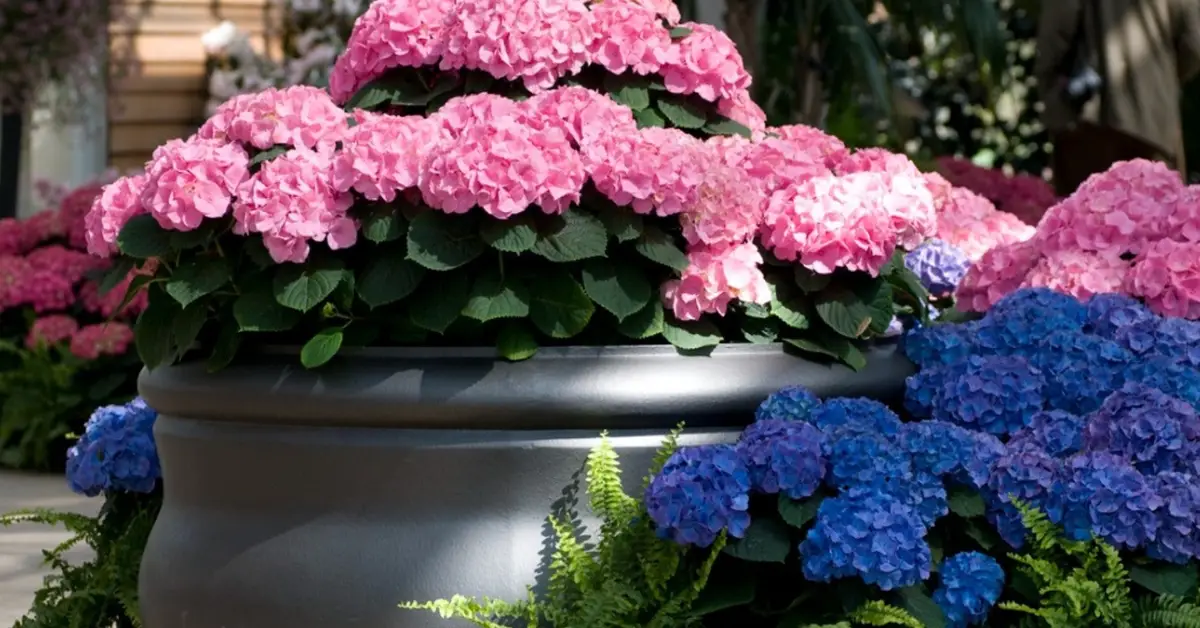
You don’t need a huge garden to enjoy greenery that lasts all year. These shrubs are hardy, forgiving, and ideal for container life — perfect if you’re new to this.
1. Lavender
Compact, fragrant, and made for sunshine. It thrives in dry conditions and attracts pollinators. Keep it near a doorway or window for the scent.
Care tip: Let the soil dry between waterings; lavender hates “wet feet.”
2. Boxwood (Buxus sempervirens)
A timeless evergreen that gives structure to small spaces. You can shape it into spheres or low hedges for a formal look.
Care tip: Avoid overwatering — boxwood prefers slightly dry soil.
3. Hydrangea
If you want big, dramatic blooms, hydrangeas are unbeatable. They love partial shade and plenty of water in summer.
Care tip: Add acidic soil for blue flowers; alkaline for pink.
4. Japanese Skimmia
Evergreen with glossy leaves and scented spring flowers. Ideal for shaded patios.
Care tip: Use ericaceous compost for best results.
5. Dwarf Rhododendron
Small, bright, and perfect for cool, shaded areas. It adds rich colour in spring.
Care tip: Keep soil moist but not soggy; prefers rainwater if possible.
6. Hebe
A compact evergreen that blooms from summer into autumn. Great for small patios or borders.
Care tip: Trim lightly after flowering to keep shape neat.
7. Rosemary
This one gives you scent, structure, and something for the kitchen. It loves sun and poor soil — the less fuss, the better.
Care tip: Don’t overfeed; too much fertiliser weakens the flavour.
8. Dwarf Conifer
Adds texture and winter greenery when everything else fades. Choose slow-growing varieties for easy care.
Care tip: Avoid moving it too often; conifers prefer stability.
9. Camellia
Blooms beautifully in late winter or early spring when most plants are resting. Loves cool shade.
Care tip: Keep soil acidic and protect from harsh afternoon sun.
10. Fuchsia
Whether hanging or upright, it brings colour and hummingbirds (or bees) to your garden.
Care tip: Pinch back shoots to encourage fuller growth.
Each of these shrubs brings its own personality — scent, texture, colour, or structure — and once you start combining them, your space transforms. Whether it’s lavender brushing your window ledge or hydrangeas bursting with colour by summer, you’ll see that even a few pots can create a living landscape.
Which one do you think would thrive best in your space — the sun-loving lavender or the shade-happy camellia?
How to Choose the Right Shrub for Your Space
I’ve noticed most beginner gardeners pick shrubs by looks — the biggest blooms, the prettiest labels — and then wonder why they don’t last a season. The truth is, success comes down to matching the right plant with the right space. A balcony in Mumbai and a front porch in Manchester might both be “outdoors,” but they live two completely different lives.
Group by Light Conditions
Light is the first thing to figure out. Watch your space through a full day — where the sun hits, when it leaves, and how shadows move.
- Full sun (6+ hours): Lavender, rosemary, dwarf conifer, hebes
- Partial shade (3–5 hours): Hydrangea, Japanese skimmia, camellia
- Low light or filtered shade: Boxwood, rhododendron, fuchsia
If you’re unsure, go for adaptable evergreens like boxwood or hebe — they forgive a lot of mistakes.
Consider Your Climate Zone
Every shrub has a comfort zone.
- Temperate regions: Hydrangea, boxwood, camellia thrive beautifully.
- Subtropical areas: Lavender, rosemary, and dwarf conifers handle heat well.
- Cooler climates: Rhododendrons and skimmias are your best friends.
If winters get harsh where you live, choose cold-hardy varieties and plan for some insulation.
(You can check your exact climate zone and matching plants on Proven Winners’ regional guide)
Think About Space — Not Just Size
A shrub that fits now can outgrow its pot in two years. Choose compact or slow-growing species for balconies or small patios, and reserve larger ones like hydrangeas or dwarf conifers for front yards.
Keep a balance: tall shrubs in corners, cascading ones like fuchsia along edges, and mid-height evergreens to tie it all together.
Container Shrub Care Made Simple
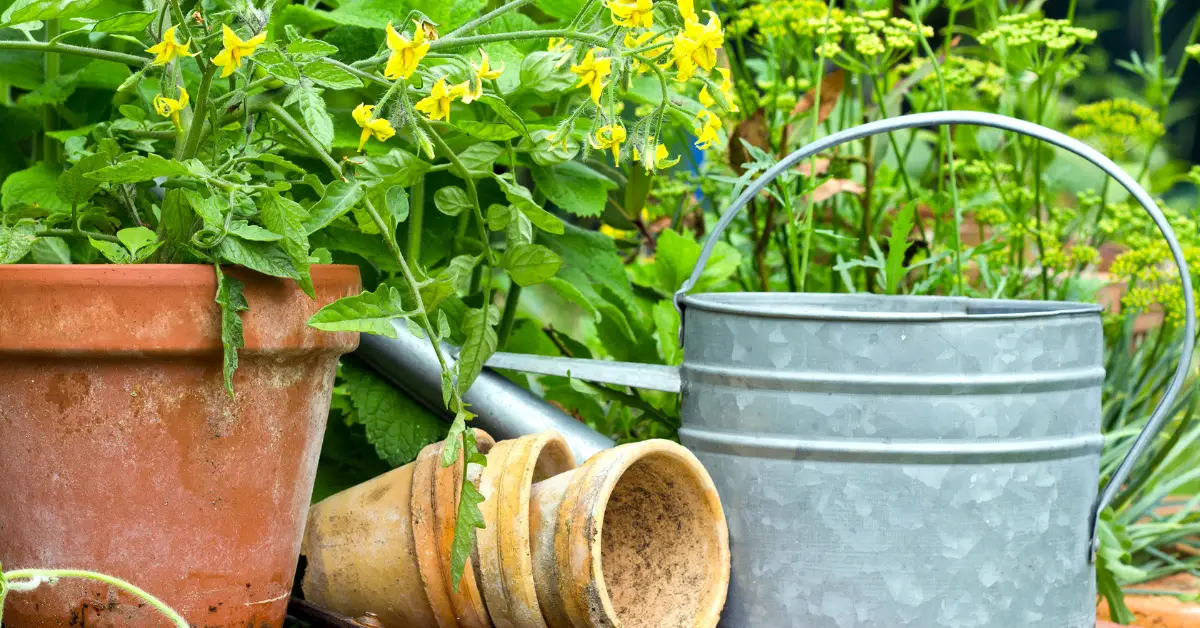
You don’t need a green thumb — just a rhythm. Most shrubs fail not because they’re “hard,” but because we love them too much or too little at the wrong time.
Watering Schedule
Forget misting every few hours. Shrubs prefer deep watering once or twice a week, allowing the roots to drink properly. Always water until it runs from the drainage hole, then let it dry slightly before the next round.
- Hot summers: Check soil daily; water when the top inch feels dry.
- Rainy seasons: Elevate pots so water doesn’t collect underneath.
Fertiliser Guide
Think of feeding as a slow conversation, not a one-time meal.
- Slow-release pellets: Ideal for long-term nourishment (apply every 3–4 months).
- Liquid feed: Great for quick boosts during flowering seasons.
Alternate both if you want lush, even growth without overwhelming the plant. For new cuttings or shrub propagation, you can also use rooting hormone to boost faster root growth — a simple trick many beginners overlook.
Seasonal Pruning Checklist
- Spring: Remove dead or damaged branches to encourage new growth.
- Summer: Light trim after flowering shrubs finish their show.
- Autumn: Minimal pruning; let plants settle before winter.
- Winter: Just tidy up — no heavy cutting, as it can shock the plant.
Pruning is like giving your shrubs a haircut — not too frequent, just when they start losing shape.
Winter Care Hacks
Cold weather is when container shrubs need extra help.
- Move pots near walls or sheltered corners.
- Wrap containers in burlap or bubble wrap to protect roots.
- Add a thick layer of mulch to insulate the soil.
- Lift pots slightly off the ground with bricks to prevent freezing.
Design Ideas for Stunning Shrub Displays
Container gardening isn’t just practical — it’s your chance to design something truly personal. The beauty comes from how you combine shapes, colors, and textures.
Group by Colour and Texture
Contrast silvery-green leaves (like lavender or rosemary) with deep greens (boxwood) and splashes of color (fuchsia or hydrangea). The mix adds visual rhythm without feeling crowded.
Play With Height
- Tall: Dwarf conifer, hydrangea
- Mid-level: Hebe, camellia, rosemary
- Trailing or low: Fuchsia, skimmia
Arrange in clusters of three — one tall, one medium, one low — for a natural layered look.
Mix Evergreen with Flowering Shrubs
Evergreens keep structure all year, while flowering shrubs change with the seasons. Together, they make your space feel alive even in winter.
Use Tiered Pots or Raised Stands
Different heights help create depth in small spaces. A few wooden crates or metal stands can instantly make your patio look curated.
For visual inspiration, check out Pinterest’s “Container Shrub Ideas” board — it’s full of creative displays that show how shrubs can transform even the smallest balcony.
Once you understand light, care, and design together, your container garden starts to feel effortless — not like maintenance, but a living rhythm.
Which part do you enjoy most — watching new buds appear, shaping your evergreens, or just sitting near them at the end of a long day?
Common Mistakes to Avoid
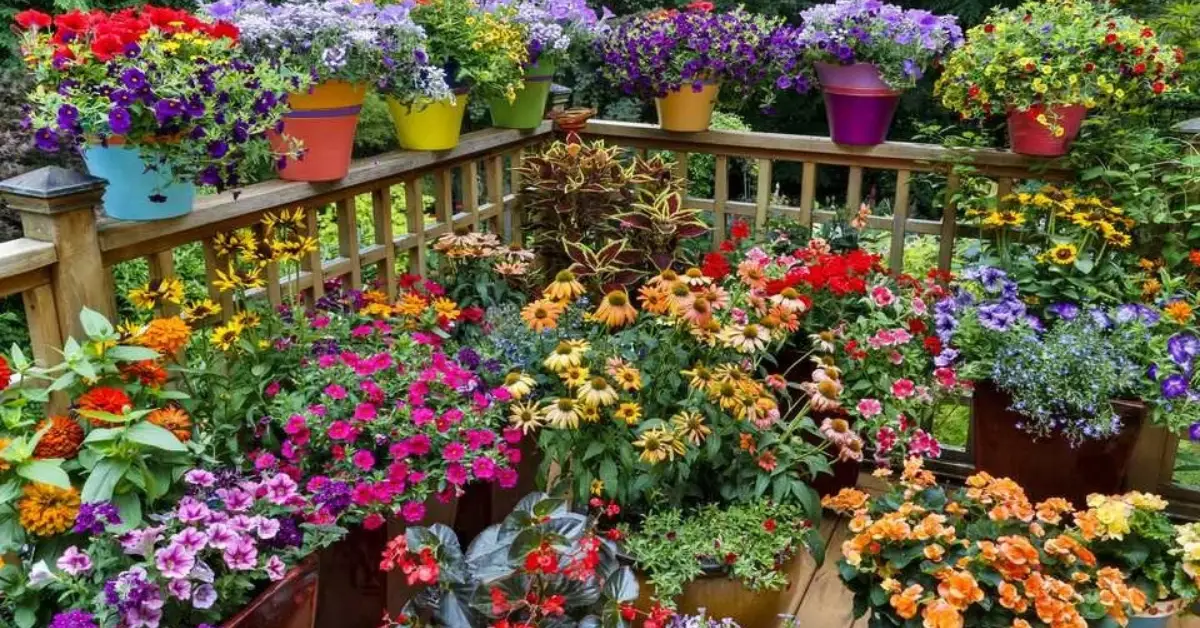
I’ve seen this happen countless times — someone sets up beautiful pots, plants thriving shrubs, and within months, things start to droop. It’s rarely the plant’s fault. Most of the time, the mistakes are simple and completely fixable.
Overcrowding Pots
When we fall in love with plants, we want them all. But cramming multiple shrubs into one pot means they’ll compete for light, water, and space — and none will win.
Quick Fix Tip: Stick to one main shrub per container. Add smaller seasonal flowers only around the edges for decoration, not competition.
Forgetting to Repot Every 2–3 Years
Roots grow, even in pots. If they circle the container or start poking through drainage holes, the plant’s basically begging for a bigger home.
Quick Fix Tip: Every spring, lift your shrub slightly — if roots are dense or tangled, move up to a pot 2–3 inches wider. Trim 10% of the roots if needed before replanting.
Wrong Soil for Acidic-Loving Shrubs
Plants like camellia and rhododendron love acidic soil. Regular garden compost won’t do — it turns the soil too neutral, starving the plant over time.
Quick Fix Tip: Use ericaceous compost for acid-loving species and test soil pH once a year to stay on track.
Neglecting Drainage Holes
This one kills more plants than you’d think. Without proper drainage, water pools at the bottom, roots suffocate, and fungal rot sets in.
Quick Fix Tip: Always drill extra holes if your pot doesn’t have any. Add gravel or crocks at the base, and lift the container slightly off the ground so air can circulate.
(You can read more about proper drainage and potting techniques on The Middlesized Garden)
Eco-Friendly Container Gardening Tips
Caring for your shrubs shouldn’t come at nature’s expense. You can grow a beautiful, thriving container garden and still keep it sustainable.
Use Recycled Pots and Organic Compost
Old buckets, ceramic bowls, even wooden crates can make great planters. They add character while cutting down waste. Pair them with peat-free, organic compost — it’s gentler on the planet and just as nutrient-rich.
Collect Rainwater for Watering
Tap water often contains salts and chlorine that can build up in containers. Collecting rainwater in barrels or buckets gives your shrubs the natural hydration they prefer — and it’s free.
Try Companion Planting for Pollinators
Mix shrubs like lavender or fuchsia with herbs and flowering companions to attract bees and butterflies. They’ll help pollinate your plants and keep your mini ecosystem balanced.
Sustainability isn’t just about what you plant — it’s about how consciously you grow. Once you start, you’ll find it’s easier (and more rewarding) than you think.
Shrub Maintenance Calendar (Printable Guide)
A little routine goes a long way in keeping container shrubs healthy year-round. Think of this as your quick reference guide — something you can print, pin on your fridge, or keep on your potting shelf.
Spring
- Feed with a balanced slow-release fertiliser.
- Prune winter damage and shape growth.
- Repot or refresh soil if needed.
Summer
- Deep-water twice a week; avoid midday watering.
- Deadhead spent blooms to encourage new flowers.
- Check for pests (aphids, spider mites) every weekend.
Autumn
- Add compost mulch around the base.
- Light pruning to maintain shape.
- Reduce watering as temperatures drop.
Autumn is also a great time to start cool-season veggies — check out our detailed Fall Vegetable Planting Guide to plan your next round of container-friendly greens alongside your shrubs.
Winter
- Move sensitive pots to sheltered spots.
- Wrap containers to protect roots from frost.
- Stop feeding — let shrubs rest naturally.
You can even turn this into a downloadable monthly checklist for easy tracking or as a printable guide for readers who love structure.
When you follow this rhythm, your shrubs won’t just survive — they’ll grow with you, season after season, quietly reminding you that even small gardens can hold something lasting.
So tell me — which season feels like your gardening time? The bright energy of spring, or the calm preparation of autumn?
Key Takeaways
When it comes down to it, container gardening isn’t about perfection — it’s about patience and observation. The best shrubs aren’t always the rarest ones; they’re the ones that fit your space, your climate, and your lifestyle. Start simple, grow confidently, and let each season teach you something new.
- Choose low-maintenance, climate-suited shrubs like lavender, boxwood, or hebe for long-term success.
- Take time to learn your light patterns — where the sun lingers, where shade settles — and adjust pots accordingly.
- Don’t be afraid to rotate shrubs seasonally or repot when they outgrow their homes. It’s part of the process.
Each pot you plant becomes a tiny world of its own — one that changes, surprises, and rewards you if you pay attention.
What about you — which shrub are you planning to try first in your garden or balcony? Share your thoughts and tips in the comments below. And if you want more practical, beginner-friendly gardening insights, visit Plant Care Dairy for fresh ideas and hands-on guides that help your greens truly thrive.
Disclaimer: All plant care tips and recommendations shared in this article are for general educational purposes only. Growing conditions can vary based on climate, soil type, and location — always observe your own plants and adjust care accordingly. Plant Care Dairy is not responsible for outcomes resulting from individual gardening practices.