
Every gardener I know, myself included, has had that moment of hesitation when standing over an eggplant plant. The fruit looks glossy and dark, but you wonder: is it ready now, or should I wait a few more days? Wait too long and you’ll end up with bitter flesh and tough seeds. Pick too early and the flavor falls flat. I’ve made both mistakes, and it taught me something simple — harvesting eggplant isn’t just about cutting the fruit, it’s about timing it right so every bite is worth the effort you put into growing it.
If you’re new to gardening, I want to make this easy for you. In this guide, I’ll share the clear signs that tell you when an eggplant is ready, how to cut it the right way without damaging the plant, and what to do afterward so your harvest lasts. You won’t find fluff here — just practical steps, gardener-to-gardener advice, and a few lessons I’ve picked up (and learned the hard way).
Before we dive in, let me ask: have you ever left a vegetable on the plant too long and regretted it later?
I can’t tell you how many times I’ve stood in the garden staring at an eggplant, unsure if it’s the right moment to cut. The truth is, there’s no single “perfect day” circled on a calendar — it’s about reading the signs the plant and fruit give you. Once you know what to look for, it becomes almost second nature. Let me walk you through the key cues that separate underripe, perfectly ripe, and overripe fruit, so you don’t waste weeks of effort with the wrong cut.
Signs of a Perfectly Ripe Eggplant

Here’s what I (and most seasoned gardeners) look for:
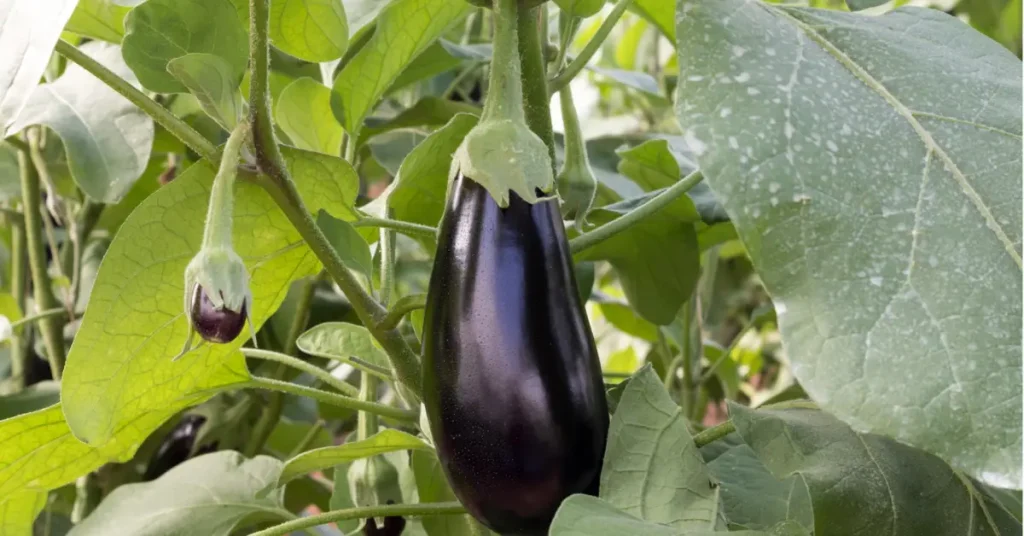
- Glossy, even skin: When the fruit shines and the color looks rich and consistent, that’s your best window. Once the surface turns dull or starts fading, you’ve likely missed the sweet spot.
- Gentle pressure test: Press the skin lightly with your finger. If it gives just a little and bounces back, it’s ready. Rock-hard means it needs more time; if it dents like a tomato and stays sunken, it’s past its prime.
- Size and timing: Most common varieties are ready about 65–80 days after transplanting, but don’t just rely on the calendar. Eggplants come in all shapes and sizes, from slender Japanese types to big globe varieties. Use time as a guide, not a rule. If you’re experimenting with growing different vegetables in limited spaces, you’ll find that timing works much the same way with other crops too. For example, you can learn how to grow green onions easily in small spaces or containers to see how harvesting overlaps with size and maturity.
- Check the inside (if in doubt): The first time you harvest, cut one open. You want pale flesh with tiny, soft seeds. If the seeds are large and dark, it’s already overripe.
Seasonal and Weather Cues
Sometimes the weather makes the decision for you. If a cold snap or frost is on the way, don’t wait — harvest what you have, even if it’s a little small. The same goes for heat waves, which can stress the plant and turn fruit bitter if left too long. Weather plays a huge role in how plants behave.
Just like eggplants need careful timing around heat or frost, it’s equally important to know how to protect your garden from strong winds with easy tips, so your plants stay healthy and safe through unpredictable conditions. I’ve learned the hard way that “waiting for perfect” can mean losing the harvest altogether.
Quick Guide
Think of it this way:
- Underripe → Hard, shiny but under-sized
- Ideal → Glossy, slight give, firm bounce-back
- Overripe → Dull skin, soft dent, large seeds
For a more detailed breakdown, the Old Farmer’s Almanac has a great guide that matches maturity timelines to different varieties — useful if you’re growing more than one type.
Have you ever cut into an eggplant only to find it packed with tough, dark seeds? If so, you know exactly why timing is everything.
Tools, Safety & Handling Before You Cut
I still remember the first time I tried to harvest eggplant without tools — I grabbed the fruit and twisted hard. The result? A torn branch, a bruised eggplant, and a plant that sulked for weeks. Since then, I’ve learned that harvesting isn’t about force; it’s about the right tools and gentle handling.
- Pick your cutter wisely: A pair of sharp garden shears or pruners is the safest bet. A knife works, but it’s easier to slip and nick the plant.
- Protect yourself: Eggplant stems often have tiny prickles. Gloves and even light sleeves save you from scratches.
- Keep things clean: Wiping blades with alcohol before you cut reduces the risk of spreading disease between plants.
- Support the fruit: Don’t let the eggplant’s weight strain the stem. Hold it in one hand while you cut with the other.
- Harvest at the right time of day: Cool mornings are ideal — fruits are firm and less likely to bruise compared to mid-day heat.
Step-by-Step Harvesting Technique

Once you’ve spotted the perfect candidate, here’s how to make the cut without damaging either the plant or the fruit:
- Identify the right fruit: Look for glossy skin and that slight bounce-back when pressed.
- Position the blade: Cut about an inch above the calyx, leaving a small stub of stem attached.
- Make a smooth slice: One clean cut avoids jagged wounds that can stress the plant.
- Handle with care: Support the eggplant as it detaches and lay it gently in a basket, not on hard ground.
- Check your harvest: Discard bruised or cracked ones first; they won’t keep long.
I usually check my plants every two or three days once production starts. Frequent harvesting encourages more fruit and keeps them tender. As noted in Martha Stewart’s gardening guide, cutting cleanly and regularly is the best way to get both quality and quantity from your crop.
Do you usually cut your eggplants, or have you been tempted to twist and pull like I once did?
After Harvest: Storage, Shelf Life & Handling
Picking the eggplant is only half the job — how you treat it afterward makes the difference between a dish worth serving and a fruit that ends up in the compost bin. I learned this the hard way when I once left freshly cut eggplants in the fridge for over a week; they turned spongy and bitter.
- Temperature matters: The sweet spot is around 50 °F (10–12 °C). Colder than that and the skin suffers chilling injury, leaving pitted spots and faster spoilage.
- Refrigerator caveat: If you must refrigerate, wrap each fruit loosely in a paper towel or perforated bag to keep them from drying out, but don’t keep them there too long.
- Best use window: Aim to cook them within 4–7 days of harvest for the best flavor and texture.
- Don’t wash before storage: Moisture on the skin speeds up decay. Wash only right before cooking.
- If slightly overripe: Don’t toss them. Slice for pickles, grill them, or even save seeds if you’re planning another crop.
According to The Spruce, careful post-harvest handling is just as important as harvesting itself if you want eggplants that stay firm and flavorful.
Troubleshooting Common Mistakes & How to Fix Them
Even when you follow most of the rules, it’s easy to slip up. I’ve made almost every mistake on this list at least once — the good news is, each one has a fix.
- Waiting too long → Fruit turns dull, flesh bitter, seeds hard.
Fix: Harvest earlier next time; cut one test fruit to calibrate. - Cutting wrong or tearing the stem → Branch damage, reduced yield.
Fix: Always use sharp, clean shears and leave a short stem stub. - Bruising during harvest/transport → Soft spots and fast spoilage.
Fix: Handle gently, harvest in baskets with soft lining. - Storing too cold → Skin pitting and watery texture.
Fix: Keep storage around 50 °F and use within a week. - Ignoring variety-specific timing → Picking too soon or too late for the type.
Fix: Learn the maturity days for your variety and use it as a guide along with visual cues.
The key takeaway? Every misstep is just feedback from the plant. Once you spot the pattern, you’ll rarely repeat the same mistake twice.
Have you ever lost an entire batch just because you stored it wrong?
Tips for Different Climates & Local Conditions

When I first grew eggplants in a tropical climate, I realised quickly that what works in a cool temperate garden doesn’t always apply here. Heat, humidity, and monsoon rains change the rules of harvesting, and unless you adapt, you’ll lose more fruit than you save.
- High heat & humidity stress: In hot spells, eggplants can mature faster than expected. I check my plants daily during peak summer because leaving them even two extra days can make the fruit bitter.
- Dealing with rain & moisture: After heavy rain, always dry off harvested fruits with a clean cloth before storing. Excess surface moisture invites rot.
- Varietal differences: Local Indian or tropical cultivars, like long slender brinjals, often mature smaller but faster. Don’t wait for them to bulk up like globe varieties — their best flavour is at a smaller size.
- Adjust harvest frequency: In warm, fast-growing conditions, I often harvest every 1–2 days. Frequent picking keeps the plant producing and prevents fruit from oversizing.
- Sunscald & shade issues: Fruits exposed directly to intense sun can develop pale patches or hard spots. If you notice this, harvest a little earlier and let them finish off indoors, or create light shade over the plant.
These small adjustments can save entire crops in hot or humid regions. The principle is simple: watch the weather and act quickly.
Sample Harvesting Schedule & Checklists
One of the most useful habits I built was sticking to a routine. A clear schedule takes the guesswork out of harvesting and ensures I don’t miss the perfect window.
Weekly / Biweekly Check Plan
- Walk the garden every 2–3 days once fruit sets.
- Prioritise mornings when the fruits are cool and firm.
Pre-Harvest Checklist
- Check skin: glossy, rich colour, no dull patches.
- Press test: slight give that bounces back.
- Weather check: if frost, storms, or heatwaves are coming, harvest early.
Harvest Day Checklist
- Tools ready: clean pruners or shears.
- Gloves on (for prickly stems).
- Basket lined with cloth or paper to prevent bruising.
- Hold fruit gently while cutting — no pulling.
Seasonal Wrap-Up Checklist
- Pick remaining fruits before first frost or monsoon peak.
- Collect seeds from one overripe fruit if you want to save variety.
- Clear plant debris and compost it to prevent pests.
Once your eggplant season wraps up, it’s a good time to think ahead to other crops. If you want a rewarding project for the next growing cycle, try this guide on how to grow pumpkins at home with a step-by-step method — perfect for planning your seasonal rotation.
Following a set routine makes harvesting less stressful. You don’t wake up wondering if you missed your chance — you know exactly when and how to check.
Have you ever tried keeping a harvest log to track your eggplants? It’s a small step that can make next season even easier.
When You Missed the Timing: What Next?
Let’s be honest — no matter how careful you are, there will be times when you miss the harvest window. I’ve left fruits too long more than once, only to cut into a dull, seedy eggplant. The good news? An overripe harvest isn’t a total loss. Here’s how I turn “mistakes” into something useful:
- Cook differently: Overripe eggplants can still shine in bold dishes. Grilling, stewing, or turning them into chutneys and pickles helps mask the tougher texture.
- Save the seeds: If the fruit is fully mature, it’s a perfect opportunity to extract seeds. Rinse and dry them for your next planting season.
- Compost or mulch: When the flesh is too far gone, composting returns those nutrients to your soil. I sometimes chop them and add directly under mulch layers.
- Learn and adjust: Note what went wrong — was it waiting for size, ignoring weather, or not checking often enough? A small record in your garden journal will stop the same error next year.
Missing the mark once in a while is part of gardening. What matters is how you use that lesson for your next round.
Have you ever turned an overripe eggplant into something surprisingly good? Share your experience in the comments below — I’d love to hear your tips. And for more practical gardening guides, visit Plant Care Dairy where we share hands-on advice for growers like you.
Disclaimer: The information shared here is based on personal gardening experience and trusted resources. Growing conditions vary by region, so always adapt advice to your local climate and consult agricultural experts if needed.