

You know that feeling when you step into your garden, full of excitement to tend your plants, only to see them bent, broken, or even uprooted after a windy night? I’ve been there more times than I care to admit, and it’s honestly heartbreaking. Hours of care can feel wasted in just a few gusts of wind.
Strong winds aren’t just a minor annoyance—they can wreak serious havoc. Delicate seedlings can be ripped out, tall stems may snap, leaves can get shredded, and even your garden structures like fences, trellises, or pots can get damaged. It’s easy to underestimate just how destructive wind can be until you see the aftermath firsthand.
But here’s the thing I’ve learned: protecting your garden from strong winds isn’t about spending a fortune or using fancy tools. It’s about understanding your garden, planning strategically, and applying simple, smart techniques that make a real difference.
In this guide, I’ll walk you through practical, easy-to-follow tips that I’ve used and seen work in real gardens. From creating effective windbreaks to securing individual plants, you’ll get actionable advice that keeps your garden safe and thriving—even when the wind decides to make its presence known. By the end, you’ll feel confident that your garden can withstand whatever nature throws at it.
Understanding the Impact of Strong Winds on Your Garden
When it comes to wind, it’s easy to underestimate just how much damage it can do. I’ve seen gardens where a single gust left plants snapped, soil scattered, and young seedlings completely uprooted. Understanding the impact is the first step toward protecting your garden effectively.
Strong winds can affect your garden in several ways:
- Soil Erosion: Loose soil can be blown away, exposing roots and reducing nutrient availability. I always make sure to monitor exposed soil areas after windy days.
- Plant Desiccation: Wind can dry out leaves and stems quickly, even if you’ve watered recently. Your plants lose moisture faster than you might expect.
- Structural Damage: Trellises, garden fences, pots, and even lightweight garden furniture can be damaged or displaced. I’ve learned that securing these items is just as important as protecting the plants themselves.
By recognizing these risks, you can plan preventive measures that actually save your plants and your effort. For example, experts at GrowVeg recommend combining both natural and artificial windbreaks for maximum protection—a tip I’ve found incredibly practical.
1. Implementing Effective Windbreaks
One of the most reliable ways to protect your garden is by setting up windbreaks. Over the years, I’ve discovered that even small adjustments in how you place windbreaks can make a huge difference. Let’s break this down.
Natural Windbreaks: Hedges and Trees

Planting dense hedges or rows of trees is one of my favorite methods for reducing wind speed. Not only do they look beautiful, but they also create a protective barrier that slows down gusts before they reach your more delicate plants.
Here’s how I approach it:
- Use evergreen shrubs or trees for year-round protection.
- Plant in staggered rows if you have space—this avoids gaps that let the wind through.
- Make sure taller plants are placed on the windward side (the direction from which the wind usually blows).
Even a narrow hedge along the edge of your garden can redirect wind and dramatically reduce damage.
Artificial Windbreaks: Fences and Screens
Sometimes, natural barriers aren’t enough or aren’t possible. That’s when I turn to fences, screens, or trellises. They act as an immediate line of defense and are especially helpful in smaller gardens or patios.
Some practical tips I use:
- Trellises with climbing plants: These work as both a screen and a green feature.
- Mesh or fabric screens: Perfect for temporary protection during particularly stormy periods.
- Solid fences: Provide maximum protection, but remember, a small gap at the bottom allows wind to flow gently instead of creating turbulence.
Artificial windbreaks are flexible—you can move them around depending on seasonal wind directions or temporary needs.
2. Securing and Protecting Individual Plants
Even with windbreaks in place, some of your plants still need extra care. I’ve learned that supporting and shielding them can be the difference between a thriving garden and a pile of broken stems.
Staking and Tying Plants
Tall or delicate plants are especially vulnerable in strong winds. I always stake them early, before the wind becomes a problem. Here’s how I do it:
- Use bamboo stakes or wooden poles to support the main stem.
- Tie plants loosely with soft garden ties or strips of cloth, allowing some movement so stems don’t snap.
- Check stakes regularly; as plants grow, you may need to adjust or add extra support.
Staking isn’t just about preventing breakage—it also encourages plants to grow upright and strong.
Using Plant Covers and Cloches
For extra protection, I cover my more sensitive plants. Materials like horticultural fleece or cloches help shield leaves from wind and prevent moisture loss. I even follow tips from my guide on vacation-proofing tomato plants to make sure they stay safe and hydrated when I’m away. I love using small cloches over young seedlings—they create a mini greenhouse effect that keeps plants cozy while still letting air circulate.
For practical tips and inspiration, The Sun highlights creative ways gardeners use covers and cloches to protect plants during harsh weather.
3. Strategic Garden Layout and Plant Selection
Sometimes, the best protection is planning your garden with wind in mind. I always think about wind direction and plant resilience before planting—it saves a lot of trouble later.
Positioning Plants According to Wind Direction

I make it a habit to place wind-sensitive plants in sheltered areas: behind fences, near walls, or alongside taller shrubs. This simple adjustment can drastically reduce wind exposure.
- Observe your garden for a few days to note prevailing wind patterns.
- Use natural or artificial barriers to create protected pockets for delicate plants.
- Grouping plants strategically can reduce wind tunnel effects and minimize damage.
Better Homes & Gardens also emphasizes the importance of positioning plants according to wind direction for long-term health and productivity.
Choosing Wind-Resistant Plant Varieties
If you’re planting new areas, I recommend choosing species that naturally withstand wind. Certain grasses, shrubs, and perennial plants bend without breaking, making them perfect for windy spots. And if you’re thinking about adding fruiting plants, check out my guide on the best berries to grow at home—many of these are surprisingly resilient to wind.
- Tall grasses like Miscanthus or Pampas can act as living windbreaks.
- Shrubs with flexible branches absorb wind energy instead of snapping.
- Mixing resilient varieties with delicate ones creates layers of protection throughout the garden.
By thinking ahead and selecting the right plants, you can make your garden much more resilient—and reduce stress during stormy days.
4. Preparing Your Garden for Stormy Weather
Stormy days are inevitable, but a little preparation goes a long way. Over the years, I’ve learned that anticipating storms and taking preventive measures can save your plants—and your sanity.
Pruning and Maintenance
One of the simplest yet most effective ways to prepare is by pruning regularly. I always remove weak, dead, or crossing branches, because in strong winds, these can turn into dangerous projectiles.
- Inspect trees and shrubs for dead or damaged limbs.
- Trim branches that lean toward structures, fences, or pathways.
- Keep plants healthy and compact so they’re less likely to be uprooted or snapped.
Pruning not only reduces risk but also encourages healthier, stronger growth over time. For detailed seasonal tips, I follow my guide on trimming ornamental grasses to make sure everything is neatly maintained and ready to withstand windy days.
Securing Garden Structures and Furniture
I’ve seen how easily garden furniture, pots, or trellises can become casualties during a storm. Anchoring or storing them before high winds hit is crucial.
- Move lightweight pots and furniture indoors or into a shed.
- Use stakes, ties, or anchors for trellises and pergolas.
- Check that fences and gates are firmly fixed to avoid damage.
These small steps can prevent costly replacements and keep your garden looking neat after the storm passes.
5. Utilizing Temporary Wind Protection Solutions
Sometimes, strong winds appear unexpectedly, and you need quick solutions. I rely on DIY windbreaks to protect plants without spending a fortune.
DIY Windbreaks Using Burlap or Netting
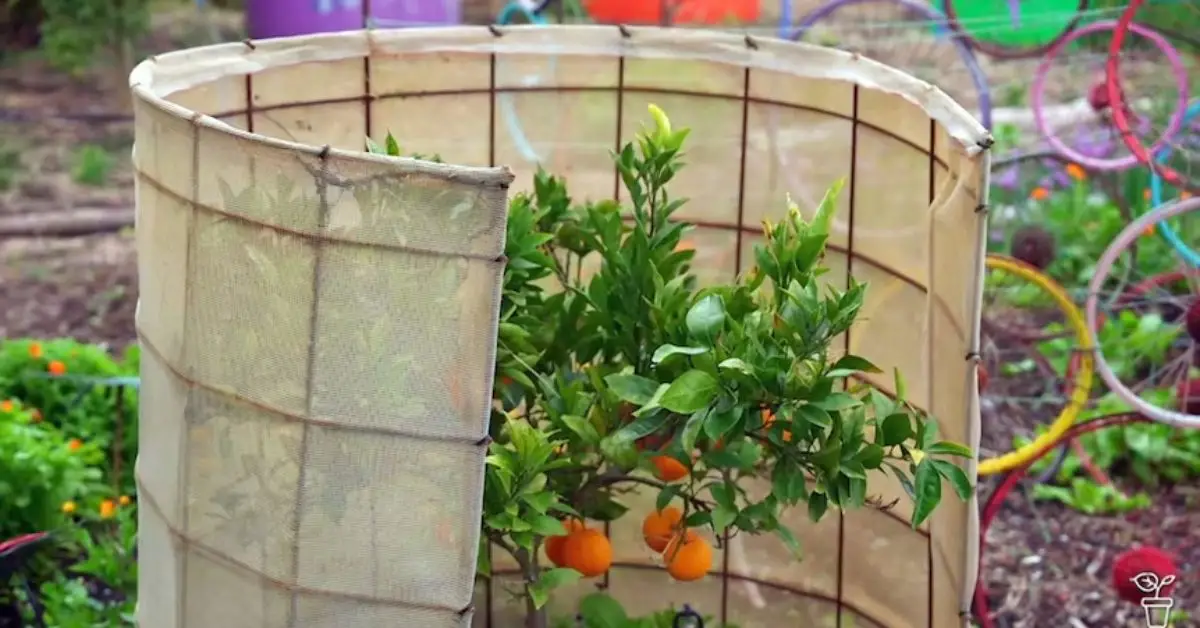
Burlap, garden netting, or even shade cloth can create an effective temporary barrier. I use these during sudden gusts or seasonal storms, and they make a huge difference.
Here’s how I do it:
- Set up stakes or poles around the plants you want to protect.
- Wrap burlap or mesh around the stakes, leaving a little gap at the bottom so air can pass.
- Remove coverings once the storm has passed to avoid overheating or moisture buildup.
For more creative ideas and tips on temporary wind protection, Real Simple has a great guide that inspired some of my DIY setups.
6. Long-Term Strategies for Wind Protection
While temporary solutions work, planning for the long term is key if you want your garden to thrive year after year.
Investing in Permanent Windbreaks
Permanent windbreaks like hedges, fences, or rows of trees offer reliable protection. I always recommend thinking about wind direction, plant placement, and growth patterns before planting or building.
- Choose dense hedges or tall shrubs for year-round wind protection.
- Plan for mature growth height and width so they provide full coverage.
- Position them on the windward side to shield sensitive plants.
Creating Microclimates Within Your Garden
You can also modify your garden’s layout to create natural wind buffers. I often use walls, slopes, or even raised beds to influence how the wind moves.
- Walls or fences can redirect wind and create calmer pockets.
- Slopes can change airflow and reduce turbulence in planting areas.
- Combining hard structures with plant barriers creates a protective microclimate that benefits your entire garden.
By investing in these long-term strategies, your garden can withstand strong winds naturally, and you’ll spend less time repairing damage after every storm.
Perfect, Sunita! Here’s a friendly, first-person conclusion with a strong CTA for both comments and your website:
Protect Your Garden from Strong Winds: Take Action Today
Over the years, I’ve learned that a little planning and preparation can go a long way in keeping a garden safe from strong winds. From setting up windbreaks and staking plants to choosing resilient varieties and creating microclimates, every small step adds up. These strategies aren’t complicated, but they make a real difference in preventing damage, saving time, and helping your plants thrive—even when the weather isn’t on your side.
I’d love to hear from you! Have you tried any of these wind protection tips in your own garden? Or maybe you have a clever method that works for you—I’d be excited if you share it in the comments below.
And if you want more practical advice, step-by-step guides, and tips to keep your garden healthy and flourishing year-round, be sure to check out Plant Care Dairy. It’s full of insights, ideas, and real-life solutions from gardeners like us, designed to help you nurture your garden with confidence.
Disclaimer: The tips and advice in this article are for general gardening purposes only. Results may vary depending on your local climate, soil conditions, and plant types. Always use your judgment and consult local experts when needed.