
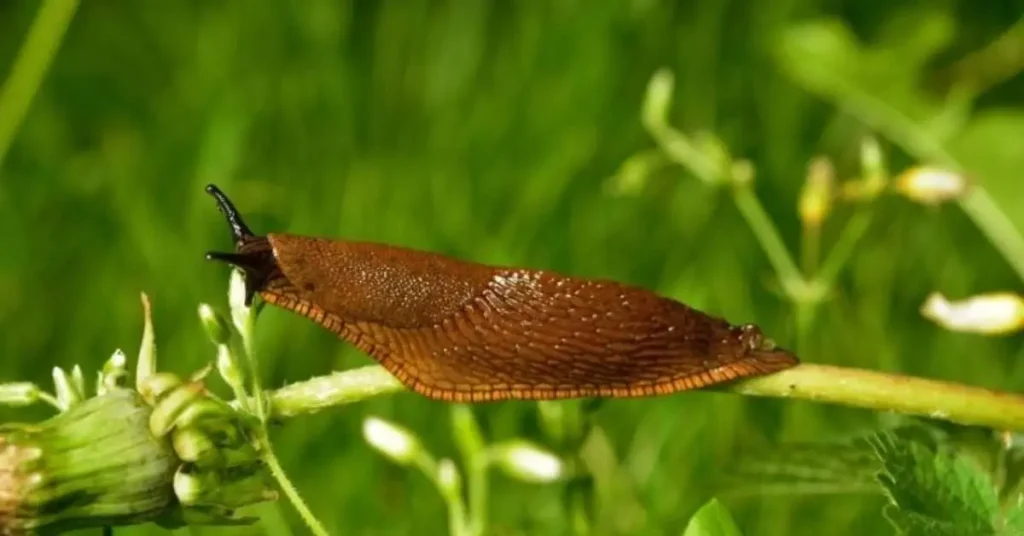
Slugs are a gardener’s worst nightmare. They sneak in at night, leaving a trail of destruction across your plants—especially tender leaves and young seedlings. If you’ve ever seen your garden, once full of promise, suddenly become a buffet for these slimy invaders, you know how frustrating it can be. But here’s the good news: you don’t need harsh chemicals to reclaim your garden.
In fact, there are plenty of simple, natural ways to control slugs that not only work but are also kind to the environment. And I get it—you want solutions that don’t harm the ecosystem or pollute your soil. That’s exactly why this guide is here: to give you safe, effective, and easy ways to get rid of slugs, without turning to toxic pesticides.
So, if you’re ready to protect your plants the eco-friendly way, keep reading. I’ll walk you through proven, chemical-free slug control methods you can start using today.
Understanding Slugs and Their Behavior
Before you can effectively manage slugs in your garden, it’s important to understand what draws them in and how they operate. By grasping the basics of their behavior, you can take proactive steps to prevent them from causing damage.
What Attracts Slugs to Your Garden?
Slugs are drawn to your garden for a few key reasons. They thrive in moist environments, and unfortunately, gardens often provide the perfect conditions. Here’s what slugs are looking for:
- Moisture: Slugs need moisture to survive and move. They’re most active after rain or during damp evenings. If your garden tends to stay humid, slugs are likely to show up.
- Cool, Shady Areas: Slugs love to hide in the cool, shaded spots of your garden—especially under leaves, rocks, or mulch. These places provide shelter and the right humidity levels.
- Fresh Vegetation: Slugs are herbivores, and they seek out tender plants that are easy to munch on. Young seedlings and leafy greens like lettuce, spinach, and cabbage are particularly attractive.
Slugs are not the only pests that can be drawn to your garden by moisture and fresh vegetation. If you’re also dealing with other garden pests, you might want to check out how to protect plants from sap-sucking insects, which thrive under similar conditions.
If you’ve noticed slugs around your garden, chances are it’s because you’ve created an inviting environment for them.
How Slugs Damage Plants
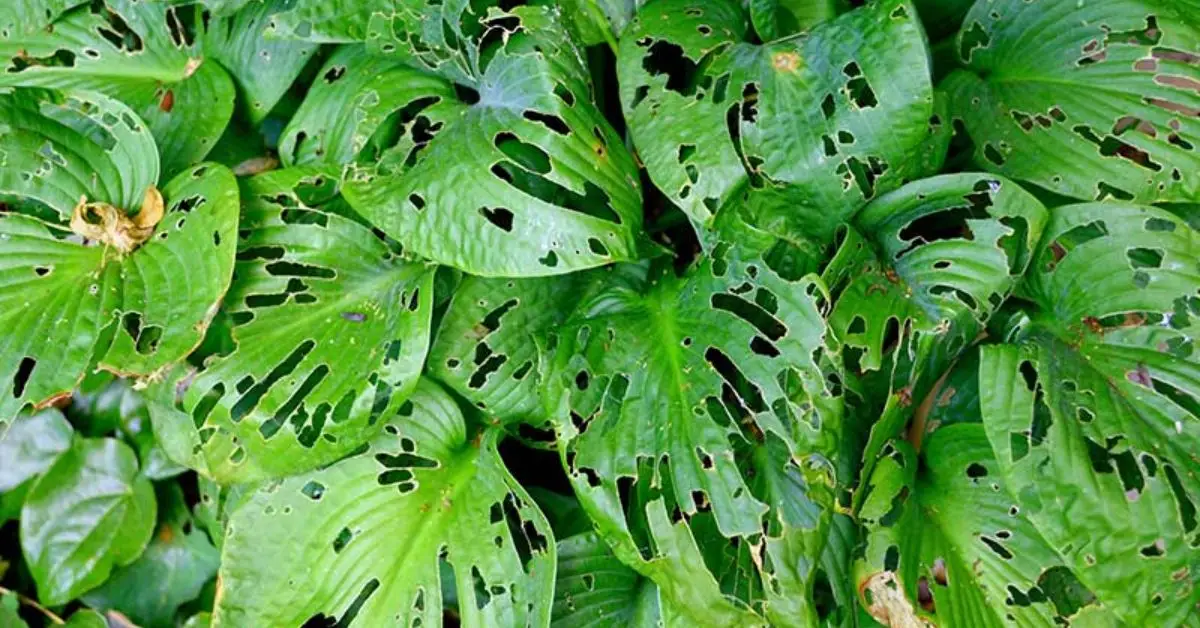
Slugs don’t just hang around in your garden for no reason—they’re there to eat. And unfortunately, they’re not picky eaters. Here’s how they damage your plants:
- Eating Leaves and Stems: Slugs use a rough tongue (called a radula) to scrape away at the leaves of plants. This often results in holes and ragged edges, which can weaken your plants.
- Consuming Roots: Slugs can also burrow into the soil to feed on the roots of your plants, especially during dry spells when moisture is harder to find on the surface. This can stunt plant growth or even kill them.
- Fungal Infections: As slugs move through your garden, they leave behind a slimy trail, which can promote the growth of fungi and mold, further harming your plants.
It’s not just about a few chewed-up leaves; the damage can be much more extensive if left unchecked. By understanding these behaviors, you can start taking action to protect your garden.
Slug Life Cycle and Breeding Habits
Knowing when slugs are most likely to be active can help you predict and manage their behavior. Here’s a breakdown of their life cycle:
- Eggs: Slugs lay their eggs in moist, sheltered spots, often in the soil or under debris. A single slug can lay hundreds of eggs, making control efforts even more challenging.
- Juveniles: When the eggs hatch, young slugs appear and begin feeding immediately. They grow quickly, and within a few weeks, they can be large enough to damage plants.
- Adults: Slugs take a few months to mature into adults. Once they reach adulthood, they continue to reproduce, perpetuating the problem.
Understanding this cycle helps you target the right time to act. For example, you can focus your efforts on breaking the egg cycle or preventing young slugs from maturing by using natural barriers or predators. If you want to learn more about slugs’ life cycle and effective natural control, this article from The Spruce dives deeper into the science behind their habits.
10 Effective Natural Ways to Get Rid of Slugs
If you’re dealing with a slug invasion in your garden, you’re not alone. But the good news is that you don’t have to rely on harmful chemicals to keep them at bay. There are plenty of natural solutions that are both effective and eco-friendly. Let’s take a look at 10 practical, organic ways to keep slugs out of your garden.
1. Copper Tape: Using It to Deter Slugs
Slugs hate copper. It creates a mild electrical charge when they come into contact with it, which is unpleasant for them. You can place copper tape around the edges of your garden beds, containers, or even individual plants. The tape acts as a barrier, deterring slugs from crossing over and reaching your plants.
- Where to add it: Around the base of individual plants or garden borders.
2. Diatomaceous Earth: How It Works to Dry Out Slugs
Diatomaceous earth (DE) is a fine powder made from fossilized remains of aquatic organisms. When slugs come into contact with it, DE scratches their bodies, drying them out and causing them to dehydrate. It’s a natural and non-toxic way to kill slugs without harming the environment.
- How to use it: Sprinkle DE around plants, especially in areas where slugs tend to hide. The English Garden’s guide has more details on this method.
3. Beer Traps: A Popular Slug Catcher
Slugs love beer, and you can use this to your advantage. Place shallow containers filled with beer at ground level in your garden. Slugs are attracted to the smell and will fall into the trap. It’s a simple and effective way to catch them overnight.
- Tip: Use a deep enough container to prevent other animals from reaching the beer, but shallow enough for slugs to fall in.
4. Natural Predators: Encouraging Birds, Frogs, and Beetles
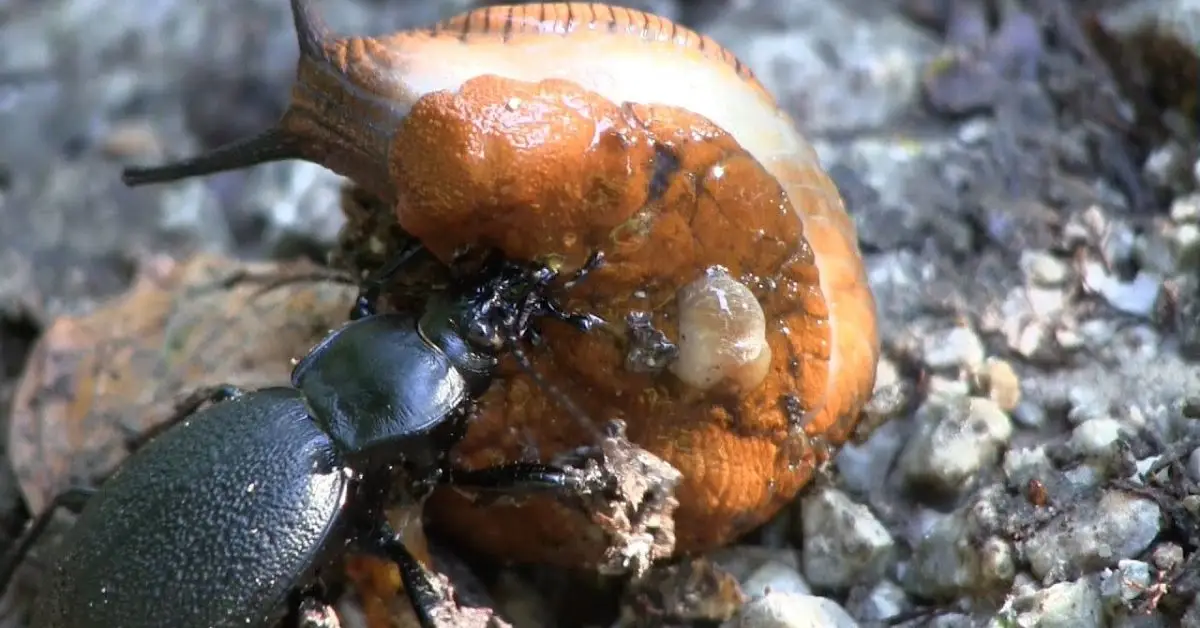
One of the best ways to keep slugs in check is to invite their natural predators into your garden. Birds, frogs, beetles, and other creatures will gladly help you manage the slug population.
- How to attract them: Install birdhouses, provide water sources, and create areas where frogs can hide, like small ponds or shaded corners.
In addition to attracting birds and frogs, you might also consider introducing ladybugs to your garden as they are excellent natural predators for other pests. Check out our guide on how to get ladybugs in your yard to boost your garden’s defense naturally.
5. Eggshells and Crushed Shells: How They Create Barriers
Crushed eggshells and other sharp materials can act as a natural barrier that slugs are reluctant to cross. The sharp edges cut into their bodies, discouraging them from moving forward.
- How to use it: Scatter crushed eggshells or other sharp material around your plants and garden beds.
6. Sand and Ash: Creating Dry, Unappealing Surfaces for Slugs
Slugs prefer moist environments, so creating dry, gritty surfaces is a great way to keep them away. Sand and wood ash can help by drying out their bodies and making it harder for them to move across the surface.
- How to use it: Spread a thin layer of sand or ash around your plants or garden borders.
7. Coffee Grounds: Slugs Dislike Caffeine
Slugs are not fans of caffeine. Coffee grounds can act as a natural deterrent. They create a barrier that slugs avoid, and the acidity can also be beneficial for your garden in small amounts.
- How to use it: Scatter coffee grounds around the base of plants or over the soil. It also adds nitrogen to the soil, which is beneficial for many plants.
8. Garlic and Onion Spray: A Natural Slug Repellent
Garlic and onions have strong scents that slugs find repellent. By creating a spray with these ingredients, you can effectively ward off slugs in a way that’s safe for your plants.
- How to make it: Blend garlic and onion in water, strain the mixture, and then spray it around the garden.
9. Companion Planting: Using Slug-Resistant Plants
Certain plants are naturally resistant to slugs. These include herbs like rosemary, thyme, and sage, which slugs tend to avoid. Companion planting can help create a natural barrier, protecting your more vulnerable plants.
- What to plant: Consider planting slug-resistant herbs and flowers around your most sensitive plants.
10. Hand-Picking and Trapping: The Classic Yet Effective Approach
Sometimes, the best way to deal with slugs is the old-fashioned way—by picking them off your plants and removing them by hand. You can do this at night when slugs are most active. Simply collect them and move them to a different area, or dispose of them in a humane way.
- Tip: Use a flashlight to spot slugs at night. It may be tedious, but it’s an effective method!
These 10 natural solutions will help you manage slugs without harming your garden or the environment. If you want to explore more techniques and ideas for keeping your garden healthy and thriving, stay tuned for the next sections in this guide.
Common Mistakes to Avoid When Trying to Get Rid of Slugs
While it’s great that you’re taking a natural approach to controlling slugs, there are a few common mistakes many gardeners make that can either be ineffective or even harmful. Let’s dive into some of the missteps you should avoid when trying to keep slugs out of your garden.
1. Overwatering: How Moisture Attracts Slugs
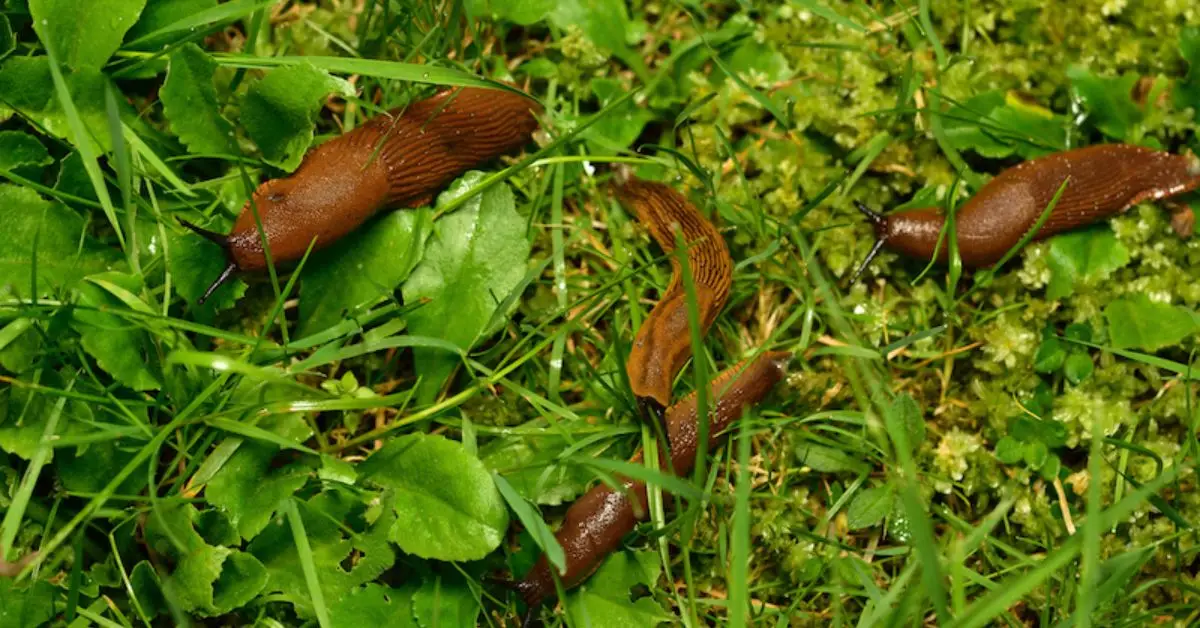
Slugs love moisture—it’s essential for their survival. Overwatering your garden can create the perfect environment for slugs, turning your soil into a slug haven. When your garden is too wet, slugs will be more likely to thrive, causing more damage to your plants.
- Solution: Be mindful of your watering schedule. Allow the soil to dry out between waterings, and avoid leaving standing water in trays or containers.
2. Using Too Much Salt: Damaging to Plants and the Environment
Salt is often suggested as a slug deterrent, but using too much can harm your plants and the environment. While salt dehydrates slugs, it can also damage the soil by increasing salinity, which negatively affects plant roots and soil health. Additionally, salt can contaminate water systems and harm beneficial organisms.
- Solution: Instead of salt, use natural alternatives like crushed eggshells or diatomaceous earth, which are safe for both your plants and the environment.
3. Neglecting Natural Predators: How Not Attracting Birds or Frogs Can Be Detrimental
One of the most powerful tools you have in slug control is nature itself. Birds, frogs, beetles, and other wildlife are natural slug predators. If you’re not encouraging these creatures to visit your garden, you’re missing out on an effective and chemical-free method of slug management.
- Solution: Create habitats that attract predators—install birdhouses, build small ponds for frogs, and avoid using harmful pesticides that can harm these helpful animals.
How to Maintain a Slug-Free Garden Year-Round
Now that you have some slug control methods, it’s time to think long term. Maintaining a slug-free garden requires a bit of regular care and awareness. These steps will help keep slugs at bay throughout the year, ensuring your plants stay healthy.
1. Keep Your Garden Clean and Free of Debris
Slugs love to hide in damp, shaded areas such as under piles of leaves, mulch, or other garden debris. By keeping your garden clean and tidy, you make it less inviting for slugs to settle in and breed.
- Solution: Regularly remove fallen leaves, branches, and dead plants. Keep the area around your garden tidy to reduce places where slugs can hide.
2. Create Slug-Resistant Garden Designs
Designing your garden with slug resistance in mind can help you prevent an infestation. Raised beds, dry soil zones, and proper drainage can all discourage slugs from taking up residence in your garden.
- Solution: Use raised garden beds or pots to keep plants off the ground, and ensure your garden has proper drainage to avoid standing water, which attracts slugs.
3. Seasonal Adjustments to Deter Slugs from Returning
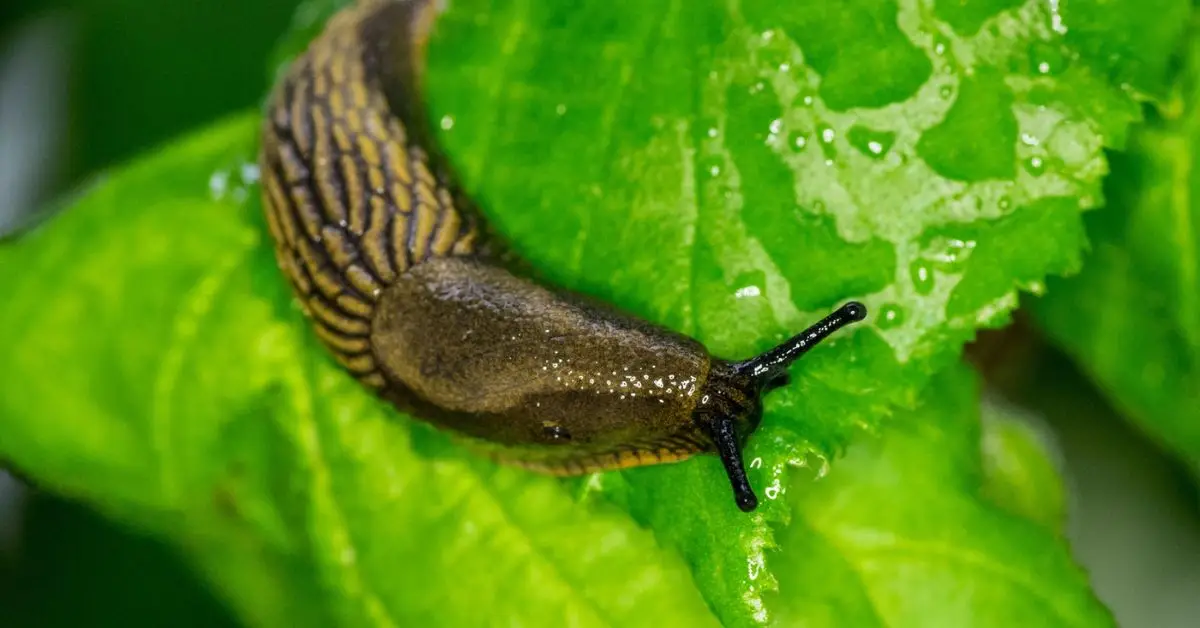
Slugs are most active during the wetter months, so it’s important to adjust your garden care accordingly. In the spring and summer, slugs are more likely to invade, but in the fall and winter, their activity slows down. Make seasonal changes to minimize slug-friendly conditions.
- Solution: During the wet months, increase the use of natural barriers like copper tape or diatomaceous earth. In the dryer months, focus on keeping your garden clean and adjusting watering practices.
Maintaining a slug-free garden year-round also involves keeping other pests at bay, such as ants. You can read our detailed guide on how to get rid of garden ants without harmful chemicals to ensure a healthy, pest-free garden.
By following these steps, you’ll be well on your way to keeping your garden slug-free all year long. For further details on maintaining a healthy, slug-free garden, check out this detailed guide from Gardening Know How.
Conclusion: Chemical-Free Garden Success
As we’ve discussed throughout this guide, slugs don’t have to be the end of your garden dreams. By taking a chemical-free approach to slug control, you’re not only protecting your plants but also safeguarding the environment. There are a variety of methods available, from copper tape to natural predators, and each one provides a simple yet effective solution to keeping your garden healthy.
Recap of the Top Chemical-Free Methods:
- Copper Tape: Creates a physical barrier to keep slugs out.
- Diatomaceous Earth: Dries out slugs, helping to control their population.
- Beer Traps: A simple and effective way to catch slugs overnight.
- Natural Predators: Encourage wildlife like birds and frogs to naturally manage the slug population.
- Eggshells & Crushed Shells: Create sharp barriers slugs can’t cross.
- Coffee Grounds & Garlic Spray: Slugs dislike these natural repellents.
- Companion Planting: Strategically plant slug-resistant plants to protect vulnerable crops.
By using these natural methods, you’ll not only avoid the harmful effects of chemicals but also contribute to a healthier, more sustainable garden.
What natural slug control methods have worked best for you? Share your experiences in the comments below and let’s learn from each other!
Also, for more gardening tips, advice, and tricks, be sure to visit Plant Care Dairy. Let’s keep growing together, the natural way!
Disclaimer: The information provided in this article is for general gardening advice and educational purposes only. While the methods mentioned are effective for many gardeners, results may vary. Always test new techniques on a small scale before widespread application, and consult a local gardening expert if you have specific concerns about your garden.