

Everywhere I scroll these days—TikTok, Instagram, even Facebook plant groups—I see people dropping ice cubes into their houseplant pots like it’s the secret to perfect care. I get it: it feels easy, neat, and kind of clever. But here’s the truth I’ve learned after years of keeping plants alive (and killing a few along the way): shortcuts that look harmless can quietly cause trouble.
Your indoor plants aren’t built for cold shocks. Most of them trace their roots back to warm, tropical forests where rainwater is never icy. When you toss an ice cube into the soil, you’re not just watering—you might be stressing the roots in ways you won’t notice until leaves yellow, growth stalls, or fungus creeps in.
So before you slide another cube into that pot, let’s really dig in: is this hack saving your plants or slowly hurting them? And if it’s risky, what’s the smarter way to keep your greens thriving?
Have you ever tried the ice cube trick yourself—or noticed changes in your plants after doing it?
How Plant Roots Actually React to Cold Water
I’ve seen it happen more than once—you water with ice cubes thinking it’s a clever trick, but the roots underneath get hit with a shock they were never designed to handle. Roots are like the nervous system of your plant. They’re thin, delicate, and constantly absorbing. When you suddenly chill them with freezing water, those tiny root hairs can stop working properly or even die off. That’s why plants sometimes look “off” days after you try this hack—it isn’t obvious damage, but the stress builds quietly.
Why sudden temperature shock can damage tender root hairs
Think of your plant’s roots like capillaries in your body—they’re small and sensitive. If you splash them with icy water, they contract and absorb less, leaving the plant thirsty even though the soil looks wet. Over time, that stress can lead to:
- Slower growth or no new leaves
- Yellowing or drooping foliage
- Roots that rot because they can’t heal quickly from the cold hit
And once those root hairs are gone, the plant struggles to take up nutrients again.
What horticulture experts say about root stress
Plant scientists have studied this for decades. Research from Penn State Extension notes that roots exposed to very cold water can suffer tissue damage, reducing the plant’s overall health. The advice is simple: stick to room-temperature water because it’s closest to what plants would naturally receive in their native environment.
Which indoor plants are most sensitive (orchids, tropicals)

Not all houseplants react the same way. Some tough ones, like snake plants, might tolerate a little abuse. But many common indoor favorites really dislike cold shocks, including:
- Orchids – Their aerial roots are designed for light, warm mist, not frozen water.
- Tropical foliage plants like pothos, monstera, and philodendron – They’re from humid rainforests where water rarely drops below 60°F.
- Ferns and calatheas – Already fussy, they wilt fast when the roots get chilled.
If you’ve ever noticed your tropical plants looking sad after watering, chances are the water temperature—not just the amount—was part of the problem.
Have you ever checked the temperature of the water you give your plants, or do you just grab whatever comes out of the tap?
Why Ice Cubes Can Quietly Harm Your Indoor Plants
When you drop an ice cube into a pot, it feels harmless—you see it melt, the soil looks moist, and you move on. But underneath the surface, small issues start stacking up, and most people don’t even connect them back to this so-called “watering hack.”
Uneven water absorption → dry pockets in soil
Ice doesn’t melt evenly. It seeps in slowly, sometimes pooling in one area and leaving other parts of the root zone bone dry. That means one side of your plant could be drowning while the other is still thirsty. Over time, this imbalance weakens the plant’s root system.
Encourages fungus gnats and mould due to slow melting

Slow-melting cubes keep the soil damp for longer than necessary. Dampness in the top layer of soil is the perfect breeding ground for fungus gnats. If you’ve ever noticed tiny flies hovering around your plants after trying the ice trick, that’s no coincidence. The same moisture also invites mould and mildew, which can harm sensitive plants and even spread to nearby pots.
And if fungus gnats are already a headache for you, a safe fix many gardeners swear by is using hydrogen peroxide on plants to keep soil fresh and pest-free.
Weakens tropical species adapted to warm rain
Most houseplants come from warm, humid environments. Tropical species like monstera, calathea, and philodendron are adapted to steady rainfall—not freezing drips. Ice watering can shock their systems, leading to drooping leaves, curling, or stalled growth.
Creates salt/mineral concentration if cubes are made from tap water
If your ice cubes are made from hard tap water, the slow melt can actually concentrate salts and minerals in one spot. That buildup can burn roots, leave crusty deposits on the soil, and eventually reduce the plant’s ability to absorb nutrients.
If you’re curious about other natural ways to boost plant strength without harming them, you might want to explore how to use sea salt for plants safely—it’s a surprisingly powerful but often misunderstood tool.
Smart & Easy Watering Methods That Actually Work
The good news? You don’t need “tricks” to keep plants hydrated—you just need a few simple habits that mimic nature better.
The “finger test” for soil moisture
Forget apps and gadgets. Just stick your finger about an inch into the soil. If it feels dry, it’s time to water. If it still feels damp, wait another day or two. This method is free, fast, and surprisingly accurate.
Self-watering pots & bottom watering
For people who forget to water or travel often, self-watering pots and bottom watering are lifesavers. You let the plant drink from below, which reduces the risk of overwatering and encourages deeper root growth.
Room-temperature rainwater/filtered water tips
Plants thrive on gentle, room-temp water. If you can collect rainwater or use filtered water, even better—it avoids the chlorine and hardness that can build up in soil. According to Our House Plants, using water closer to what plants naturally experience helps prevent both stress and mineral deposits.
If you’re experimenting with natural amendments, you may also wonder whether charcoal ash is beneficial for plants—another common household item that comes with both benefits and cautions.
Best watering schedule by plant type (succulents vs orchids)
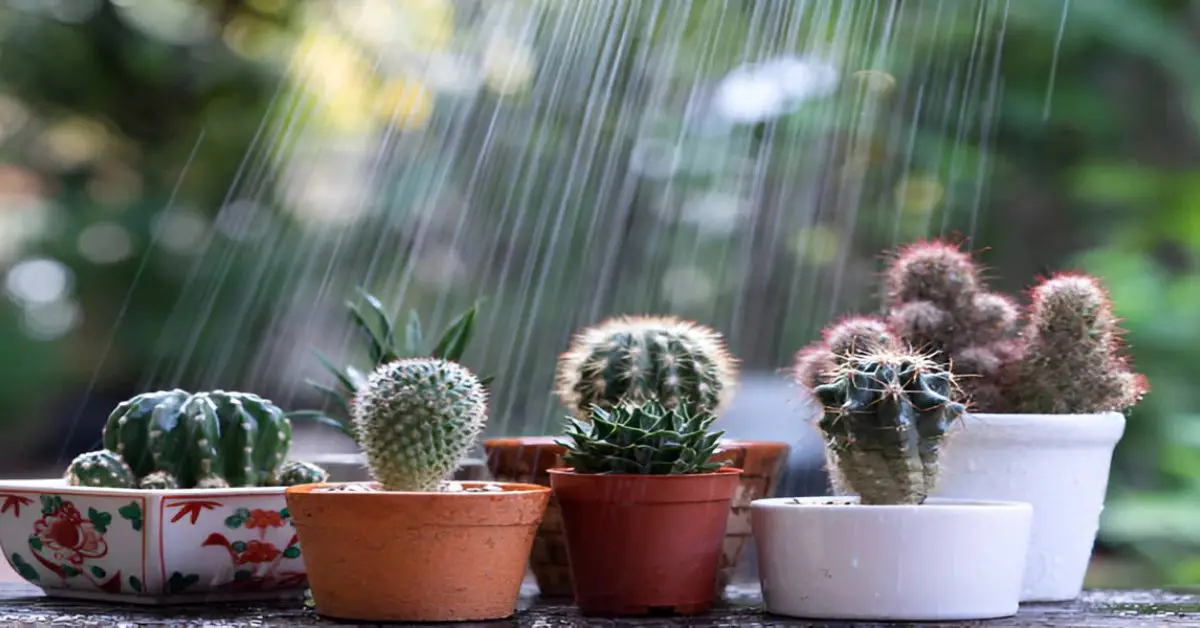
- Succulents & cacti: Infrequent, deeper watering; let soil dry completely.
- Orchids: Weekly soak in room-temp water, then drain fully.
- Tropicals (monstera, pothos, philodendron): Keep soil evenly moist, but not soggy.
- Ferns & calatheas: Prefer consistent moisture, but hate sitting in water.
Each type has its rhythm—once you match your routine to the plant, you’ll see healthier growth without the risks of gimmicks.
Which of these safe methods do you already use, and have you noticed your plants responding differently when you switch?
Are There Any Exceptions?
I know what you might be thinking: “But I’ve seen people use ice cubes on orchids, and they looked fine.” That’s true— other guides mention orchids as an exception. The nuance here is that orchids in commercial settings are often grown in moss or bark that drains quickly, so the ice melts without sitting long. Even then, experts stress it’s not ideal. Orchids may tolerate the practice, but they don’t thrive on it.
The same goes for sturdy foliage plants like snake plants or pothos. These species are tough, resilient, and forgiving of mistakes. They might survive a few ice cubes now and then, but survival isn’t the same as healthy growth. Over time, even hardy plants can show signs of stress when their roots are repeatedly exposed to cold, uneven moisture.
That’s the real takeaway: “tolerate” doesn’t mean “recommended.” Just because a plant won’t die immediately doesn’t mean the method is good for its long-term health. If you want vibrant, growing plants instead of ones that are just hanging on, stick to safer watering routines.
Quick Comparison – Ice Cubes vs Safe Methods
Here’s a side-by-side look at how the popular ice cube trick stacks up against tried-and-true approaches:
| Method | Pros | Cons |
|---|---|---|
| Ice Cubes | Easy to measure; prevents accidental dumping of water | Cold shock to roots; uneven absorption; promotes fungus gnats; not natural for tropicals |
| Room-Temperature Water | Mimics natural rainfall; prevents root stress; encourages steady growth | Slightly easier to overwater if you don’t check soil |
| Bottom Watering / Self-Watering Pots | Promotes deep root growth; reduces gnats by keeping topsoil dry; great for travelers | Takes more time and planning; not ideal for all soil types |
This kind of comparison makes it clear: the ice cube hack looks neat on social media, but when stacked against healthier methods, it’s the weakest choice.
If you’ve ever tried two of these methods side by side, which one gave you the healthiest plants?
The Real Answer to “Can Ice Cubes Hurt Indoor Plants?”
At the end of the day, ice cubes might look like a clever fix, but they come with risks your plants don’t deserve. Cold shocks, uneven watering, and hidden stress all add up over time. Sure, some plants may survive it, but survival isn’t the same as thriving.
If you want long-term, healthy growth, room-temperature watering and simple checks like the finger test will always win. Your plants don’t need a cold shock; they need care as natural as rain.
What about you—have you ever tried the ice cube trick, and did your plants react differently? Share your experience in the comments below. And for more practical tips to keep your greens happy, visit Plant Care Dairy for guides that actually work.
Disclaimer: This article is for informational purposes only and should not replace professional horticultural advice. Always check the specific care needs of your plants before making changes to your watering routine.