
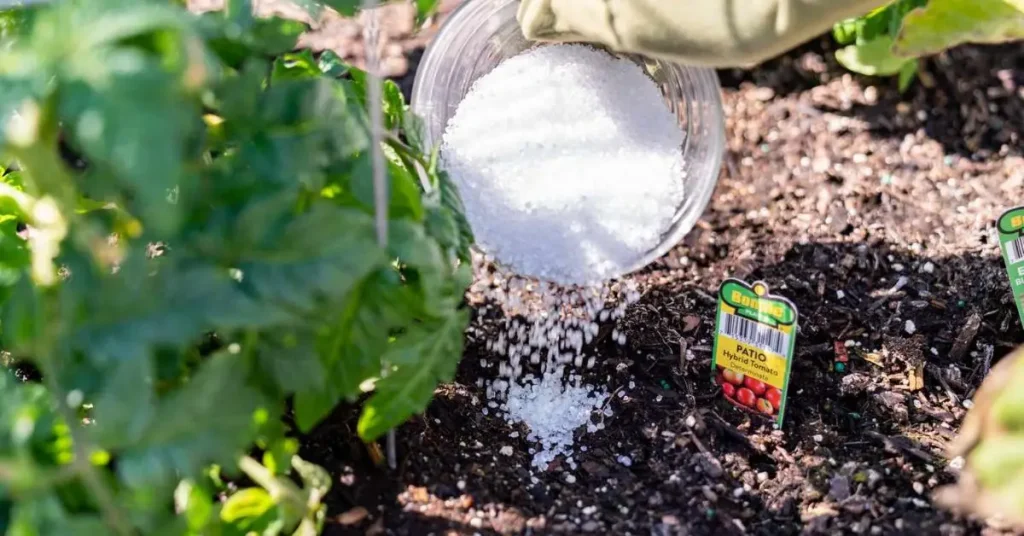
I’ve seen too many gardeners sprinkle “a little” sea salt and wonder why their leaves crisp up a week later. Sea salt isn’t a miracle powder or a villain—it’s a tool. Used right, it can support plant strength; used wrong, it quietly sabotages roots and soil.
You and I both want the same thing: sturdy plants that handle heat, pests, and stress without babying them. Sea salt can help because it carries trace minerals your soil might be missing. But the same sodium that toughens coastal plants can stress tender veggies if you overdo it.
So here’s my promise. I’ll show you how to use sea salt safely, where it actually makes sense, and when to skip it. No vague tips—clear ratios, timing, and plant-by-plant notes. I’ll also flag common mistakes I see every spring, like foliar sprays on hot days or “just one more pinch” in containers.
If you’ve heard sea salt boosts flavor, deters slugs, or even suppresses weeds, we’ll separate the useful from the risky. We’ll look at soil type, pot vs. ground, and how to fix things fast if you go too far.
Ready to try this the smart way—not the guess-and-hope way? What plant in your garden are you most curious to test with sea salt first?
Understanding Sea Salt & Plant Health
What is “sea salt”?
When we talk about sea salt in the garden, we’re not just talking about the white grains on your dinner table. Sea salt comes from evaporated seawater and holds a mix of minerals like magnesium, calcium, potassium, and even trace elements such as zinc and iron. These are nutrients your plants actually crave in small amounts.
But here’s the tricky part—you’ll also find sodium chloride, and too much of that is what stresses plants. Think of it like a vitamin: the right dose strengthens, but an overdose can harm.
How does salt affect plants biologically
Salt interacts with plants on a very physical level.
- Osmotic stress: Excess sodium makes it harder for roots to pull in water, even if the soil looks moist.
- Nutrient uptake issues: Too much salt can block the absorption of potassium and calcium, leaving plants weaker.
- Soil microbes: Healthy soil life is delicate. High salt levels can shrink the population of beneficial bacteria and fungi that help roots grow.
In short, the same salt that protects a tomato from slugs might, in excess, also starve its roots.
Difference between sea salt, table salt, refined salts & other sources
Not all salts are equal in the garden.
- Sea salt: Mineral-rich, less processed, contains trace elements that can be beneficial.
- Table salt: Refined and often mixed with anti-caking agents—bad news for soil health.
- Rock salt / de-icing salt: Harsh, almost pure sodium chloride; can burn roots and compact soil.
- Epsom salt (magnesium sulfate): A different compound altogether, often used as a supplement for magnesium-hungry plants like peppers.
If you’re ever tempted to reach for kitchen salt, stop. The only version worth experimenting with is natural sea salt—and even then, moderation is everything. According to Purdue Extension, even small increases in soil salt levels can reduce plant vigor and cause leaf burn.
Pros & Cons: Real Benefits vs Risks
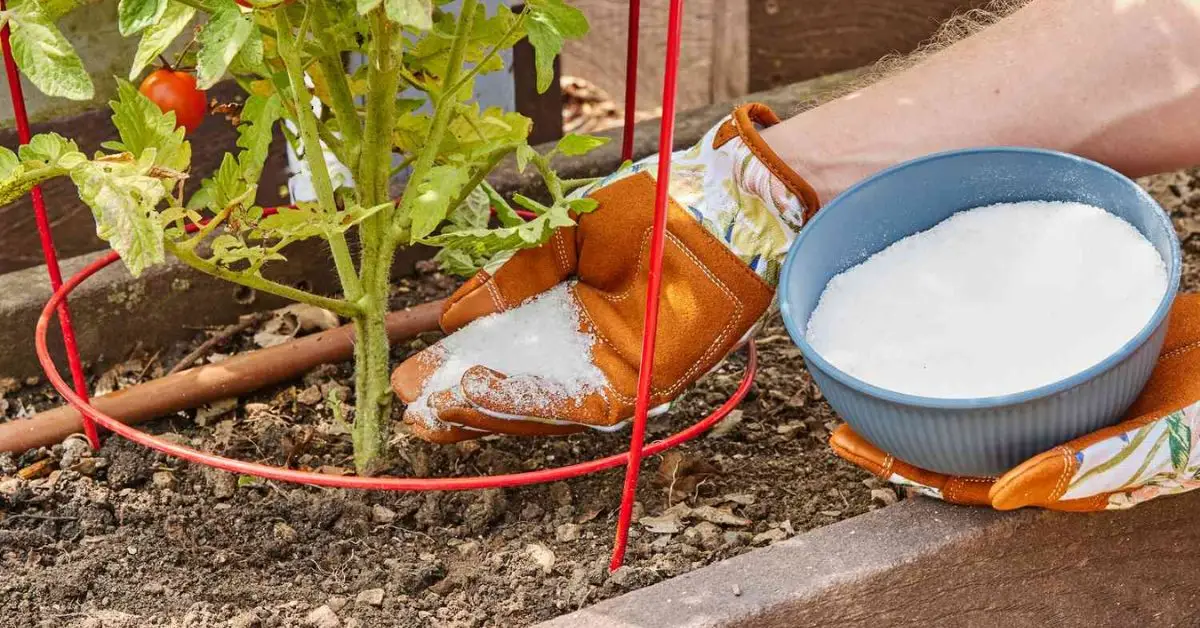
Benefits of using sea salt in the garden
Used wisely, sea salt offers a few real advantages:
- Trace nutrients: Supplies essential minerals like magnesium and calcium.
- Pest control: Sprinkled lightly, it discourages slugs and snails from chewing on leaves. If pests are a recurring headache, sea salt is just one tool—you can also explore organic methods like protecting plants from sap-sucking insects to keep your garden healthier without chemicals.
- Weed suppression: Salt in higher concentrations can dry out and kill unwanted weeds.
- Flavor & resilience: Some gardeners swear that a little sea salt boosts the flavor of tomatoes and strengthens plant resistance to disease.
Risks you need to watch out for
The downsides are just as real—and often show up slowly.
- Salt toxicity: Yellowing leaves, stunted growth, and burnt edges.
- Soil salinization: Over time, sodium builds up and locks out water and nutrients.
- Weak germination: Seeds struggle to sprout in salty soil.
- Damage to sensitive plants: Beans, strawberries, and many ornamentals can’t handle even mild salt exposure.
- Long-term soil health: High salt weakens the microbial network that makes soil fertile.
Conditions when benefits outweigh risks
Sea salt isn’t a universal fix—it works only in certain conditions:
- Soil type: Sandy soils drain better, making small salt doses less risky. Clay soils trap salt and cause faster buildup.
- Climate: In regions with heavy rainfall, salts wash away more easily. In dry climates, they accumulate and harm.
- Plant type: Coastal or salt-tolerant plants (like asparagus) can handle a pinch, while lettuce or beans cannot.
Safe Application: Dosage, Methods, & Frequency
How much sea salt is safe?
This is where most people slip up—thinking “a little extra won’t hurt.” In reality, plants respond to salt in very small doses.
- General soil drench: About 1 tablespoon of sea salt dissolved in 1 gallon (3.7 litres) of water, applied once per season.
- Foliage spray: Half that strength—½ tablespoon per gallon—to avoid leaf burn.
- Pest barrier: A light sprinkle around the base, never a thick line that can soak into the roots.
I’ve seen gardeners double the mix “for faster results,” and within days the leaves curled up. Trust me, less is always more with salt.
Application methods
There are a few safe ways to use sea salt, depending on your goal:
- Soil drench: Pour diluted mix at the base of established plants to supply trace minerals.
- Foliar spray: Light mist on leaves, only in early morning or evening, never in direct sun.
- Slug/snail barrier: Sprinkle lightly in a ring, but keep it a few inches away from stems.
- Pre-plant amendment: Blend a tiny amount into compost or soil weeks before planting, so rains can wash it down.
Each method has a different purpose, and you don’t need to try them all at once. Start with one, observe, then adjust.
Best times & conditions
Timing matters more than people think.
- Weather: Apply on cool, overcast days or early mornings to reduce stress.
- Soil moisture: Slightly moist soil is ideal—never apply salt on bone-dry soil.
- Plant stage: Mature, established plants tolerate salt better than seedlings.
If your region is dry, wait until after a good rainfall to let the soil buffer itself before adding any salt mix.
Plant & Soil Specific Advice
Plants that tolerate or benefit from sea salt
Some plants naturally grow near coasts or have built-in tolerance. A few even thrive with trace amounts of salt:
- Asparagus
- Beets
- Kale and spinach
- Certain ornamentals like daylilies and sedum
These plants can handle the occasional pinch and may even benefit from the added minerals.
Plants to avoid / salt-sensitive ones
Other plants collapse quickly under salty conditions. From my experience, these should stay far from sea salt:
- Beans
- Strawberries
- Lettuce and cucumbers
- Young seedlings of almost any crop
They show signs like scorched leaf edges and stunted growth after just one overzealous application.
Soil types and how salt behaves
Salt doesn’t behave the same in every garden bed:
- Sandy soil: Drains well; small doses of salt leach out faster, making it slightly safer.
- Clay soil: Holds onto sodium, leading to quicker buildup and plant stress.
- Loamy soil: Balanced, but still needs careful monitoring—good drainage helps but doesn’t cancel the risk.
According to University of Missouri Extension, even modest salt buildup can block roots from accessing water efficiently, especially in heavier soils.
DIY Recipes & Practical Tips
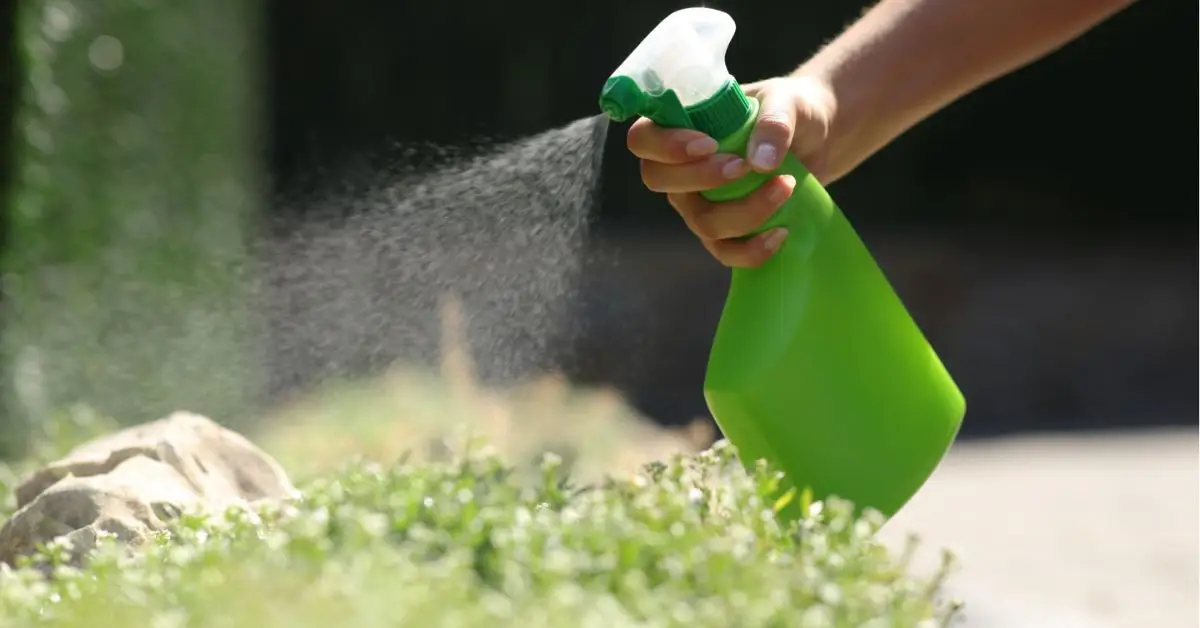
Simple mixture recipes & spray formulas
When I first tested sea salt in my garden, the difference came down to how little I used. The right ratio keeps plants strong without tipping into damage.
- Soil drench: Mix 1 tablespoon of sea salt in 1 gallon (3.7 litres) of water. Apply once in a growing season to sturdy plants.
- Foliar spray: Dilute further—½ tablespoon per gallon. Mist lightly on leaves in the early morning or evening.
- Weed treatment: For cracks in pavements or paths, 2–3 tablespoons per gallon works to dry weeds, but don’t use this near crops.
Always test your mix on a small patch first. A safe trial beats losing a whole row of plants.
Making barriers (for slugs / bulbs) using sea salt safely
Slugs and snails hate crawling across salt, but direct contact with stems or roots can burn plants. Use it as a shield, not a weapon.
- Create a thin ring a few inches away from bulbs or stems.
- On pots, a pinch along the rim is more effective than on the soil.
- Reapply lightly after rain—never pile it up.
This way, you keep pests at bay without poisoning the soil.
Integrating sea salt with compost or amendments
A smarter move is to mix sea salt with other organic matter so it releases gently.
- Add a pinch to compost—microbes spread minerals evenly.
- Blend it with kelp meal or leaf mold before working into soil.
- If you garden on heavy clay, balance with gypsum or organic matter to prevent sodium buildup.
Gardeners on DenGarden highlight that sea salt acts best as a micro-nutrient source, not a bulk fertilizer—something worth keeping in mind.
Monitoring & Troubleshooting
Signs of salt stress in plants
Salt damage isn’t subtle. Watch for:
- Brown, crispy leaf edges
- Drooping despite moist soil
- Slow growth and fewer blooms
- Blackened or shriveled root tips
Sometimes these stress signs can also come from pest infestations. For instance, spider mites mimic salt damage with speckled leaves—here’s how to get rid of spider mites without chemicals if you spot them.
The sooner you notice, the easier it is to reverse.
How to flush salt out / remediate soil
If you went heavy-handed with salt, don’t panic—you can fix it.
- Flood the soil: Drench with clean water to wash salts deeper.
- Improve drainage: Add compost, sand, or organic matter.
- Balance minerals: Mix gypsum or calcium sources to push sodium away from roots.
Fast action can save plants that look like they’re on the edge.
How often to test soil / observe plants
Salt isn’t something to guess with—it needs monitoring.
- Check soil salinity yearly if you use sea salt regularly.
- After each application, look for stress signs within a week.
- Rotate application spots so one bed doesn’t get overloaded.
Treat it like seasoning food—you add, taste, then adjust.
When & Why You Might Avoid Sea Salt
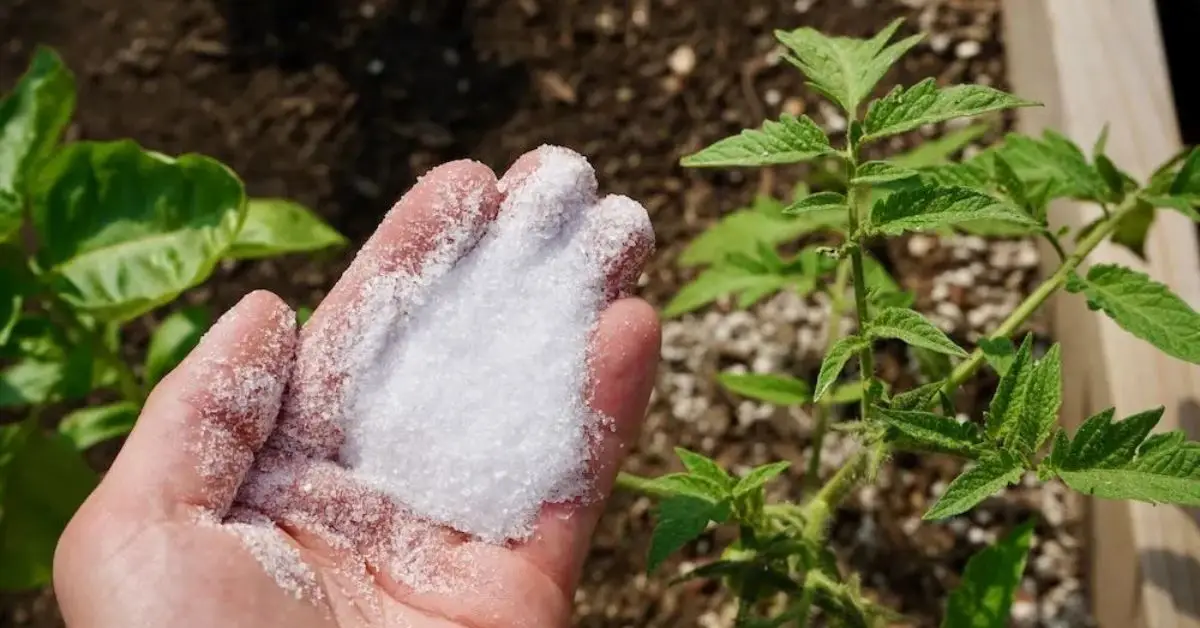
Scenarios where sea salt is not suitable
Some gardens just aren’t made for it. Skip sea salt if:
- You’re growing bulk crops—it’s not practical or cost-effective.
- Your beds are filled with delicate seedlings.
- You garden indoors, where salts don’t wash away.
- You live in an arid region with little rainfall.
In these cases, sea salt causes more problems than it solves.
Alternative natural supplements / mineral sources
If you’re worried about risks, safer mineral boosters exist:
- Seaweed extract: Mineral-rich, low in sodium.
- Compost: Improves both fertility and structure.
- Humic substances: Enhance nutrient uptake.
- Eggshells or rock dust: Gentle calcium and micronutrient release.
For boosting natural defenses, you can also encourage beneficial insects. Ladybugs, for example, eat aphids and other pests—our guide on how to get ladybugs in your yard shows simple ways to attract them.
They may not sound as quick, but they deliver steady, reliable plant health without the fear of salt buildup.
Final Thoughts
Quick checklist before you try
Before you sprinkle or mix anything, pause and double-check:
- Soil test: Know your baseline salinity—don’t guess.
- Plant type: Stick to salt-tolerant crops like beets, asparagus, or spinach; avoid beans or strawberries.
- Weather: Apply only in cooler conditions or after rainfall to prevent shock.
- Mixing ratio: Never exceed 1 tablespoon per gallon of water for soil drench; half that for foliar spray.
This checklist keeps you from making the classic mistakes that ruin soil in one season.
30-day plan to try sea salt safely
If you’re curious to see real results without gambling your whole garden, here’s a simple trial approach:
- Day 1–2: Pick one test plant or bed, ideally something hardy. Prepare your diluted mix.
- Day 3: Apply the mix lightly at the base or as a foliar spray.
- Day 4–10: Observe leaves daily—look for new growth or any early burn. Water normally.
- Day 11–15: If plants look healthy, repeat with another light application.
- Day 16–25: Keep monitoring. Take notes on growth, color, and pest activity.
- Day 26–30: Compare your test plant with untreated ones. If the trial worked, consider scaling up carefully.
Think of it as a mini-experiment—you’re gathering proof in your own soil before committing further.
I’d love to hear from you: Would you try sea salt on one of your plants this month, or do you prefer sticking to safer compost and seaweed? Drop your thoughts in the comments below.
And for more practical plant care tips, guides, and science-backed advice, visit us anytime at Plant Care Dairy.
Disclaimer: The information shared here is for general gardening purposes only. Sea salt use varies by soil type, climate, and plant sensitivity. Always test on a small area first and consult local agricultural or extension experts before large-scale application.