

Fall is that magical time when the garden starts to slow down, leaves turn gold, and the air feels crisp. But for me, it’s also the season to give my garden some real care without harming the environment. Over the years, I’ve learned that eco‑friendly practices in autumn aren’t just about being “green” for the sake of it—they make your soil richer, support wildlife, and actually make spring easier and more vibrant.
If you’re like me, you’ve probably seen guides telling you to rake every leaf, prune everything back, and bag up all the yard waste. And sure, some of that matters—but there’s a smarter, more sustainable way to prepare your garden for fall and winter.
In this article, I’ll share actionable eco‑friendly fall garden tips that go beyond the basics, drawn from research, real-life experience, and ideas often missed by typical guides. By the end, you’ll have a plan that helps your garden, the local ecosystem, and even your own time and effort.
What Makes Fall a Key Season for Sustainable Gardening
Fall isn’t just a beautiful season—it’s a crucial moment for setting your garden up for success while staying eco-friendly. I’ve found that if you treat autumn as more than just “cleanup time,” you can make decisions that benefit your soil, wildlife, and even your workload next spring. Let me break down why fall matters and what most guides miss.
Why Fall Is the Perfect Time for Eco‑Friendly Garden Practices
When the days get shorter and the air turns crisp, plants and soil start to behave differently. Here’s what I’ve learned:
- Soil and plant physiology: Cooler temperatures slow down plant growth above ground, but roots are still active. Leaving plants and leaves undisturbed helps roots store nutrients for the winter. You’ll also notice leaf drop—it might seem messy, but those leaves are nature’s mulch.
- Ecosystem benefits: Fall is a time when pollinators and beneficial insects prepare to overwinter. Leaving seed heads, grasses, and fallen leaves in place gives them shelter and food. I always try to strike a balance—tidy enough to feel orderly, but not so sterile that insects and birds have nowhere to hide.
- Environmental payoff: Composting garden waste instead of sending it to a landfill reduces emissions and gives your soil valuable organic matter. For a great guide on practical sustainable fall gardening strategies, I often refer to this article from Ecology Project.
The Usual “Fall Garden Checklist” — and What It Leaves Out
If you’ve looked at most fall garden guides, you’ve probably seen the same advice repeated:
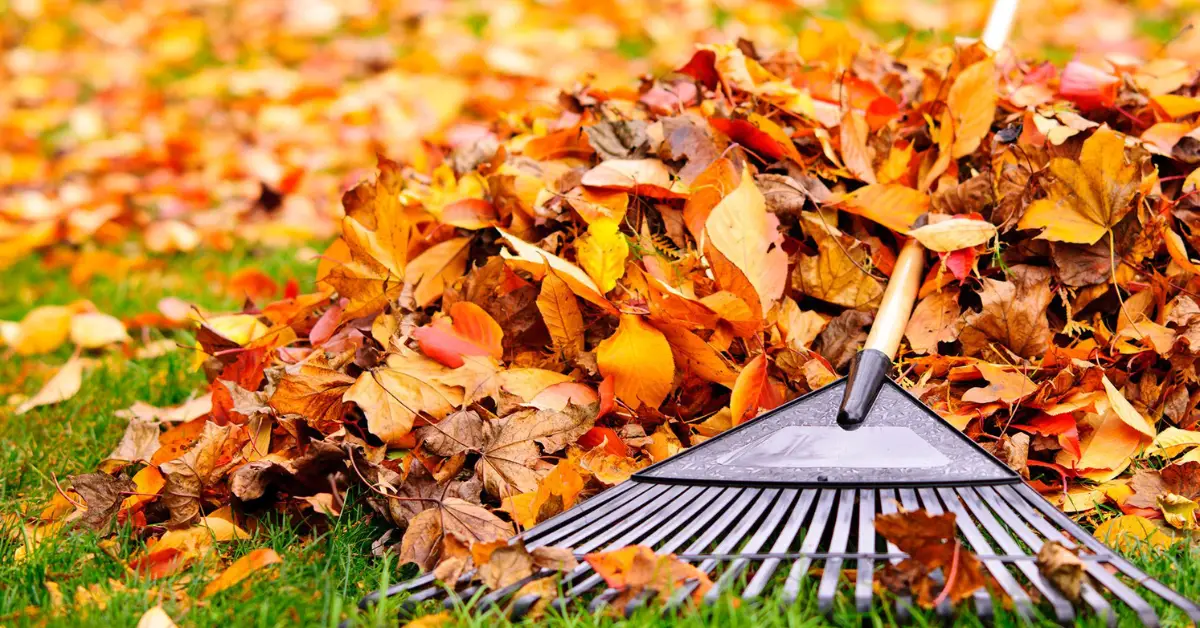
- Rake all leaves
- Prune back perennials
- Clear garden beds
- Mulch heavily
Here’s the thing—I used to do all of that too, until I realized some of these “best practices” can actually harm the ecosystem I want to support:
- Removing leaf litter completely deprives insects and soil organisms of shelter.
- Over-pruning can remove habitat for birds and insects that overwinter in stems.
- Many guides encourage planting bulbs but forget to mention leaving some stems and seed heads standing for wildlife.
Understanding these gaps helped me start thinking like a gardener who works with nature instead of against it. You can keep your garden looking neat while still giving the ecosystem a hand.
Soil Health and Waste Reduction — The Foundation for a Greener Fall Garden
Now let’s get practical. These are the actions I take every fall to maintain soil health and reduce waste:
- Use fallen leaves as mulch or compost instead of bagging them.
- Shred leaves and spread a 2–3 inch layer around plants.
- Leave some bare patches for ground-nesting bees—nature always finds a way to help itself.
- Avoid gas-powered tools like leaf blowers; stick to rakes or brooms.
- You’ll cut emissions and noise, and it’s gentler on beneficial insects hiding in the leaves.
- Test your soil before adding amendments.
- Not every garden bed needs fertilizer. I like to save money and resources by only applying what’s necessary.
- Set up or expand a compost system for both kitchen and garden waste.
- Over the years, I’ve noticed that composting in place gives my soil structure, moisture retention, and nutrients for spring planting.
- Plant cover crops or apply green mulch instead of leaving bare soil.
- Cover crops prevent erosion, retain nutrients, and even improve biodiversity by supporting insects and microfauna.
If you’re interested in companion planting that naturally improves soil fertility, you might also enjoy learning about the Three Sisters Gardening Method, where corn, beans, and squash grow together to enrich the soil and support biodiversity.
Creating a Garden that Works for Wildlife, Soil & Your Eyes in Fall
When I think about fall gardening, I don’t just think about plants looking good—I think about creating a little ecosystem in my own backyard. You can enjoy a beautiful garden while helping pollinators, birds, and soil life thrive. Here’s how I approach it:
- Plant native perennials and bulbs in fall
- I choose species like Camassia and snowdrops that naturally thrive in my region.
- These plants provide early spring blooms and support pollinators coming out of winter dormancy. If you grow ornamental plants like roses, fall is the perfect time to prepare them for winter—check out this expert guide on how to care for roses in autumn to protect blooms and support healthy growth next spring.
- Leave seed heads and grasses standing until spring
- This might feel untidy at first, but those stems provide food and shelter for birds and insects during the colder months.
- Reduce lawn area or replace with pollinator-friendly zones
- Lawns look neat but are resource-heavy. Converting even a small patch to native plants or wildflowers boosts biodiversity while cutting maintenance.
- Plant for late-season nectar and habitat
- Some butterflies, bees, and migrating birds rely on fall blooms. Adding asters, goldenrod, or late-season shrubs can make a big difference.
- Use drought-tolerant or fire-resistant plants where appropriate
- In my area, low-water landscaping is not only eco-friendly but also reduces fire risk. These hardy plants thrive without constant attention, making fall prep easier.
- For practical examples, I often refer to trend guidance from J Walsh Gardens on sustainable, low-water plant selections.
Smart Practices for Water Use & Equipment in Your Fall Garden

Even in fall, water management and tool choices matter more than most guides suggest. I’ve learned that small adjustments save resources and keep your garden healthier.
- Capture rainwater for fall watering: I set up simple barrels to collect rainfall, which I then use for plants instead of tap water. It’s easy, free, and environmentally responsible. For gardeners who want to extend the growing season or protect delicate plants during fall and winter, building a simple greenhouse can make a huge difference—here’s a detailed guide on how to build and maintain a greenhouse step by step.
- Switch to manual or electric garden tools: I swapped my gas-powered blower for a broom and rake last fall. It’s quieter, safer for insects hiding in leaves, and reduces emissions significantly.
- Avoid bare soil; apply mulch: Mulching regulates moisture, prevents erosion, and protects soil organisms during heavy rains. I use shredded leaves and composted material to cover beds.
- Manage paths and hardscape: Simple steps like adding permeable stones or mulch to paths reduce heat absorption and runoff. It’s a small detail that protects the wider garden ecosystem.
Your Fall Garden Calendar — What to Do and When
I always find that breaking down tasks by month keeps my fall garden manageable and productive. Here’s a schedule I follow:
- Early fall (September–October)
- Test your soil to know what it needs.
- Plant bulbs and reduce lawn areas.
- Begin leaf-mulching for winter protection.
- Mid-fall (October–November)
- Prune selectively—don’t overdo it.
- Leave seed heads standing for wildlife.
- Set up compost bins and start raking leaves strategically.
- Late fall (November–December)
- Mulch beds and plant cover crops.
- Protect your tools and prepare rainwater systems for winter.
- Quick “What not to do” checklist:
- Avoid over-pruning and clearing all leaves.
- Don’t till bare soil aggressively—let nature do its work.
This calendar keeps me organized and ensures my garden supports wildlife, conserves resources, and stays healthy through winter.
Common Fall Gardening Mistakes and Eco‑Friendly Fixes
Even experienced gardeners can fall into habits that seem helpful but actually harm the ecosystem. Over the years, I’ve made some of these mistakes myself—and learned how to fix them. If you pay attention now, your fall garden can thrive without unnecessary effort or damage.
- Raking up all leaves and bagging them
- I used to think a completely tidy garden looked best, but removing every leaf robs insects and soil organisms of shelter.
- Fix: Recycle leaves in place or add them to a compost pile. This feeds your soil naturally.
- Heavy pruning of perennials in fall
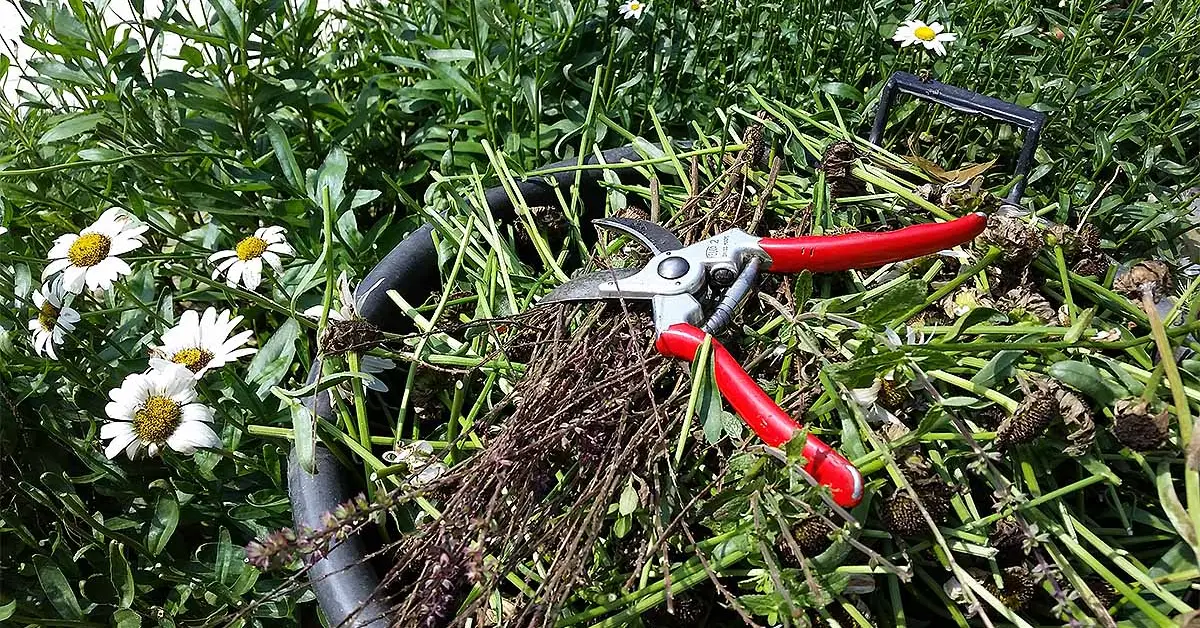
- Cutting everything back too soon can destroy habitats for overwintering birds and beneficial insects.
- Fix: Leave stems standing and prune selectively. It looks less “perfect,” but it supports wildlife.
- Leaving soil bare over winter
- Bare soil is prone to erosion, nutrient loss, and can cool too quickly for microbes.
- Fix: Plant cover crops or apply mulch to retain nutrients and moisture.
- Using synthetic fertilizer and heavy chemical cleanup
- Many fall guides recommend aggressive fertilizing and weed control, but these practices disrupt soil life and runoff can harm local waterways.
- Fix: Switch to organic amendments, compost, and manual weeding. It’s better for soil, plants, and the ecosystem.
- For a practical overview of environmentally-friendly gardening practices, I often refer to the Woodland Trust’s guide.
- Gas-powered tools driving emissions and noise
- Leaf blowers and gas trimmers are convenient, but they pollute and disturb wildlife.
- Fix: Switch to manual or electric tools whenever possible. It’s quieter, cleaner, and surprisingly effective.
Being aware of these common mistakes has completely changed how I approach my fall garden. You don’t need to follow every “traditional” tip—just focus on what actually helps your garden and the wildlife around it.
What to Have on Hand Before You Begin
Before you dive into your fall garden, it really helps to have the right tools and materials ready. Over the years, I’ve found that being prepared makes the work easier and more enjoyable, and it ensures your garden benefits sustainably. Here’s my go-to checklist:
- Compost bin or worm farm – essential for recycling leaves, kitchen scraps, and garden waste.
- Shredder or mulcher for leaves – makes mulching faster and keeps your garden tidy while feeding the soil.
- Rainwater barrel or system – captures natural water to reduce tap water use.
- Native bulbs, pollinator-friendly seeds, cover crop seeds – these support local wildlife and improve biodiversity.
- Electric/battery-powered tools or hand tools – quiet, low-emission alternatives to gas-powered equipment.
- Soil test kit or lab arrangement – knowing your soil’s needs saves time, money, and unnecessary amendments.
- Mulch materials (leaves, woodchips, straw) – essential for protecting soil, retaining moisture, and preventing erosion.
- Garden journal or tracking app – keeps seasonal tasks organized and helps you track what works year after year.
Having these items on hand means you can implement eco-friendly practices immediately without scrambling for equipment or materials.
Your Eco‑Friendly Fall Garden — Start Today, Reap Tomorrow
If there’s one thing I’ve learned from years of gardening, it’s that small, thoughtful actions in fall make spring far easier and more rewarding. Let’s recap the three core takeaways:
- Soil and waste management – compost, mulch, and cover crops protect soil, conserve nutrients, and reduce landfill waste.
- Planting and habitat – native bulbs, seed heads, and pollinator-friendly plants support local ecosystems and make your garden lively year-round.
- Resource efficiency – water conservation, smart tool choices, and selective pruning save effort, money, and energy.
Now it’s your turn. Pick 2–3 of these tips and try them this week—you’ll notice the difference in soil health, plant growth, and wildlife activity.
I’d love to hear what works for you! Leave a comment below sharing your favorite eco-friendly fall tip, or visit Plant Care Dairy to explore more seasonal gardening guides, step-by-step tutorials, and tips that actually work. Sharing your experiences not only helps other gardeners but also builds a community passionate about nurturing nature responsibly.
Disclaimer: The tips and advice in this article are for general informational purposes only. Results may vary depending on your local climate, soil, and garden conditions. Always exercise caution when handling tools, plants, or chemicals, and consult local gardening experts if needed.