
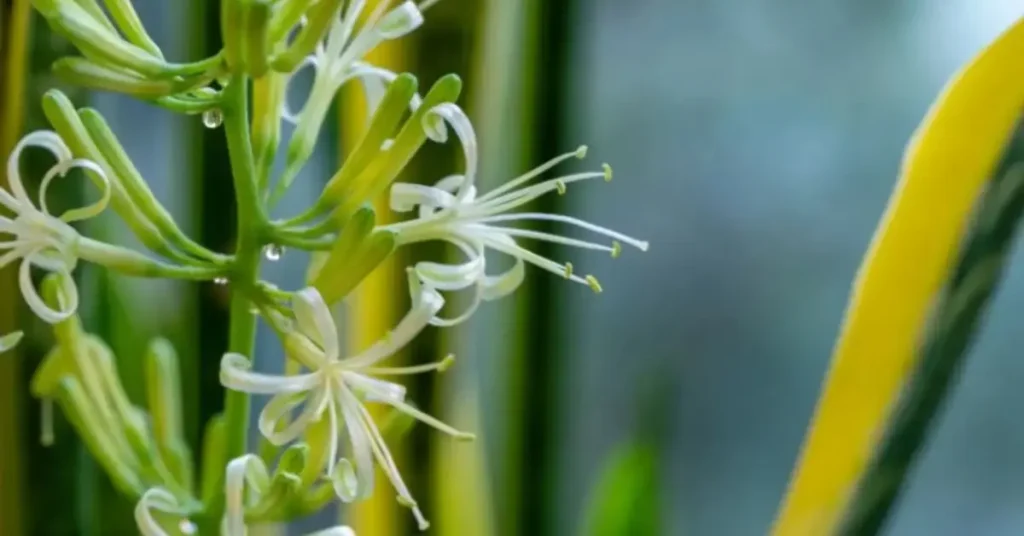
I know the feeling—you’ve cared for your snake plant for years and still haven’t seen a single flower. You start wondering if you’re doing something wrong, or if all those photos online are fake. I’ve grown and rehabbed more snake plants than I can count, and here’s the truth most people won’t tell you: blooms are rare, but not impossible.
A lot of advice out there says “add more fertiliser” or “move it to the sun.” That’s only half the story. Snake plants usually need age, bright but indirect light, and a little controlled stress—think snug roots and steady, lean care—to flip their “flower” switch. Most homes never send those cues, so the plant just coasts.
In this guide, I’ll show you how to set the right conditions without risking the plant’s health. We’ll cut through myths (no, blooming doesn’t mean it’s dying), explain the simple science in plain language, and set a realistic timeline. You’ll also learn the subtle signs a bloom is coming, so you don’t miss it.
Before we dive in, tell me this: how old is your plant, when did you last repot, and how much light does it get each day?
Snake Plant Blooms Are Rare—Here’s Why
If you’ve never seen your snake plant flower, you’re not alone. In fact, most owners never will. Snake plants bloom far more often in their natural habitat—warm regions of West Africa—where they get the right mix of light, heat, and seasonal stress. Indoors, we give them comfort: steady watering, cozy pots, and controlled temperatures. That’s great for healthy leaves but rarely enough to trigger blooms.
The truth is, even a perfectly cared-for plant might go decades without flowering. When a bloom does appear, it’s more of a happy accident than a predictable event. That’s why seeing those slim, fragrant stalks is so special—it means your plant has finally hit the right mix of maturity and stress to “decide” it’s time.
According to the University of Florida’s horticulture extension, snake plants flower only sporadically, usually when they’re rootbound or under just the right amount of stress, which explains why indoor blooms are so rare.
What’s Stopping the Blooms?
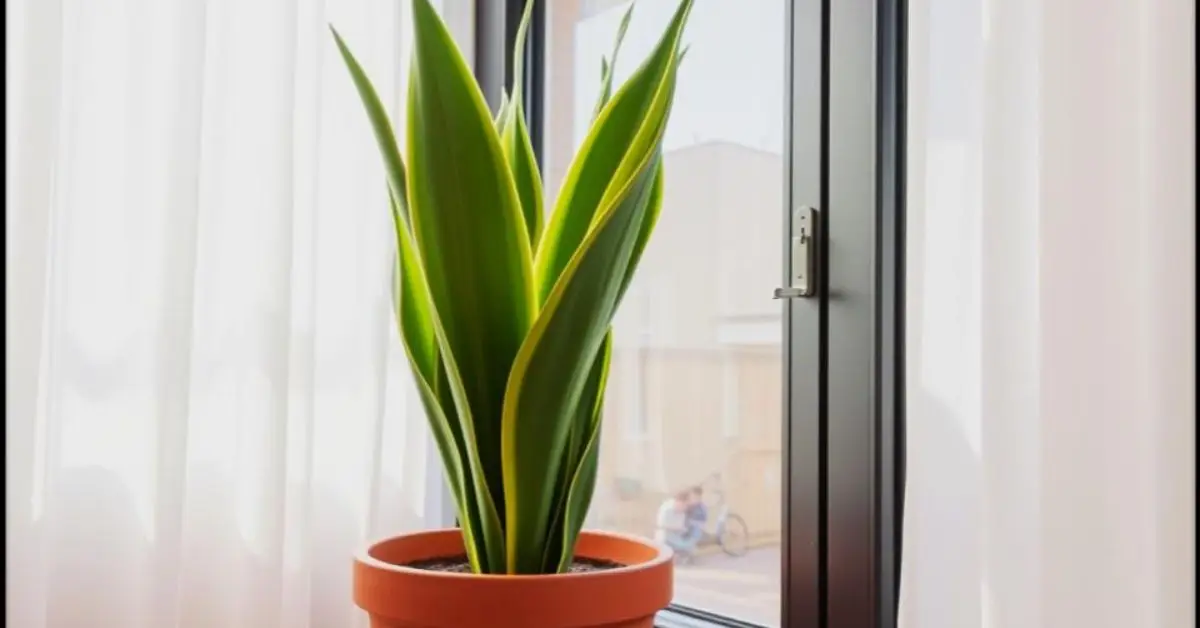
So why hasn’t your plant put out a flower stalk yet? Here are the most common reasons I’ve seen over the years:
Immature or Young Plant
Snake plants need to reach maturity before they can bloom. If yours is just a few years old, patience is the only fix.
Too Much Repotting
Every time you repot, the plant shifts energy back into stabilising roots and leaves. That delays flowering, since blooms aren’t essential for survival.
Inconsistent Light
Low-light corners keep the plant alive but not thriving. Without consistent bright, indirect light, there’s no energy surplus for flowers.
Over-Fertilising or Wrong Soil
Heavy nitrogen fertilisers push out lush green leaves, but they suppress the signals that trigger blooms. A balanced mix is key. If pests like aphids are weakening your plant, that can also slow down flowering. Learn how to get rid of aphids on houseplants without chemicals to keep your snake plant healthy and focused on growth.
Indoor Conditions vs Natural Stress Cues
In nature, snake plants endure dry spells and tight root spaces. Indoors, we pamper them—and that comfort removes the mild stress that sparks flowering.
What Triggers a Snake Plant to Bloom?
Most of the time, snake plants don’t flower because they’re simply too comfortable. Unlike many houseplants that thrive when pampered, these plants actually need a little bit of stress to switch into bloom mode. When they’re rootbound in a tight pot or left with irregular watering, the stress signals can act like a trigger—pushing the plant to reproduce through flowers. That’s why so many stories online mention blooms appearing after years of “neglect.”
Here are the main scientific triggers in simple terms:
- Mild stress matters – Rootbound conditions and inconsistent watering can push the plant toward reproduction, leading to blooms.
- Photoperiodism counts – Snake plants respond to day length and light exposure. Bright, indirect sunlight gives them the reserves they need.
- Energy storage is key – Thick leaves act like a savings account. Once enough carbohydrates are stored, the plant can afford to bloom.
- Plant hormones help decide – Growth regulators like gibberellins and auxins balance leaf growth with reproductive signals.
Light also plays a bigger role than most guides explain. Without enough brightness, the plant stays in survival mode and avoids flowering altogether. When you combine steady light with just the right amount of stress, that’s when blooms become possible indoors.
Practical Steps to Nudge Your Plant Into Flowering
Getting a snake plant to bloom indoors isn’t about fancy tricks—it’s about creating just the right balance of comfort and stress. Here’s what works best:
Right Pot Size – Rootbound Is Good
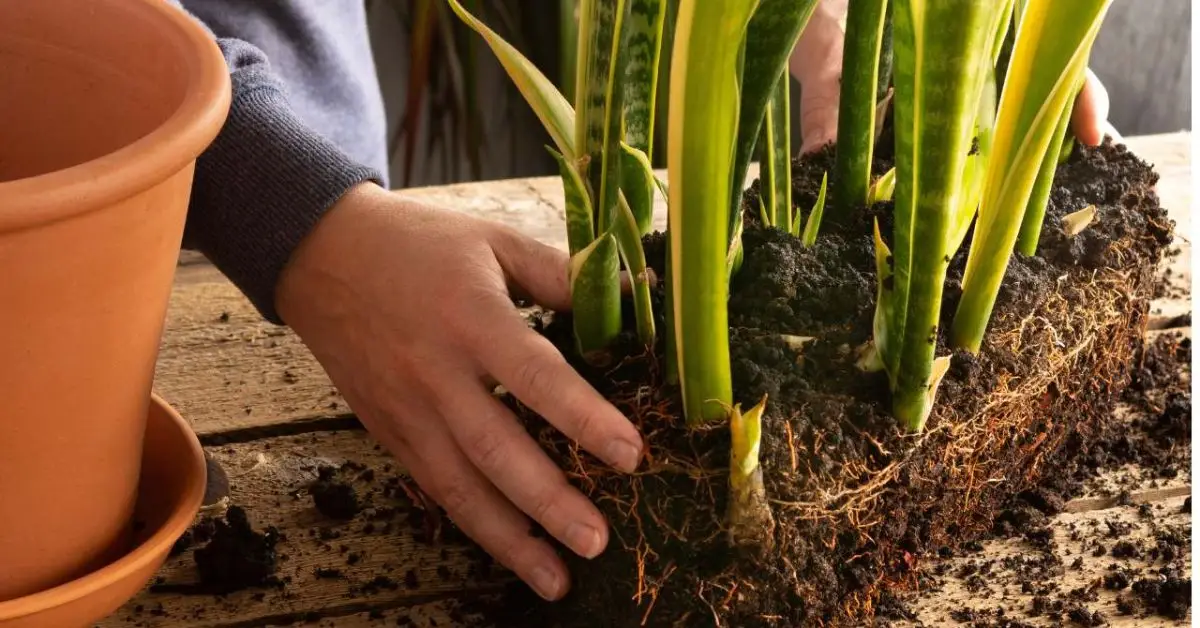
Snake plants bloom more often when their roots are snug. Avoid upsizing pots too often; a little crowding encourages flowering.
Controlled Neglect – Light Watering, No Constant Fuss
Overwatering keeps the plant too “relaxed.” Let the soil dry almost completely before watering again. That slight stress is a natural trigger.
Sunlight Sweet Spot – Indirect but Bright
Place the plant near a window where it gets steady, indirect light. Too little light stalls blooms, while harsh direct sun can scorch leaves.
Balanced Fertiliser Use – Not Overloading Nitrogen
Skip heavy nitrogen blends. A balanced fertiliser every few months supports healthy growth without tipping energy away from blooms.
Temperature & Seasonal Cues – Mimic Natural Cycles
Snake plants respond to seasonal rhythms. If possible, give them warmer days and slightly cooler nights to echo outdoor conditions. Seasonal changes indoors can make or break the bloom cycle. Here’s a guide on how to protect your indoor plants during the winter months so your snake plant doesn’t lose its rhythm when the temperature drops.
According to The Spruce, snake plants often bloom only when they’ve matured and faced just enough stress—being rootbound, getting steady light, and receiving lean care all play a role in sparking flowers.
Bloom Clues to Watch For
If your snake plant is about to reward you with flowers, it will give subtle hints before the stalks open. Keep an eye out for these signs:
- Slim stalks at the base – Tall, narrow spikes emerge from the soil line before buds appear.
- Sweet fragrance hints – A faint, sugary smell may linger near the plant, even before blooms open fully.
- Leaf behaviour changes – Some owners notice leaves standing more upright or slightly stiffening as the plant prepares to bloom.
Spotting these early cues makes the wait more exciting, and it ensures you don’t miss the short-lived but beautiful flowering show.
From Bud to Bloom to Aftercare
Bloom Appearance + Fragrance Explained
When a snake plant finally flowers, you’ll see tall, slim stalks rising from the base, dotted with clusters of greenish-white buds. As they open, the blooms release a sweet, almost vanilla-like fragrance that fills the room—often strongest in the evening. Sticky nectar may drip from the blossoms, so it’s wise to place a tray or cloth underneath to protect nearby surfaces.
Do Blooms Mean the Plant Is Dying? (Myth Bust)
It’s a common worry: does flowering mean your plant is at the end of its life? Thankfully, no. Snake plants can continue producing new leaves for many years after a bloom. The flower is a rare event, but it doesn’t signal decline.
Post-Bloom Care Tips (Cut Stalk, Rest Cycle)
Once the flowers fade, trim the stalk close to the soil line using clean scissors. Avoid the temptation to overwater or overfertilise afterward. A short rest period—normal watering, good light, and patience—helps the plant bounce back and continue thriving.
Blooming Doesn’t Always Mean What You Think
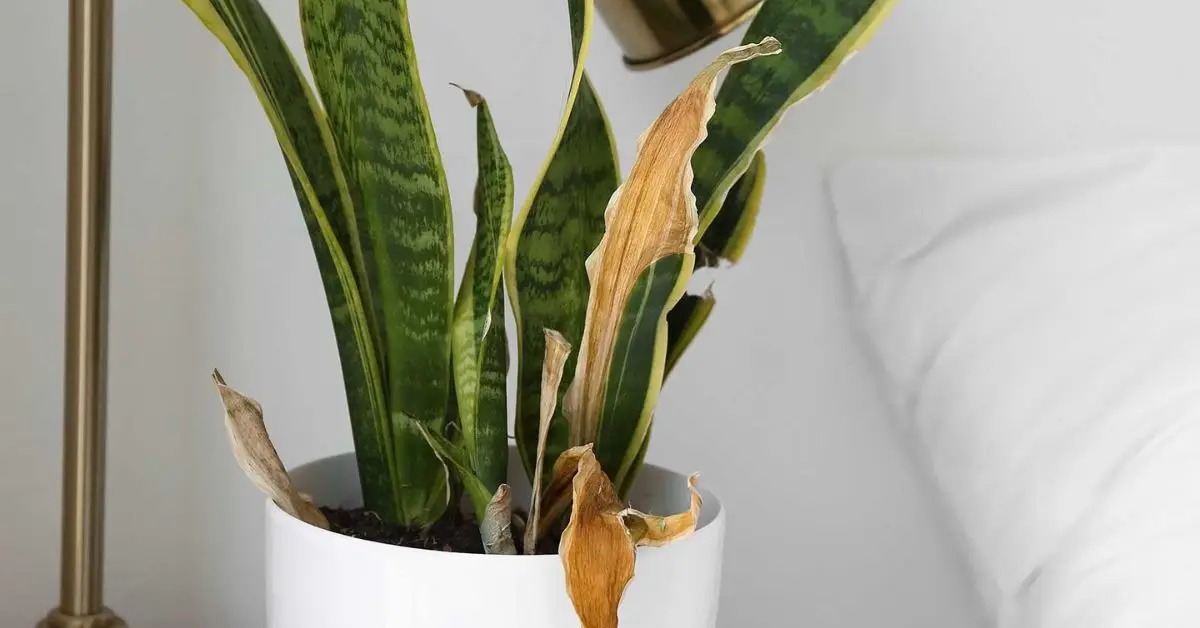
Myth: Blooming = Plant Is Dying
Flowering doesn’t equal death. It’s simply a rare reproductive event, not a final one.
Myth: Blooming Happens Every Year
In truth, most snake plants bloom unpredictably, sometimes once in a decade or not at all indoors.
Myth: You Must Fertilise Heavily to Get Flowers
Dumping fertiliser won’t force blooms. In fact, excess nitrogen encourages leaf growth at the expense of flowers. Balanced, sparing care works better.
By clearing up these myths, you can stop second-guessing and focus on what actually helps: time, light, and steady patience.
Love Your Snake Plant, Blooms or Not
Even if you never see a flower, your plant is still pulling its weight. Snake plants are among the easiest houseplants to keep alive, and their upright, sword-like leaves bring both beauty and resilience to any room. Beyond looks, research has shown they also contribute to better living environments. A study on the effect of snake plants on indoor air quality and human well-being found that these plants help reduce pollutants and create healthier spaces, even in enclosed indoor settings like hostels.
So, whether yours ever blooms or not, the plant is still improving your air, brightening your home, and rewarding you with effortless greenery. Flowers are just the bonus—its real gift is day-to-day health and presence. And if you’re inspired to expand your indoor greenery beyond snake plants, start small with kitchen herbs—here’s how to grow herbs indoors with five smart tips that even beginners can follow.
Your Bloom Checklist
If you’ve been waiting for that elusive flower stalk, here’s a quick recap of what really matters:
- Be patient – blooms only come when the plant is mature and has built up enough energy.
- Stress helps – mild rootbound conditions or irregular watering can trigger flowering.
- Light is non-negotiable – steady, bright, indirect light gives the plant the reserves it needs.
- Less fuss, more trust – don’t overwater, overfertilise, or repot too often.
- Remember: rare = special – treat blooms as a bonus, not the only measure of success.
Your snake plant may never flower, and that’s okay. When it does, it’s a gift. When it doesn’t, it’s still quietly purifying your air, thriving with minimal care, and adding beauty to your space.
What about you—have you ever seen your snake plant bloom, or are you still waiting? Share your story in the comments below.
For more plant care tips, seasonal guides, and expert insights, visit Plant Care Dairy—your home for everything green and growing.
Disclaimer: The information in this article is for general educational purposes only. Snake plant growth and blooming can vary based on individual conditions. Always research and consider your local environment before making major changes to plant care.