
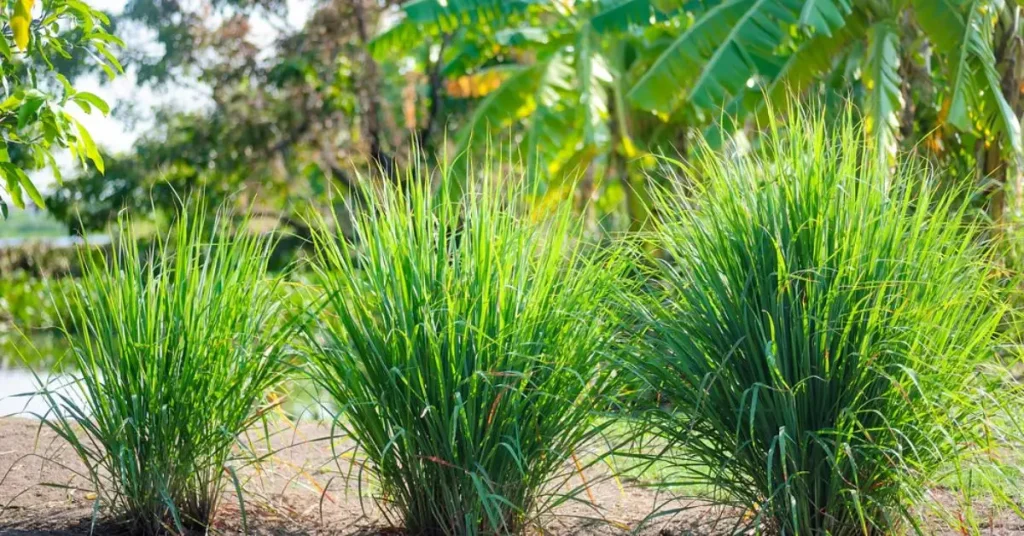
Growing lemongrass at home is one of the most rewarding gardening experiences. Whether you’ve been craving fresh lemongrass for your cooking or you’re drawn to its soothing, lemony fragrance, this versatile plant has a lot to offer. And the best part? It’s incredibly easy to grow — once you know the right steps.
In this guide, I’ll walk you through everything you need to know, from selecting the right seeds to harvesting your very own lemongrass. You’ll learn about the optimal soil, the best climate conditions, and the care it needs throughout its growth stages. If you’re thinking of adding this aromatic herb to your garden, you’re in the right place!
So, let’s dig in and start planting — together!
Understanding the Climate and Soil Conditions for Lemongrass
Ideal Temperature and Humidity for Growth
Lemongrass thrives in warm, tropical to subtropical climates. The ideal temperature for optimal growth is between 70°F to 85°F (21°C to 29°C). These temperatures help the plant grow vigorously and produce the best flavor.
Lemongrass also loves high humidity. If you live in an area with dry air, consider growing it in a greenhouse or near a humidifier to replicate those tropical conditions. Aim for a humidity level of around 50% to 60% for healthy growth.
If you’re in a region that has cold winters, it’s best to grow lemongrass as an annual or bring it indoors when temperatures drop. But in tropical or subtropical regions, lemongrass can be a long-term garden staple.
Best Soil for Lemongrass
Lemongrass prefers well-drained, loamy soil rich in organic matter. The soil should be slightly acidic to neutral (with a pH of about 6.0 to 7.0). These conditions help the roots spread easily, allowing the plant to thrive without being waterlogged.
To improve soil quality, mix in organic compost or well-rotted manure. For more tips on improving soil health, learn about Best Mulch Types for Gardens: How to Keep Plants Healthy Year-Round, which provides guidance on mulch options that can help your garden soil retain moisture and nutrients.
This will not only enrich the soil but also improve its structure, ensuring the roots get the nutrients they need. If your soil tends to be heavy or clay-like, consider amending it with sand or perlite to improve drainage.
If you’re growing lemongrass in pots, use a high-quality potting mix with good drainage. And don’t forget to make sure the container has holes at the bottom for excess water to escape.
For more on choosing the right soil for your garden, check out The Spruce’s Gardening Tips.
Step-by-Step Guide: Growing Lemongrass from Seed

Step 1: Preparing the Seeds for Planting
The first step to growing lemongrass from seed is selecting the right seeds. Make sure to choose fresh, high-quality lemongrass seeds from a reputable supplier. If you’re using seeds from a previous harvest, ensure they’re still viable by performing a germination test (just place a few seeds in a damp paper towel to see if they sprout).
Once you have your seeds, soak them in warm water for about 24 hours. This softens the seed coat, promoting better germination. While soaking, you can also start preparing the soil. Aim for well-drained, loamy soil mixed with some organic compost, which will give your seeds the best start.
Step 2: Sowing Lemongrass Seeds Indoors (if applicable)
If you live in a region with a short growing season, start your lemongrass seeds indoors, ideally 6-8 weeks before the last expected frost. Use seed trays or small pots filled with a light, well-draining potting mix.
Gently scatter the seeds on the surface of the soil and cover them lightly with a thin layer of soil or vermiculite. Keep the soil moist but not waterlogged, and place the tray in a warm location. Lemongrass seeds typically take about 14-21 days to germinate, depending on temperature and moisture. During this time, keep the soil consistently warm—around 75°F (24°C) is perfect for them.
As the seedlings begin to emerge, be sure to give them enough light. A south-facing window or a grow light will help them grow strong and healthy. Once your seedlings reach 2-3 inches in height, it’s time to move on to the next step.
Step 3: Transplanting to Outdoor Garden or Pots
When the danger of frost has passed and temperatures are consistently above 70°F (21°C), it’s time to transplant your seedlings outdoors. Choose a sunny location with well-drained soil (just like the conditions in Step 1). If planting in pots, make sure the containers are large enough for the roots to spread—at least 12 inches deep.
When transplanting, ensure that your seedlings are spaced at least 12-18 inches apart to give them room to grow. If you’re planting in rows, leave about 18-24 inches between them. Proper spacing is key to preventing overcrowding, which can hinder growth.
If you’ve started your seedlings indoors, harden them off by gradually exposing them to outdoor conditions over the course of a week, starting with a few hours a day in indirect sunlight and slowly increasing the exposure.
Watering, Fertilizing, and Maintenance for Healthy Growth
Watering Tips: How Much and How Often
Lemongrass loves moisture, but overwatering can lead to root rot. The key is to keep the soil consistently moist but not waterlogged. How often you water will depend on the soil type and the weather conditions.
- In warmer weather, you’ll likely need to water every 2-3 days. During hotter months or in dry climates, lemongrass will require more frequent watering.
- In cooler weather or during rainy spells, reduce watering to once a week or when the top 2 inches of soil feel dry.
- Soil type plays a huge role—if you have well-drained soil, you’ll need to water more often than if your soil holds moisture well.
A good practice is to water deeply and infrequently, allowing the soil to dry slightly between watering sessions. If you’re wondering about the best times to water your plants, check out our article on Day vs Night: When is the Best Time to Water Your Plants? to help you determine the optimal watering schedule for your garden.
Fertilization and Soil Amendments
Lemongrass thrives in nutrient-rich soil. It benefits from regular fertilization, especially if the soil is poor in organic matter. Use an organic compost or balanced fertilizer that contains nitrogen, phosphorus, and potassium to keep your lemongrass healthy.
- Apply compost around the base of the plant during the growing season. This will provide slow-release nutrients and improve the soil’s structure.
- For plants in containers, consider using a liquid fertilizer every 4-6 weeks to supplement their growth.
Common Pests and Diseases in Lemongrass (and How to Handle Them)
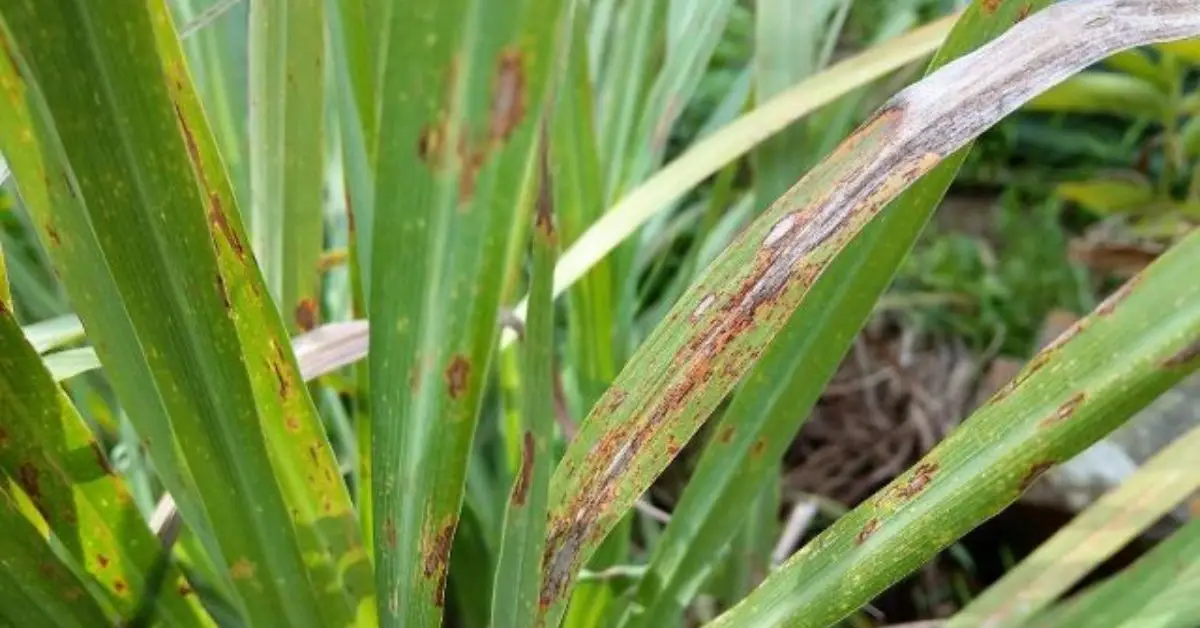
Identifying and Managing Common Pests (e.g., aphids, spider mites)
Lemongrass is generally pest-resistant but can still fall victim to common pests like aphids, spider mites, and whiteflies. These pests can weaken your plants and cause yellowing or wilting.
- To get rid of aphids, spray the affected plants with a jet of water to dislodge them.
- For spider mites, increase humidity around your plants, as they thrive in dry conditions. In severe cases, use an organic neem oil spray.
Dealing with Mold and Root Rot
Lemongrass can be prone to mold and root rot if the soil stays too wet or if there’s poor drainage. Root rot is most common in heavy, waterlogged soils.
- Mold can be treated by cutting back affected leaves and improving air circulation around the plant.
- To prevent root rot, ensure good drainage in your pots and garden bed. Avoid standing water around the roots, and only water when necessary.
When and How to Harvest Lemongrass
Signs of Maturity: How to Know When It’s Ready to Harvest
Lemongrass is ready to harvest when the stalks are at least 12 inches tall and have a strong lemon scent. The outer leaves will start to turn a bit brown or dry, and the plant will become dense with leaves. If your lemongrass reaches about 18 inches tall, it’s time to cut!
Harvesting Methods
When it’s time to harvest, use sharp gardening shears or a pruning knife to cut the stalks at the base of the plant. Make sure to leave some stalks behind to allow for future growth. Always cut a few inches above the soil to encourage new shoots to grow.
You can harvest lemongrass throughout the growing season, but it’s best to cut just what you need to avoid stressing the plant.
For detailed harvesting and usage tips, visit The Prairie Homestead’s Guide.
Storing and Preserving Lemongrass for Future Use
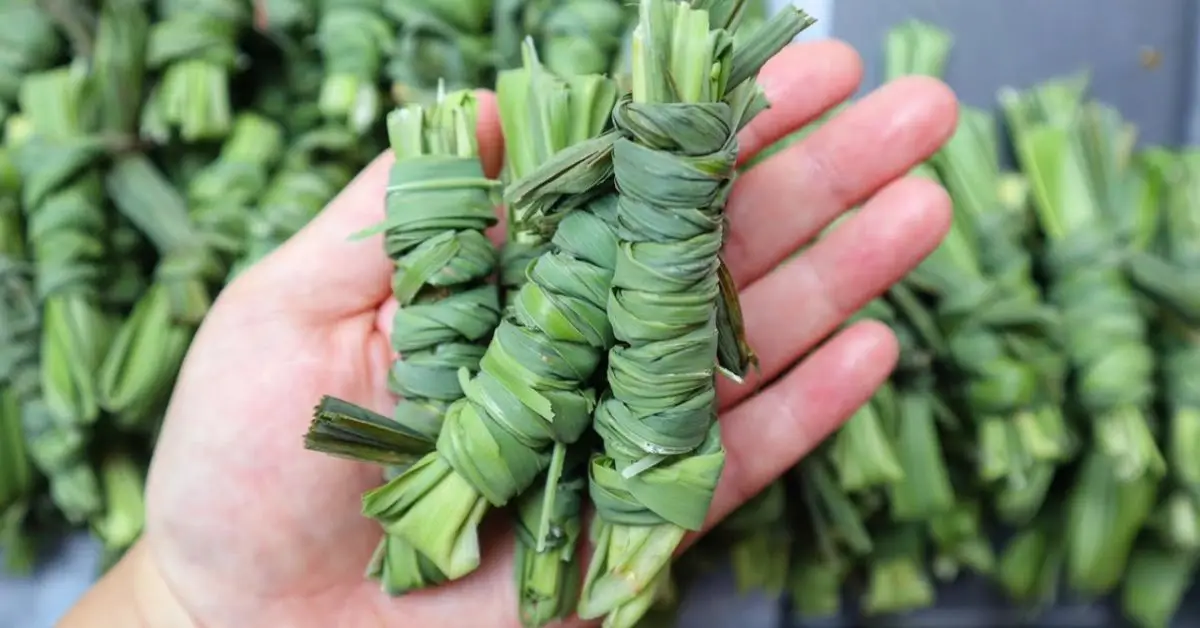
Drying, Freezing, and Storing Fresh Lemongrass
Lemongrass is a hardy herb, and there are several ways to preserve it for use later on. Whether you want to store it fresh, freeze it, or dry it, you’ll be able to enjoy its lemony fragrance and flavor long after the growing season.
- Freezing Lemongrass: The easiest way to store lemongrass is to freeze it. Cut the stalks into 1-inch pieces, place them in a freezer-safe bag, and store them for up to 6 months. When you’re ready to use it, simply remove the pieces from the freezer and chop them while frozen for a quick addition to your dishes.
- Drying Lemongrass: For a more long-term option, you can dry lemongrass. Tie the stalks together and hang them in a warm, dry place with good airflow. Once dried, crush or chop the leaves into smaller pieces and store them in an airtight container. While you’re thinking about preserving your lemongrass, remember to ensure your garden setup is pest-free. Avoid birdbath mistakes in your outdoor space by reading our article on 3 Bird Bath Placement Mistakes Every Gardener Makes and How to Correct Them. This method allows you to use dried lemongrass for teas or as an aromatic addition to your cooking.
- Storing Fresh Lemongrass: If you prefer to keep your lemongrass fresh for a few weeks, place it in a jar with water (like a bouquet of flowers) and cover it with a plastic bag. Store it in the fridge, and it should stay fresh for about 2-3 weeks.
Medicinal Uses and Other Alternatives
Lemongrass isn’t just great for cooking — it also has a range of medicinal benefits. From boosting digestion to relieving anxiety, lemongrass has long been used in various cultures for its natural healing properties.
- Lemongrass Tea: Steep a few stalks of lemongrass in hot water to make a refreshing tea. This tea is said to help with digestion, reduce inflammation, and even boost immunity. Drinking it regularly can help calm the stomach and relieve discomfort.
- Aromatherapy and Stress Relief: The fresh aroma of lemongrass is also known to have calming effects. Add a few drops of lemongrass oil to a diffuser for a soothing effect that helps reduce stress and anxiety.
Lemongrass is not just a garden herb; it’s a versatile tool for both your kitchen and your well-being. For more tips on using lemongrass in your daily life, visit Martha Stewart’s Guide to Lemongrass.
Conclusion
Growing lemongrass is an incredibly rewarding experience that anyone can enjoy, whether you’re a seasoned gardener or just starting out. We’ve covered everything you need to know — from choosing the right soil and ensuring the ideal temperature and humidity for growth, to tips on watering, fertilizing, and dealing with common pests. We also walked through how to properly harvest and preserve your lemongrass to keep it fresh for months.
Now that you’ve got the full guide, it’s time to start your own lemongrass garden! Whether you’re using it for cooking, making tea, or simply enjoying its pleasant fragrance, lemongrass is a fantastic addition to any garden or home.
I’d love to hear about your experience growing lemongrass! Have you tried any of these tips, or do you have your own unique methods? Share your thoughts and experiences in the comments below.
For more gardening tips, care advice, and expert insights, visit us at Plant Care Dairy – your go-to source for everything plant-related!
Disclaimer: The information provided in this article is for general gardening advice and educational purposes only. Results may vary depending on your local climate, soil conditions, and growing practices. Always consult a local gardening expert or horticulturist for personalized advice.