
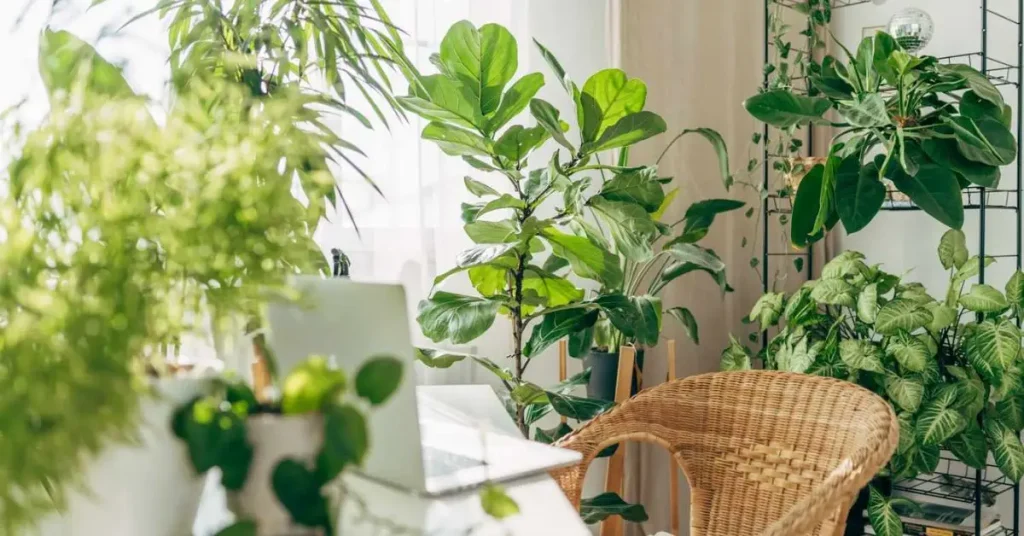
You notice it first in the corners—tiny gnats near the sink, a stray mosquito at night, ants scouting the sugar jar. You don’t want to fog your home with sprays, especially around kids, pets, and the air you breathe. I’ve been there, and I know you want something that actually helps without turning your kitchen into a lab.
Here’s the plan: we’ll use indoor plants that do deter common pests—mosquitoes, flies, ants, moths—and I’ll show you where to place them, how to keep them healthy, and how to pair them with simple habits so they work better. No hype. Just clear steps you can try today.
I’m not going to pretend plants are a magic wall. Their power comes from natural oils and scent—so placement, pruning, light, and watering matter. I’ll flag pet-safe options, call out what’s overstated, and give you a backup if a plant isn’t the right fit for your space.
I’ve pulled from lab studies, pro tips, and real posts from indoor gardeners to cut through the noise. If something helps only a little, I’ll say so. If there’s a smarter combo—like basil by the window and mint near the counter—I’ll map it out.
Before we start, tell me your biggest headache right now: mosquitoes, fruit flies, ants, or moths? That’ll help me point you to the fastest win first.
The Top 10 Pest-Repelling Indoor Plants
I’ve tested a lot of so-called “bug-busting” plants over the years, and here’s the truth: not all of them live up to the hype. Some are powerful, some are just pretty, and a few do double duty in your kitchen. Below are ten indoor plants that actually help keep pests at bay, along with quick care notes so you know what you’re signing up for.
Lavender
- Repels: moths, flies, mosquitoes
- Care: Needs bright sun and dry soil between waterings.
If you’ve ever tucked lavender sachets into your clothes drawer, you know its scent can push moths away. Indoors, a pot of lavender near a sunny window works as a natural barrier, while also giving you that calming fragrance.
Basil
- Repels: mosquitoes, flies
- Care: Keep soil moist; loves sunlight; pinch leaves often.
I keep a small basil plant right on my kitchen counter. Not only does it keep fruit flies from hovering around, it’s also ready when you want to toss fresh leaves into pasta. Win-win. If basil, mint, or rosemary caught your eye here, you’ll love these smart tips for growing herbs indoors so you can keep them thriving year-round.
Mint
- Repels: ants, flies, gnats
- Care: Fast grower; best in its own pot to prevent spreading.
Mint has a sharp scent bugs hate. I like placing a pot near entryways—ants usually think twice before marching in. Just trim it often or it will take over.
Rosemary
- Repels: mosquitoes
- Care: Loves sun, hates soggy roots; prune lightly.
Mosquitoes despise rosemary’s strong oils. A pot near the back door means fewer bites when you step outside. Plus, you’ve got a ready supply for roasted potatoes.
Lemongrass

- Repels: mosquitoes (citronella oil)
- Care: Needs lots of light and warmth; water regularly.
You’ve probably seen citronella candles—lemongrass is the natural plant behind them. Indoors, keep it near a bright window. Outdoors, it’s a game-changer by doors and patios.
Chrysanthemum
- Repels: roaches, ants, ticks, fleas
- Care: Needs bright indirect light; keep soil evenly moist.
Chrysanthemums contain pyrethrin, a natural compound used in insect sprays. It’s one of the few plants backed by actual pest control science. You can see how professionals reference it here.
Citronella Plant (Mosquito Plant)
- Repels: mosquitoes
- Care: Best in bright light; water when soil feels dry.
This one’s known as the “mosquito plant” for a reason. Rub its leaves lightly and the citronella oil releases—great for keeping bugs off during summer evenings indoors or on the balcony.
Marigold
- Repels: aphids, mosquitoes
- Care: Thrives in full sun; water when topsoil dries.
Marigolds aren’t just cheerful to look at. Their strong scent turns mosquitoes away and even slows down aphid infestations. I like lining windowsills with them for both color and defense.
Catnip
- Repels: mosquitoes
- Care: Easy grower; trim often; cats will thank you.
This plant is more than kitty entertainment. Research shows catnip’s oils are extremely effective against mosquitoes. It’s one of the best natural shields you can keep indoors.
Bay Laurel
- Repels: pantry moths, weevils, cockroaches
- Care: Likes bright light and occasional pruning.
I keep a bay plant close to the pantry. Its leaves can slip into soups—and in dried form, they deter bugs from flour and rice containers. Old-school wisdom that still works.
If you had to pick just two to start with, I’d say basil for the kitchen and lavender for the living room. Both are low-effort, smell amazing, and actually give results.
Which one would you try first in your home?
Quick Plant vs. Pest Guide
Here’s a simple cheat sheet you can skim whenever you’re trying to figure out which plant fights which bug. Instead of scrolling through long lists, just match your problem with the plant.
| Plant | Repels |
|---|---|
| Lavender | Moths, flies, mosquitoes |
| Basil | Mosquitoes, flies |
| Mint | Ants, flies, gnats |
| Rosemary | Mosquitoes |
| Lemongrass | Mosquitoes (citronella oil) |
| Chrysanthemum | Roaches, ants, ticks, fleas |
| Citronella Plant | Mosquitoes |
| Marigold | Aphids, mosquitoes |
| Catnip | Mosquitoes |
| Bay Laurel | Pantry moths, weevils, cockroaches |
Use this table as your quick reference. Got ants? Go for mint. Pantry moths? Bay laurel has your back.
How to Place & Care for Pest-Repelling Plants
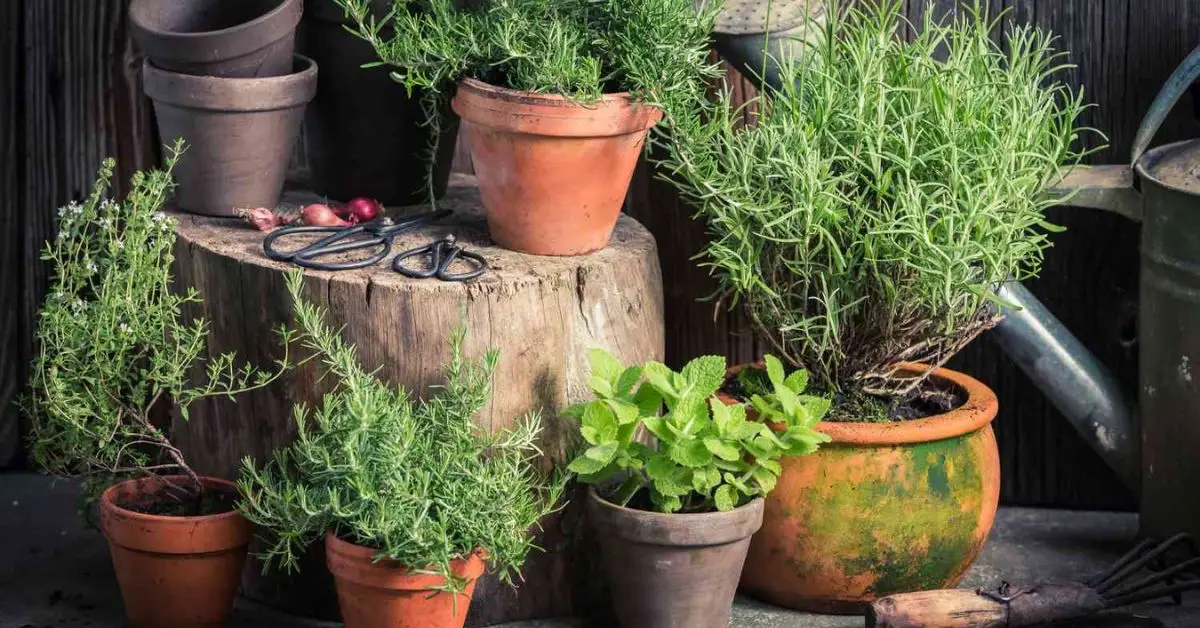
You can’t just drop a plant in a dark corner and expect it to scare bugs away. These plants work because of the natural oils and scents they release—which means where you place them and how you care for them really matters.
- Near entry points: Place basil or mint by the kitchen window, lavender near bedroom windows, and lemongrass or citronella by balconies or back doors. This creates a natural “scent barrier.”
- Close to food zones: Bay laurel thrives near the pantry, keeping moths and weevils out of stored grains. Basil on the counter helps with fruit flies.
- Sunlight matters: Most repelling plants (rosemary, lavender, marigold) need at least 5–6 hours of direct light. Without it, their oils weaken and they stop working effectively.
- Water smartly: Overwatering basil or mint can attract gnats—the opposite of what you want. Keep soil just moist, never soggy.
- Pruning = power: Regularly trim basil, mint, and rosemary to keep the oils active. A leggy, untrimmed plant loses its punch.
I’ve seen people assume that just owning one lavender pot will clear out an entire living room of bugs. That’s a myth—plants don’t release enough oils to be a total wall on their own. A Reddit user in this discussion pointed out the same thing: the effect is real, but subtle unless you place them smartly and keep them healthy.
Think of it this way: plants aren’t instant bug zappers—they’re steady, natural helpers. Place them right, give them light, trim them often, and they’ll quietly back you up every day.
Pet Safety & Indoor Plant Warnings
I know many of you reading this share your home with curious cats or dogs, and it’s worth flagging that not every pest-repelling plant is safe for them. A few can actually cause stomach upset or worse if chewed.
- Toxic to pets:
- Chrysanthemum – contains pyrethrins that can make cats and dogs sick.
- Marigold – can cause skin irritation or mild digestive upset.
- Bay Laurel – the leaves can upset a dog’s stomach if eaten.
- Safer alternatives:
- Basil – both effective against flies and safe for cats and dogs.
- Rosemary – non-toxic, hardy, and pulls double duty in the kitchen.
- Lemongrass – generally safe in small amounts, though avoid letting pets chew on it.
My rule of thumb: if you’ve got pets, keep risky plants out of reach or swap them for safer options. You can still enjoy the bug-fighting benefits without worrying about your furry friends.
Myths & Common Mistakes
Over the years, I’ve heard a lot of claims about pest-repelling plants that just don’t hold up. Let’s clear a few of them right now.
- Myth: “One plant can keep a whole house bug-free.”
Reality: The scent only works in the immediate area, not across rooms. You’ll need several plants in different spots. - Myth: “Citronella plants work instantly indoors.”
Reality: The oils need to be released—by rubbing the leaves or placing them near airflow. Just parking a pot on your shelf won’t do much. - Mistake: Overwatering basil or mint. This one backfires badly—soggy soil attracts fungus gnats. Keep the top inch of soil dry before watering again.
Getting these small details right makes the difference between a plant that helps and one that just sits there looking pretty.
Eco-Friendly Pest Control Combo Tips

If you really want results, don’t stop at just the plants. Combine them with a couple of simple tricks and you’ll have a stronger, eco-friendly defense.
- Pair with DIY traps: A basil plant near fruit plus a vinegar fly trap takes care of gnats faster than either one alone.
- Add essential oils: A few drops of lavender or peppermint oil in water makes a safe spray to back up your lavender or mint plants.
- Think in layers: Place rosemary at the window, marigolds by the balcony, and mint near the counter. It’s about creating barriers, not relying on one plant. And if you’re curious about low-maintenance greenery, explore these soil-free indoor plants that bring beauty to your space without the mess.
- Don’t forget spiders: While they’re not always bad, if you want fewer webs inside, scents like peppermint, lavender, and citrus are proven deterrents according to Ideal Home.
The goal here isn’t perfection—it’s making your home less attractive to bugs overall. A few smart layers of plants, scents, and habits beat a single “miracle” fix every time.
Wrap-Up: Green Defense Against Bugs
At the end of the day, pest-repelling indoor plants aren’t just pretty—they’re a natural, safe, and calming way to cut down on bugs without reaching for chemicals. They bring fresh air, greenery, and a quiet layer of defense that makes your home feel more balanced.
If you’re just starting out, keep it simple. Try basil in the kitchen, mint by the window, and a pot of lavender in the living room. These three are low-maintenance, effective, and give you quick wins you’ll actually notice. From there, you can add more plants as you learn what works best in your space. Beyond pest control, some houseplants can also improve the air you breathe—check out our list of easy-to-care indoor plants for clean air if you want a healthier, fresher home.
Now I’d love to hear from you: which pests bother you the most at home—mosquitoes, ants, or those sneaky pantry moths? Share your experiences in the comments below, and let’s compare notes.
For more practical plant care tips and guides, don’t forget to check out Plant Care Dairy—your space for simple, trustworthy advice to keep both your plants and your home thriving.
Disclaimer: These plants can help reduce pests naturally, but they are not a guaranteed solution for infestations. Effects vary based on placement, care, and environment. For severe or persistent pest problems, consult a licensed pest control professional. Always check plant safety if you have pets or young children at home.