

If you’ve ever stepped outside to check on your garden, only to find ants marching around your plant pots, you know how frustrating it can be. It’s not just the sight of tiny invaders; it’s the fact that these ants could be damaging your plants or creating nests in the soil, which can affect your plant’s health. But don’t worry—this doesn’t mean you have to grab a bottle of harsh chemicals. In fact, there are plenty of eco-friendly, natural solutions that will keep your garden healthy and thriving without harming the environment.
I’ve been in your shoes, and after a little trial and error, I found simple, effective ways to handle ants naturally. In this article, I’ll walk you through the causes of ant nests in your plant pots, share some quick, chemical-free fixes, and offer tips on how to keep your plants ant-free for good. You’ll feel more in control of your garden and confident that you’re making the best choices for your plants and the planet.
Ready to take on those ants? Let’s dive in!
Why Are Ants in Your Plant Pots? Understanding the Causes
The Role of Ants in the Garden Ecosystem
Ants aren’t just annoying little creatures; they play an essential role in the garden ecosystem. If you’ve ever wondered why ants seem to target your plant pots, it’s because they’re not randomly invading. Ants are opportunists, and they often build nests in places that offer shelter, warmth, and food sources. Plant pots, with their moisture and warmth, provide the perfect environment for ants to thrive.
But what about your plants? Well, ants might actually help with pollination by moving pollen from one flower to another. Additionally, they can break down organic matter in the soil, making it easier for plants to access nutrients. However, they can also attract aphids—tiny pests that secrete a sugary substance ants love to eat. In exchange, ants often protect aphids from predators, which can lead to more damage to your plants. So, while ants are part of the natural cycle, their presence in plant pots could indicate other issues.
Understanding how ants interact with your garden helps you decide if they’re beneficial or if they’re doing more harm than good. It clears up misconceptions and gives you a clearer perspective on how to manage their presence effectively.
Eco-Friendly Solutions for Preventing Ants in Your Plant Pots
Natural Barriers—Creating Ant-Repelling Potting Soil
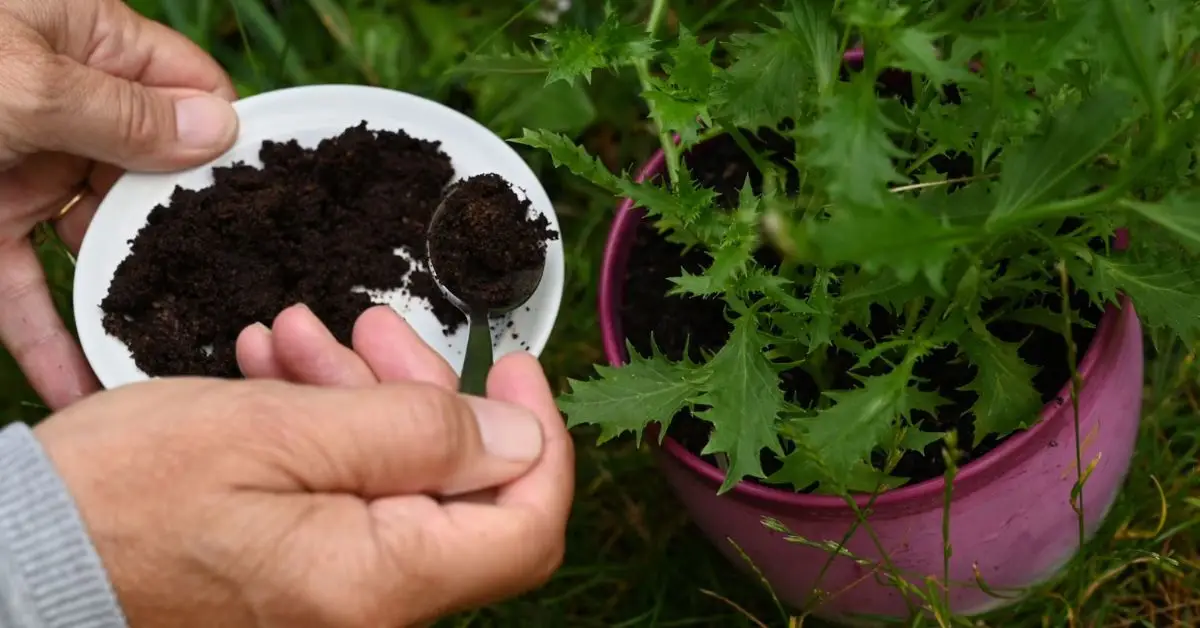
If you want to keep ants at bay without resorting to harmful chemicals, you can start by making the soil itself less appealing to them. Certain natural substances act as barriers that ants don’t like to cross. For instance:
- Cinnamon: Sprinkling cinnamon on the soil creates an environment that ants find repellent.
- Cloves: Like cinnamon, cloves have a strong scent that ants dislike. You can mix them into your potting soil.
- Peppermint oil: Mixing a few drops of peppermint essential oil in your watering can also keeps ants away. Plus, your plants will enjoy a refreshing scent too!
These natural barriers don’t just repel ants, they won’t harm your plants either. In fact, cinnamon is known to have fungicide properties, which can help protect your plants from soil-borne diseases.
Using eco-friendly substances like these not only prevents ants from nesting but also promotes a healthier plant environment. It’s a natural, sustainable way to keep your garden thriving.
Strategic Planting—Ant-Repelling Plants
Another great way to keep ants out of your pots is by planting companion plants that naturally repel ants. Some plants have scents and properties that ants just can’t stand. Here are a few to consider:
- Marigolds: Their strong scent deters ants and other pests.
- Lavender: Ants dislike lavender’s fragrant oils, making it an excellent addition to your garden.
- Tansy: A lesser-known herb, tansy has been shown to repel ants while also helping to ward off other garden pests.
Planting these ant-repellent plants around or near your pots can serve as a natural barrier that ants won’t want to cross. It’s like creating a little fortress of anti-ant protection right in your garden.
Companion planting isn’t just an easy, eco-friendly solution; it’s a natural and sustainable way to improve your garden’s health while keeping unwanted pests like ants away. It’s a win-win for you and your plants.
Insecticidal Soap or Vinegar—Natural DIY Sprays
If you find ants are still making their way into your pots, a DIY spray can help. You can make a simple and effective insecticidal soap or vinegar spray right at home, using ingredients you likely already have:
- Dish Soap Solution: Mix a small amount of mild dish soap with water and spray it around the base of the plant and in the soil. The soap breaks down the waxy protective layer on ants’ bodies, effectively killing them without harming your plants.
- Vinegar Spray: Combine equal parts vinegar and water and spray it on the ants directly. Vinegar disrupts the ants’ scent trails and can eliminate them without leaving toxic residues.
These homemade sprays are not only safe for the environment, but they also provide an easy, low-cost solution to get rid of ants without worrying about harmful chemicals harming your garden. For further natural pest control methods, consider the role of wasps in your garden, which can help with ant control by targeting other pests. Learn more about their benefits in our article on Benefits of Wasps in Your Garden for Natural Pest Control.
Homemade sprays are effective and cost-efficient, plus they allow you to control the situation without relying on harsh pesticides. They’re a great solution for the eco-conscious gardener looking to maintain a natural balance in their garden.
By using eco-friendly solutions, you can control the ants in your plant pots and keep your garden thriving. These methods not only protect your plants but also promote a healthier, more sustainable garden environment. Plus, they are simple and natural enough for anyone to try, making them a perfect fit for your eco-friendly gardening toolkit.
If you want to dive deeper into eco-friendly gardening tips, be sure to check out this The Spruce article for more ideas.
How to Identify Ant Nests in Plant Pots
Signs Your Plant Pot Has an Ant Nest
Ants might seem like just a small nuisance at first, but when they start nesting in your plant pots, things can quickly spiral. So, how do you know if the ants are just passing by, or if you’ve got a full-fledged nest on your hands? Here are some key signs to look out for:
- Increased Ant Activity: If you notice a sudden increase in ants marching around your plant pot, it’s a clear sign that something is going on. Ants are often busy foraging for food or setting up a new nest.
- Visible Mounds: If you see small mounds of dirt or soil around your plant pot, there’s a good chance ants are building a nest. They dig tunnels under the soil and will sometimes push excess dirt to the surface.
- Changes in Plant Health: While ants themselves don’t usually harm plants directly, the aphids they tend to are a different story. You might notice yellowing leaves or stunted growth—signs that ants are protecting aphids, which are sucking nutrients from your plant.
Recognizing these signs early allows you to take action before the ants cause serious damage to your plants. The sooner you notice, the easier it is to manage the problem before it escalates.
Checking the Soil for Ants—Best Practices
Now that you know what to look for, it’s time to check the soil for signs of an ant nest. Here’s how you can confirm if ants have taken up residence in your plant pots:
- Gently Inspect the Soil: Start by lightly loosening the top layer of soil in your pot with your fingers or a small tool. You’re looking for tunnels, which are often very narrow but may lead to a hidden nest.
- Watch for Ants Emerging: After disturbing the soil, see if any ants start to emerge from the soil. If you see ants swarming up from a specific area, it’s a strong indicator that you’ve found the entrance to their nest.
- Check Around the Base of the Plant: Sometimes, ants prefer to build their nests near the plant’s base, where moisture levels are stable. Make sure to check around the roots for any signs of ant activity.
This section helps you confirm whether you’re dealing with an ant infestation or just a few wandering ants. By getting a clear understanding of the situation, you can choose the best course of action to prevent further issues.
Preventive Maintenance—How to Keep Ants Away Long-Term
Regular Soil Care—Maintaining Healthy Soil to Prevent Ants

If you’ve had ants in your pots before, you’ll want to focus on preventing them from coming back. Keeping your soil healthy is key to minimizing ant attraction. Here’s what you can do:
- Keep the Soil Dry: Ants love damp environments. Ensure your pots have proper drainage and avoid overwatering. Soil that’s too wet can attract ants, especially if it creates a perfect breeding ground for aphids and other pests.
- Aerate the Soil: Regularly aerating your plant’s soil helps keep it well-drained and allows for healthy root growth. By keeping the soil from becoming compacted, you make it less appealing for ants to build their nests.
Ensuring your soil remains healthy and properly nourished is key to preventing ant nests and promoting plant health. For more tips on how to test your soil and improve its nutrient content, check out our Soil Test Guide for Gardeners.
Healthy, dry soil doesn’t just keep ants away—it also ensures your plants stay healthy and thrive. Taking care of your soil will prevent future ant problems and promote long-term plant health.
Strategic Watering to Avoid Attracting Ants
How you water your plants can have a significant impact on whether ants decide to make their home in your pot. Here are a few tips for watering with ants in mind:
- Water Deeply, But Infrequently: Ants are attracted to wet spots in the soil. To prevent them from nesting, try to water deeply but less often, allowing the soil to dry out between waterings. This keeps the soil moist enough for the plants but not too wet for the ants. In addition to watering properly, knowing how to water your houseplants is crucial for overall plant health. For expert tips on watering your indoor plants correctly, check out our guide on How to Water Houseplants Correctly.
- Check for Standing Water: Standing water in the bottom of your pot can attract ants. Always check for excess water in the saucer under your plant pot and make sure to empty it to avoid providing ants with a perfect drinking spot.
Proper watering techniques are crucial to both plant and pest control. Overwatering or inconsistent watering habits can attract ants and other pests, leading to future infestations.
If you’d like more detailed insights on how ants interact with plants and ways to manage them naturally, check out this informative article from The Micro Gardener: Why Are Ants in My Plants Pots & Soil?.
The Environmental Impact of Ant-Control Methods
Why Eco-Friendly Solutions Are Important for Your Garden and Environment
When it comes to pest control, we often turn to chemical pesticides for quick results. However, these products can have serious long-term consequences on both your garden and the broader environment. Many chemical pesticides not only kill ants but also harm other beneficial insects, such as bees, ladybugs, and butterflies, which are essential for pollination and maintaining a balanced ecosystem.
Chemical pesticides can also contaminate the soil, affecting plant health and making the soil less fertile over time. The runoff from these chemicals can even seep into local water systems, harming aquatic life and spreading pollutants throughout the environment.

Instead of resorting to harmful chemicals, consider using eco-friendly solutions to handle ants in your garden. Natural repellents like cinnamon, peppermint oil, or neem oil can effectively keep ants away without harming other beneficial creatures or polluting the environment. This shift not only helps the health of your plants but also protects the surrounding ecosystem.
Choosing eco-friendly alternatives ensures your garden thrives without risking harm to other wildlife, soil health, or the wider ecosystem. Sustainable gardening practices help keep the natural world in balance and protect beneficial species for future generations.
Supporting Beneficial Insects and Wildlife Through Natural Ant Control
One of the most rewarding aspects of using natural ant control methods is that they support not just your plants but the overall biodiversity of your garden. By avoiding harmful chemicals, you create a safer space for other helpful insects, like bees, butterflies, and earthworms, that contribute to pollination, soil aeration, and natural pest control.
Eco-friendly methods, such as using natural repellents or encouraging beneficial plants, promote a healthy garden ecosystem. These solutions attract wildlife that plays a vital role in maintaining a balanced garden. For example, ladybugs and predatory beetles naturally control aphid populations, reducing the need for intervention.
Furthermore, using natural pest control methods aligns with the growing interest in sustainable gardening and environmental stewardship. You’re not just helping your plants—you’re contributing to the health of the planet.
For more on how natural methods can help keep ants away while protecting your garden, check out this detailed article on Food Independence Life: Why Ants Nest in Potted Plants and How to Get Rid of Them.
By choosing natural methods, you align with the growing trend of sustainable gardening. You not only protect your plants from ants but also contribute to the preservation of essential wildlife and ecosystems that benefit the planet.
Final Thoughts: A Balanced, Eco-Friendly Approach to Ant Control
By now, you’ve learned that ants in your plant pots don’t have to lead to a chemical-filled garden. There are simple, eco-friendly methods that work to prevent and control ants naturally, all while keeping your plants healthy and your garden thriving. Here’s a quick recap of the key actions you can implement right away:
- Use Natural Barriers: Incorporate cinnamon, cloves, or peppermint oil into your soil to create a barrier that ants won’t cross.
- Plant Ant-Repelling Plants: Marigolds, lavender, and tansy are great companions for deterring ants and protecting your plants.
- DIY Natural Sprays: Create a simple mixture of dish soap or vinegar to keep ants at bay without harming your plants.
- Maintain Healthy Soil: Regularly aerate and avoid overwatering to prevent ants from making your plant pots their home.
- Strategic Watering: Water deeply but infrequently to keep the soil moist enough for your plants, but not attractive to ants.
These eco-friendly solutions not only tackle the current ant issue, but they also help build a sustainable garden environment for the long term. It’s a great way to protect both your plants and the environment.
Have you encountered ants in your plant pots before? What methods have you tried to get rid of them? Share your experiences and thoughts in the comments below—let’s learn from each other and continue to build a thriving, eco-friendly gardening community!
Also, be sure to check out more plant care tips at Plant Care Dairy—your go-to resource for everything related to keeping your garden healthy and beautiful.
Disclaimer: The information provided in this article is for general gardening advice only. While the eco-friendly solutions suggested are safe and effective, results may vary depending on the specific conditions of your plants and garden. Always monitor your plants and soil regularly and seek professional advice if necessary.