
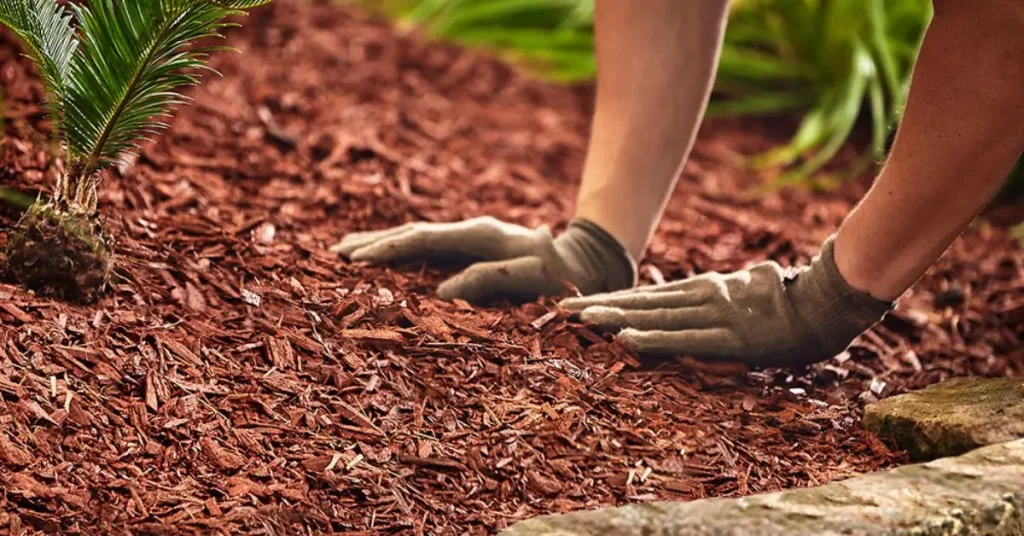
I used to grab whatever mulch was on sale and hope for the best. Some weeks the beds still dried out, weeds punched through, and one spring I even cooked a young tree with that “volcano” mound everyone warns about. I learned the hard way what works—and what quietly hurts your plants.
If you’re searching for the best mulch types for gardens, you don’t need another long list. You want clear picks for your beds, climate, and budget—plus when to use each one so plants stay healthy through heat, rain, and frost.
I’ve gone through the top guides and tested in real beds. Most repeat the same names, but skip the decisions that matter: which mulch for veggies vs. perennials, how thick to lay it, when to top up across seasons, and where stone or rubber actually makes sense.
Here, I’ll keep it simple: a quick compare, the right mulch by garden type, a year-round plan that prevents stress, and the common mistakes to avoid. No fluff—just steps you can set up this week.
By the end, you’ll know when compost beats bark, where shredded leaves shine, and why stone belongs in some spots but not around thirsty roots—so your plants stay strong all year.
Before we dive in: what’s your biggest mulch headache right now—dry soil, weeds, or winter damage?
Why Mulching Is a Game-Changer for Your Garden
When I first started gardening, I thought mulch was just about making the beds look tidy. But over time, I realized it’s way more than that. Mulch doesn’t just sit there; it actively controls weeds, retains moisture, and protects roots—all essential for keeping your plants thriving throughout the year.
Here’s a quick stat: Proper mulching can reduce water loss from soil by up to 25%. Imagine cutting your watering time and saving on water bills—just by laying down mulch.
So, why does it matter? Mulch acts like a protective blanket, keeping soil temperature stable, allowing roots to breathe, and making sure moisture doesn’t evaporate in the hot sun. It’s especially crucial in areas with long dry spells or where you face extreme weather shifts.
I’ve been there—struggling with dried-out, wilted plants that didn’t seem to respond to anything I tried. Once I started mulching, everything changed. I saw fewer weeds, better soil health, and plants that stayed hydrated longer. Mulching isn’t a one-size-fits-all solution, but once you know its benefits, it becomes a must-do for any garden.
Organic vs Inorganic Mulch – What’s Right for You?
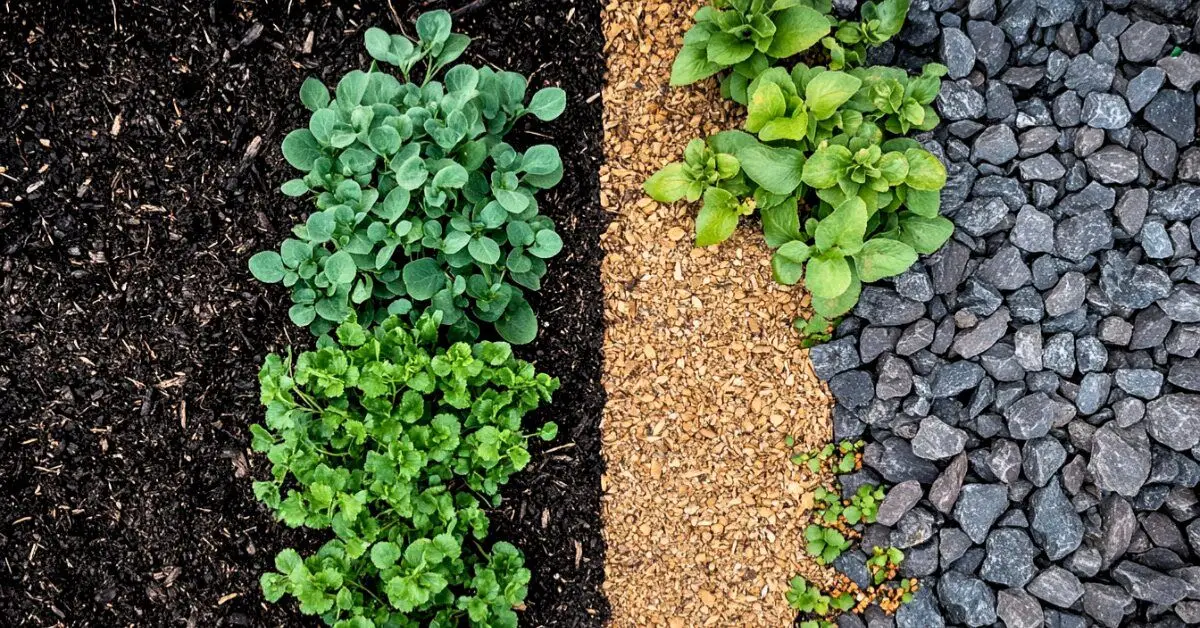
So now that you know mulch is a game-changer, you might be wondering, What kind of mulch should I use? Well, there’s no one-size-fits-all answer, but it boils down to two main types: organic and inorganic.
Organic Mulch (adds nutrients)
Organic mulch is made from natural materials like:
- Bark
- Compost
- Straw
- Leaves
These types break down over time, improving soil structure and adding essential nutrients. If you’re growing vegetables or flowers, organic mulch is a good choice because it enriches the soil while keeping things tidy.
But here’s a thing to keep in mind: as it decomposes, organic mulch can tie up nitrogen in the soil. So, it’s a good idea to layer it with something that balances the nutrients, especially around nitrogen-hungry plants like tomatoes or leafy greens.
Inorganic Mulch (long-lasting, low-maintenance)
Inorganic mulch, on the other hand, is made from materials that don’t break down, such as:
- Stones
- Rubber
- Plastic
These are more about low-maintenance—you don’t need to replace them every season, and they last a long time. Inorganic mulch won’t add nutrients to your soil, but it’s fantastic for areas where you want to avoid frequent upkeep, like pathways or landscaping around trees.
The key benefit of inorganic mulch is longevity. It’s a one-and-done solution, ideal for areas where you don’t want to constantly refresh your mulch. However, it doesn’t help with soil health the way organic types do.
Mulch Comparison Table: Organic vs Inorganic
| Feature | Organic Mulch | Inorganic Mulch |
|---|---|---|
| Lifespan | 6 months to 1 year (decomposes) | 5+ years |
| Cost | Moderate to High | Low to Moderate |
| Maintenance | Needs replenishing yearly | Low, no replenishing needed |
| Soil Health Impact | Improves soil fertility | No impact on soil health |
| Best For | Vegetables, flowers, shrubs | Pathways, long-term landscaping |
For more detailed information on the types of mulch, check out this Garden Design guide on mulches: Garden Design – Types of Mulch.
Best Organic Mulch Types for Gardens
When it comes to mulching, organic mulch types are the go-to for gardeners looking to improve soil health and nourish their plants. These mulches break down over time, releasing nutrients into the soil and enhancing its structure. Let’s take a look at the most popular organic mulches and their benefits:
Wood Chips & Bark Mulch
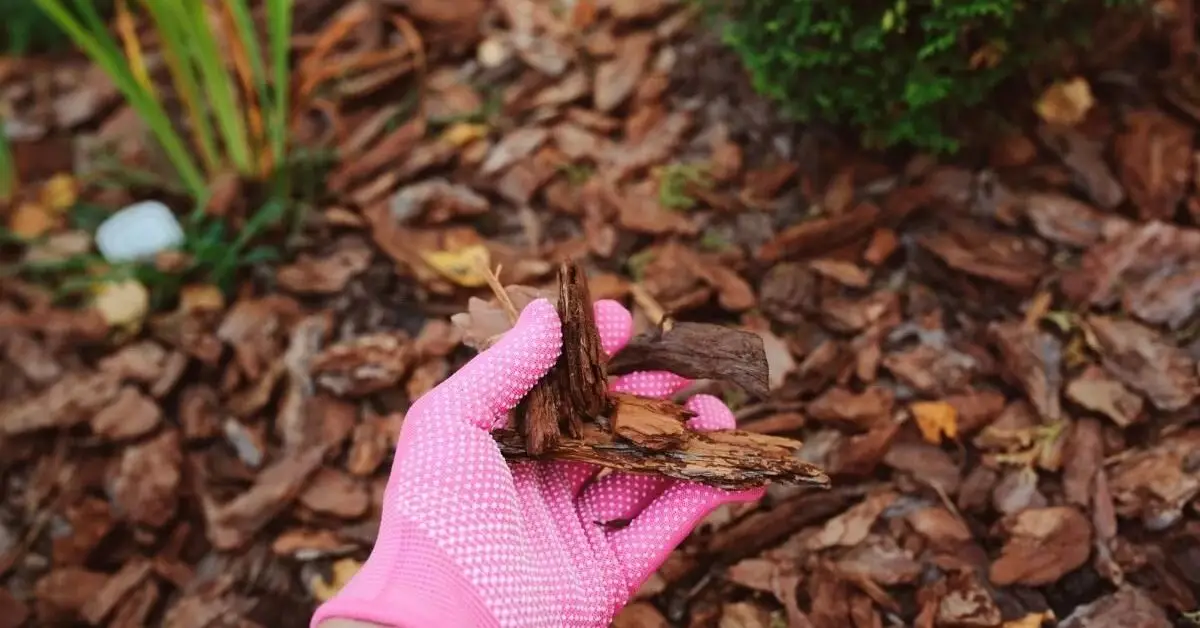
- Pros: Wood chips and bark are readily available and can last a long time without breaking down quickly. They’re great for flower beds, trees, and shrubs because they maintain their structure for months.
- Cons: If mixed directly into soil, they can tie up nitrogen, which may cause nutrient imbalances in the soil, especially for nitrogen-hungry plants like tomatoes.
Straw & Hay Mulch
- Pros: Straw and hay are excellent for vegetable gardens, helping to keep the soil cool, retain moisture, and prevent weed growth. Straw is light and easy to spread, making it a top choice for anyone looking to mulch a large garden area.
- Cons: One downside to using hay is the possibility of introducing weed seeds if not properly sourced. Be sure to use weed-free hay to prevent unwanted growth.
Compost & Leaf Mulch
- Pros: Compost and leaf mulch add nutrients to the soil as they break down, improving soil structure and fertility. This is ideal for vegetable gardens and flower beds where you need to enhance the soil.
- Cons: Compost should be well-aged before using it as mulch to avoid attracting pests or causing disease. Fresh compost can also create an imbalance in nutrients, so make sure it’s fully decomposed.
Note: Organic mulches require maintenance but benefit your garden in the long run by improving soil health and fertility. They are eco-friendly, biodegradable, and safe for your plants.
Organic mulch is highly sought after because it offers natural, eco-friendly benefits that are in high demand by gardeners looking to enrich their soil and grow healthy, thriving plants.
For a deeper dive into the best organic mulches for your garden, check out this guide from Skagit Soils Inc., which breaks down how to select the right mulch for your flower beds: How to Select the Best Mulch for Your Flower Beds.
Best Inorganic Mulch Options for Low-Maintenance Gardens
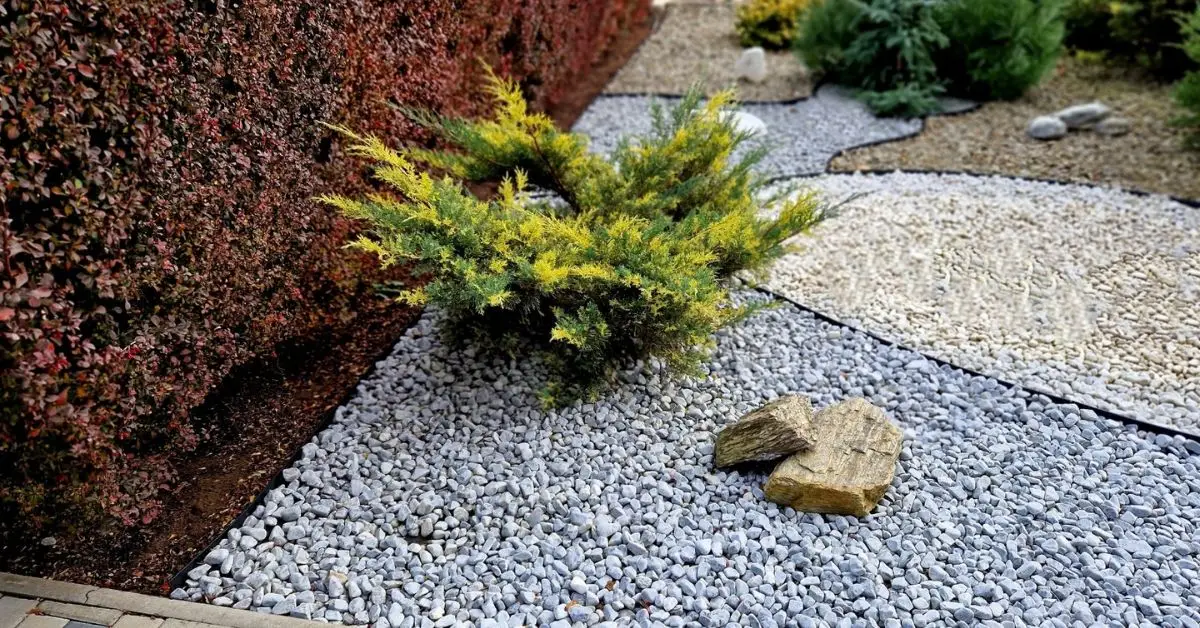
While organic mulches are beneficial for soil health, inorganic mulches are perfect for gardens where maintenance is a concern, or where you’re looking for a long-term solution without frequent replenishing. Let’s explore some of the best options for low-maintenance gardens.
Stone & Gravel Mulch
- Pros: Stone and gravel mulches are incredibly durable and long-lasting, making them a great choice for areas that don’t need frequent replenishing, like pathways and xeriscaping gardens. They help with drainage and prevent weed growth effectively.
- Cons: Stone and gravel can make soil more alkaline, which could be harmful to plants that prefer acidic conditions. They also don’t improve the soil, so they’re not a good fit for vegetable gardens or flower beds where soil health matters.
Rubber Mulch
- Pros: Rubber mulch is recycled and eco-friendly, offering a long-lasting solution for garden beds and pathways. It’s an excellent choice for play areas or places where you want to avoid frequent mulching.
- Cons: While rubber mulch doesn’t break down, it doesn’t add any nutrients to the soil and can heat up the soil underneath, potentially harming plants. It also may not appeal to gardeners looking for fully natural, organic materials.
Inorganic mulches like stone and rubber are gaining popularity due to their low-maintenance nature and long lifespan. These mulches are perfect for landscaping or areas that need little care but still want to look good.
Seasonal Mulching Tips – Keep Plants Healthy Year-Round
Mulching is not just a one-time task; it’s a year-round commitment. Each season brings its own set of challenges, but by adapting your mulching strategy, you can keep your plants protected and thriving throughout the year. Here’s how to adjust your mulch for every season:
Spring: Retain Moisture Before Summer
As the temperatures start to rise, mulch helps retain moisture in the soil, making it easier for your plants to absorb water during the drier months. It’s also an effective way to prevent weeds from sprouting as your garden wakes up from the winter.
Summer: Prevent Soil Overheating
In hot months, mulch acts as a cooling blanket, keeping the soil temperature stable and protecting roots from heat stress. A layer of mulch will also reduce evaporation, ensuring your plants stay hydrated even during dry spells.
You might also want to check out our guide on how to keep plants alive during a heatwave, where we share essential tips to help your plants thrive even when temperatures soar, making it easier to manage your mulch strategy during hot months.
Fall: Protect Roots Before Frost
Before the frost sets in, add a thicker layer of mulch around your plants. This acts as an insulating barrier, keeping the roots warm and protected from the cold. It also helps to preserve soil moisture through the winter months.
Winter: Insulate Perennials, Reduce Soil Erosion
During winter, mulch insulates perennials and evergreen shrubs, helping them survive the freezing temperatures. It also helps reduce soil erosion during heavy rains and snowmelt by stabilizing the soil around plants.
For more insights on seasonal mulching, check out this guide from the Royal Horticultural Society: RHS Mulch Guide.
Common Mulching Mistakes to Avoid
Mulching can be a lifesaver for your garden, but if done wrong, it can lead to a range of problems. Here are some of the most common mulching mistakes that could hurt your plants, and how to avoid them:
Volcano Mulching Around Trees
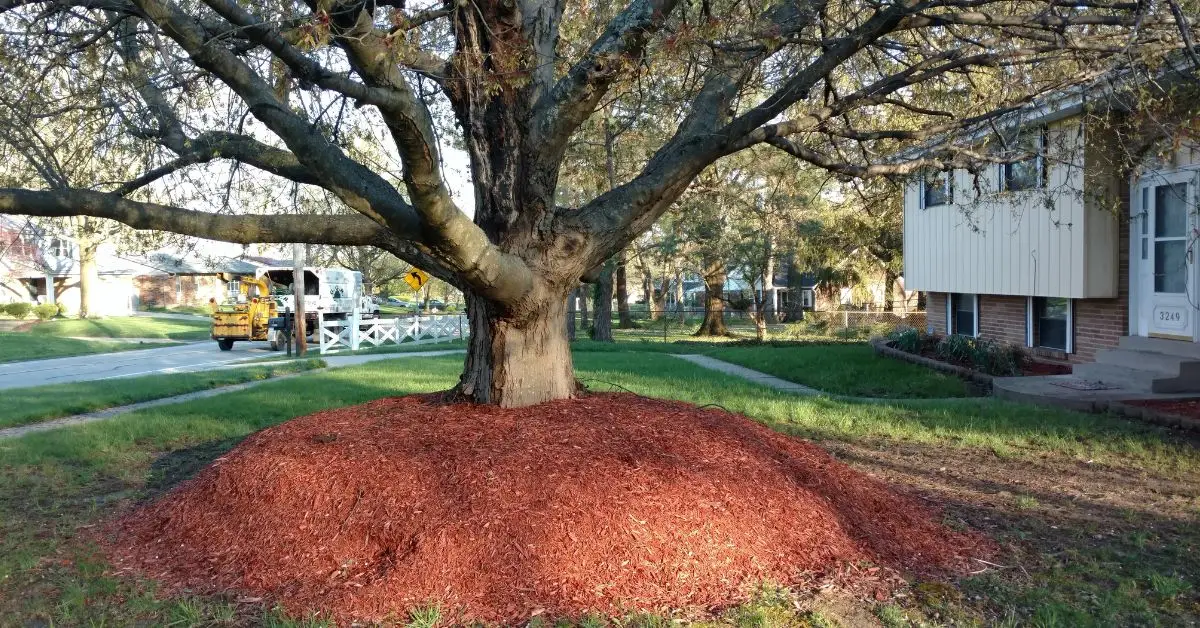
You’ve probably seen it—the large mound of mulch piled up around tree trunks, forming a “volcano” shape. While it looks neat, it rots the bark, suffocates roots, and invites pests. Always spread mulch away from the tree trunk and keep it a few inches from the base.
Using Fresh Grass Clippings
Grass clippings can make great mulch, but fresh clippings can lead to mold growth. Instead, let them dry out before applying, or use them sparingly to avoid creating a smelly, compact layer that doesn’t allow air to circulate properly.
Too Thick a Layer
More mulch is not always better. A layer that’s too thick can block oxygen and water from reaching the roots, which can suffocate plants. Aim for a layer that’s around 2-3 inches thick, no more.
How to Choose the Right Mulch for Your Garden Type
Choosing the right mulch isn’t just about aesthetics—it’s about matching the mulch type to your garden’s needs. Different plants and garden areas have different requirements, so selecting the best mulch can make all the difference. Here’s a quick guide on which mulch works best for different types of gardens:
Vegetable Garden → Compost, Straw
- Compost adds nutrients to the soil, improving soil structure and fertility.
- Straw is great for keeping moisture in the soil and preventing weed growth.
Flower Beds → Bark, Shredded Leaves
- Bark mulch helps maintain soil moisture, and its texture provides a neat look around flower beds.
- Shredded leaves break down over time, improving soil health, and are perfect for organic gardening.
If you’re interested in making your garden more bird-friendly after mulching, be sure to check out our article on how to attract birds in your garden. It’s a great follow-up for those looking to create a harmonious environment that attracts local wildlife, including birds, to your flower beds or vegetable garden.
Paths & Landscaping → Stone, Gravel
- Stone or gravel is ideal for paths and decorative landscaping. It doesn’t decompose, so it requires minimal upkeep, and it helps with drainage.
Play Areas → Rubber Mulch
- Rubber mulch is long-lasting and safe for play areas. It also helps absorb impact, making it ideal for kids’ play zones.
Key Takeaways – Building a Healthy, Low-Maintenance Garden
Now that we’ve covered the different types of mulch and how to use them throughout the year, here are the key takeaways:
- Best Mulch Types: Organic mulches like compost and bark nourish your plants, while inorganic mulches like stone and rubber are low-maintenance and long-lasting.
- Seasonal Strategy: Adjust your mulch layers according to the season to keep your plants hydrated, insulated, and protected.
- Avoid Common Mistakes: Keep mulch away from tree trunks, avoid too-thick layers, and let grass clippings dry before using them.
By following these tips, you’ll create a healthy, low-maintenance garden that thrives with minimal effort. If you’re going on vacation and want to ensure your plants remain healthy, check out our vacation-proof tips for your tomato plants. These simple watering and care tips will help you keep your garden in good shape when you’re away, without the stress of worrying about your plants.
Ready to transform your garden? Start by testing out mulch in small patches and see what works best for you. If you’ve got any mulching tips, mistakes, or questions, share them in the comments below! We’d love to hear about your experiences. And for more gardening tips, check out our Plant Care Dairy for expert advice and resources.
Disclaimer: The information provided in this article is for general gardening advice and tips. Results may vary based on location, plant type, and climate conditions. For specific recommendations, it’s always best to consult with a local gardening expert.