

Rice water has a reputation for being a quick, free plant pick-me-up—but what actually works, and what should you avoid? My goal here is to cut through the confusion and give you actionable guidance you can use today: which plants love rice water, how to make it the right way, and how often to apply it without creating residue or root problems.
By the end, you’ll know exactly when to reach for rice water, how to dilute it, and which plants to prioritize so you get healthier growth, better hydration, and a more resilient soil microbiome—without overdoing it.
I’ll be honest: I was skeptical at first. Then I started saving my rinse water and gave it (properly diluted) to a droopy peace lily and a pot of patio tomatoes. Within a few weeks, the lily perked up and the tomatoes pushed out strong new growth. That was my cue: use rice water thoughtfully, and it really can help.
Why Rice Water Works For Plants
The Science Behind The Boost
When you rinse or boil rice, the water picks up trace amounts of potassium, phosphorus, calcium, iron, and nitrogen. For more on why saving rice water is useful, see this guide from Allrecipes on why you should save your rice water. I’ve found this light nutrient profile to be perfect for gentle feedings, especially between regular fertilizing.
- Mild nutrition: Rice water offers a tiny but helpful nutrient bump that won’t overwhelm most plants when used sparingly.
- Microbial support: The starches can encourage beneficial microbes that make soil more crumbly and nutrient-available.
- Better moisture uptake: Looser, microbe-active soil helps roots take up water more efficiently.
Important caveat: more isn’t better. Overuse can leave sticky residues and contribute to compacted, “crusty” soil. For more on how rice water affects soil and plant health, see this detailed article from The Spruce on using rice water on plants. I suggest applying no more than once a month for most plants unless otherwise noted.
Two Types: Rinsed Versus Boiled
- Rinsed rice water: Swish and rub the rice in cool water, then drain off the cloudy, starchy liquid. This is usually milder and my go-to for houseplants.
- Boiled rice water (unsalted only): If you strain rice after boiling, the water can be used only if you skipped salt. Learn more about the difference between rinsed and boiled rice water in this Gardening Know How article. It’s typically stronger, so dilute more.
Both types work. Choose based on what you’re cooking—and always keep it salt-free for plants.
How To Store, Dilute, And Time It
- Storage: Keep cooled rice water in a clean jar or spray bottle. Refrigerate and use within 48–72 hours to avoid sour odors.
- Dilution: Mix 1 part rice water to 3–5 parts plain water. Boiled water often needs the stronger end of dilution.
- Timing: Aim for monthly during active growth; reduce or pause during winter dormancy unless a plant is actively growing indoors.
The 10 Plants That Love Rice Water: Indoor Leafy Boosters

1. Snake Plants (Dracaena Trifasciata)
Snake plants are famously low-maintenance—they can go weeks without a drink. If your Dracaena or snake plant leaves are turning brown, see our guide on why Dracaena plant leaves turn brown for tips to fix it quickly That’s exactly why I use rice water on them sparingly. A light, monthly application boosts vigor without risking rot.
- How I apply: Dilute 1:5 and water just enough to moisten the root zone; don’t soak.
- Watch-outs: Overwatering is the real enemy here. If you see mushy leaves, back off immediately.

2. Monstera (Monstera Deliciosa)
Monstera loves a steady routine of light feeding during spring and summer. Rice water makes an excellent monthly substitute for a gentle fertilizer.
- How I apply: Use 1:3–1:5 dilution and water the soil; avoid soaking leaves to prevent sticky residue.
- Extra tip: Combine with bright, indirect light and a moss pole for larger, fenestrated leaves.
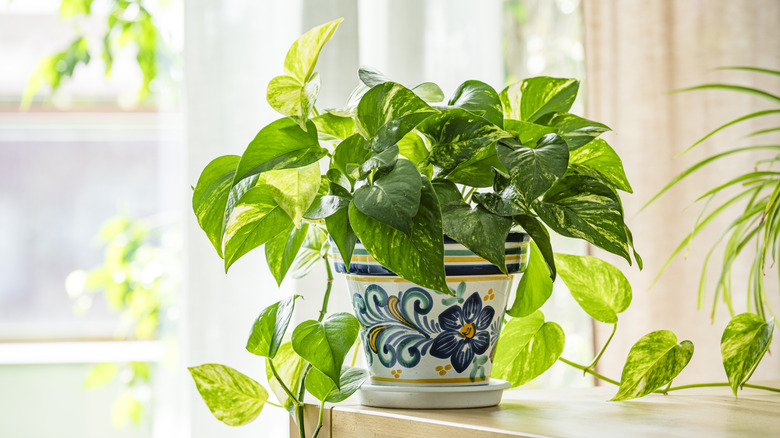
3. Pothos (Epipremnum Aureum)
Pothos appreciates consistent but gentle nutrition year-round indoors. I add rice water every 4–6 weeks to keep vines lush and leaves bright.
- How I apply: Slow, even watering with a 1:4 dilution until a touch of water runs out the drain holes.
- Why it helps: Low-level nutrients and starches support steady growth without fertilizer burn.

4. Peace Lily (Spathiphyllum Spp.)
Peace lilies can be dramatic—perky one day, droopy the next. A diluted rice-water drink can improve root health and help blooms return.
- How I apply: Monthly, 1:4 dilution, and only when the top inch of soil is dry.
- Tip: If plants are severely wilted, water with plain water first, then follow with rice water at the next watering.
The 10 Plants That Love Rice Water: Fruiting Veggie All-Stars

5. Tomatoes (Solanum Lycopersicum)
Tomatoes are thirsty and thrive in biologically active soil. The starches in rice water can feed beneficial microbes, which loosens soil and improves hydration.
- How I apply: Every 2–4 weeks during active growth, 1:3–1:5 dilution depending on plant size.
- Bonus: Pair with mulch to keep moisture even and reduce cracking.
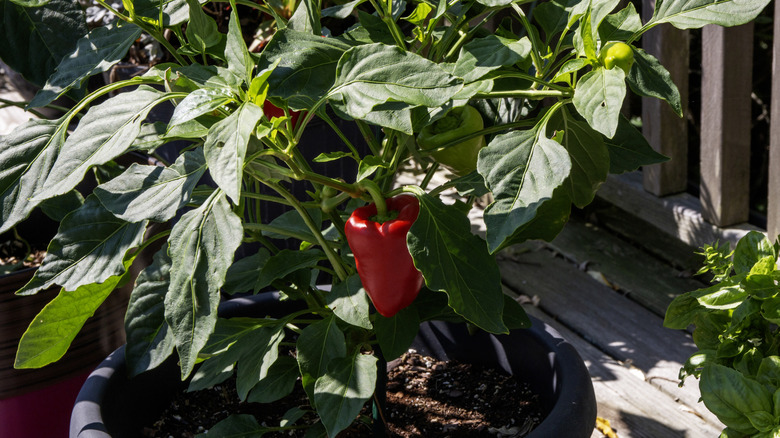
6. Peppers (Capsicum Spp.)
Peppers gain resilience when soil life is humming. Rice water’s gentle feed and microbial nudge can help plants resist stress and set fruit.
- How I apply: Every 3–4 weeks at 1:4 dilution once plants are established.
- Hydration tip: Maintain consistent moisture in fruiting season; rice water won’t replace regular watering.
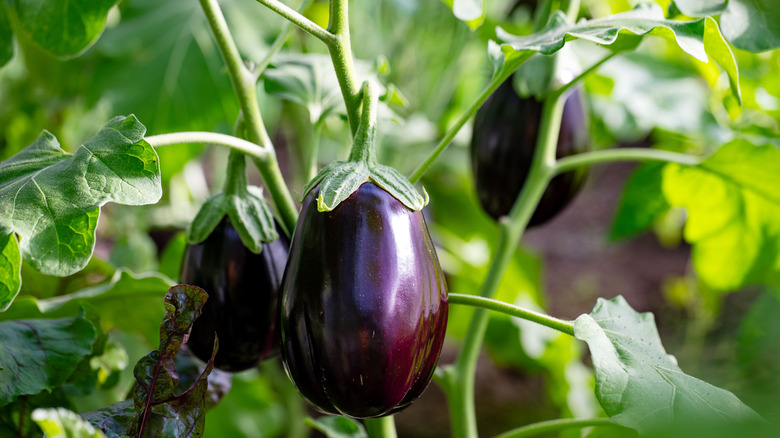
7. Eggplant (Solanum Melongena)
Eggplants are nutrient-hungry, but timing matters. Too much nitrogen early can push leaves over fruit.
- How I apply: Start with a mild 1:5 dilution when plants are established; step up to 1:3–1:4 as buds form and fruiting begins.
- What to avoid: Heavy, frequent use in early vegetative stage; keep things light until flowering.
The 10 Plants That Love Rice Water: Tricky Or Specialty Houseplants

8. Orchids (Orchidaceae)
Orchids can be picky, but they respond to gentle, consistent care. Diluted rice water can support root to leaf vitality without the risk of fertilizer burn.
- How I apply: Every 2–4 weeks at a very light 1:5 dilution; alternate with clear water to prevent residue.
- Key caution: Avoid leaving sticky water on aerial roots or leaves; always drain thoroughly.

9. Spider Plants (Chlorophytum Comosum)
Spider plants grow fast under the right conditions and enjoy periodic feeding. I lean on rice water as a monthly supplement in spring and summer, less in fall and winter.
- How I apply: 1:4 dilution, applied to evenly moist (not bone-dry) soil.
- Extra tip: Flush with plain water every few months to clear any mineral or starch buildup.

10. Aloe Vera (Aloe Barbadensis Miller)
Aloe thrives on bright light, good drainage, and just a pinch of nitrogen. Diluted rice water offers a gentle nitrogen nudge without overwhelming this succulent.
- How I apply: 1:5 dilution no more than monthly, and only when soil is completely dry.
- Non-negotiable: Never use salted boiling water; salts can burn roots and desiccate leaves.
How To Use Rice Water Safely And Effectively
Dilution And Frequency Rules
- Start weak: If you’re new to rice water, begin at 1:5 dilution and observe for 2–3 weeks.
- General cadence: Most houseplants do best with monthly applications; fruiting veggies can handle slightly more during their peak growth.
- Adjust by plant type: Succulents and snake plants prefer less frequent use; leafy tropicals are more forgiving when diluted well.
Application Methods That Work
- Soil drench: Pour slowly over the soil so microbes and roots get the benefit without flooding the pot. For a complete step-by-step guide on soil drenching and other methods, see how to apply rice water to your plants.
- Bottom watering: Set pots in a tray of diluted rice water for 10–15 minutes, then drain thoroughly.
- Light misting (optional): Only for sturdy foliage and at very weak dilution; wipe leaves after to avoid sticky film.
When To Skip Rice Water
- If salted: Any hint of salt means the water is off-limits for plants.
- If pests or fungus gnats are active: Starches could encourage gnats; correct the issue first.
- If drainage is poor: Sticky residues are more likely to build up in waterlogged soil.
Troubleshooting And What To Avoid
Signs You Used Too Much
- Soil crusting: A pale, tight surface layer can indicate starch buildup.
- Droop without dryness: If leaves droop yet soil is moist, roots may be oxygen-starved.
- Musty odor: Sour smells suggest old rice water or anaerobic soil conditions.
Quick Fixes For Residue Buildup
- Flush thoroughly: Rinse the pot with plain water until you get generous drainage.
- Loosen the soil: Gently fork the surface to break any crust and improve air exchange.
- Pause and reset: Skip rice water for 4–6 weeks; resume at a weaker dilution if needed.
Seasonal Timing And Light
- Active season focus: Spring and summer are ideal for monthly use; scale back in winter.
- Match light to feeding: Plants in low light metabolize more slowly—feed more lightly and less often. You can also learn whether to water your plants during the day or night in our article on the best time to water your plants.
- Container caution: Potted plants are more prone to buildup than in-ground beds; water to runoff periodically.
Smart Gardening Summary, Table, And Next Steps
Here’s a quick at-a-glance guide to pair each plant with the right dilution and frequency. Use this as a baseline and adjust based on your environment and plant response.
| Plant | Suggested Dilution | Suggested Frequency | Key Notes |
|---|---|---|---|
| Snake Plant | 1:5 | Monthly | Keep soil on the dry side; avoid soaking. |
| Monstera | 1:3–1:5 | Monthly in spring/summer | Water soil only; bright, indirect light helps. |
| Pothos | 1:4 | Every 4–6 weeks | Consistent, gentle feeding supports steady growth. |
| Peace Lily | 1:4 | Monthly | Apply when top inch is dry; perks up blooms over time. |
| Tomatoes | 1:3–1:5 | Every 2–4 weeks | Promotes a healthy microbiome and moisture uptake. |
| Peppers | 1:4 | Every 3–4 weeks | Supports resilience and fruit set in warm weather. |
| Eggplant | 1:5 early; 1:3–1:4 at bloom | Every 3–4 weeks | Go light pre-bloom to avoid leafy overgrowth. |
| Orchids | 1:5 | Every 2–4 weeks | Alternate with clear water to prevent residue. |
| Spider Plant | 1:4 | Monthly in spring/summer; less in winter | Flush occasionally to clear buildup. |
| Aloe Vera | 1:5 | Monthly at most | Ensure fast drainage; never use salted water. |
- Collect it right: Save unsalted rinse or boil water; cool completely.
- Dilute smart: 1:3–1:5 is the safe zone for most plants.
- Apply in growth windows: Prioritize spring/summer or active indoor growth.
- Observe and adjust: If you see residue or droop, flush and reduce frequency.
- Keep it fresh: Use within 2–3 days; refrigerate when possible.
If you’ve tried rice water or you’re about to, I’d love to hear how it goes. Share your results and questions in the comments on Plant Care Dairy—your insights help the whole community grow better.
Disclaimer: This article is for informational purposes only and is not a substitute for professional horticultural or agricultural advice. Always test new practices on a small area first, consider your local conditions, and consult a trusted expert or extension service if you’re unsure.