
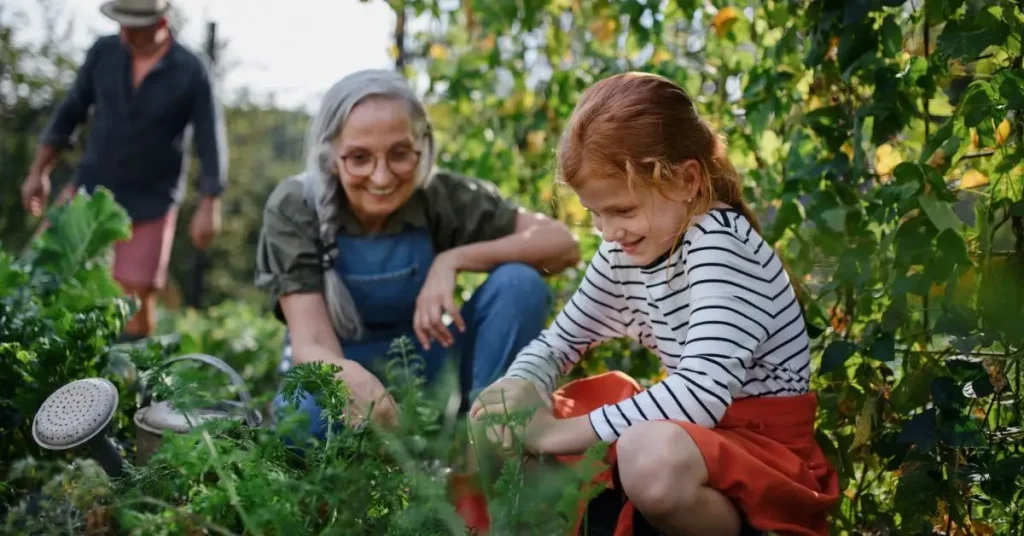
I still remember the first time I realised how much plastic I was dragging into my garden. Seed trays, mulch film, fertilizer bags — all piling up in a corner once the season ended. I told myself I’d reuse them, but most of it cracked, tore, or ended up unusable. And here’s the truth: a lot of gardeners quietly face the same mess.
You care about the soil, the plants, the bees buzzing around — but plastic sneaks in everywhere. We swap tips on composting or saving water, yet barely talk about what happens to those empty bags or broken pots. That’s where a new angle comes in: chemical recycling. Instead of dumping or burning plastic, it breaks it back down into raw materials, giving it another life.
In this guide, I want to show you how eco-friendly gardening isn’t just about planting natives or ditching chemicals. It’s also about rethinking plastic waste, and how innovations in recycling can actually support the way we grow. If you’ve ever looked at that pile of garden plastics and thought, “There has to be a better way,” you’re in the right place.
What about you — do you usually reuse garden plastics, or do they end up in the bin after one season?
Why Combine Chemical Recycling with Eco-Friendly Gardening?
If you’ve ever felt guilty tossing a cracked seed tray or those endless plastic fertilizer bags, you’re not alone. I’ve been there — standing with a pile of garden waste, wondering how “eco-friendly” my gardening really is when plastic is quietly piling up behind the shed.
Here’s where chemical recycling makes a difference. Unlike traditional recycling that just melts plastic down into weaker material, chemical recycling breaks it back into its building blocks. That means the same piece of plastic could be reborn into something strong and useful again — not just once, but potentially over and over. Just like your garden choices, even your financial habits can play a role in sustainability — for example, green banking practices show how everyday decisions can support a healthier planet.
Why does this matter for you as a gardener?
- It keeps plastic waste out of soil and landfills, where it otherwise lingers for decades.
- It supports a circular economy, where the same resources keep looping back instead of being wasted.
- It reduces the silent guilt of using garden plastics — because now, there’s a way to give them another life.
Of course, we also need to be honest. Studies show that chemical recycling uses more energy compared to simple mechanical recycling. The trade-off is clear: it’s more resource-intensive, but it also produces higher-quality recycled material that can replace virgin plastic. So if we combine eco-gardening habits (like cutting down plastic use in the first place) with chemical recycling where possible, the impact multiplies.
Current Innovations & Technologies in Chemical Recycling
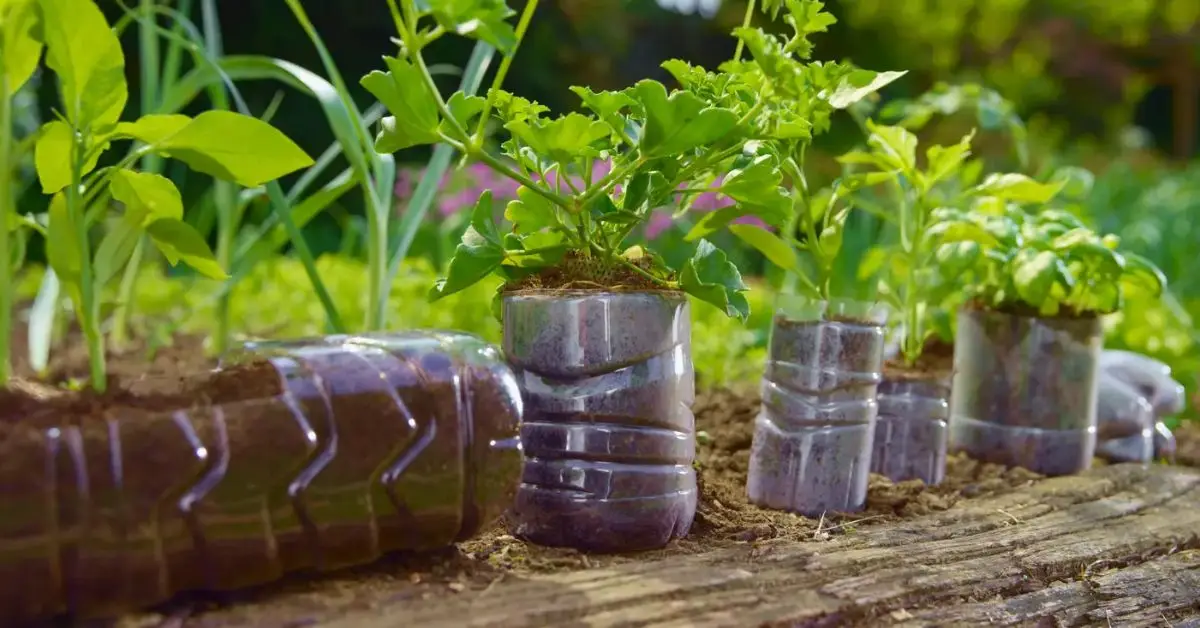
Now, you might be wondering — is this just theory, or are there real breakthroughs happening? The exciting part is that scientists and companies are already pushing boundaries. Let me share a few examples that caught my eye.
Air-Based PET Conversion Using Molybdenum Catalyst
At Northwestern University, researchers discovered a way to break down cheap plastic using air and a special molybdenum catalyst. According to a report in Live Science, this process can transform PET plastics (like water bottles) into valuable raw materials with up to 94% efficiency. For gardeners like us, that means one day those plastic bottles could come back as sturdy pots or garden tools instead of landfill clutter.
Enzymatic Nylon-6 Recycling (Samsara Eco)
Another breakthrough comes from an Australian startup that uses enzymes to endlessly recycle nylon-6 — a material common in packaging and fabrics. Imagine if every bit of nylon-based garden netting or synthetic ropes could be broken down and reformed without losing quality. That’s the kind of closed-loop system that can genuinely reshape how much plastic ends up in our environment.
Traditional Pyrolysis and Depolymerization
On the more established side, there’s pyrolysis and depolymerization — basically heating or breaking plastics down chemically to recreate raw monomers. This method has been around longer, and while it works, the challenges are cost, scale, and sometimes higher emissions. Still, it shows how the industry is evolving, moving from theory into practical solutions.
How Gardeners & Communities Can Leverage Chemical Recycling
It’s one thing to know about chemical recycling in theory — but the real question is, what can you and I actually do with it in our gardening lives? Here are some practical ways.
Local Programs & Drop-Off Points
Some states already run pilot projects where nurseries or farms collect used plastic pots and films for recycling. In Michigan, for example, growers can drop off used horticultural plastics instead of sending them to landfills. Programs like these are slowly expanding, and it’s worth checking if your local extension office or recycling center has something similar.
TerraCycle Model
If you’ve heard of TerraCycle, you’ll know they’ve built entire systems around upcycling tricky plastics into new products. Imagine your garden plastics being reborn as public benches, plant containers, or even decking materials. While not everywhere has access yet, these models show how communities can close the loop instead of letting waste pile up.
Collaborate with Local Recyclers or Community Groups
This doesn’t have to be complicated. You can talk to your local gardening club, farmers’ market, or even a school and set up a collection box for broken pots and trays. Once full, arrange for the batch to be taken to a recycler. It turns a small individual effort into a collective win.
At-Home DIY Tips
I won’t lie — sometimes the simplest thing is just reusing what you already have. I’ve cut old bottles into planters, turned buckets into compost bins, and reused cracked trays for seedlings. The trick is remembering that DIY is a stopgap. At some point, those plastics wear out, and that’s when chemical recycling is the right exit route.
Eco-Gardening Practices That Reduce Plastic Footprint
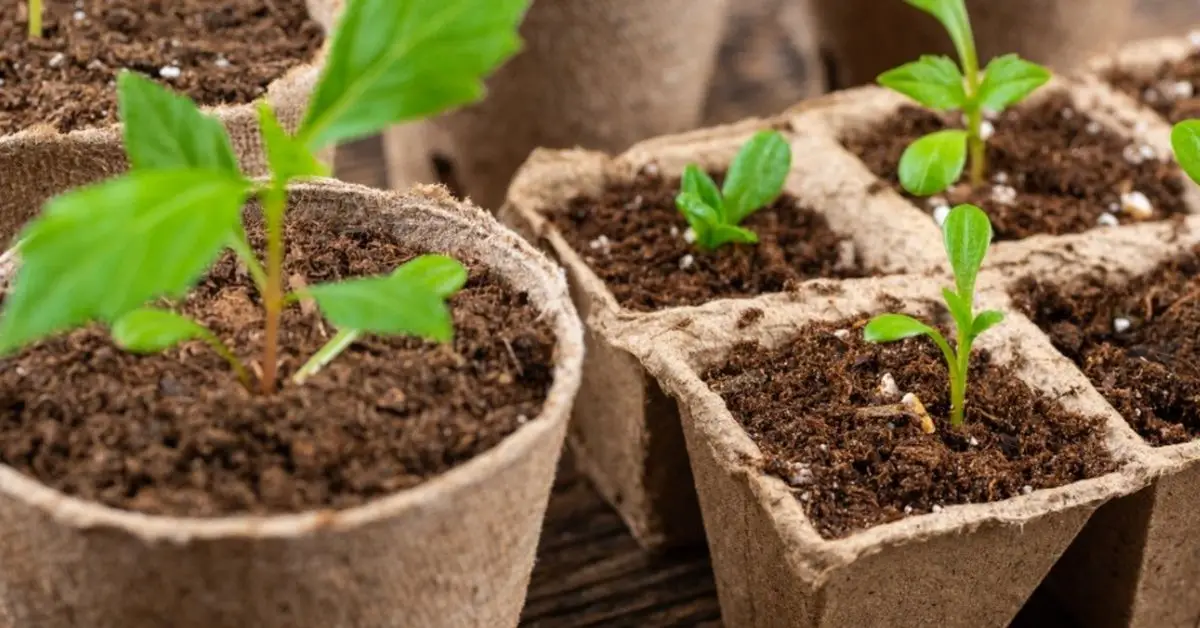
While recycling is important, the bigger impact comes from reducing how much plastic we bring into our gardens in the first place. Here’s where we can make smarter choices.
Choose Non-Plastic or Biodegradable Containers & Tools
Terracotta pots, wooden boxes, jute grow bags — these not only look better in your garden but also last longer without leaving behind microplastics. I’ve even switched to glass jars for seed starting instead of plastic trays.
Composting and Making Soil Blends at Home
Every bag of potting mix or fertilizer usually comes wrapped in plastic. By making your own compost, you cut that packaging waste down. Plus, your soil ends up richer and tailored for your plants.
Sharing or Repurposing Plastic Tools & Containers
Before buying new, ask around. Gardeners often have spare pots or tools lying around. Swapping them not only saves money but also reduces unnecessary plastic demand.
Use Natural Alternatives for Weed Barriers, Plant Labels, and Ties
You don’t need plastic sheets or nylon ties. Cardboard mulch works brilliantly for weeds, wooden markers last longer than cheap tags, and burlap or jute strings are perfect for plant support.
Integrate Climate-Friendly Practices
This goes beyond plastics. Using compost or biochar enriches soil, planting natives supports biodiversity, and mulching reduces water needs while storing carbon. Even switching from gas-powered trimmers to manual tools makes a difference. Small lifestyle shifts can make a surprising difference — even something as simple as playing music for your plants has been shown to boost growth alongside eco-friendly practices. For a broader overview of how climate-friendly gardening supports the planet, Wikipedia’s guide on sustainable practices is a solid reference.
Environmental Trade-Offs & Practical Considerations
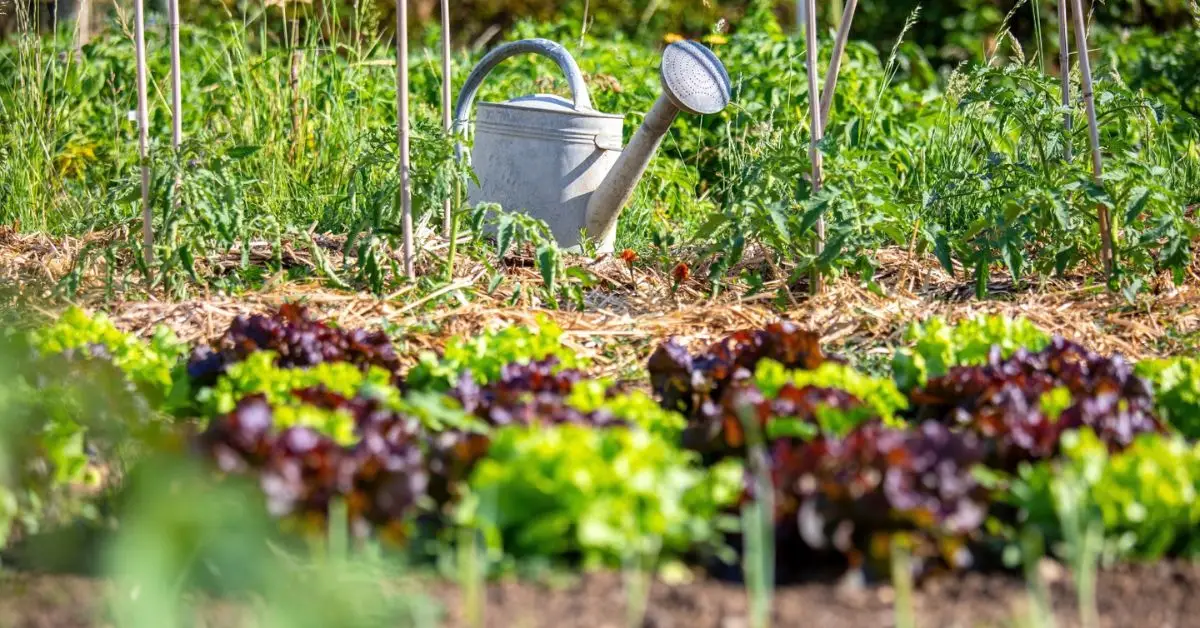
I don’t want to oversell chemical recycling as the magic fix — because like everything, it comes with trade-offs. If you’re serious about eco-friendly gardening, it’s important to see both the promise and the problems.
First, the positives are clear:
- It handles plastics that mechanical recycling usually rejects.
- It produces high-quality material that can replace virgin plastic.
- It gives gardeners like us a chance to close the loop on waste we’d otherwise bury or burn.
But here’s the reality check:
- Chemical recycling often uses more energy compared to mechanical methods. That means its carbon footprint can be higher in the short term.
- The technology isn’t available everywhere yet — in many regions, facilities simply don’t exist.
- Costs are higher, making it harder to scale without strong policy or community backing.
So what does this mean for you and me? It means we need balance. The smarter path is:
- Reduce and reuse first — bring in fewer plastics in the garden wherever possible.
- Use chemical recycling as a safety net for the plastics we can’t avoid.
- Keep track of what programs exist locally and support them — because demand and awareness push the system forward.
If you’d like a deeper dive into why these recycling methods vary so much in impact, Wired has an eye-opening look at the wider packaging problem and why solutions aren’t always as simple as they sound.
Take Action: Step-by-Step Guide for Eco-Gardeners
By now, you know the “why” and the “how” behind eco-friendly gardening and chemical recycling. The next step is simple: let’s put it into action. Here’s a roadmap you can follow, one step at a time.
- Audit your garden for plastic use: Walk through your garden and make a quick list — pots, mulch films, fertilizer bags, even small plant tags. You’ll be surprised how much plastic slips in without notice.
- Identify local recycling programs or TerraCycle drop-offs: Check with your local council, gardening supply stores, or community groups to see if there are collection points. If not, keep an eye out for TerraCycle-style initiatives.
- Plan to switch to non-plastic alternatives gradually: Don’t feel pressured to change everything at once. Replace old pots with terracotta when they break, or try jute grow bags next season. Small swaps add up.
- Collect and channel used plastics towards chemical recycling streams: Keep a separate bin or bag for cracked trays, torn films, or bottles. When you have enough, drop them off at a recycling program that accepts plastics suitable for chemical recycling.
- Share knowledge with local gardening groups or schools: Your effort doubles when you bring others along. A quick chat at the allotment or a small workshop at a school garden can inspire more people to join in. As you share knowledge with your local groups, fun insights like whether a tomato is really a fruit or a vegetable can spark curiosity and make learning about gardening even more engaging.
Conclusion
When I look back at my own gardening journey, I realise it wasn’t the composting or the water-saving tricks that made the biggest shift — it was tackling the quiet pile of plastic waste. Chemical recycling might not be perfect, but it gives us one more tool to deal with what’s already here, while eco-friendly gardening habits help prevent more from coming in.
If you and I take small steps — from swapping out plastics to supporting recycling programs — our gardens can become part of a much bigger climate solution. It’s not about perfection; it’s about progress, season by season.
What about you — have you tried reducing plastic in your garden, or do you have a clever reuse trick others should know? Share your experiences in the comments below.
And if you want more practical, down-to-earth guides on sustainable gardening, visit us at Plant Care Dairy for fresh tips and ideas you can put into practice today.
Disclaimer: This article is for informational purposes only and should not be taken as professional or scientific advice. Chemical recycling technologies are still developing and may not be available in all regions. Always check local regulations and recycling guidelines before disposing of garden plastics.