
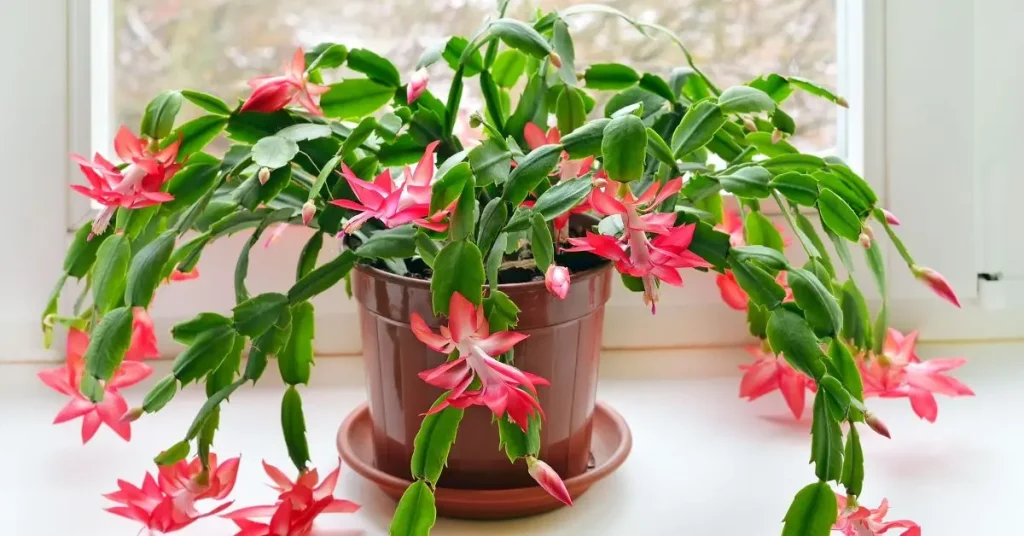
If you’ve ever seen a Christmas cactus bloom, you know it’s a sight to behold. Its vibrant colors during the winter months can brighten up any space. But here’s the thing: getting your Christmas cactus to bloom beautifully isn’t just about placing it on a sunny windowsill and hoping for the best.
Caring for a Christmas cactus can feel a bit tricky, especially when it comes to watering, light, and feeding. Don’t worry though, I’ve got you covered. Whether you’re a seasoned plant parent or a newbie, I’ll guide you through the essential steps to ensure your Christmas cactus thrives—year after year.
In this article, I’ll share five expert tips that will help you provide the right care, so your plant not only survives but flourishes. From creating the perfect environment to triggering those beautiful blooms, you’ll learn everything you need to keep your cactus healthy and happy.
1. The Christmas Cactus – An Introduction to Its Unique Care Needs
When you first bring a Christmas cactus into your home, you might be surprised by how different it is from the typical desert cacti you’re used to. This vibrant plant, native to the tropical rainforests of Brazil, has a unique set of needs that set it apart from its dry-climate relatives.
Origin: Unlike desert cacti, which thrive in dry, arid conditions, the Christmas cactus comes from a much wetter environment. It grows naturally in the shaded areas of the Brazilian rainforests, where it thrives in the cooler, more humid conditions of the understory. So, when caring for your cactus, think of a rainforest, not a desert.
Growth Characteristics:
- Cooler Environment: Christmas cacti are more comfortable in cooler temperatures, unlike desert cacti, which need warmth. They prefer temperatures between 60-70°F (15-21°C).
- Winter Blooms: The Christmas cactus gets its name for a reason. It blooms during the winter months, brightening up your home when most other plants are resting. However, the plant requires specific conditions to trigger its stunning holiday blooms.
- Delicate Growth: Unlike the tough, spiny desert cacti, the Christmas cactus has soft, segmented stems that need gentle handling and proper care to thrive.
What Makes It Special: The real charm of the Christmas cactus is its beautiful winter blooms. These flowers come in shades of red, pink, or white, often appearing in the weeks leading up to Christmas, making it a popular seasonal plant. It’s the perfect way to add a touch of natural beauty to your holiday décor.
By understanding the origins and unique growth habits of your Christmas cactus, you’ll be better prepared to meet its specific care needs, ensuring that it thrives year after year.
2. Where to Place Your Christmas Cactus for Optimal Growth
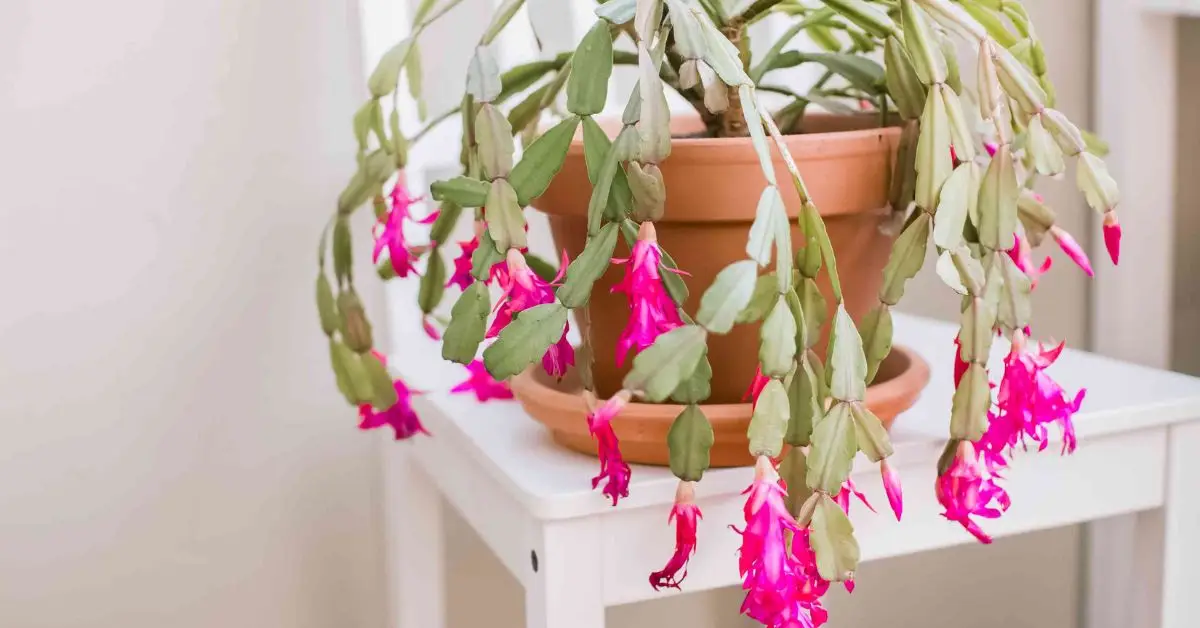
Now that you know where your Christmas cactus comes from, let’s talk about where to place it in your home for the best results. The right environment is key to making sure your plant grows well and blooms on schedule.
Light Requirements: Christmas cacti thrive in bright, indirect light. In their native rainforests, they grow under the canopy, receiving filtered light rather than harsh direct sunlight. Direct sun can scorch the delicate leaves, leading to brown spots or leaf burn.
- Ideal Placement: Place your cactus in a spot where it gets bright but indirect light. A windowsill with sheer curtains works well, or even a corner that gets some light throughout the day.
- Avoid Direct Sun: If you’re unsure, observe how your plant reacts—if the leaves start to turn yellow or red, it’s a sign it’s getting too much sun.
Temperature Needs: Christmas cacti are cool-loving plants, unlike their desert cousins that thrive in heat. They prefer temperatures between 60-70°F (15-21°C).
- Ideal Room Temperature: Keep the plant away from hot drafts or heat sources like radiators and air conditioners. They also do well in rooms that get slightly cooler at night.
- Avoid Freezing Temps: While the Christmas cactus is hardy to a degree, temperatures below 50°F (10°C) can cause damage, so avoid placing it in chilly areas like near open windows or exterior doors.
Humidity Considerations: Humidity is important for the Christmas cactus. In its native tropical environment, it thrives in a humid atmosphere. Dry indoor air can cause the plant’s leaves to shrivel or affect blooming. If you’re dealing with pests that could affect the growth of your Christmas cactus, it might be worth considering natural pest control options in your garden. Learn more about the benefits of wasps in your garden for natural pest control to keep your plants healthy.
- How to Increase Humidity: Consider placing a humidity tray under your cactus, or better yet, place it in a bathroom with natural light. Alternatively, you can use a small humidifier to keep the surrounding air moist.
- Ideal Locations: Bathrooms, kitchens, or areas near humidifiers are excellent choices.
For more on creating the ideal environment for your Christmas cactus, you can check out this guide from RHS for additional insights on light and humidity.
3. How to Water Your Christmas Cactus Without Overwatering

Watering is one of the trickiest aspects of caring for your Christmas cactus. Too little water, and your plant will become stressed and may not bloom. Too much water, and you risk root rot, which can quickly kill the plant. Here’s how to get it right.
Watering Frequency: Christmas cacti prefer slightly drier soil compared to other types of cacti. The key is allowing the soil to dry out between waterings. Overwatering is a common mistake, especially in winter when the plant’s growth slows down.
Overwatering can sometimes be a result of misunderstanding how to care for your plants. If you’re concerned about watering habits in general, especially underwatering, you can read more about how to save your dying plants from underwatering and spot the symptoms early.
- Winter Care: Water your Christmas cactus every 2-3 weeks in the winter months, when the plant is dormant.
- Summer Care: During the warmer months, when the cactus is actively growing, water more frequently—every 1-2 weeks. Always check the soil before watering to ensure it’s dry at the top 1-2 inches.
Watering Technique: The technique you use to water your cactus is just as important as the frequency. The goal is to keep the roots hydrated but not waterlogged.
- How to Water: Water thoroughly until it drains out of the bottom of the pot. This ensures the roots get enough moisture. Never let your cactus sit in standing water, as this can lead to root rot.
- Check for Standing Water: After watering, always check the saucer under your pot and empty any excess water.
Signs of Overwatering: Overwatering can be detrimental to your cactus. If you notice the following signs, you may be watering too much:
- Yellowing Leaves: If the leaves start turning yellow or translucent, it could indicate root rot due to excess water.
- Mushy Stems: Soft, mushy stems are another sign of overwatering.
To get more tips on proper watering, check out this guide from Planet Desert for further advice.
4. The Right Way to Fertilize Your Christmas Cactus for Lush Growth
Fertilizing your Christmas cactus is crucial to ensure it gets the right nutrients to grow strong, healthy, and produce vibrant blooms. But like watering, it’s important not to overdo it.
Fertilizer Type: When it comes to choosing the right fertilizer, opt for a balanced, water-soluble option. These fertilizers contain equal amounts of nitrogen (N), phosphorus (P), and potassium (K), which are essential for overall plant health.
- Recommended NPK Ratio: Look for a fertilizer with an NPK of 10-10-10 or 20-20-20. These are perfect for promoting healthy leaf and root growth without encouraging excessive leggy growth.
When to Fertilize: The timing of fertilization matters. Fertilizing during the right season can help your Christmas cactus flourish during its active growing phase.
- Active Growing Season (Spring to Summer): Fertilize every 4 weeks to promote strong growth and prepare for blooming.
- Dormant Season (Fall to Winter): Stop fertilizing during the winter when the plant is resting and not actively growing.
Signs of Deficiency: If your cactus isn’t getting enough nutrients, it might show the following signs:
- Stunted Growth: The plant might not grow as quickly as it should or may appear to have stopped growing altogether.
- Poor Flowering: If the cactus isn’t blooming or produces very few flowers, this could be a sign that it’s not receiving enough nutrients.
5. How to Make Your Christmas Cactus Bloom Beautifully

The vibrant blooms of the Christmas cactus are one of its most cherished features, and getting it to bloom beautifully during the holiday season can feel like magic. However, it takes a little bit of care and attention to get it right. In this section, I’ll share the steps you need to follow to trigger those stunning flowers and ensure your plant shines during the holidays.
Triggering Blooms: Christmas cacti are photoperiod-sensitive, meaning they need a specific amount of darkness to trigger their blooming cycle. To make sure your cactus produces those beautiful, colorful flowers, here’s what you need to do:
- Darkness is Key: About 2-3 weeks before the desired blooming period (typically around Thanksgiving), start giving your cactus 12-14 hours of darkness each night. You can place it in a dark room, cover it with a cloth, or even use a box to block out light. This will simulate the natural light cycle of its native habitat.
- Continue Normal Care: During the day, make sure the plant gets bright, indirect light as usual. The combination of light and dark will signal to the cactus that it’s time to bloom.
Pruning and Resting: After the blooming season is over, it’s time to give your Christmas cactus some TLC to maintain its health.
- Pruning: Prune the plant after it finishes flowering to maintain its shape and remove any dead or damaged stems. This also helps to encourage new growth. If you’re curious about innovative ways to monitor your plant’s health in real-time, incorporating technology can also be beneficial. You might want to explore how electronic tattoos for plants help monitor real-time health to ensure your plant stays in the best condition during its blooming season.
- Resting Period: Allow the cactus to rest after blooming. It’s important to give the plant time to recharge by keeping it in a cooler environment and reducing watering.
Avoid Overfertilizing: While fertilizing is essential for healthy growth, too much fertilizer during the blooming phase can prevent your cactus from flowering.
- Limit Fertilizer: Avoid fertilizing the cactus while it’s preparing to bloom, as excess nutrients can encourage leaf growth instead of flowers.
- Proper Timing: Resume fertilizing only after blooming is complete, when the cactus enters its growth phase again.
For more tips on encouraging blooms and seasonal care, check out this guide from Southern Living.
Conclusion: Keep Your Christmas Cactus Thriving All Year
Long-term care is essential to keep your Christmas cactus healthy year after year. If you notice yellowing leaves, leggy growth, or poor blooms, adjust its care by checking light, watering, and inspecting for pests like mealybugs.
Make sure to repot every 2-3 years to refresh the soil and give the plant room to grow. These simple practices will help your cactus thrive and bloom beautifully during the holidays.
Have your own Christmas cactus care tips? Share them in the comments below! For more plant care advice, visit Plant Care Dairy.
Disclaimer: The care tips provided in this article are for general guidance. Each plant is unique, and individual care needs may vary. Always monitor your plant and adjust care based on its specific needs.