

I love growing tomatoes, but let me tell you—nothing is more frustrating than seeing your healthy plants suddenly struggle. Leaves turning yellow, fruits developing weird spots, or your tomatoes just refusing to ripen can make even seasoned gardeners feel helpless. I’ve been there, and I know exactly how it feels to watch weeks of effort risk going to waste.
Over the years, I’ve learned that most tomato problems can be caught early and fixed fast, if you know what signs to look for. The tricky part is that many guides online just skim the surface—they list the problems but rarely explain why they happen or how to really fix them. That’s what I want to change here.
In this guide, I’ll take you through the five most common tomato plant problems I see in my garden. I’ll show you how to identify each issue, why it happens, and practical solutions that actually work. By the end, you’ll feel confident spotting trouble before it ruins your harvest—and keeping your tomato plants healthy, strong, and productive.
1. Blossom End Rot: Recognize, Remedy, and Prevent
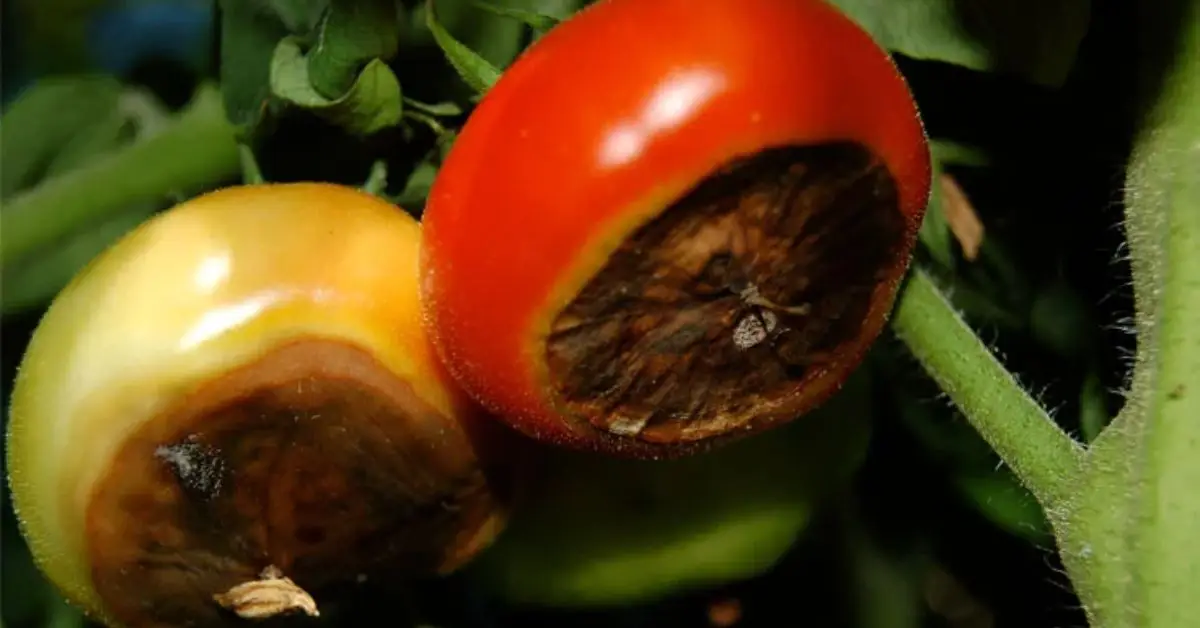
If you’ve ever noticed black, sunken spots on the bottom of your tomatoes, you’re likely dealing with blossom end rot. I’ve seen this happen even to experienced gardeners, and the first time it appeared in my garden, I panicked. But once you know the signs and what triggers it, fixing it is actually straightforward.
Symptoms:
- Black or dark brown, sunken areas at the blossom end of the fruit
- Sometimes the spot grows as the fruit matures, eventually ruining it
Causes:
- Calcium deficiency in the plant or uneven calcium uptake
- Inconsistent watering—periods of drought followed by heavy watering stress the plant
- Excess nitrogen from over-fertilization, which encourages leafy growth over fruit development
Solutions:
- Water deeply and consistently to keep soil evenly moist
- Use calcium-rich amendments like gypsum or crushed eggshells directly into the soil
- Avoid over-fertilizing—stick to a balanced fertilizer
Prevention Tips:
- Mulch around the base of your plants to retain soil moisture naturally
- Check your soil’s calcium levels before planting
Blossom end rot is common, but once you address the root causes, you can save the rest of your harvest. I always keep a small stash of eggshells crushed in the garden—it’s a cheap trick that actually works!
2. Early Blight: Spot It Early, Stop It Fast
Early blight is one of those problems that can spread quickly and devastate your tomato yield if you’re not paying attention. I’ve learned that spotting it early and taking immediate action can make a huge difference.
Symptoms:
- Dark, concentric rings or lesions on lower leaves, often surrounded by yellow halos
- Leaves may yellow, shrivel, and drop prematurely
Causes:
- Fungal pathogen Alternaria solani, which thrives in wet, humid conditions
- Overcrowded plants and poor airflow can accelerate the spread
Solutions:
- Remove infected leaves immediately—don’t compost them
- Apply organic fungicides like sulfur dust to protect healthy leaves
- Ensure plants have enough space for good airflow
Prevention Tips:
- Rotate your crops every year to reduce soil-borne fungal buildup
- Avoid overhead watering to keep leaves dry
- University of Maryland Extension offers detailed guidance on preventing early blight
I always inspect the lowest leaves first, because that’s where early blight tends to appear. Catching it early has saved me countless tomatoes over the years.
3. Yellowing Leaves: Diagnose the Root Cause
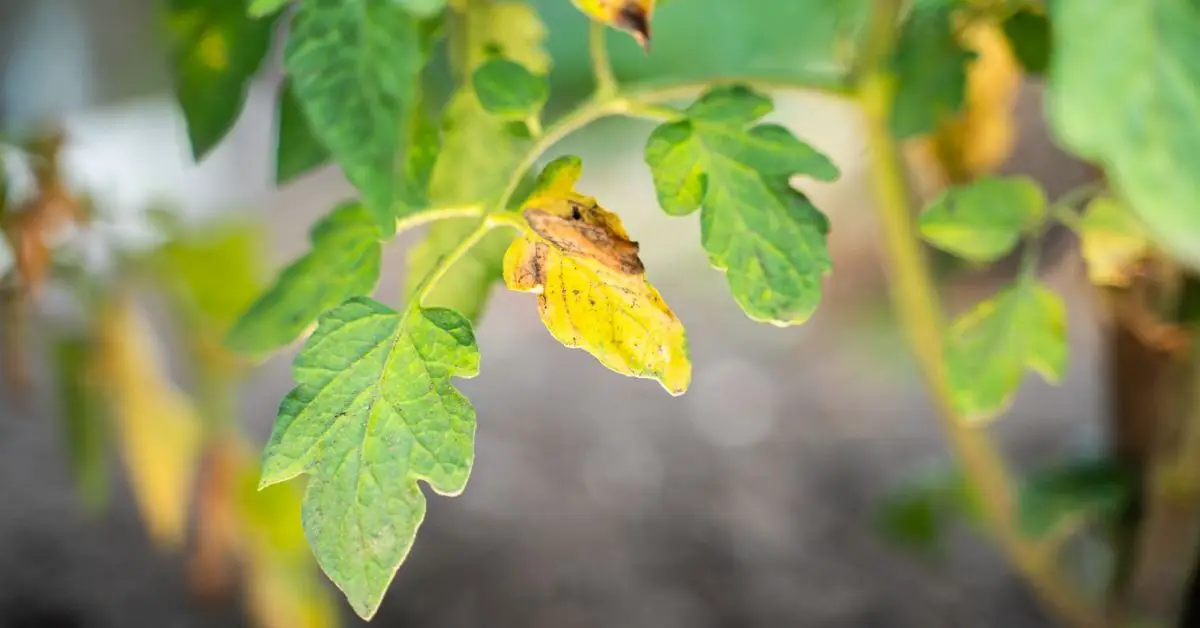
Nothing worries me more than seeing my tomato leaves turn yellow, especially when everything else looks fine. Yellowing can happen for a bunch of reasons, so taking a systematic approach helps me figure out exactly what’s wrong.
Potential Causes:
- Nutrient Deficiencies: Low nitrogen or other essential nutrients can show as yellow leaves.
- Pests: Tiny invaders like aphids or spider mites can stress the plant.
- Diseases: Fungal issues like early blight can also cause yellowing.
Diagnostic Steps:
- Check for small pests on leaves and stems.
- Inspect the soil’s pH and nutrient balance.
- Review your watering habits, since both over- and under-watering stress the plant.
Solutions:
- Apply a balanced fertilizer tailored for tomatoes.
- Water deeply and consistently.
- Treat pests or diseases as identified—sometimes removing affected leaves is enough.
Prevention:
- Test soil periodically and maintain consistent plant care.
- Ensure proper spacing and airflow to reduce disease risk.
For more detailed advice, I always refer to Gardening Know How’s guide on yellow leaves and early blight. It’s a lifesaver when you want actionable steps.
4. Tomato Hornworms: Detect, Defend, and Destroy
There’s nothing quite as shocking as spotting a huge green caterpillar devouring your tomato leaves overnight. These hornworms can wipe out entire sections if you don’t act fast.
Identification:
- Large, bright green caterpillars
- White diagonal stripes and sometimes a red horn at the tail
- Blend surprisingly well with the foliage
Damage:
- Quick defoliation
- Potential loss of fruit if left unchecked
Control Methods:
- Manual removal—I just pick them off with gloves.
- Introduce natural predators, like parasitic wasps or ladybugs.
- Use organic insecticides sparingly.
Prevention Tips:
- Inspect plants regularly, especially the undersides of leaves.
- Remove any affected leaves to slow the spread.
- Maintain healthy plant care to make your tomatoes less appealing to hornworms.
For detailed guidance on protecting plants from pests and stress, check The Spruce’s guide on saving sunburnt and stressed plants. The tips often overlap with pest management strategies.
5. Tomato Plant Sunburn: Shield, Save, and Succeed

I’ve learned the hard way that tomato sunburn isn’t just cosmetic—it can seriously affect fruit quality. If your tomatoes are showing signs of sun stress, acting quickly can save the harvest.
Symptoms:
- White or yellow patches on the fruit
- Most noticeable on the side facing the sun
Causes:
- Intense sunlight, especially during peak afternoon hours
- High temperatures combined with reflective surfaces
- Lack of sufficient foliage to shade the fruit
Solutions:
- Use shade cloths during the hottest parts of the day
- Prune strategically to allow airflow but keep enough leaves for natural shade
- Keep soil consistently moist—hydrated plants handle sun stress better
Extreme heat can stress tomatoes and other plants alike; if your garden is facing scorching days, check out our guide on How to Keep Plants Alive in a Heatwave for practical solutions.
Prevention:
- Plant tomatoes in areas that get partial afternoon shade
- Maintain healthy foliage through regular watering, mulching, and proper feeding
- Consider companion planting or taller crops nearby to provide natural protection
By giving my plants just a little protection and attention during hot spells, I’ve noticed fewer sunburned fruits and healthier overall growth. It’s simple changes like these that really make a difference in yield and quality. Just like tomatoes, many indoor plants also have specific sunlight needs; if you’re curious about how much light your indoor plants need, check out our guide on Aloe Vera Indoor Sunlight Requirements.
Quick Tomato Plant Care Tips (Before Problems Arise)
I always tell new gardeners that prevention is better than cure. Spending a little time on basic care can save you from headaches later. Here’s what I focus on:
Ideal Soil Conditions & pH:
- Tomatoes thrive in well-draining, loamy soil
- Keep soil pH around 6.0–6.8 for optimal nutrient uptake
Watering Schedule & Tips:
- Water deeply but less frequently to encourage strong roots
- Avoid wetting leaves to prevent fungal diseases
- Morning watering is best for healthy growth
Proper Spacing & Pruning:
- Give each plant at least 18–24 inches of space
- Prune lower leaves to improve airflow and reduce disease risk
Mulching Benefits:
- Mulch helps retain soil moisture, regulate temperature, and suppress weeds
- Organic mulches like straw or shredded leaves work best
By following these basic steps, you set your tomatoes up for success from day one, making them more resilient to pests and diseases. Maintaining tomato plants during the peak of summer can be tricky; for more seasonal tips and strategies, see our post on 10 Late Summer Gardening Tips Every Gardener Should Know.
Top Mistakes Tomato Growers Make
I’ve seen even experienced gardeners fall into a few common traps. Avoiding these mistakes can save a lot of frustration:
Overwatering or Underwatering:
- Too much water leads to root rot
- Too little water causes blossom end rot and wilting
Over-Fertilizing:
- Excess nitrogen promotes leaf growth over fruiting
- Can make plants more vulnerable to pests
Ignoring Pests or Early Symptoms:
- Small issues like yellow leaves or tiny insects can snowball into bigger problems
- Early action is always easier and more effective
Recognizing these mistakes early allows you to adjust care practices quickly, keeping your plants healthy and productive.
Companion Planting for Healthy Tomatoes
I love using companion planting because it’s natural, effective, and visually appealing. Certain plants can protect your tomatoes or improve growth.
Best Companion Plants:
- Basil: Improves flavor and repels pests
- Marigold: Deters nematodes and other harmful insects
- Garlic or onions: Can help reduce fungal diseases
Plants to Avoid Near Tomatoes:
- Cabbage family plants (cabbage, broccoli) compete for nutrients
- Fennel: Can inhibit tomato growth
Companion planting helps your tomatoes stay healthy, produce more, and reduce chemical use, all while creating a vibrant, balanced garden.
Conclusion: Empower Your Tomato Gardening Journey
I’ve seen firsthand how a few small interventions can completely turn around a struggling tomato plant. By understanding and tackling common issues like blossom end rot, early blight, yellowing leaves, hornworms, and sunburn, you can boost both the health and yield of your plants.
Remember, regular monitoring, consistent care, and timely action are the keys to keeping your tomato garden thriving. Even small changes, like adjusting watering habits or adding a bit of shade, make a noticeable difference.
I’d love to hear from you! Have you faced any of these tomato problems? What worked for you? Share your experience in the comments below.
And if you want more tips, guides, and tricks for healthy plants, visit Plant Care Dairy—your go-to place for practical, easy-to-follow gardening advice.