

November can feel like the month when gardening slows to a crawl. I used to think the same—“too late to plant anything now”—until I realized that with the right seeds and a little planning, November can actually be one of the most strategic months for setting up a winter garden. You don’t have to wait for spring to get a fresh harvest. From hardy greens to winter herbs and even early vegetables, there’s still plenty you can sow to enjoy fresh, homegrown produce through the colder months.
In this guide, I’ll walk you through what to plant, how to protect your seedlings from the chill, and how to plan a winter garden that actually produces. By the end, you’ll see November not as the end of the season, but as a smart starting point for a productive winter harvest.
Why November Sowing Makes Sense (And What To Expect)
I know what you might be thinking: November? Isn’t it too late to plant anything? I used to feel the same way. But the truth is, November can actually be a golden window for gardeners who plan smartly. Sowing in late autumn gives you a head start on winter and early spring harvests, and it can make a huge difference when the growing season kicks back in.
Planting now isn’t about rushing; it’s about timing and choosing the right crops. Let’s break down what this late-season window really means.
The Late‑Season Window: What You Can Still Sow And Why
Even though days are shorter and temperatures are dropping, some seeds thrive in cold conditions. These are generally hardy, frost-tolerant crops that either germinate slowly or wait for warmer soil before taking off. Here’s why it matters:
- Extended Harvest – By sowing now, you can start harvesting leafy greens and root vegetables earlier than if you waited until spring.
- Winter Crops – Some vegetables, like broad beans or winter peas, can survive frost and even benefit from it, producing stronger, sweeter shoots in spring.
- Smart Use Of Indoor Space – Seeds started indoors now can be transplanted when conditions improve, giving you a jumpstart on the season.
Climate And Region Factors: Frost Dates, Soil Temperature, Choosing Your Window

Not every November is the same. Your success depends on your USDA zone, average first frost date, and soil temperature. I always check these before I sow:
- Zone 4–6 – Soil can freeze, so consider cold frames or indoor sowing for tender greens.
- Zone 7–8 – Cooler winters, but soil rarely freezes hard; direct sow hardy greens and brassicas.
- Zone 9–10 – Mild winters allow more crops outdoors; even some tender vegetables can survive with light protection.
Knowing your frost dates helps you plan which seeds to start indoors and which can brave the garden. For detailed planting windows, I often refer to Thompson & Morgan’s November sowing guide, which gives a clear breakdown for each crop.
What Kind Of Growth To Expect And How Frost/Short Daylight Affect It
You can’t expect rapid growth in November. Here’s what I tell gardeners:
- Slow Germination – Seeds may take longer to sprout in cold soil, so patience is key.
- Compact Growth – Leafy greens grow slower but are often more tender and flavorful after exposure to frost.
- Reduced Light – Shorter days mean slower photosynthesis, so indoor seedlings may need supplemental light or south-facing windows.
Understanding these factors prevents disappointment and helps you plan realistic harvest timelines.
Best Vegetable Seeds To Sow In November
Now let’s talk about the fun part: what you can actually plant. I divide my November sowings into three categories: direct-sow outdoors, protected sowing, and indoor/micro-green setups. This makes it easier to decide what fits your space and climate.
Direct‑Sow Outdoors (Cold‑Tolerant Crops)
These are hardy vegetables that can go straight into the garden or a cold frame now:
- Broad Beans (winter types) – tolerate frost and will produce early spring pods. If you’re thinking about planting broad beans, peas, or even corn this November, you might want to explore the Three Sisters gardening method which shows how corn, beans, and squash can grow together efficiently.
- Hardy Peas – sow for early spring harvest.
- Spinach – grows slowly in cold soil but tastes sweeter after frost.
- Corn Salad (Mâche) – perfect for crisp winter salads.
- Winter Mustards – quick-growing leaves for salads or stir-fries.
These crops don’t need much fuss, but soil preparation and mulch can make a big difference in germination.
Protected Sowing (Cold Frames / Cloches / Greenhouse / Indoors)
If you have some kind of protection, you can expand your options:
- Spring Onions – easy to grow under cloches.
- Pak Choi – prefers a slightly warmer, sheltered environment.
- Winter Salad Mixes – leaves grow faster in protected setups.
- Herbs On Windowsill – chives, dill, parsley all thrive indoors.
Protected sowing extends what’s possible in November and reduces the risk of frost damage.
Indoor/Micro‑Green/Tray Sowing For Winter Harvests

For those of us with limited outdoor space, indoor sowing can be a lifesaver. I often grow:
- Cress – fast germination, perfect for sandwiches or soups.
- Alfalfa and Fenugreek Sprouts – great for nutrition and quick harvest.
- Micro‑Greens – kale, radish, and beet micro‑greens add flavor and color to winter salads.
Even in a small apartment, you can have a productive winter harvest using trays and sunny windows. If you’ve sown late-season tomatoes or have leftover green fruits, learning how to ripen green tomatoes indoors can complement your winter harvest and keep your kitchen stocked. It’s incredibly satisfying to cut fresh greens in the middle of December.
Choosing The Right Seed Varieties And Timing
I’ve learned the hard way that picking the wrong variety in November can lead to disappointment. Some seeds simply won’t germinate in cold soil, and others may bolt or rot before they ever produce. Choosing the right variety and understanding timing is key to a successful late-season garden.
What “Hardy” Means And Why It Matters
Not all seeds are created equal. “Hardy” refers to plants that can tolerate frost, cooler soil, and shorter days. Here’s why it matters:
- Cold Germination – Hardy seeds can sprout in lower soil temperatures, while tender varieties may sit dormant or fail.
- Days To Maturity – Short-season crops are more forgiving in November sowing; tender crops might not mature before harsh weather hits.
- Seed Labels – Always check for “winter hardy” or “cold tolerant” on the packet. This small step prevents a lot of wasted effort.
Understanding these basics keeps you from sowing tender crops too early and helps you plan realistically.
List Of Recommended Varieties For November Sowing
Here are some varieties I personally trust for late-season sowing:
- Broad Beans – ‘Aquadulce Claudia’, ‘Crimson Flowered’
- Spinach – ‘Winter Bloomsdale’, ‘Giant Winter’
- Lettuce – ‘Winter Density’, ‘Arctic King’
- Pak Choi / Bok Choy – ‘Joi Choi’, ‘Shanghai Green’
- Winter Salad Mixes – pre-packaged hardy blends
- Peas (Winter Type) – ‘Meteor’, ‘Kelvedon Wonder’
These varieties handle cold well and give consistent harvests. For more variety-specific tips, I like checking Suttons Seed Guide — they break down sowing times and winter-hardiness clearly.
Timing And Spacing: How To Sow In November
Even the right seeds need proper technique:
- Soil Prep – Loosen soil and enrich with compost to help seeds get started in colder ground.
- Row Spacing – Give leafy greens enough room; overcrowding slows growth and increases disease risk.
- Thinning – When seedlings emerge, thin to the recommended spacing on the packet to promote healthy development.
- Succession Sowing – Plant a few rows a week apart if you want a continuous harvest.
Adjusting For Your Garden Zone And Anticipated Frost
Your local conditions matter more than anything else in November. Here’s how I adapt:
- Zone 4–6 – Use cloches, fleece, or cold frames for most crops; protect seedlings from hard frost.
- Zone 7–8 – Outdoor sowing is possible for many hardy greens; keep mulch handy for sudden drops.
- Zone 9–10 – Light frost is rare; many crops can grow outdoors with minimal protection.
Knowing your zone and expected frost dates helps you decide what to cover, mulch, or start indoors.
Soil Preparation & Winter Garden Setup
Planting in November isn’t just about seeds — it’s about giving them the best start in challenging conditions. I always start with soil and setup before sowing, and it makes all the difference.
Preparing Soil In Late Autumn
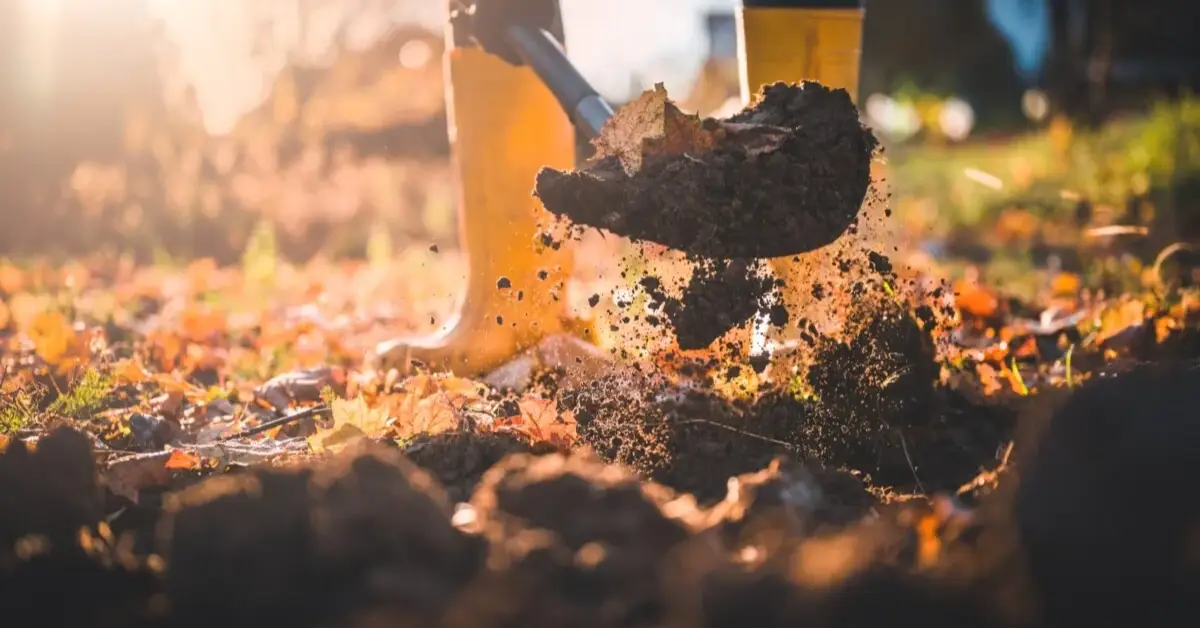
Cold soil is less forgiving, so I make sure to:
- Clear away old plant residues and weeds to reduce disease risk.
- Check drainage — soggy soil can rot seeds.
- Add compost or well-rotted manure to boost nutrients and soil structure.
Cold Frames, Cloches, Row Covers, Hoops: How To Build Or Use Them
Protection helps your November sowings survive frosts:
- Cold Frames – Perfect for leafy greens and early brassicas. For those expanding protected sowing options, building a greenhouse or maintaining a cold frame can give your November seedlings a strong start.
- Cloches – Individual plant covers for delicate seedlings.
- Hoops & Row Covers – Create mini-tunnels to extend the growing season.
Even simple DIY setups make a noticeable difference in germination and growth.
Indoor Seed-Starting And Windowsill Setups
If you don’t have garden space or want extra security for tender crops:
- Light – South-facing windows are best; supplement with LED grow lights if necessary.
- Warmth – Keep trays away from cold drafts; a consistent temperature encourages germination.
- Moisture – Keep soil evenly damp but not soggy.
Succession Sowing And Maximizing Space
I like to think of November sowing as part of a larger strategy:
- Plan for Winter and Early Spring – Stagger plantings to ensure continuous harvest.
- Maximize Space – Use indoor trays, raised beds, or vertical supports.
- Think Ahead – These sowings bridge the gap until spring crops are ready.
By preparing soil and setup carefully, you give your late-season seeds the best chance to thrive, even in colder conditions.
What To Do After Sowing: Care, Harvesting & Planning Forward
Sowing seeds in November is only the first step. I’ve learned that the real difference comes from following through with care, monitoring, and planning. If you plant and forget, you’re leaving potential harvests on the table. Here’s how I manage my late-season garden.
Monitoring Germination, Cold Stress, Pests And Using Row Cover Or Fleece
Even hardy seeds can struggle in cold or wet soil. I check my seedlings regularly:
- Germination – Keep the soil lightly moist and check for sprouts every few days.
- Cold Stress – If frost is expected, I cover seedlings with fleece or a mini cold frame.
- Pests – Slugs and snails can still be active; I use natural deterrents and physical barriers.
Row covers or fleece are simple tools that help seeds survive harsh nights and speed up growth slightly.
Harvesting Timeline: What To Expect For November Sowings
You won’t get instant results, but patience pays off:
- Winter Leaves – Spinach, lettuce, and winter salad mixes may be ready in 6–8 weeks. Frost often improves flavor.
- Early Spring Pods – Broad beans and peas sown in November can produce pods by early spring.
I mark expected harvest weeks on a calendar so I know when to check and start picking.
How These November Sowings Feed Into Your Spring Garden

Think of November sowings as part of a bigger seasonal plan. I use them to bridge the “hungry gap” — the late winter period when fresh produce is scarce.
- Transplanting – Some seedlings started indoors or under protection can be moved to the garden in late winter.
- Crop Rotation – Leaves room for spring crops while keeping soil productive.
- Gap-Filling – Hardy greens and herbs can keep the kitchen stocked until spring harvests are ready.
For more on bridging the hungry gap and late-season planning, this Wikipedia overview gives a clear explanation.
Troubleshooting Common Problems
Even with care, things can go wrong. I watch for:
- Slow Growth – Usually due to low soil temperature; consider a cold frame or extra mulch.
- Frost Damage – Cover crops at night; prune damaged leaves carefully.
- Poor Germination – Could be old seeds, soil too wet/dry, or too cold; resow indoors if needed.
Being proactive and observing your seedlings closely makes November sowings far more successful.
Quick Guide: November Sowing Checklist & Calendar
I like to keep a simple, actionable checklist. Here’s how I organize mine:
By Region / Zone / Seed Type / Sowing Location / Protection / Expected Harvest:
- Zone 4–6: Spinach, broad beans, hardy peas — cold frame or indoor trays — harvest 6–10 weeks
- Zone 7–8: Lettuce, winter salad mixes, pak choi — outdoors or cloche — harvest 6–8 weeks
- Zone 9–10: Spring onions, herbs, salad greens — outdoors with minimal protection — harvest 4–8 weeks
Must-Do Now Checklist:
- Prepare soil with compost and drainage
- Order seeds for any missing varieties
- Set up cold frames, cloches, or indoor trays
- Sow hardy seeds outdoors, tender seeds indoors
- Mulch and protect seedlings from frost
This quick guide is exactly what I use to make November sowing efficient and stress-free. It turns the “too late” mindset into a productive, organized plan for winter and early spring harvests.
Advanced Tips For Maximising Your November Sowing Success
Once you’ve mastered the basics, there are a few strategies I use to take November sowing to the next level. These tricks help extend the growing season, optimize space, and even bring some fresh winter greens indoors.
Extending The Season Further: Using Cloches + LED Grow Lights Indoors, Over‑Wintering Crops
- Cloches & Row Covers – Protect tender seedlings from frost and let them grow steadily through cold nights.
- LED Grow Lights – Even a small LED panel on a windowsill speeds up indoor germination and strengthens seedlings.
- Over-Wintering Crops – Hardy vegetables like kale, chard, and broad beans can survive winter with minimal protection and provide early spring harvests.
Companion Planting And Space Optimization In Late Season
- Plant greens with slower-growing root crops to maximize space.
- Use vertical supports for peas and climbing beans, even late in the season.
- I like to mix micro-greens or salad leaves with winter brassicas in the same bed — it keeps soil productive and harvests varied.
Micro‑Greens, Shoots & Indoor Salad Harvests In Winter For Urban Gardeners
If you’re tight on space, indoor trays and micro-greens can be a game-changer:
- Quick, nutrient-rich greens that grow in 2–3 weeks.
- Easy to manage on a windowsill or small balcony.
- Provides fresh leaves for salads, sandwiches, or garnishes all winter.
Climate Change Note: Shifting Sowing Windows, Unusual Winters, How To Adapt
- Warmer or unpredictable winters may shift traditional sowing times.
- Keep a journal of sowing dates, germination rates, and frost events.
- Flexibility is key: what worked last year might need adjusting this year.
These tips not only improve your harvest but also future-proof your winter gardening strategy.
Final Thoughts
November sowing isn’t about being late — it’s about being smart. I’ve found that even a few carefully chosen seeds planted now can keep the kitchen stocked and the garden productive through winter.
Here’s what I suggest:
- Mindset Matters – Late sowing is smart sowing. You’re extending the season, not losing time.
- Track & Experiment – Keep notes on what works, when crops sprout, and how frost affects them. Your future November sowing will improve.
I love hearing what other gardeners are doing. Comment below with what you’re sowing this November, or share your results with the Plant Care Dairy community for tips, support, and inspiration.
Disclaimer: Conditions vary by region, so always check your local frost dates and follow seed packet instructions. Adjust protection and indoor sowing methods to suit your environment.