
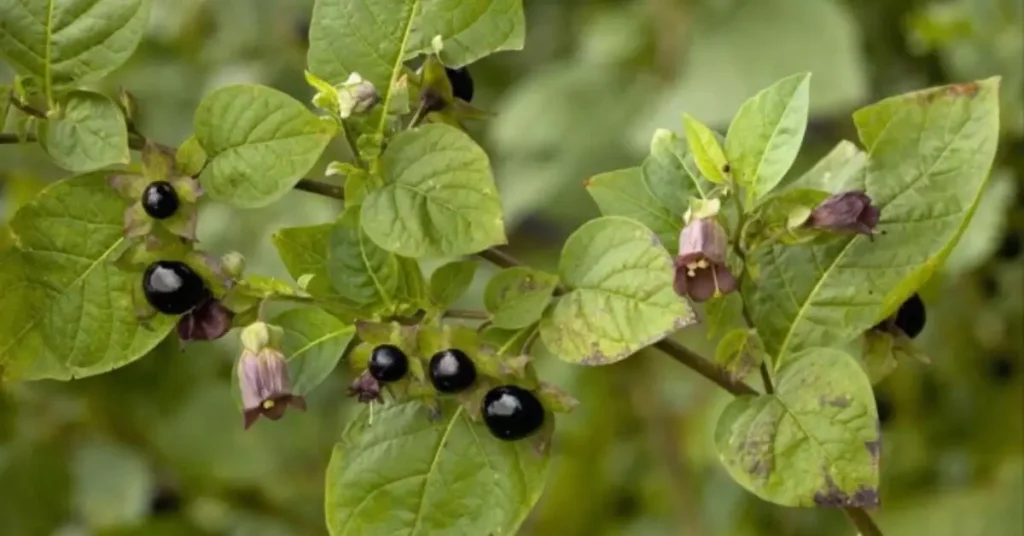
You might’ve seen it in gardens or heard about it in gardening circles — Belladonna, also known as Atropa belladonna, is a striking plant. With its bell-shaped flowers and dark purple berries, it can easily look like a beautiful addition to any garden. But here’s the thing — Belladonna is dangerous.
It’s toxic to both pets and plants, making it something you need to handle with care. For gardeners, pets owners, or even curious nature lovers, understanding how this plant can affect your home is crucial. Whether you’re worried about your furry friends or the health of your garden, knowing how to identify and manage Belladonna could save you a lot of stress down the line.
In this article, we’ll dive into everything you need to know about this toxic beauty, from its risks to pets, how it damages your plants, and what you can do to keep it at bay. Because while Belladonna might be pretty, it’s not something you want hanging around unprotected in your backyard. Let’s take a closer look at why.
Is Belladonna Toxic to Pets and Plants? Here’s What You Should Know
This is where we get into the real risks of Belladonna — its toxicity. If you have pets or a garden, knowing how this plant can harm them is essential.
Belladonna is highly toxic to both pets and plants, so let’s break down exactly how it can cause harm:
Toxicity to Pets
If your pets come in contact with Belladonna or even eat any part of the plant, the effects can be severe. Here’s how it affects them:
- Symptoms in pets include:
- Drooling and excessive salivation
- Vomiting and diarrhea
- Dilated pupils or blurry vision (your pet may look like they’re staring into space)
- Irregular heart rate or even severe cardiac issues
- Lack of coordination and confusion
- Severe cases can lead to coma or death if untreated
As a pet owner, you need to be vigilant. If you notice these symptoms, get your pet to the vet right away. Belladonna poisoning can be life-threatening if not addressed promptly.
How Belladonna Affects Plants
Not only is Belladonna toxic to pets, but it can also harm your garden:
- Competition for nutrients: Belladonna can outcompete surrounding plants for water and soil nutrients, weakening their growth.
- Stunted growth: Other plants may not thrive near Belladonna due to its toxic chemicals and the way it leeches nutrients from the soil.
- Spread of disease: Sometimes, a toxic plant like Belladonna may attract pests or other issues that can spread to nearby plants, causing more damage.
If you’re growing a garden and you spot Belladonna, it’s best to remove it before it takes a toll on your other plants. In fact, plants near Belladonna might suffer and show symptoms like yellowing leaves or slower growth.
You can check out Healthline’s article on Belladonna’s toxicity to pets for further insight.
Identifying Belladonna: A Plant You Should Recognize
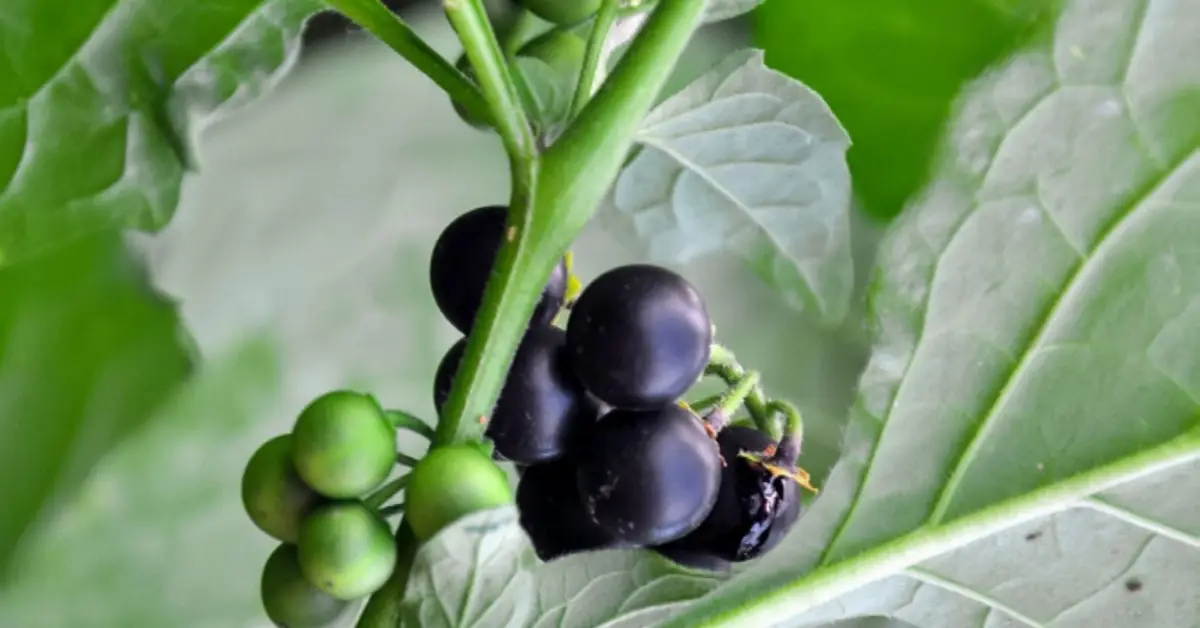
Knowing how to identify Belladonna is critical for both gardeners and pet owners. You don’t want this toxic plant sneaking into your garden without you noticing!
Key Features: What Belladonna Looks Like
Belladonna is easy to misidentify if you’re not familiar with its specific traits. Here’s what to look for:
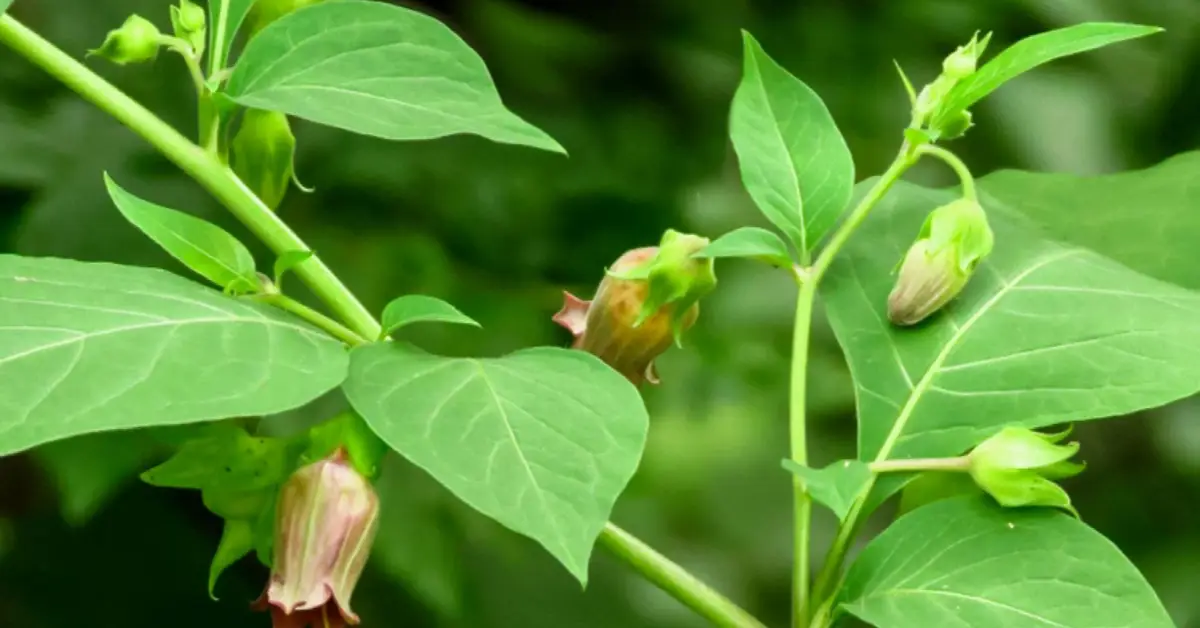
- Flowers: Belladonna has bell-shaped flowers that are typically purple or greenish-yellow, with a unique, almost “tubular” look.
- Berries: The plant produces dark purple berries that look appealing but are extremely toxic. These berries can be tempting for pets or kids, so be cautious.
- Leaves: Its large, broad leaves are a deep green and tend to have a smooth texture with a slightly glossy finish.
- Height and Shape: The plant grows as a shrub, usually reaching about 3 to 4 feet tall with a bushy, dense appearance.
Where to Find Belladonna
Belladonna is often found in disturbed soils and abandoned areas, so you might spot it in places like:
- Roadsides and highways
- Gardens where the soil is rich in nutrients
- Forest clearings or areas near old ruins or buildings
- Urban gardens (if you’re not careful about what you plant)
If you’re unsure, it’s a good idea to visit a local garden center or look up a detailed plant identification guide to double-check what you’re seeing. Belladonna is more common than you might think, and it’s better to be safe than sorry.
Just like Belladonna, there are other plants in your garden that could cause harm to both your plants and health. If you’re concerned about ragweed, a common allergy-causing plant, check out our ragweed identification guide to learn how to spot it and protect your space.
Is Belladonna the Reason You’re Finding Holes in Your Leaves?
If you’ve spotted holes in your plant leaves, you might be wondering what’s causing the damage. Could Belladonna be the culprit? Let’s connect the dots.
How Belladonna Affects Surrounding Plants
Belladonna’s toxic nature doesn’t just affect pets — it can also harm nearby plants in multiple ways:
- Nutrient depletion: Belladonna competes with other plants for essential resources, leaving your plants weak and vulnerable.
- Pest attraction: While Belladonna itself may not directly cause holes in leaves, its presence can attract pests that damage plants nearby.
Belladonna’s toxins can also weaken plants’ defenses, making them more susceptible to pests. When plants are already stressed (due to poor soil conditions or toxic neighbors), they are more likely to get attacked by pests like caterpillars, aphids, or slugs. These critters are responsible for the unsightly holes you may notice on your leaves.
Belladonna can attract pests like caterpillars and slugs, which can cause significant damage to your plants. If you’re struggling with slugs in your garden, check out our guide on how to get rid of slugs in your garden without chemicals, offering safe, natural solutions to keep them at bay.
Common Pests That Might Damage Your Plants
Here are a few pests you should look out for, especially if Belladonna is nearby:
- Aphids: Tiny pests that suck the life out of your plants, often leaving holes in leaves or distorted growth.
- Caterpillars: Known for munching through leaves, they can leave irregular holes that may spread quickly.
- Slugs and Snails: These creatures can leave trails of slime while munching through your garden, often causing small, round holes on plant leaves.
If you’re dealing with pests that cause holes in your plant leaves, it’s essential to differentiate between common garden pests. For example, you might also spot flying termite lookalikes, which can be mistaken for harmful insects. Learn more about how to identify them in our detailed guide on flying termite lookalikes.
While Belladonna may not be the direct cause of holes in your leaves, its toxins and pests that gather around it can definitely contribute to garden damage.
You can read more about pest control and how to protect your plants from damage on The Spruce.
How to Safely Keep Belladonna Away from Your Plants and Pets
Now that we know how dangerous Belladonna can be to both your garden and pets, let’s talk about practical steps to safely remove and prevent it from taking root near your plants or pets.
Simple Gardening Tips: How to Prevent Belladonna from Sprouting in Your Yard
You can take a few simple, effective steps to keep Belladonna from becoming an issue in your garden:
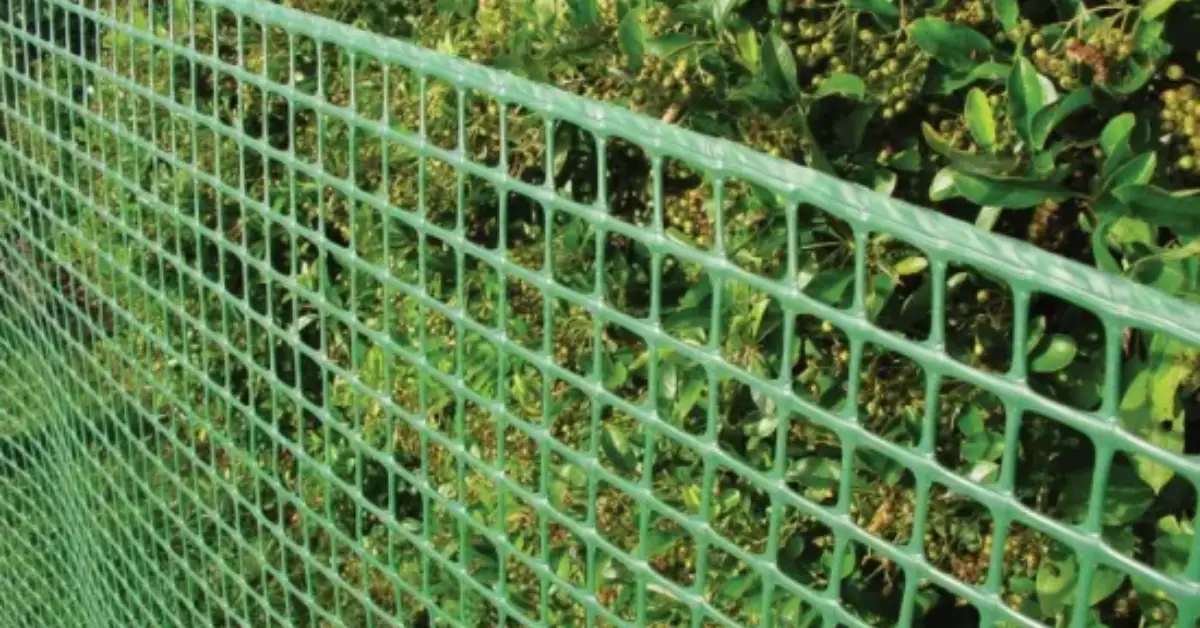
- Create physical barriers: If you have pets, consider setting up fencing or barriers around your garden to prevent them from getting close to toxic plants like Belladonna.
- Proper plant spacing: Ensure your plants have enough space to grow without competing for resources. Belladonna thrives in disturbed soils, so plant hardy, non-toxic plants far from it.
- Regularly monitor your garden: Inspect your garden regularly for new sprouts of Belladonna or other toxic plants. Early removal prevents them from spreading.
Protecting Pets: Keeping Your Furry Friends Safe
As much as Belladonna is dangerous for plants, it’s even more dangerous for pets. Here’s how to protect them:
- Fencing: Build a secure fence around your garden if you have pets that wander outside. This keeps Belladonna and other toxic plants away from them.
- Non-toxic plant selection: Choose pet-safe plants for your garden. If you’re unsure which ones are safe, check with pet-friendly gardening resources.
- Avoid allowing pets to roam unsupervised: If your pet has access to areas where Belladonna grows, monitor them closely to prevent accidental consumption.
Natural Pest Control Tips to Reduce the Chance of Pests
If Belladonna is attracting pests, here’s how to control them naturally:
- Use beneficial insects: Introduce ladybugs or lacewings to your garden. These natural predators will help keep harmful pests in check without the need for toxic chemicals.
- Companion planting: Planting certain herbs like basil, oregano, or garlic can naturally repel pests. These plants are often disliked by aphids and other pests that may damage your garden.
- Neem oil: A natural solution for controlling a variety of garden pests. It’s safe for pets and plants, providing an effective barrier against unwanted critters.
Common Mistakes to Avoid When Dealing with Belladonna
When it comes to handling Belladonna, one wrong move can lead to serious consequences — for your health, your pets, or your garden. Let’s look at some common mistakes people make and how to avoid them.
1. Don’t Compost Belladonna or Any Parts of the Plant
One of the biggest mistakes gardeners make is thinking that composting Belladonna or any of its parts is harmless. It’s not.
- Why this is a mistake: Belladonna is toxic, and even small remnants of the plant can spread its harmful effects to your compost, soil, or other plants.
- The risk: You could unknowingly spread its toxins across your garden, poisoning nearby plants or attracting pests. When those toxins leach into the ground, they affect the health of your entire garden.
What to do instead:
- Dispose of Belladonna properly: If you must remove it, either bag it up for disposal or burn it safely, away from your garden.
- Check compost for contamination: If you’ve unknowingly added Belladonna to your compost, avoid using it in your garden until you’re sure it’s safe.
2. Avoid Handling Without Gloves — Belladonna’s Toxic Properties Transfer Easily
Handling Belladonna without protection is a dangerous mistake.
- Why this is a mistake: The toxins in Belladonna can be absorbed through your skin. If you’re handling it with bare hands, you might unknowingly expose yourself to harmful chemicals.
- The risk: Even small exposure can lead to symptoms like dry mouth, blurred vision, or worse. And pets might be even more at risk if they come into contact with your hands afterward.
What to do instead:
- Wear gloves: Always use thick gardening gloves when handling Belladonna, and wash your hands thoroughly afterward, even if you wear gloves.
- Wear long sleeves and protective clothing: For added safety, protect your arms and legs while removing or dealing with the plant.
3. Remove It Properly and Safely to Avoid Spreading Toxins
Improper removal of Belladonna can spread its toxins throughout your garden, making it even harder to manage in the future.
- Why this is a mistake: If you pull up Belladonna improperly, the roots or parts of the plant can break off, spreading toxic pieces into the soil.
- The risk: If the plant is not fully removed, it could sprout again, or the roots might release toxins into your garden, affecting surrounding plants.
What to do instead:
- Remove Belladonna carefully: Dig it up by the roots, ensuring that all parts of the plant are removed. If you need to pull it out of soil, ensure it’s done slowly and cautiously.
- Consider professional help: If the plant is well-established and you’re unsure how to remove it safely, call a professional gardener or landscaper who knows how to deal with toxic plants properly.
Conclusion: Belladonna is Beautiful but Dangerous—Stay Safe and Smart
We’ve covered the essential information on Belladonna: from its beauty and toxicity to how it can harm both your plants and pets. The key takeaway? Identification and early action are critical. Belladonna might look appealing, but its danger can’t be ignored.
By being cautious and proactive, you can avoid the risks associated with this plant. Whether you’re gardening or managing a pet-friendly space, being aware of Belladonna’s presence is vital for safety. Take steps to remove it safely, keep it away from your pets, and protect your garden from its toxic effects.
Have you encountered Belladonna or any other toxic plants in your garden? We’d love to hear your experiences! Drop a comment below to share your stories, or let us know your top pet-safety gardening tips.
If you’re looking for more gardening advice or want to learn about other plants that might be harmful to your pets or garden, be sure to visit Plant Care Dairy for expert tips, plant care guides, and more! Stay safe and smart in your gardening journey.
Disclaimer: The information provided in this article is for educational purposes only. Always consult a professional for advice on dealing with toxic plants or health concerns related to pets. If you suspect your pet has been exposed to Belladonna or any toxic plant, seek immediate veterinary attention.