

If you’ve ever walked through your garden and noticed tiny holes popping up in your plant leaves, you’re not alone. It’s a common frustration for gardeners, whether you’re a seasoned pro or just starting out. The good news? Most of the time, it’s not a lost cause. Understanding what’s causing these holes can help you stop them in their tracks — naturally.
In this article, we’ll dive into the common reasons why your plants’ leaves might be getting holes, from pests to environmental stress. We’ll also explore practical, natural solutions to fix the problem, so you can keep your garden thriving without relying on harsh chemicals.
Before you start reaching for the bug spray or tossing out those plants, let’s first figure out what’s really going on. Trust me, getting to the root of the issue will save you time, money, and frustration.
Common Causes of Holes in Plant Leaves
When you spot holes in your plant leaves, it can be hard to figure out what’s causing the damage. Is it a pesky pest? A hidden disease? Or maybe the plant’s environment isn’t quite right? Understanding the common culprits behind leaf damage will help you take action quickly and get your plants back to their healthy selves. Let’s break it down.
Insects: The Usual Suspects
Insects are often the main offenders when it comes to holes in plant leaves. These little creatures feast on the foliage, leaving unsightly damage behind. Some common insect pests you might find in your garden include:
- Aphids: These tiny insects suck the sap from plant leaves, causing them to curl and distort, sometimes leaving holes.
- Caterpillars: If you see large, irregular holes, caterpillars could be the cause. They tend to munch on leaves in a more obvious way, creating bigger damage.
- Slugs and Snails: These garden pests leave behind smooth-edged holes and silvery trails of slime, especially on tender young leaves.
To prevent slugs from damaging your plants, be sure to check out our guide on How to Get Rid of Slugs in Your Garden Without Chemicals.
The good news is that many of these pests can be managed naturally. Neem oil, for instance, is an excellent eco-friendly option for keeping insects in check. You can find more about using neem oil on trusted gardening sites like The Spruce.
Disease: Fungal and Bacterial Issues
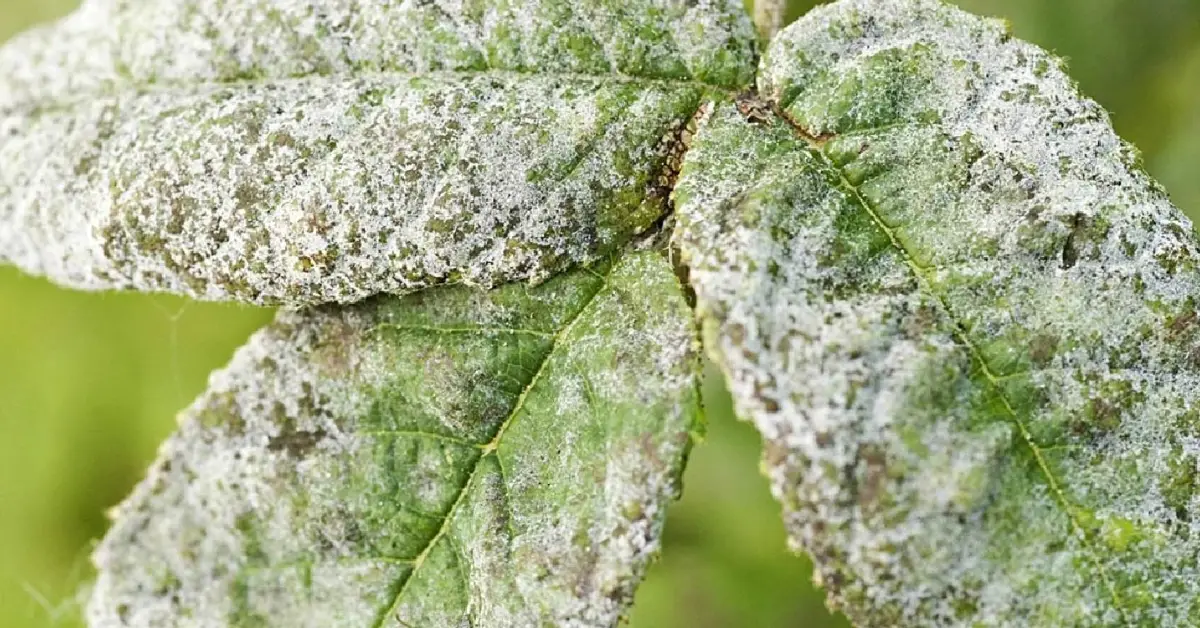
Sometimes, holes in leaves aren’t caused by pests at all. Fungal or bacterial infections can attack plants and weaken their leaves, leading to holes and other forms of damage. A few diseases to look out for include:
- Powdery Mildew: This fungal disease shows up as a white, powdery coating on leaves and can cause holes as it spreads.
- Bacterial Leaf Spot: This condition causes dark, water-soaked spots on the leaves, which eventually tear or develop holes.
If you suspect a disease, it’s crucial to remove any infected leaves to prevent the spread. You might also want to try a fungicide or bactericide that is safe for your specific plant species.
Environmental Stress: The Hidden Enemy
Plants can also suffer from physical damage or stress that causes holes in their leaves. Common environmental causes include:
- Overwatering: While it might seem like a lot of water would be good, too much can stress your plant and make its leaves more susceptible to damage. The leaves might get soft and develop holes as they weaken.
- Under-watering: On the flip side, too little water can cause plants to dry out, making them fragile and more likely to tear.
- Physical Damage: Sometimes, it’s just as simple as a gust of wind or an accidental brush against the plant that causes the leaves to tear.
To prevent this, make sure your plants are in a location that fits their water needs. Regularly inspect them to ensure they’re not drying out or sitting in stagnant water.
Nutrient Deficiency: The Silent Culprit
A lack of essential nutrients can also cause holes in plant leaves. When your plant isn’t getting the right balance of nutrients, its leaves become weak and more prone to damage. Common nutrient deficiencies that might cause leaf holes include:
- Nitrogen Deficiency: Leaves may become yellow and develop holes as the plant struggles to produce new, healthy growth.
- Potassium Deficiency: If your plant is lacking potassium, you might notice holes forming in the older leaves first.
If you notice signs of nutrient deficiency, it’s time to feed your plants with a balanced, high-quality fertilizer. Organic options, such as compost or well-rotted manure, can work wonders.
How to Identify the Culprit: Symptoms to Watch For
When you notice holes in your plant leaves, knowing how to identify the culprit can save you a lot of time. Different problems leave behind distinct signs, so it’s important to pay attention to the details.
Insect Damage
Insect damage often leaves behind small, round holes or irregular rips in your plant leaves. If you find holes that are uniform in size, or if you spot insect pests crawling or flying around your plants, pests like aphids, caterpillars, or slugs are likely at work. Here are some common signs:
- Tiny, perfectly round holes: Typically caused by aphids.
- Large, jagged holes: Likely from caterpillars or beetles feeding on the leaves.
- Slime trails: If you see trails along your plant leaves, slugs or snails are probably the culprits.
Signs of Disease
Fungal or bacterial infections can create holes in plant leaves in different ways. These infections usually have a characteristic pattern:
- Dark, water-soaked spots: These could be a sign of bacterial leaf spot, and as the infection spreads, holes might form in the affected areas.
- White or powdery patches: Powdery mildew can cause a whitish coating on leaves, leading to eventual holes as the infection weakens the plant.
- Uneven holes with brown or black edges: These could indicate a fungal infection like leaf blight.
Recognizing these symptoms will help you pinpoint whether you’re dealing with pests, disease, or both, and allow you to take the right action.
Natural Ways to Fix Holes in Your Plant Leaves
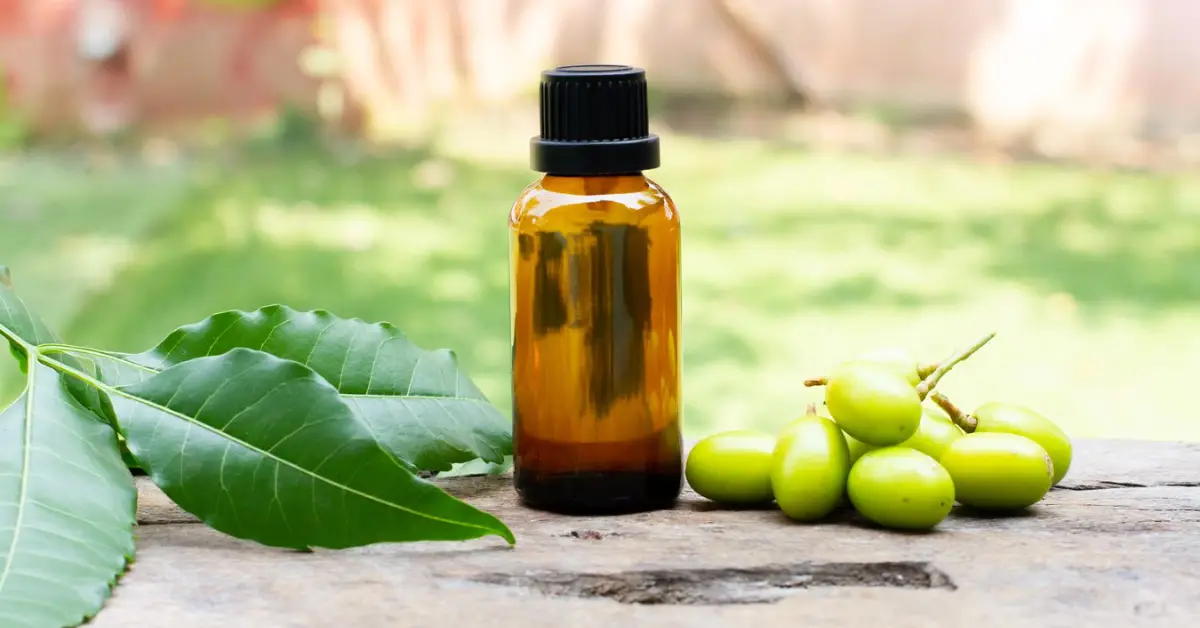
Now that you’ve identified the problem, it’s time to take action. Luckily, there are several natural solutions that can help fix the damage without harming your plants. Let’s explore some of the most effective methods.
Neem Oil: A Natural Pest Control
Neem oil is a powerful, eco-friendly solution for getting rid of pests that damage plant leaves. It works by disrupting the pests’ hormonal systems, preventing them from feeding and reproducing. Plus, it’s safe for your plants, animals, and the environment. You can use it to eliminate common pests like aphids, mealybugs, and spider mites. A few spritzes of neem oil, and the pests will be gone!
For detailed instructions on how to use neem oil effectively, you can check out resources like Garden Design.
Companion Planting: A Natural Pest Deterrent
Companion planting involves growing specific plants next to each other that naturally repel pests. For example:
- Marigolds: These flowers deter aphids, nematodes, and even whiteflies.
- Basil: Plant basil near tomatoes to keep aphids and other pests away.
- Garlic and onions: Known to repel pests like aphids and caterpillars.
Using companion plants not only keeps pests at bay but also promotes healthy plant growth and biodiversity in your garden.
Diatomaceous Earth: Nature’s Pesticide
Diatomaceous earth is a natural pesticide made from the fossilized remains of tiny aquatic organisms. When sprinkled around your plants, it cuts through the exoskeletons of insects like slugs, snails, and beetles, causing them to dehydrate and die. It’s completely non-toxic to humans and pets, making it an excellent choice for organic gardening.
For more natural ways to keep your garden pest-free, consider learning about how to use coffee grounds to keep pests at bay. Check out this article: Do Coffee Grounds Help Plants Grow? The Real Science Behind It.
Organic Fertilizers: Strengthen Your Plants
Nutrient deficiencies can also make your plants vulnerable to pest attacks, leading to more holes in their leaves. Using organic fertilizers can help your plants stay strong and healthy. Fertilizers rich in nitrogen, potassium, and phosphorus help improve leaf growth and overall plant resilience. Compost and well-rotted manure are also great natural options to boost soil health.
Natural solutions are at the heart of this section, which directly addresses what readers want: safe, eco-friendly remedies for fixing leaf damage. These methods are gentle on your plants and the environment, providing sustainable ways to protect and nurture your garden.
Preventing Holes in the Future
No one likes dealing with holes in their plant leaves, but the good news is that you can prevent this issue from happening again. It all comes down to being proactive and setting your plants up for success. Here are some key steps you can take:
Routine Inspections
One of the easiest ways to prevent holes in your plant leaves is to check your plants regularly for pests or signs of disease. Early detection is key! A quick once-over every few days helps catch any potential issues before they turn into a bigger problem. Make sure to inspect the undersides of leaves, as pests like aphids tend to hide there.
Proper Watering
Watering is essential for plant health, but the amount and frequency matter. Overwatering can lead to root rot and create a perfect environment for pests like fungus gnats. On the other hand, under-watering stresses your plants and weakens their leaves, making them more vulnerable to damage. Be sure to follow the specific watering needs of each plant type to avoid creating conditions that invite pests.
Using Mulch
Mulching is a simple but effective way to protect your plants from future damage. Mulch helps retain moisture, keeps the soil temperature consistent, and prevents weed growth. More importantly, it can act as a barrier to pests and insects. Organic mulches like wood chips or straw also break down over time, enriching the soil and supporting healthy plant growth.
Other Common Plant Issues: What You Might Be Overlooking
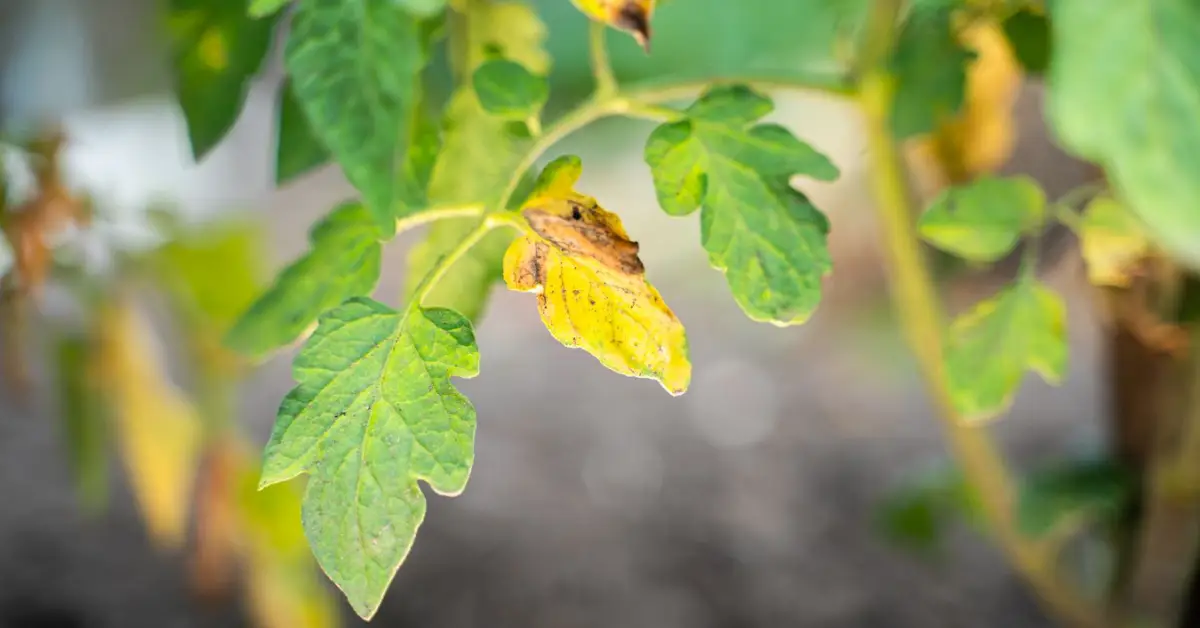
While holes in plant leaves are a major concern, there are other signs you should watch out for to keep your plants in tip-top shape. Let’s look at two common problems that could be lurking in your garden, often unnoticed.
Discoloration and Yellowing of Leaves
Yellowing leaves can indicate several issues: overwatering, pest damage, or even a nutrient imbalance. If your plants’ leaves are turning yellow, it could mean that the plant isn’t getting the nutrients it needs. For example, a nitrogen deficiency can cause yellowing leaves, especially in the older growth. Similarly, pests that suck sap from the leaves can also cause discoloration.
If you notice small black bugs on your houseplants, it’s important to identify them early to prevent further damage. You can read more on how to get rid of these pests naturally in our guide: How to Identify and Eliminate Tiny Black Bugs on Houseplants Naturally.
Wilting Leaves
Wilting is another sign that something might be wrong. It can be caused by improper watering (either too much or too little) or even by the plant becoming root-bound. Root-bound plants have outgrown their containers and have nowhere for their roots to spread. This limits water and nutrient absorption, leading to wilting leaves.
If you suspect your plant might be root-bound, consider repotting it in a larger container to give the roots room to grow.
For more insights on plant health and how to care for your plants properly, check out Pennington.
When to Seek Professional Help
While natural remedies are effective for most plant issues, there comes a point when a pest or disease problem is too advanced for home treatments to handle. If you notice that despite your best efforts, your plant continues to show signs of distress—such as widespread leaf damage, severe wilting, or the continued presence of pests—it may be time to seek professional help.
Here are some signs that it’s time to call in an expert:
- Widespread infestation: If pests have spread across many plants in your garden and natural methods aren’t working, a professional pest control service can assess the situation and provide stronger, targeted treatments.
- Severe disease damage: If you notice persistent, spreading disease symptoms like fungal growth or severe leaf spots that aren’t responding to organic treatments, consulting with a plant health expert may be necessary.
- Plant death: If the plant is beyond saving and continuing to decline despite care, a professional can advise on removal to prevent disease spread to other plants.
Remember, it’s important to act quickly to avoid further damage. Don’t wait too long to seek help—especially if you’re dealing with a serious pest infestation or a rapidly spreading disease.
Conclusion
In this article, we’ve covered the main causes of holes in plant leaves, from pesky insects and diseases to environmental stress and nutrient deficiencies. By identifying the cause and using natural solutions like neem oil, companion planting, and proper watering, you can restore your plants to health. Additionally, taking proactive steps to prevent future damage, such as regular inspections and using mulch, will keep your plants thriving long-term.
Maintaining a healthy, pest-free environment is crucial for your garden’s success. With the right knowledge and tools, you can overcome challenges and ensure your plants grow strong and vibrant.
We’d love to hear your experiences with plant care! Have you ever dealt with holes in your plant leaves? Share your stories and tips in the comments below. And for more plant care advice and solutions, be sure to visit Plant Care Dairy—your go-to resource for all things gardening!
Disclaimer: The information provided in this article is for educational purposes only. While every effort has been made to ensure the accuracy of the content, it is not intended as a substitute for professional gardening advice. Always consult an expert for serious plant health issues.