

I still remember the first time I saw a real cottage garden. It wasn’t perfect — flowers spilled onto the path, herbs brushed against my knees, and bees hummed like they owned the place. But it felt alive, not staged. That’s when I realised: this kind of beauty doesn’t come from strict design or symmetry. It comes from layers of plants growing together, evolving naturally over time — a garden that feels like home, not a showroom.
If you’ve ever wanted a space that looks charming without looking “planned,” this guide is for you. A cottage garden isn’t about precision or expensive landscaping. It’s about personality — a mix of colour, scent, and texture that reflects you. Whether you have a small patch behind your house or just a corner balcony, you can build that sense of wild harmony with the right approach.
In this guide, I’ll walk you through the exact steps to create a cottage garden from scratch — choosing the right plants, preparing the soil, designing the layout, and maintaining that effortless look everyone admires. You’ll learn how to make it thrive without overcomplicating it or spending a fortune.
Before we dig in — tell me honestly, what kind of garden speaks to you more right now: something polished and modern, or a little messy but full of life?
Understand Your Space & Vision
Before you buy your first plant or dig your first bed, pause and really get to know your space. Every great garden starts with observation — not the shovel.
I learned this the hard way when I planted my first cottage garden right under a giant mango tree. The shade was beautiful, but the flowers never stood a chance. Once I understood how the light moved across the yard, things finally started to grow. So before you begin, spend a day or two watching how sunlight shifts through morning and afternoon. Notice which corners stay damp, where the wind blows hardest, and which spots feel warm even at sunset — that’s your microclimate.
Assess Site Conditions
Here’s what you should check before planning anything:
- Sunlight: Track how many hours of full sun your space gets. Cottage favourites like roses and lavender need at least 6 hours.
- Soil: Grab a handful of soil and feel it. Is it sandy, sticky, or crumbly? Mix in compost if it clumps or drains too quickly.
- Water access: Think about how you’ll water — a hose, drip system, or manual watering can. Consistent access matters more than fancy tools.
- Wind and drainage: If you’re in a breezy or sloped area, add windbreaks or raised beds to protect delicate blooms.
Decide Your Garden’s Purpose & Style
Once you’ve mapped these details, decide what you want your garden to be about. Do you dream of a flower-heavy space that hums with bees? Or maybe you want a productive mix — herbs, edible flowers, and a few vegetables tucked between the blooms. When you’re clear on that vision, every plant and pathway will feel intentional.
Sketch Your Layout & Focal Points
Now comes the fun part — sketching your layout. Don’t worry if you’re not an artist. Grab a pencil and draw two or three versions of how your garden might flow. Use winding paths instead of straight ones — they instantly create that romantic, old-world charm. You can find great visual examples on Homesteading Family’s cottage garden design.
Think of your layout as a story. Where do you want your eye — or your feet — to wander first? Maybe a narrow path that opens into a lush corner with a bench, a trellis covered in sweet peas, or a small birdbath catching sunlight. These focal points don’t just add beauty; they give structure to the wildness, making your garden feel natural but still thoughtfully arranged.
When you understand your space and purpose, every seed and stone has meaning. So take your time — your garden will thank you for it later.
Foundation: Soil, Structure & Hardscape
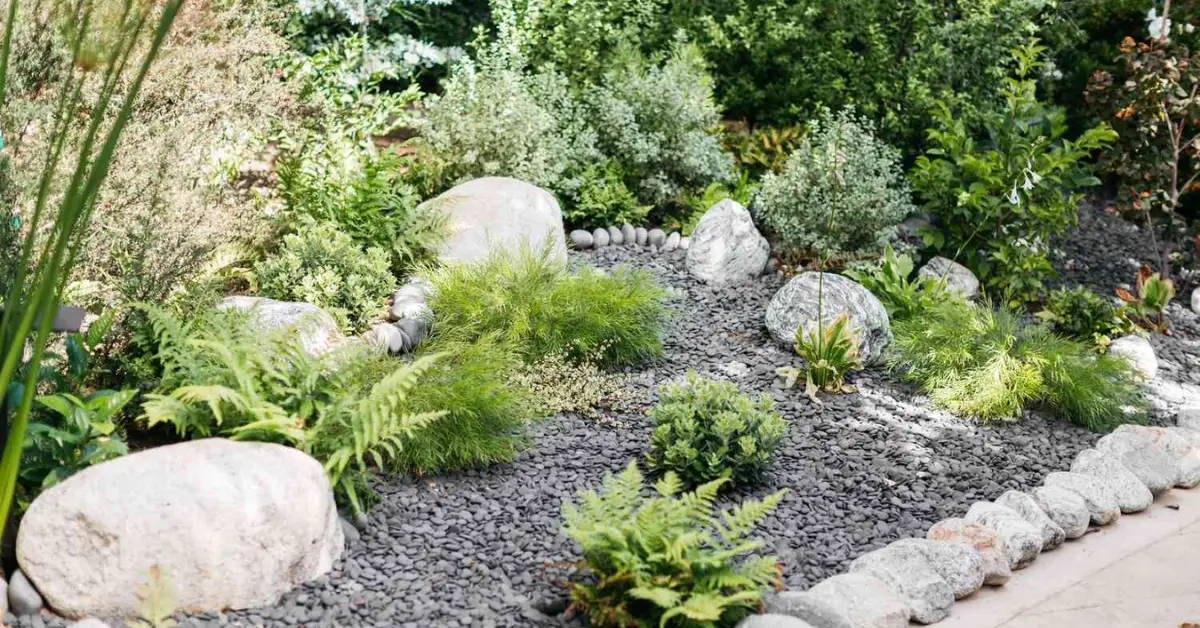
Every thriving cottage garden begins underground — with the soil. You can pick the prettiest plants and arrange them perfectly, but if your soil isn’t right, they’ll never last. Think of it as building a house: you wouldn’t start with the roof, right?
Soil Preparation & Amendment
Before you plant anything, get to know your soil’s personality. Scoop up a handful — does it crumble easily or form a sticky lump? That texture tells you everything.
- Sandy soil drains fast but loses nutrients. Mix in compost or leaf mould to help it hold moisture.
- Clay soil stays heavy and wet. Add coarse sand and organic matter to improve drainage.
- Loamy soil is the sweet spot — dark, crumbly, and full of life. Keep feeding it with compost each season.
If you can, do a pH test (a simple home kit works). Most cottage plants thrive around neutral to slightly acidic levels. And never skip compost — it’s the quiet hero that fuels your plants naturally.
Define Structure & Flow
A good cottage garden has freedom — but not chaos. You need just enough structure to hold that wild beauty together.
- Beds and borders: Use curved lines instead of sharp edges for a softer, natural look.
- Edging: Brick, stone, or even low-growing herbs can frame your borders while keeping grass out.
- Paths: Gravel or stepping stones guide your eye and help with drainage.
- Vertical supports: Add trellises, arches, or obelisks for climbers like clematis and sweet peas.
Think of these as the bones of your garden. They guide how everything else grows and keep the space from feeling messy.
Hardscape & Materials
Now let’s talk about what ties it all together — your hardscape. These are the permanent elements that give your garden shape even when the flowers fade. Choose materials that feel honest to your space:
- Natural stone for paths or walls
- Reclaimed wood for fences or planters
- Rustic iron for gates or trellises
Where possible, use local or repurposed materials — they blend better with the landscape and tell a story. Think vintage pots, old fence pickets, or brick fragments reused as edging. Not only does it save money, but it also gives your garden that timeless, lived-in charm every cottage garden needs.
Plant Selection & Composition
This is where your garden starts to come alive — when the planning turns into colour, texture, and fragrance. But before you start shopping, remember: a cottage garden isn’t just a random mix of flowers. It’s an organised kind of chaos — built with rhythm, repetition, and layers.
Planting Principles & Layout Rules
When you’re arranging plants, layering is everything. Taller plants at the back, medium height in the middle, and low growers or groundcovers near the edge. This creates depth and makes even a small space feel abundant. See visual examples on Cottage on Bunker Hill.
Use repetition — plant in groups of three, five, or seven — so your garden looks natural, not scattered. And don’t be afraid to mix ornamentals with herbs or edibles. Marigolds beside mint, thyme under roses — these combinations not only look good but also support pollinators and natural pest control.
Recommended Plants
Here are some classics that never fail in a cottage-style garden:
- Perennials: Lavender, foxglove, delphinium, peony
- Annuals: Cosmos, zinnia, nasturtium
- Climbers: Clematis, sweet pea, morning glory
- Groundcovers: Alyssum, creeping thyme, violets
If you have shaded areas, add hostas, ferns, or hellebores — they bring calm greenery where sun-lovers won’t survive. For sunny spots, lean into bold bloomers like roses, phlox, or coreopsis.
Also, pick a few self-seeding plants like poppies or calendula. They’ll come back year after year with minimal effort — a small secret most low-maintenance gardeners swear by.
To keep your garden lively year-round, plan your blooms in waves:
- Spring: Foxgloves, wallflowers, sweet peas
- Summer: Roses, cosmos, delphiniums, daisies
- Autumn: Salvias, asters, marigolds
- Winter interest: Evergreen herbs, seed heads, grasses
This rhythm keeps your garden from having dull months — something many guides overlook. If you’re planning your garden seasonally, check out what grows best in October for beginner-friendly plants that thrive with minimal effort.
When your planting blends height, colour, and texture across the seasons, your cottage garden becomes more than just a pretty space — it becomes a living, breathing story that changes with every month.
Planting & Layout Execution

Now that you’ve chosen your plants and planned your layout, it’s time to get your hands in the soil. This stage can feel intimidating — too close, too deep, too soon — but once you understand the rhythm, it becomes second nature. Think of it as arranging a symphony, where every plant has its place and purpose.
Spacing & Planting Depths
The most common mistake beginners make is planting too close together. It looks great at first — full and lush — but a few weeks later, plants start fighting for light and nutrients. Always check the plant’s mature size before digging your holes.
- Small annuals: Keep about 8–10 inches apart.
- Medium perennials: Leave 12–18 inches between each plant.
- Shrubs or tall climbers: Give at least 2–3 feet of space for air circulation.
When planting, make sure the root ball sits level with the soil surface. Too deep can suffocate roots; too shallow dries them out. Press the soil gently but firmly — like tucking them in, not burying them alive.
Group Plants by Water & Light Needs
Your garden will thank you later if you zone by needs. Group plants that share similar sunlight and watering preferences. This not only saves time but also keeps them healthier.
- Place sun-lovers (roses, lavender, cosmos) together.
- Keep shade-lovers (ferns, hostas) in cooler corners.
- Pair thirsty plants near your water source or downslopes, and keep drought-tolerant ones on higher ground.
This approach makes watering effortless and ensures every plant thrives where it’s happiest.
Drift Planting & Naturalization
A real cottage garden doesn’t look like it was measured with a ruler. Let plants mingle a little. Use drift planting — clusters of three or five of the same variety, planted loosely together. Over time, they’ll blend and self-seed naturally, giving that effortless, cozy look every gardener secretly loves.
Don’t rush to pull out “volunteer” plants (those that pop up on their own). Some of them — like poppies or forget-me-nots — are nature’s way of filling empty spots beautifully.
Step-by-Step Planting Workflow
If you’re not sure where to start, follow this simple order:
- Start with structure: Plant trees, shrubs, or climbers first — they take longest to establish.
- Add perennials: These form your permanent layers of colour and texture.
- Fill with annuals: For instant brightness and seasonal flexibility.
- Tuck in herbs or low growers: Let them spill along edges or paths.
- Water deeply after planting: Set roots in place and remove air pockets.
Each step builds upon the last, so your garden matures in harmony rather than in chaos. You can even extend your cottage garden into the cooler months — here’s a simple guide on how to plant peas and beans in fall to keep your beds productive year-round.
Watering, Maintenance & Low-Effort Care
This is where your cottage garden truly becomes sustainable. The trick isn’t working harder — it’s working smarter. With the right habits, you’ll spend more time enjoying your garden and less time fixing it.
Mulch & Ground Cover
Mulching is your first line of defence against weeds and water loss. Spread a 2–3 inch layer of compost, straw, or shredded bark around your plants — but keep it an inch away from stems to prevent rot. Ground covers like creeping thyme or sweet alyssum can also form living mulch, keeping the soil cool and tidy.
Smart Watering
Forget daily sprinkling — deep, infrequent watering builds stronger roots. Use drip irrigation or soaker hoses for efficiency. These methods deliver moisture directly to the roots without wasting water through evaporation.
If you prefer manual watering, do it early in the morning so leaves dry quickly and stay disease-free. According to Better Homes & Gardens, early watering not only prevents mildew but also keeps your soil’s temperature balanced through the day.
Deadheading, Pruning & Dividing
Regular deadheading (snipping off spent blooms) keeps flowers coming longer. Prune shrubs and climbers to shape them and encourage new growth. Every few years, divide perennials like daylilies or irises to keep them from overcrowding.
Think of maintenance as gentle editing — removing what’s tired so new life can shine.
Seasonal Maintenance Checklist
Each season asks for a little attention:
- Spring: Refresh mulch, prune dead wood, and feed with compost.
- Summer: Water deeply, deadhead weekly, and tie up tall stems.
- Autumn: Collect seeds, cut back annuals, and plant bulbs.
- Winter: Protect roots with mulch, clean tools, and plan for next year.
Your garden doesn’t need constant perfection. It needs consistency — small, thoughtful habits that let it evolve naturally. Over time, you’ll find your own rhythm — and that’s when your cottage garden truly feels alive.
Common Mistakes & How to Avoid Them (Pitfalls)

Every gardener makes mistakes — I’ve made plenty. But the beauty of a cottage garden is that it forgives you more easily than most. Still, a few missteps can turn your dream garden into a struggle. Here’s how to avoid the ones that trip up beginners the most.
Overcrowding and Planting Too Close
We’ve all done it — packed plants too tightly because we wanted instant fullness. But when they grow, they start competing for air, light, and space. The result? Weak stems, fungal problems, and a garden that suffocates itself.
Give every plant room to breathe. When in doubt, space them wider than you think. It might look sparse at first, but by mid-season, everything will knit together beautifully.
Ignoring Site Limitations
Even the most enthusiastic gardener can’t outsmart nature. If your yard is shaded most of the day, no amount of fertilizer will make lavender bloom there. Observe your garden’s conditions honestly — how much sunlight it really gets, whether the soil stays soggy, and how strong the wind can get.
Instead of fighting those limits, work with them. Choose plants that like those conditions — shade-loving ferns, wind-tolerant grasses, or moisture-friendly irises. You’ll save money and heartache.
The Wrong Plant in the Wrong Place
This is the classic beginner trap. Just because a plant looked great at the nursery doesn’t mean it’ll love your garden. Always check the plant tag or do a quick search before buying — how much sun does it need? How tall does it grow? Does it spread?
Matching plant to place is the golden rule. When you respect that balance, your garden looks effortless, not forced.
Buying Too Many Plants on Impulse
You see a tray of flowers on sale, and suddenly your trolley’s overflowing. Sound familiar? It happens to everyone. But overcrowding your garden with random purchases makes it harder to maintain and breaks your design rhythm.
Neglecting Maintenance After Planting
The first few weeks after planting are crucial. A garden that looks perfect in May can lose its charm by July if you stop checking on it. Deadheading, pruning, and watering aren’t chores — they’re like quiet conversations with your plants. They tell you what’s working and what’s not.
Even 10 minutes of care every few days makes all the difference.
Not Planning for Bloom Continuity
Many gardeners focus on spring and summer, then wonder why their garden feels empty in late autumn. Plan your plants so something’s always in bloom. Pair early risers like tulips and wallflowers with late performers like asters and salvias.
That seasonal flow keeps your garden visually alive year-round.
Relying Too Much on Exotic Plants
It’s tempting to chase unusual or rare species, but they often demand special care — and don’t always survive local weather. Native and well-adapted plants usually perform better, attract pollinators, and need less fuss.
Remember, cottage gardening is about abundance and resilience, not perfection. A thriving local rose or marigold is worth ten struggling tropical imports.
Every mistake in a garden is just a lesson waiting to bloom. So don’t worry about getting it perfect — aim to understand it better each season. Over time, your garden will teach you more than any guide ever could.
Additional Tips, Trends & Variations
No two cottage gardens ever look the same — and that’s exactly the charm. Once you’ve got the basics in place, you can start adding your personal touch, exploring creative twists, and making it feel truly yours. Here are a few ideas to help you shape your own version of this timeless garden style.
Budget-Friendly Cottage Garden Ideas
You don’t need deep pockets to grow something beautiful. Most of the world’s prettiest gardens are built with time, patience, and creativity — not money.
Try these budget-smart ideas to get started:
- Grow from seeds instead of buying mature plants. It takes longer but costs a fraction.
- Divide and share — swap plant cuttings with neighbours or gardening groups.
- Repurpose containers — old tins, broken buckets, or wooden crates make great planters.
- Compost at home instead of buying fertilizers.
Cottage Gardens for Small or Urban Spaces
No yard? No problem. The soul of a cottage garden can fit even into a balcony, terrace, or tiny backyard.
- Use layered pots and vertical stands to recreate that dense, overflowing look.
- Mix herbs like basil or thyme with flowering plants like petunias or geraniums.
- Add a mini trellis or hanging basket to create height and texture.
Even a few pots grouped together can give that wild, romantic charm — it’s all about density and contrast, not size. If you’re short on space, try growing herbs and edibles in containers — even green onions grow easily in small spaces.
Embrace Native Plants & Pollinators
The easiest way to make your garden thrive year after year is to plant what naturally belongs there. Native species adapt better to local soil and weather, need less watering, and attract pollinators like bees and butterflies.
Include plants like coneflowers, coreopsis, or milkweed, and you’ll not only reduce maintenance but also help your local ecosystem flourish.
Cottagecore & Styling Trends
The cottagecore aesthetic has brought this old-fashioned style back into the spotlight — all about soft colours, rustic charm, and that “lived-in” beauty.
- Choose pastel blooms like pink roses, cream hollyhocks, and pale lavender.
- Add vintage décor — old watering cans, wooden benches, or lanterns.
- Mix textures — rough wood, smooth stone, trailing vines — to make it feel warm and human.
Cottage gardens aren’t just about plants; they’re about emotion — a space that feels calm, nostalgic, and deeply personal.
Implementation Plan & Timeline
Creating your cottage garden isn’t a weekend job — it’s a growing story. Think of it as a year-long journey that unfolds in gentle phases.
Year-One Roadmap
Phase 1 – Planning & Preparation (Months 1–2): Test your soil, sketch your layout, and collect compost or materials. Order seeds early to save money.
Phase 2 – Planting & Establishing (Months 3–6): Start with structural plants and hardy perennials, then fill with annuals once the roots settle. Install paths or trellises before planting gets dense.
Phase 3 – Growth & Maintenance (Months 7–9): Focus on consistent watering, mulching, and early deadheading. Adjust plant spacing if overcrowded.
Phase 4 – Reflection & Expansion (Months 10–12): By autumn, note what worked — colour balance, bloom timing, and plant survival. Replant or divide where needed, and prepare for the next spring’s bloom.
Milestones to Watch
- Early Wins: First seedlings and healthy foliage.
- Mid-Season Peak: Continuous bloom waves and balanced growth.
- End-of-Year: Fuller soil life, maturing perennials, and visible garden “flow.”
Adapting & Learning
Don’t panic if some plants fail — even experienced gardeners lose a few each season. Replant, adjust spacing, or swap in tougher local species. Your garden is a living canvas — it evolves with you.
Every garden has its own rhythm, and yours will too. Be patient, enjoy the process, and let your hands learn the soil’s language.
What about you — are you planning your first cottage garden or expanding an old one? Share your journey in the comments below!
For more practical gardening tips and plant care guides, visit Plant Care Dairy — your go-to space for growing greener, happier gardens every season.
Disclaimer: All gardening advice shared here is for general educational purposes. Always consider your local climate, soil conditions, and plant hardiness zones before applying these tips. Some plants mentioned may not suit every region or may require specific care adjustments. Always verify with local garden centres or horticulture experts for best results.