
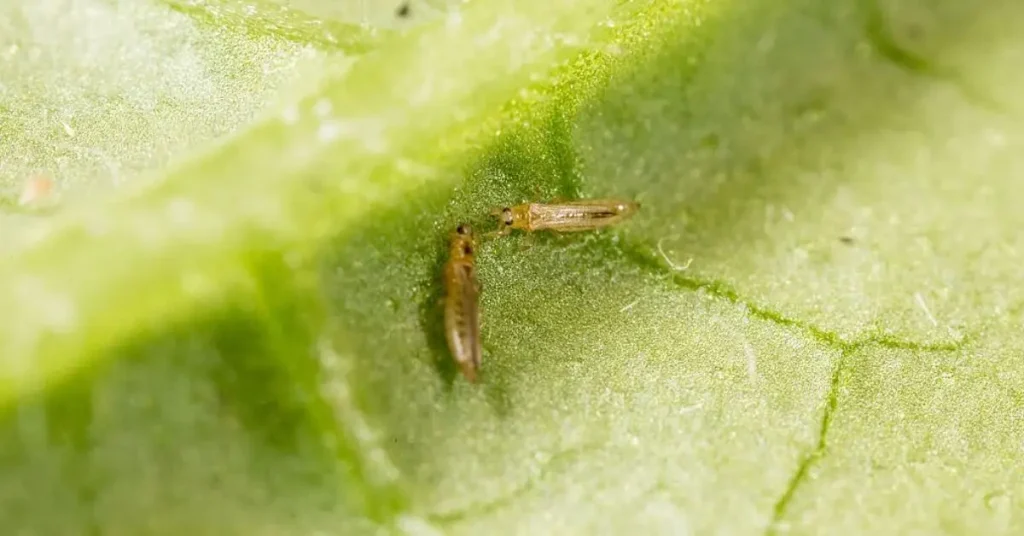
If you’ve ever dealt with garden pests, you know how frustrating it can be. Whether it’s grubs munching away at your roots or beetles devouring your plants, traditional pest control methods often come with their own set of problems — chemicals that harm the environment and can even damage your plants. But what if there’s a solution that’s not only natural but incredibly effective?
Enter beneficial nematodes. These microscopic wonders are an eco-friendly, powerful tool that can protect your garden without the toxic side effects of chemical pesticides. Trust me, once you understand how these little creatures work, you’ll wonder why you didn’t discover them sooner.
In this article, I’ll walk you through everything you need to know about using beneficial nematodes for pest control. From understanding what they are, to how to use them in your garden, I’ll share why they should be a go-to solution for every gardener looking for a sustainable way to protect their plants. Ready to make your garden healthier and pest-free the natural way? Let’s dive in!
What pests are you struggling with in your garden? Share your thoughts in the comments below!
Why Choose Nematodes Over Chemical Pest Control?
When it comes to protecting your garden, you’ve probably used chemical pesticides at some point. While they do the job of eliminating pests, they often come with a host of negative side effects — not just for the environment, but for your plants, pets, and even yourself. Here’s where beneficial nematodes come in. Let me break down why these tiny creatures are an eco-friendly alternative you should consider:
- Eco-friendly Solution: Chemical pesticides can leach into the soil, contaminate water sources, and affect surrounding wildlife. On the other hand, beneficial nematodes are a natural, non-toxic solution. They work by targeting specific pests without causing harm to your garden’s ecosystem. By using nematodes, you’re not only protecting your plants, but you’re also helping preserve the environment for future generations.
- Non-Toxic & Safe for Pets/Plants: One of the biggest advantages of using nematodes is their safety. Unlike harsh chemicals that can be harmful to your pets or children, nematodes are completely non-toxic to humans, animals, and plants. They are safe to use around the house, so you can protect your garden without worrying about the health risks typically associated with chemical treatments.
- Target Specific Pests: Nematodes are highly specific in the pests they target. While chemical pesticides often kill a broad range of insects — both beneficial and harmful — nematodes focus only on pests that are causing harm to your plants, such as grubs, root weevils, and other soil-dwelling bugs. This means they won’t harm the beneficial insects in your garden, like bees or ladybugs, which are essential for maintaining a healthy garden ecosystem.
For more insights on the environmental advantages of using beneficial nematodes, The Spruce offers a great article discussing how these creatures help gardeners avoid harmful chemicals.
How to Use Beneficial Nematodes in Your Garden
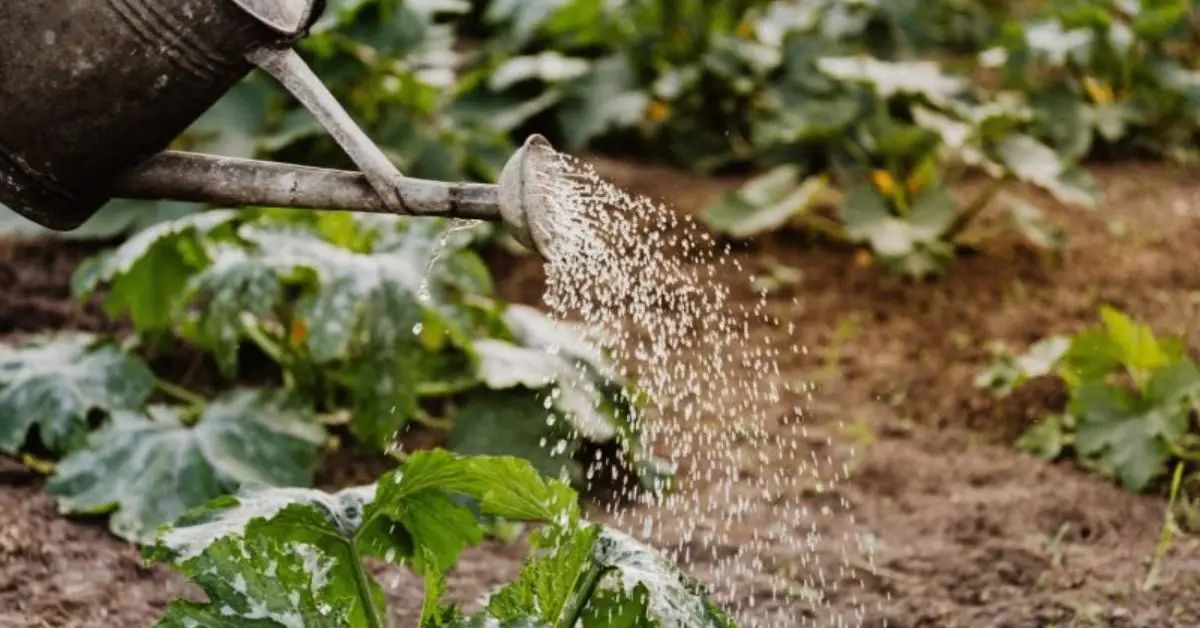
Now that you know the benefits of using nematodes, you’re probably wondering how to use them effectively. Don’t worry — it’s easier than you might think! Here’s how you can introduce beneficial nematodes into your garden:
- Application Methods: There are a few different ways to apply nematodes, and it really depends on your garden and the type of pest you’re targeting. Here are the most common methods:
- Spraying: This is the most common method. Simply mix the nematodes with water and spray them over the affected areas. It’s especially useful for larger areas or plants that are already showing signs of pest damage.
- Soil Drenching: For soil-dwelling pests like grubs, you can drench the soil with a nematode solution. This allows the nematodes to burrow deep into the soil, where they’ll seek out and destroy pests.
- Granular Application: Some nematodes come in granular form, which you can sprinkle directly into the soil. This works well for targeted pest areas and larger garden plots.
- Best Time to Apply: Timing is key to ensuring that nematodes work effectively. Ideally, you want to apply them when the soil temperature is between 55°F and 80°F (13°C to 27°C).
- Spring: Early spring is a great time to apply nematodes because many pests are just emerging. It gives the nematodes a chance to target pests before they have a chance to cause damage.
- Fall: Fall is another optimal time, especially for pests that overwinter in the soil, like grubs. Applying nematodes in the fall ensures that they target pests as they prepare to go dormant.
- How to Store Nematodes: Nematodes are living organisms, so proper storage is essential to keep them effective. If you’ve bought nematodes in bulk or need to store them for later use, here are some tips:
- Keep Them Cool: Store nematodes in the fridge at temperatures between 40°F and 50°F (4°C to 10°C) to keep them alive and active.
- Use Quickly: Nematodes are best used as soon as possible after purchase. The longer they sit around, the more likely they are to die off. So, use them within a week or two of buying, if possible.
Using nematodes in your garden doesn’t have to be complicated. Whether you’re spraying, drenching, or applying granular forms, just be sure to follow the instructions carefully and apply at the right time for maximum effectiveness. Happy gardening!
What pests are you dealing with in your garden? Have you tried using nematodes before? Share your experience in the comments below!
Common Pests Controlled by Beneficial Nematodes
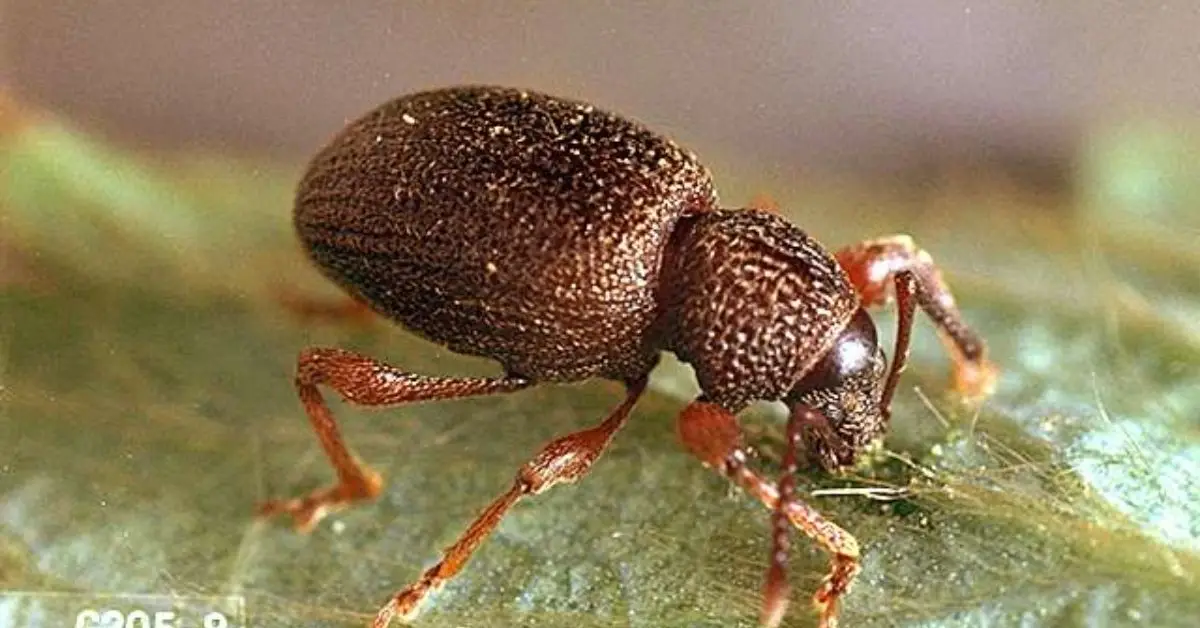
If you’re dealing with persistent pests in your garden, it’s crucial to know which ones can be effectively managed with beneficial nematodes. These tiny organisms target specific pests that often hide beneath the soil or within your plants, making them hard to spot. Here are some of the most common pests controlled by nematodes:
- Root Weevils: These pests damage the roots of plants, especially ornamental and fruit-bearing plants. You may notice yellowing leaves or wilting.
- Cutworms: Cutworms are notorious for cutting off young plants at the soil level, often overnight. If your seedlings are disappearing, cutworms could be the culprits.
- Grubs: Grubs, especially Japanese beetle larvae, feed on roots, causing wilting or dead patches of grass.
- Japanese Beetles: As larvae, these beetles feed on roots, but as adults, they can defoliate your plants, leaving them weak and vulnerable.
- Fungus Gnats: Fungus gnat larvae feed on plant roots, leading to stunted growth, yellowing leaves, and poor overall plant health.
Symptoms of Pest Infestation:
- Wilting or Yellowing Leaves: If you notice wilting or yellowing despite regular watering, it could be a sign of root damage.
- Holes in Leaves: Small round holes or torn edges on leaves may indicate that pests are feeding on them.
- Bald Spots in Grass: For lawn care, spots that aren’t growing or seem to die off can be a sign of grub or root weevil damage.
The Science Behind Nematode Pest Control
Understanding how beneficial nematodes work might just convince you that they are the missing piece in your garden’s pest control strategy. These tiny organisms have a remarkable life cycle that allows them to naturally seek out and destroy garden pests.
- Nematode Life Cycle and Action: Nematodes are parasitic organisms that infect and kill pests by entering their bodies through natural openings. Once inside, they release bacteria that quickly kill the pest. After the nematode feeds, it reproduces, continuing the cycle. This process targets the pest without harming other wildlife or plants.
- Effectiveness of Nematodes: Studies have shown that nematodes are highly effective in managing a variety of soil-dwelling pests. Trials indicate that nematodes can reduce pest populations by up to 80% when used correctly. Their ability to target specific pests, such as root weevils and grubs, makes them a viable alternative to broad-spectrum chemical pesticides.
For a deeper dive into the science of nematodes and their effectiveness, check out the studies shared by Plantwise Blog, which outline the results from multiple research trials.
Benefits and Limitations of Using Nematodes
Like any garden solution, beneficial nematodes come with both advantages and some limitations. It’s important to weigh these factors before deciding if they’re the right choice for your garden.
- Advantages:
- Environmentally Safe: Nematodes don’t pollute the soil or water, making them a safe option for eco-conscious gardeners.
- Target-Specific: They specifically target harmful pests, leaving beneficial insects and plants unharmed. Alongside using nematodes for pest control, you can also improve your plant health by adding Epsom salts to your soil, which provide essential nutrients like magnesium and sulfur. Check out our guide on Epsom salts for plants to learn how to keep your garden healthier and greener.
- Non-Toxic: Safe for humans, pets, and beneficial insects, nematodes offer a natural pest control option.
- Limitations:
- Limited Effectiveness in Extreme Weather: Nematodes are sensitive to temperature extremes. High heat or cold can reduce their efficacy.
- Pest-Specific: While effective on certain pests, nematodes are not a one-size-fits-all solution for every pest.
- Requires Proper Application: They need to be applied under the right conditions, and improper use can result in them being ineffective.
- Cost Comparison: Nematodes are relatively affordable when compared to long-term pesticide use. While chemical pesticides may require multiple applications throughout the season, nematodes can often provide a more sustainable, cost-effective solution for controlling pests over time.
For an expert breakdown of the benefits and limitations of nematodes, check out the detailed guide on the Penn State Extension website.
How to Maintain a Pest-Free Garden With Beneficial Nematodes
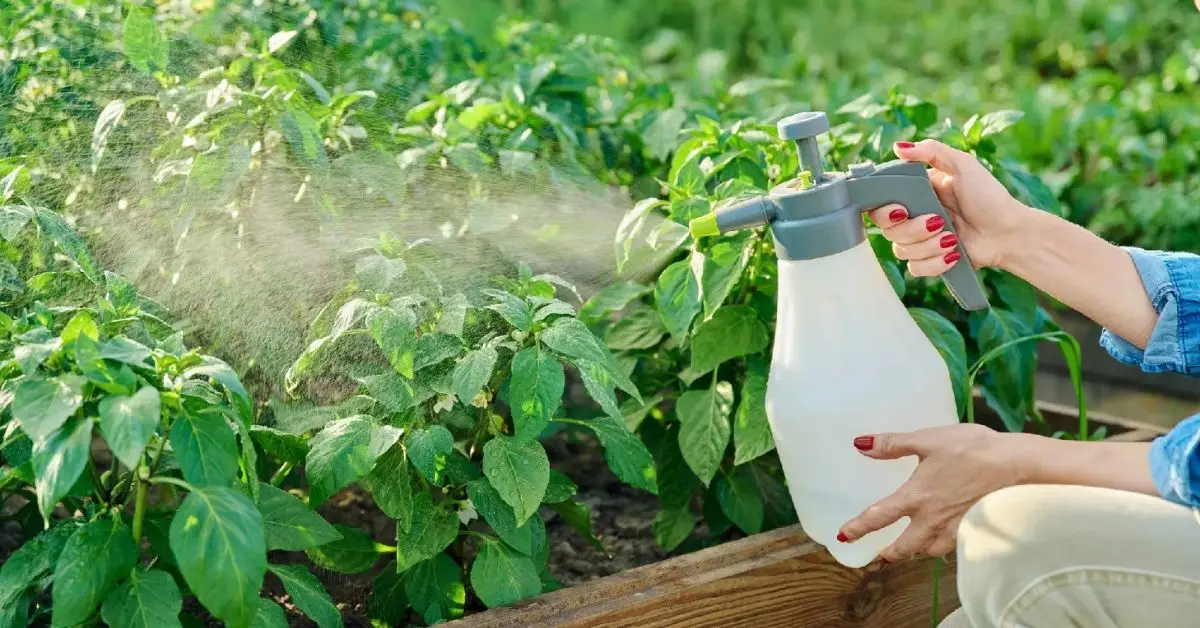
Once you’ve introduced beneficial nematodes to your garden, it’s important to maintain a consistent approach for long-term pest control. Here are some ways to keep your garden thriving and pest-free:
- Integrating Nematodes with Other Natural Solutions: Nematodes work best when combined with other organic pest control methods. Consider companion planting, where certain plants naturally repel pests that nematodes target. To further boost your garden’s health, consider using hydrogen peroxide, which has shown great promise in eliminating pests naturally without harming your plants. You can learn more about how to use hydrogen peroxide on plants for pest-free gardens in our detailed guide. For example, planting marigolds or garlic can help keep away insects that might otherwise damage your plants. Integrating nematodes with other natural solutions will not only provide effective pest control but also boost the overall health of your garden ecosystem.
- Monitoring Garden Health: Even after applying nematodes, regular monitoring is essential. Keep an eye out for signs of pest damage, such as wilting leaves, holes in plants, or discoloration. If you notice new pest activity, you may need to reapply nematodes or adjust your pest management approach. While focusing on pest control, it’s also important to be mindful of other common mistakes that might affect your plants’ health, such as using ice cubes on your indoor plants. Discover the hidden dangers of this practice and how it can harm your plants in our article Can Ice Cubes Really Hurt Your Indoor Plants?. Remember, consistency is key in maintaining a healthy garden.
Conclusion: The Sustainable Choice for Garden Pest Control
In conclusion, beneficial nematodes offer a safe, sustainable, and highly effective method for controlling pests in your garden. By targeting specific pests without harming beneficial insects or the environment, nematodes serve as an excellent alternative to chemical pesticides. If you want a healthier, eco-friendly garden, incorporating nematodes into your pest control plan could be the game-changer you’ve been looking for.
Give them a try, and see how they can transform your garden into a vibrant, pest-free paradise.
Have you tried using nematodes in your garden yet? Share your experiences in the comments below! If you’re looking for more gardening tips and advice, be sure to visit Plant Care Dairy for all things plant and garden-related. Let’s grow together!
Disclaimer: The information provided in this article is for general gardening advice and educational purposes only. Always follow product instructions and consult a professional if you have concerns about specific pests or gardening needs. Results may vary depending on garden conditions.