

If you’re like me, you probably want your Lucky Bamboo to thrive, not just survive. There’s something calming about having a lush, green plant that’s easy to care for and carries a deep meaning — whether you believe in the Feng Shui symbolism or simply love its beauty. But, like any plant, it requires the right attention.
Lucky Bamboo isn’t as low-maintenance as you might think. Sure, it doesn’t ask for much, but if you want it to grow tall and strong, you’ll need to know how to give it just the right care. Overwatering, poor light, or even a wrong cut during pruning can quickly turn this resilient plant into a sad, wilting version of itself.
In this guide, I’ll walk you through the best tips and tricks for keeping your Lucky Bamboo healthy — from basic care to troubleshooting common problems and even propagation. We’ll dive into everything you need to know to make sure your plant is not just surviving but thriving. Whether you’re a seasoned plant parent or a complete beginner, by the end of this, you’ll feel confident about giving your Lucky Bamboo exactly what it needs.
Let’s get started. Are you ready to see your Lucky Bamboo flourish?
Essential Care Requirements for Lucky Bamboo
To ensure your Lucky Bamboo thrives, you need to pay attention to a few key care factors. Don’t worry — it’s not difficult! Let’s break it down together.
Light: Give It Indirect Light, Not Direct Sun
Lucky Bamboo loves light, but too much direct sunlight can scorch its leaves, turning them yellow and unhealthy. You’ll want to place it somewhere with bright, indirect light.
Here’s how you can make sure your plant is getting just the right amount of light:
- Ideal Location: A well-lit spot in your home, like near a window that doesn’t get direct sunlight, is perfect.
- Avoid Direct Sun: Don’t place your plant directly in the sun, as the harsh rays can damage the leaves. Too much exposure will cause browning edges or spots.
- Not Too Little: On the flip side, too little light will slow down growth. If you notice your Lucky Bamboo isn’t growing as quickly as you’d like, try moving it to a brighter spot.
The key here is to find the balance — a spot with plenty of light but no harsh sun.
Water: The Lifeblood of Lucky Bamboo
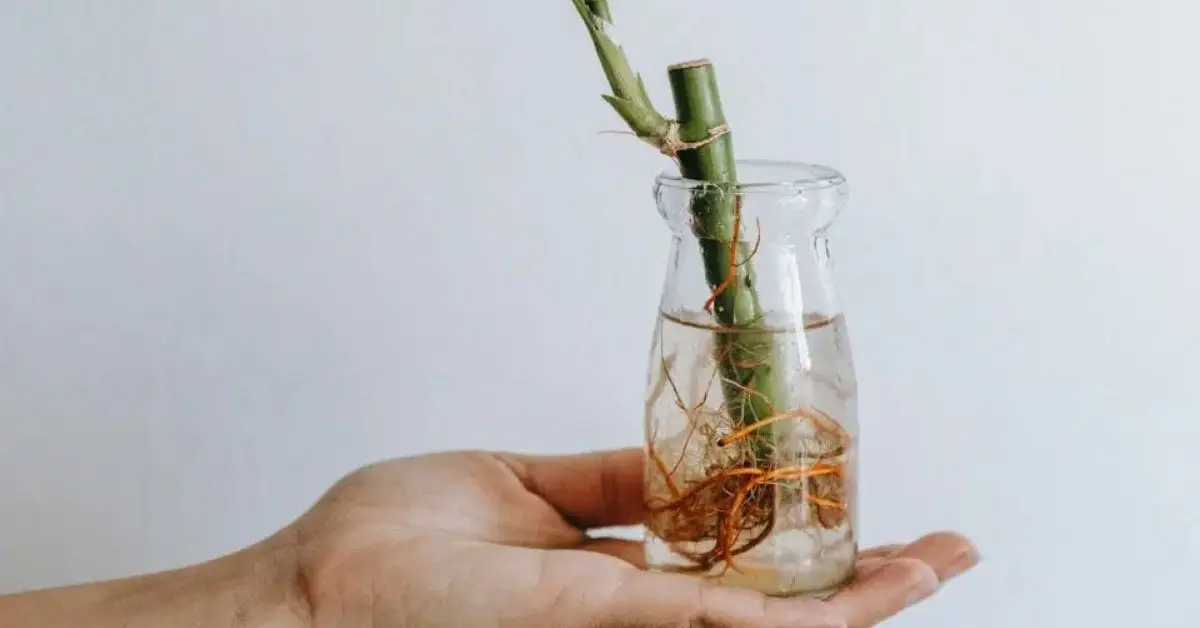
Watering is probably the most important aspect of Lucky Bamboo care. It’s a water-loving plant, but it’s picky about the type of water you use. Here’s what you need to know:
- Use Distilled or Purified Water: Lucky Bamboo thrives in purified water. Tap water can contain chlorine and fluoride, which may harm your plant over time. Distilled or purified water is ideal.
- Change Water Regularly: You don’t need to water it every day, but changing the water every 7–10 days helps prevent bacteria buildup and keeps the plant’s roots healthy.
- No Overwatering: If you’re growing it in water, make sure the roots are submerged, but avoid letting the stalks sit in water for too long. Overwatering can cause root rot.
By sticking to these simple water guidelines, your Lucky Bamboo will be one happy plant. If you’re unsure about the best practices for watering your plants, you might find it useful to read more about whether misting your plants is actually helpful in maintaining humidity levels. Check out this article on misting plants to learn more about plant hydration and its impact.
Temperature: Keep It Comfortable
Lucky Bamboo isn’t a fan of extreme temperatures, so keeping it in a stable environment is key to its health.
- Ideal Temperature: Lucky Bamboo prefers a temperature range of 65-90°F (18-32°C). It loves warm, cozy spots, so avoid placing it in rooms that are too hot or too cold.
- Avoid Drafts: Try not to keep your plant near air conditioners, heaters, or drafty windows. Sudden temperature changes can stress out your plant and stunt its growth.
Keeping your Lucky Bamboo in a comfortable, stable environment will ensure it stays healthy and vibrant.
Container Choice: Glass vs. Soil
Choosing the right container is just as important as giving it the right care. Lucky Bamboo can grow in either water or soil, but let’s go over both options:
- Glass Containers for Water: If you prefer the water-growing method (which is quite popular), glass containers are your best option. They allow you to see the roots, so you can monitor their health. Make sure the container is clean and clear so you can easily see the water level and any potential issues.
- Proper Soil for Rooted Lucky Bamboo: If you decide to grow your Lucky Bamboo in soil, use well-draining, sandy, or loamy soil. Make sure the pot has drainage holes to prevent waterlogging.
Both methods work, so choose the one that best fits your preference. If you want a low-maintenance option, water might be your go-to, but if you prefer the classic plant-in-soil look, that works too!
By focusing on these basic care essentials — providing the right light, using purified water, maintaining the ideal temperature, and choosing the correct container — you’ll set your Lucky Bamboo up for success. For more in-depth information on Lucky Bamboo care, check out The Spruce for expert guidance on light and water needs.
With just a little attention to these fundamentals, you’ll see your Lucky Bamboo thrive and grow tall, healthy, and strong.
Pruning Lucky Bamboo for Health and Aesthetics

Pruning your Lucky Bamboo is one of the simplest ways to maintain its health and appearance. It encourages new growth, removes any unhealthy or damaged parts, and helps shape the plant to keep it looking its best. Let’s dive into how you can prune your Lucky Bamboo effectively.
How to Prune Dead or Yellowing Leaves to Prevent Disease
If you notice any yellowing or brown leaves on your Lucky Bamboo, it’s important to remove them right away. Not only do they look unsightly, but they can also harbor disease, which could spread to other parts of the plant. Here’s how you do it:
- Identify the Damaged Leaves: Look for leaves that are turning yellow, brown, or have spots. These are often signs of poor health or stress.
- Cut Carefully: Use clean, sharp scissors to snip off the affected leaves at the base of the stem. Make sure you don’t cut into the healthy part of the plant.
- Dispose of the Leaves Properly: Don’t leave dead leaves near your plant as they could attract pests or fungi.
Guidelines for Cutting Stems to Encourage New Growth
Pruning the stems of your Lucky Bamboo is another way to promote healthier, stronger growth. Here’s how to do it:
- Cut Above a Node: Nodes are small bumps along the stems where new shoots or roots can grow. Always cut just above a node to encourage the plant to sprout new growth from that point.
- Avoid Cutting Too Much: Don’t cut off too much of the stem at once. Prune gradually to avoid shocking the plant. A good rule of thumb is to never remove more than a third of the plant at one time.
- Use Clean Scissors: Always use sharp, clean scissors or pruning shears. Dirty tools can introduce bacteria or disease to the plant.
Tools Needed and When to Prune
Having the right tools is essential for a clean, effective cut:
- Sharp, Clean Scissors or Pruning Shears: Ensure your scissors are sharp to avoid damaging the plant. Dirty tools can introduce bacteria, so sterilize them with rubbing alcohol before use.
- Time to Prune: The best time to prune Lucky Bamboo is during its growing season, typically in spring or early summer. Avoid pruning during the colder months when the plant is in dormancy, as it can slow down recovery.
Pruning not only keeps your Lucky Bamboo healthy but also ensures it grows in the shape you want. Regularly removing dead leaves and cutting stems above nodes encourages vibrant new growth and keeps the plant looking neat and tidy.
Propagating Lucky Bamboo: A Step-by-Step Guide
If you love your Lucky Bamboo and want to create more plants from it, propagation is the way to go. It’s a simple process that lets you expand your plant collection and share the love with others.
Detailed Steps for Propagating Lucky Bamboo via Cuttings (In Water or Soil)
Here’s a step-by-step guide to propagating your Lucky Bamboo:
- Choose a Healthy Stem: Select a healthy stem that has at least one node visible.
- Make the Cut: Using clean, sharp scissors, cut just above a node. Make sure your cutting has at least one node, as that’s where the new roots will grow.
- Place in Water or Soil:
- Water Propagation: Place the cutting in a glass of clean, distilled water, making sure the node is submerged. Change the water every few days to keep it fresh.
- Soil Propagation: Alternatively, you can plant the cutting in a well-draining potting mix, ensuring the node is buried in the soil.
- Wait for Roots to Form: After a few weeks, you’ll begin to see roots forming at the node. Once they’re a couple of inches long, your new plant is ready to be transferred to a larger pot or container.
Discuss the Importance of Using Sharp, Clean Scissors and Removing Leaves Near the Cutting Point
- Clean Cuts: Sharp scissors are a must to avoid crushing the plant’s stem. Clean cuts ensure a faster healing process, preventing infection.
- Removing Leaves: If there are any leaves near the cutting point, trim them off. This allows the cutting to focus its energy on rooting and growing, rather than supporting unnecessary foliage.
Best Time for Propagation and How to Ensure Success

The best time to propagate Lucky Bamboo is during the growing season (spring and summer). This is when the plant is most active, and you’ll have a higher chance of success. Ensure your cutting has the right amount of light and water, and be patient — propagation can take a few weeks before you see new growth.
For more expert tips on propagation, check out FNP’s guide to Lucky Bamboo care.
By following these simple steps, you’ll soon have more Lucky Bamboo plants to enjoy or share with friends.
Troubleshooting Common Lucky Bamboo Problems
Even the healthiest plants can run into trouble now and then, and Lucky Bamboo is no exception. Whether it’s yellowing leaves or stunted growth, it’s important to recognize the signs early and take action. Let’s dive into some common issues you might face and how to fix them.
Yellowing Leaves: What It Means and How to Fix It
Yellowing leaves are one of the most common problems with Lucky Bamboo. This usually happens due to overwatering or poor water quality. Here’s how to fix it:
- Overwatering: If the roots sit in water for too long or you’re watering too frequently, it can cause the leaves to turn yellow. Make sure you’re not overwatering your plant and that the roots are properly submerged in water but not drowning.
- Poor Water Quality: Chlorine and fluoride in tap water can stress out your Lucky Bamboo. Switch to distilled or purified water to prevent further damage.
- How to Fix It: Cut off the yellow leaves with sharp, clean scissors and adjust your watering routine. Change the water regularly and use purified water to ensure it stays healthy.
Root Rot: Prevention and Steps to Take if It Occurs
Root rot is one of the most serious issues you can face with Lucky Bamboo. It’s often caused by standing water or insufficient oxygen at the roots. Here’s how to prevent it and deal with it if it happens:
- Prevention: Always ensure that the water is fresh and that the plant’s roots aren’t sitting in stagnant water for too long. Clean the container regularly to avoid bacterial growth.
- If It Happens: If you suspect root rot, carefully remove the plant from the container, trim away the rotting roots with sterile scissors, and repot it in fresh water or soil.
- How to Fix It: Once the rot is removed, place the plant back into a clean container with fresh water. Make sure to change the water every 7–10 days to avoid future rot.
If you’ve experienced root rot in other plants as well, you may want to explore more general plant care practices. For example, snake plants are another resilient plant that requires specific care for outdoor growth. Find out how to care for your snake plants outdoors, and use similar strategies to prevent root rot in your Lucky Bamboo.
Stunted Growth: Causes and Solutions
If your Lucky Bamboo isn’t growing as expected, there could be several causes at play. Here’s what to look for:
- Lack of Light: Lucky Bamboo needs bright, indirect light to grow. If it’s placed in a dimly lit area, its growth will slow down or stop entirely.
- Inadequate Watering: Not enough water or poor-quality water can stunt growth. Make sure the plant’s roots are well-covered in fresh, purified water.
- How to Fix It: Move your plant to a brighter location where it gets indirect sunlight, and ensure it’s properly watered with distilled water.
By catching these issues early and making a few simple changes, you can get your Lucky Bamboo back on track.
For more guidance on identifying and fixing common problems, check out ProFlowers‘ expert tips.
Water vs. Soil: Which is Best for Your Lucky Bamboo?

When it comes to growing Lucky Bamboo, you have two main options: water or soil. Both methods work, but each has its own set of benefits and drawbacks. Let’s explore both options to help you decide which is best for your plant.
Growing Lucky Bamboo in Water: Pros and Cons
Pros:
- Less Maintenance: Water is easy to manage. You only need to change it regularly, and you don’t need to worry about watering on a daily basis.
- Easier Propagation: If you’re into propagating your Lucky Bamboo, growing it in water makes the process much easier. The roots are visible, so you can monitor their growth and quickly propagate cuttings.
Cons:
- Needs Regular Water Changes: Water can get dirty or stagnant quickly, so you need to replace it every 7–10 days.
- Limited Nutrients: Water doesn’t provide the nutrients that soil does, so if you grow in water, you’ll need to add liquid plant food occasionally.
Growing Lucky Bamboo in Soil: Pros and Cons
Pros:
- More Nutrients: Soil provides a steady source of nutrients for the plant, which can lead to stronger and healthier growth.
- More Natural Growth Environment: Soil offers a more traditional, natural growth environment for Lucky Bamboo, which some people prefer.
Cons:
- More Maintenance: Soil needs more attention. It’s easy to overwater or let the soil dry out too much, which can stress the plant.
- Harder to Monitor Roots: Unlike water, you can’t easily see the roots in soil, making it harder to check on their health.
Both water and soil have their advantages, so it really comes down to your preference. If you prefer a low-maintenance approach and want to easily propagate your Lucky Bamboo, water might be the way to go. If you’re looking for stronger growth with more nutrients, soil might be better.
Feng Shui and Lucky Bamboo: The Symbolism of Good Luck
Lucky Bamboo isn’t just a beautiful plant; it also carries deep cultural and spiritual significance, especially in Feng Shui. Feng Shui, the ancient Chinese practice of arranging your living space to align with the natural flow of energy (or “chi”), considers Lucky Bamboo a symbol of good fortune, prosperity, and positive energy. Here’s how you can use Lucky Bamboo to enhance the energy in your home.
How Lucky Bamboo Attracts Positive Energy and Prosperity

In Feng Shui, Lucky Bamboo is often used to invite positive energy, wealth, and harmony into your space. It’s believed that placing Lucky Bamboo in specific areas of your home can balance your surroundings and encourage abundance.
- Wealth and Prosperity: When placed in the Southeast corner of your home (which is the area associated with wealth), Lucky Bamboo can attract financial success and good fortune.
- Health and Vitality: The East corner, linked to family and health in Feng Shui, is another great spot to place your Lucky Bamboo to enhance overall well-being and vitality.
- Harmony and Balance: As an adaptable and balanced plant, Lucky Bamboo is also said to bring a sense of calm and harmony to your living space.
Placement Tips for Maximum Benefit
To harness the full Feng Shui potential of your Lucky Bamboo, placement is key. Here are a few tips for positioning it:
- Southeast Corner: As mentioned, this is the wealth corner. Placing your Lucky Bamboo here is believed to boost financial prosperity.
- East Corner: This area supports family, health, and vitality. If you want to encourage good health, consider placing your plant here.
- Avoid the Bathroom: In Feng Shui, bathrooms are thought to drain energy, so it’s best to avoid placing your Lucky Bamboo in this space.
Placing Lucky Bamboo thoughtfully can align the plant’s energy with your home’s flow, creating a more harmonious, prosperous environment.
Conclusion: Enjoy a Healthy, Thriving Lucky Bamboo
By now, you’ve learned everything you need to know to care for your Lucky Bamboo — from proper watering and light to pruning, propagation, and even Feng Shui placement. Remember, the key to keeping your Lucky Bamboo healthy is consistency and patience. It may take time for the plant to grow, but with the right care, it can flourish and bring both beauty and positive energy into your home.
Quick Recap:
- Water: Use purified water, change it regularly, and avoid overwatering.
- Light: Keep it in bright, indirect light — never in direct sunlight.
- Pruning: Regularly prune dead or yellowing leaves and stems to encourage new growth.
- Propagation: Take cuttings during the growing season to create new plants.
- Troubleshooting: Address issues like yellowing leaves, root rot, and stunted growth early.
Encourage Patience and Consistency
Plants take time to grow, and so does the process of learning how to care for them. With the right attention and patience, your Lucky Bamboo will thrive and continue to be a symbol of good luck and positive energy in your home.
As you continue caring for your Lucky Bamboo, you may also be interested in tips for other plants. For example, if you want to keep your orchids blooming all year round, be sure to check out our orchid care guide. Here’s a detailed article on orchid care to help you maintain their beauty.
I’d love to hear from you! Share your Lucky Bamboo care tips in the comments below — or any challenges you’ve faced while caring for this beautiful plant. And don’t forget to visit Plant Care Dairy for more helpful plant care guides and tips!
Disclaimer: The care tips provided in this article are general guidelines for maintaining a healthy Lucky Bamboo. Results may vary based on environmental factors. Always monitor your plant’s specific needs and adjust care accordingly.