
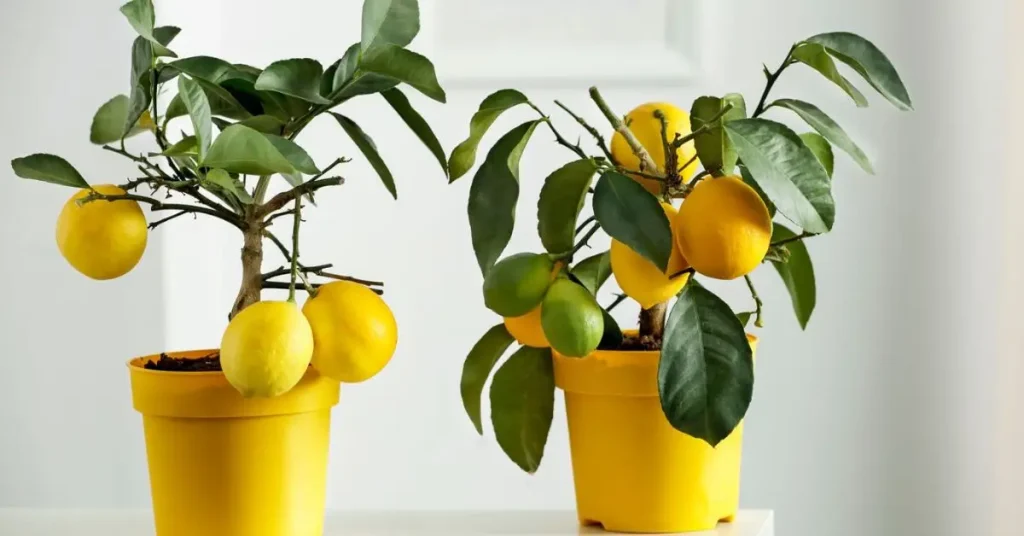
I get why you want a lemon or lime tree inside—nothing beats picking a fresh fruit in your own kitchen. But most people try it once, watch the plant drop leaves, and assume citrus is “too hard.” It isn’t. Indoors just flips the rules: light is weaker, air is drier, pots stay wet longer, and the wrong variety makes everything feel impossible.
I’ve grown citrus in small apartments and in bright homes, and the pattern is the same. When you match the right dwarf variety to your light, use a fast-draining mix, and feed on a schedule, the tree behaves. Miss even one of those, and you’ll see leaf drop, sticky pests, or flowers that never turn into fruit.
In this guide, I’ll show you the setup that actually works indoors—how to get enough strong light (or add it), what pot and soil to pick, how to water without guessing, and when to feed so blooms become real lemons and limes. We’ll also cover pollination inside, pruning to keep it compact, and quick fixes for common problems like spider mites and fruit drop.
If you’ve tried before and failed, this is built for you. No fluff—just the steps that move you from “nice leaves” to “juicy fruit.”
Quick check before we dive in: what’s been your biggest hurdle so far—light, watering, or pests?
Which Citrus Varieties Are Best for Indoor Growing
Why choose dwarf or compact citrus?
If you’re thinking about starting your citrus journey indoors, the first decision isn’t soil or light—it’s the tree itself. Full-size citrus trees simply don’t work in a living room or on a sunny windowsill. That’s why you’ll want dwarf or compact varieties.
- Meyer lemon: famous for its sweeter, less acidic fruit.
- Calamondin orange: small, ornamental, and often produces year-round.
- Key lime: compact, highly aromatic, but a little more sensitive to cold drafts.
- Kumquat: hardy, produces bite-sized fruits you can eat peel and all.
These smaller trees adapt to containers, stay manageable in size, and still reward you with blossoms and fruit. If you skip this step and grab any lemon from the nursery, you’ll likely end up with a tree that outgrows your space and refuses to fruit.
Varieties vs climate / light availability — matching variety to your space
Here’s where many people go wrong: they pick a citrus tree without considering the actual light in their home. You and I both know a dark corner won’t cut it.
- Bright south-facing window: Meyer lemons and limes thrive here.
- East or west-facing light: Calamondin or kumquat will do better since they tolerate less direct sun.
- Low natural light homes: You’ll need to bring in a grow light. Meyer lemons in particular respond well to artificial lighting.
Think of it like matchmaking—your space decides which variety will truly be happy.
What to expect from each variety (fruit size, frequency, fragrance)
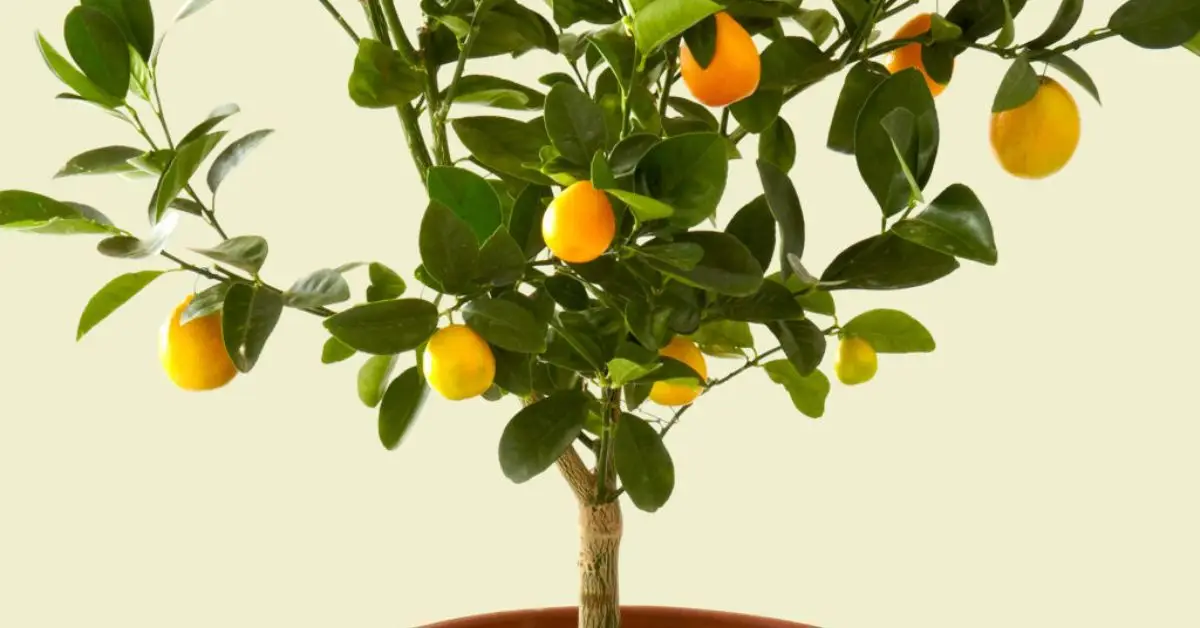
Setting the right expectations matters. If you know what’s normal, you won’t panic when your lemon tree doesn’t bloom in the first year.
- Meyer lemon: medium fruit, tends to flower and fruit multiple times a year.
- Calamondin: small but constant fruits, often more ornamental than edible.
- Key lime: small fruit, usually seasonal flushes, very fragrant blossoms.
- Kumquat: clusters of tiny fruits, ripen in winter, highly ornamental.
Some varieties give you steady flowers and fragrance even before they fruit. Others demand patience. By knowing what’s coming, you’ll enjoy the process instead of second-guessing yourself.
Ideal Environmental Conditions
Light requirements
Citrus loves the sun—there’s no way around it. Indoors, that means you’ll need to get strategic.
Natural light:
- Aim for at least 6–8 hours of direct sunlight daily.
- South-facing windows are gold, but east or west windows can work if nothing blocks the view.
- Expect weaker sunlight in winter—plants often struggle unless you compensate.
Supplemental light:
If your home doesn’t get that much light, add a grow light. According to University of Wisconsin Extension, citrus trees indoors respond well to full-spectrum LED lights placed just a foot or two above the canopy.
- LEDs are energy efficient and stay cool.
- Fluorescent bulbs can work but often need to be closer.
- Run them 12–14 hours daily in winter for best results.
Think of light as fuel: too little, and your tree stalls; enough, and it pushes out flowers and fruit.
Temperature & Humidity
Day vs night swings:
- Citrus prefers 65–75°F in the day and a slight dip at night.
- They dislike big temperature shocks, so keep them away from open windows in winter.
Dealing with indoor heating / air conditioning:
- Heating systems dry out the air and stress leaves.
- Cold drafts from AC vents or doors can cause leaf drop.
Humidity boosting methods:
- Place the pot on a pebble tray filled with water (not touching the roots).
- Run a small humidifier nearby, especially in winter.
- Mist the leaves lightly, but avoid soaking blossoms.
These small tweaks mimic the tropical climate citrus trees expect, even inside a modern apartment.
Air circulation, drafts & indoor microclimates
Finally, don’t underestimate airflow. Stale indoor air encourages pests like spider mites.
- A small oscillating fan on low helps keep air moving.
- Rotate your tree every few weeks so all sides get light.
- Keep plants away from drafty hallways or vents—consistent airflow is good, sudden blasts are not.
Air circulation is the invisible part of plant health. You don’t see it, but your tree will show the results in shinier leaves and fewer problems.
Soil, Potting, and Container Setup
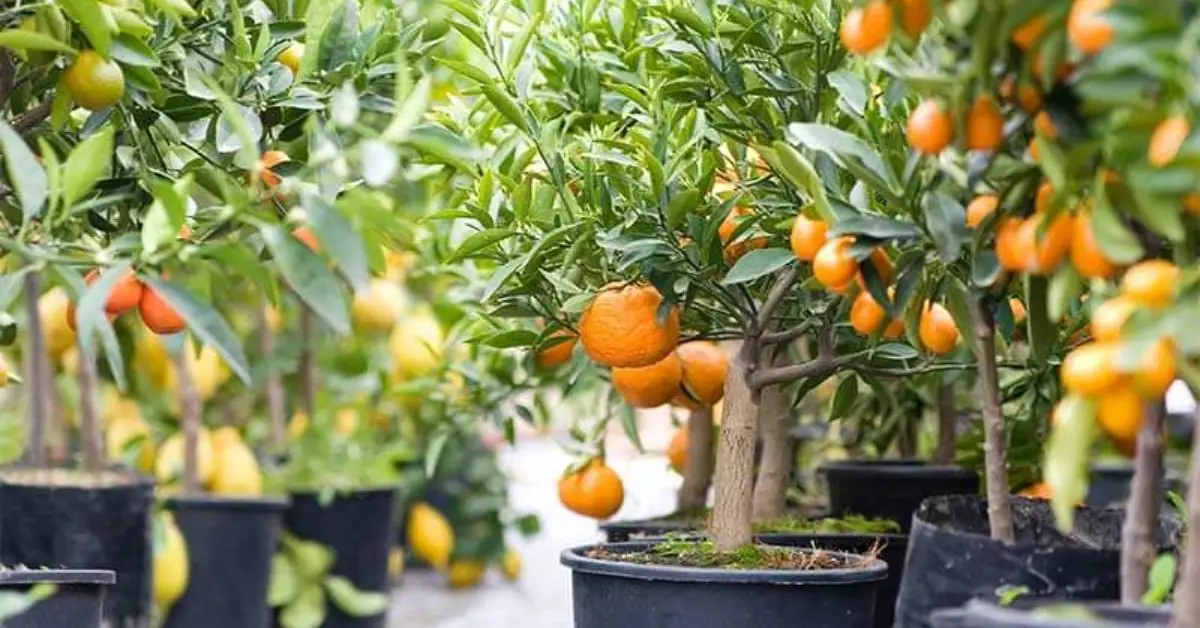
Choosing pot size, material (terracotta vs plastic), drainage holes
When it comes to citrus, the pot is more than just a container—it’s the life support system. Go too small, and roots get cramped. Too large, and soil stays soggy, suffocating the plant.
- Start with a pot just a few inches larger than the root ball.
- Terracotta pots breathe better, helping roots stay healthy but dry out faster.
- Plastic pots hold moisture longer, which can be risky if you’re a heavy waterer.
- Always ensure at least one large drainage hole—no exceptions. Without it, root rot becomes inevitable.
Soil mix composition: what components, acidity (pH), amendments for drainage
Citrus roots crave oxygen. That’s why regular garden soil isn’t an option.
- Mix suggestion: equal parts potting soil, coarse sand or perlite, and composted bark.
- Aim for a slightly acidic pH (6.0–6.5)—this helps the tree absorb nutrients like iron and magnesium.
- Add amendments such as perlite or pumice for better drainage if your mix feels heavy.
The goal is soil that holds moisture but never stays soggy. Think “light and airy,” not dense and compact. If you’re curious about other creative ways to set up plants beyond traditional soil, check out our guide on soil-free indoor gardening to explore options that bring beauty and flexibility to your space.
Repotting & root pruning: when and how to do it safely
Every couple of years, your citrus will outgrow its pot. Signs include roots circling the bottom or water draining too quickly.
- Repot in spring, right before active growth begins.
- Gently tease out circling roots instead of forcing them into a bigger pot.
- If roots are tightly packed, trim some with clean scissors—root pruning encourages fresh growth.
This cycle prevents the tree from becoming root-bound and keeps fruiting reliable.
Watering and Fertilization
Correct watering schedule & methods
Watering citrus indoors is less about a calendar and more about observation.
How to test soil moisture:
- Use the finger test—insert your finger 2 inches deep; if it’s dry, water.
- A moisture meter can give more accuracy if you’re unsure.
Common mistakes:
- Overwatering: leaves turn yellow and drop.
- Underwatering: leaves curl, soil pulls away from pot edges.
Always water deeply until it drains out the bottom, then wait until the topsoil dries before repeating.
Fertilizer types & schedule
Citrus trees are heavy feeders. Without a steady diet, you’ll see pale leaves and no flowers.
- Look for fertilizers labeled “citrus” or “acid-loving plants.”
- Aim for a balanced NPK ratio like 2:1:1 with added iron, magnesium, and zinc.
- Fertilize every 4–6 weeks during the growing season.
Organic vs chemical fertilizers:
- Organic: slower release, gentler on roots (compost tea, fish emulsion).
- Chemical: quick results, but risk of salt buildup if overused.
According to Pennington, consistent feeding is the secret to year-round blooms and fruit indoors.
Seasonal feeding & dormancy periods
- Spring & summer: feed regularly—this is when your tree grows and flowers.
- Fall & winter: growth slows down, so cut back to once every 6–8 weeks. Overfeeding in dormancy leads to weak, leggy growth.
Pollination, Flowering and Fruit Production
Flower initiation & bloom care (how to encourage flowers)
Citrus won’t bloom without enough light, balanced nutrition, and a small seasonal stress signal. Letting the plant dry slightly between waterings or giving it a slight cool period often triggers flowering. Keep humidity stable so buds don’t drop.
Pollination indoors: manual methods, timing, tool suggestions
Outdoors, bees do the job. Indoors, it’s on you.
- Use a small paintbrush or cotton swab to transfer pollen between flowers.
- Pollinate mid-morning when blossoms are fully open.
- Be gentle—the flowers are delicate but responsive.
Without this step, blossoms often fall off without setting fruit.
Managing fruit load: thinning, support for fruit, checking ripeness
A young citrus tree may set more fruit than it can handle. Thin out excess small fruits so the tree puts energy into fewer, better ones.
- Use soft ties or small stakes to support branches heavy with lemons or limes.
- Harvest when fruit feels heavy for its size, has turned full color, and detaches with a slight twist.
Managing fruit load means better flavor and less stress on your tree.
Common Problems and How to Fix Them
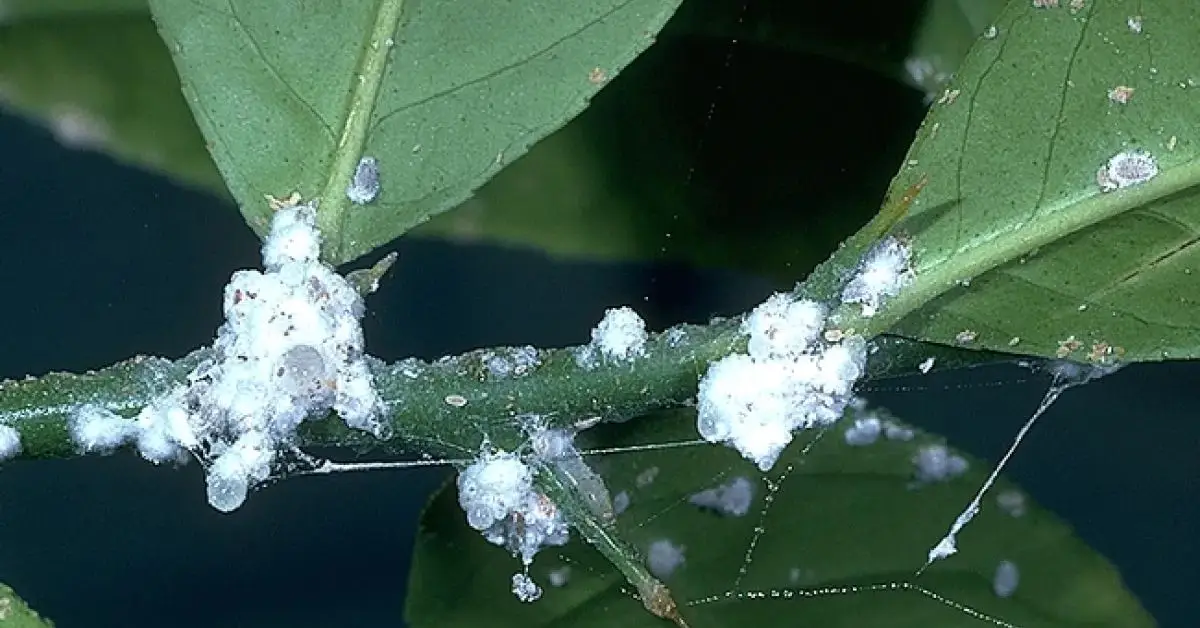
Pest issues — identification & treatment
Citrus indoors is like a magnet for tiny pests. You’ll spot them sooner or later, so it’s better to know how to act quickly.
- Scale insects: look like small brown bumps on stems and leaves; wipe off with alcohol-dipped cotton or spray with insecticidal soap.
- Spider mites: fine webbing under leaves; improve humidity and rinse leaves with water.
- Aphids: cluster on tender new growth; knock off with a water spray or use neem oil.
- Whiteflies: tiny white insects that scatter when disturbed; sticky traps and neem sprays help control them.
Aphids, in particular, can spread fast indoors. If you’d like a natural approach, here’s a simple guide on getting rid of aphids without chemicals that works perfectly for citrus as well.
Disease / root problems — root rot, fungal issues, yellowing leaves
Root rot is the silent killer indoors—it usually shows up as sudden yellowing leaves and soggy soil.
- Always ensure pots have drainage holes.
- If rot is suspected, trim affected roots and repot in fresh soil.
Fungal leaf spots can be trimmed out, and copper-based sprays can help if it spreads.
Environmental stress symptoms: leaf drop, leaf curl, lack of flowering, fruit drop
Not every yellow leaf is a disease. Most problems come from stress:
- Leaf drop: overwatering, low light, or sudden temperature changes.
- Leaf curl: drought stress or pest feeding.
- No flowers: lack of strong light or nutrients.
- Fruit drop: the tree often self-thins when it’s carrying more fruit than it can support.
Low light / low humidity adjustments
Dark homes and dry air in winter are two of the biggest challenges.
- Add a grow light if your tree isn’t getting at least 6–8 hours of direct sun.
- Run a humidifier nearby or place a pebble tray under the pot to keep humidity above 40%.
According to University of Maryland Extension, humidity and steady light are two of the most important factors for consistent fruiting indoors.
Seasonal Care: What to Do Throughout the Year
Transitioning outdoors & back indoors — acclimatization steps
If you have a balcony or yard, moving your tree outside for summer gives it a real growth boost.
- Move it out gradually: start with shade, then ease into full sun.
- Before bringing it back inside, check leaves and soil carefully for pests.
Winter care: lighting, temperature, watering, humidity adjustments
- Supplement weak winter sunlight with a grow light.
- Keep indoor temps steady around 65–70°F during the day.
- Water less often, since soil stays wet longer.
- Run a humidifier to prevent leaves from drying and dropping.
old drafts and dry heat are the biggest enemies of indoor citrus during the colder months. You can follow these extra steps on how to protect your indoor plants during the winter months to keep your tree healthy and stress-free all season.
Spring and summer boost: fertilizing, pruning, increasing light
- Feed regularly to support new growth and flowers.
- Prune lightly to shape and prevent leggy growth.
- Rotate the pot so all sides get light.
Spring is when your citrus will put out its strongest growth—make the most of it.
Harvesting, Pruning and Maintaining Long-Term Health
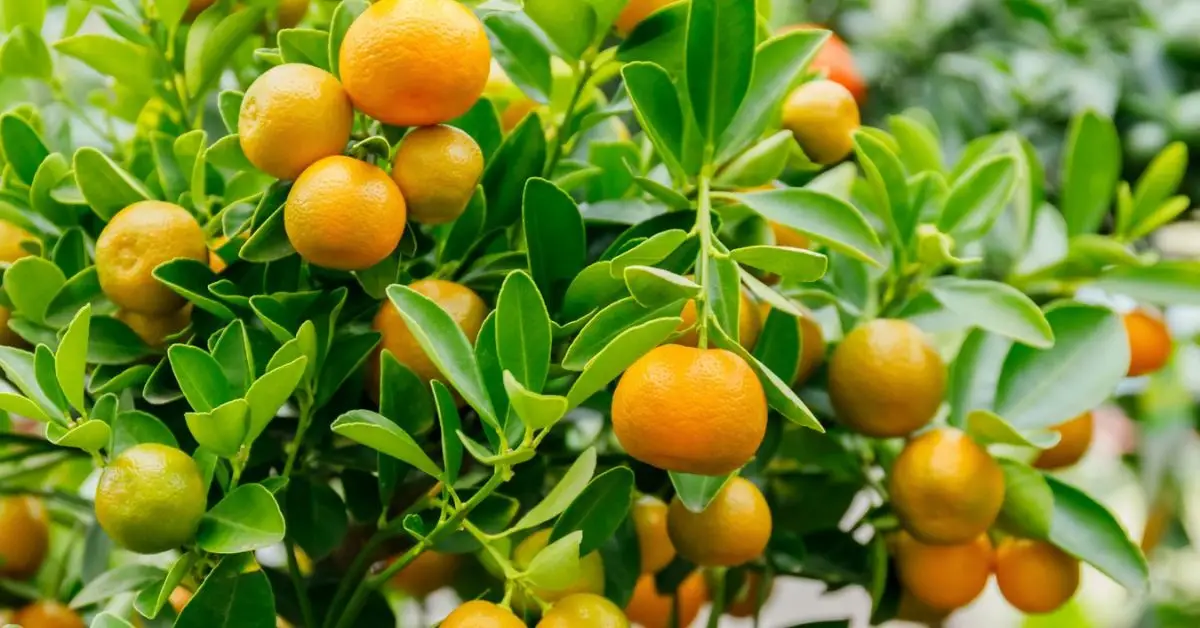
Harvest timing: knowing when lemons/limes are ripe
Don’t pick too early—citrus doesn’t ripen once harvested.
- Lemons: fully yellow and slightly soft to the touch.
- Limes: glossy green and heavy for their size.
- The easiest test: a gentle twist should detach the fruit.
Pruning for shape, fruit production, controlling size
Prune after fruiting or in early spring.
- Cut out dead or crossing branches.
- Keep the canopy open for air and light.
- Remove suckers from the base to direct energy upward.
Long-term maintenance
- Repot every 2–3 years to refresh soil and prevent root binding.
- Trim roots lightly during repotting if the plant becomes pot-bound.
- Keep a consistent cycle of feeding, pruning, and light.
This steady care keeps the tree productive for many years.
Summary
Before you get lost in the details, here’s your quick citrus care checklist:
- Light: 6–8 hours direct or use a grow light.
- Soil: fast-draining, slightly acidic mix.
- Water: deep but infrequent—let topsoil dry.
- Fertilizer: citrus-specific with micronutrients.
- Pests: inspect often; act early.
- Pollination: hand-pollinate blossoms indoors.
- Pruning: shape after fruiting, keep canopy open.
Remember, indoor citrus isn’t about perfection—it’s about steady adjustments. Some seasons you’ll get more flowers, some years fewer fruits. Patience and routine are the real “secret” to success.
I’d love to know—have you ever tried growing citrus indoors, and what was your biggest challenge? Drop your thoughts in the comments below, and for more practical plant guides, visit Plant Care Dairy.
Disclaimer: The information shared here is for general gardening guidance only. Results can vary based on your home environment, climate, and care routine. Always follow local extension or horticulture expert advice for plant health concerns.