
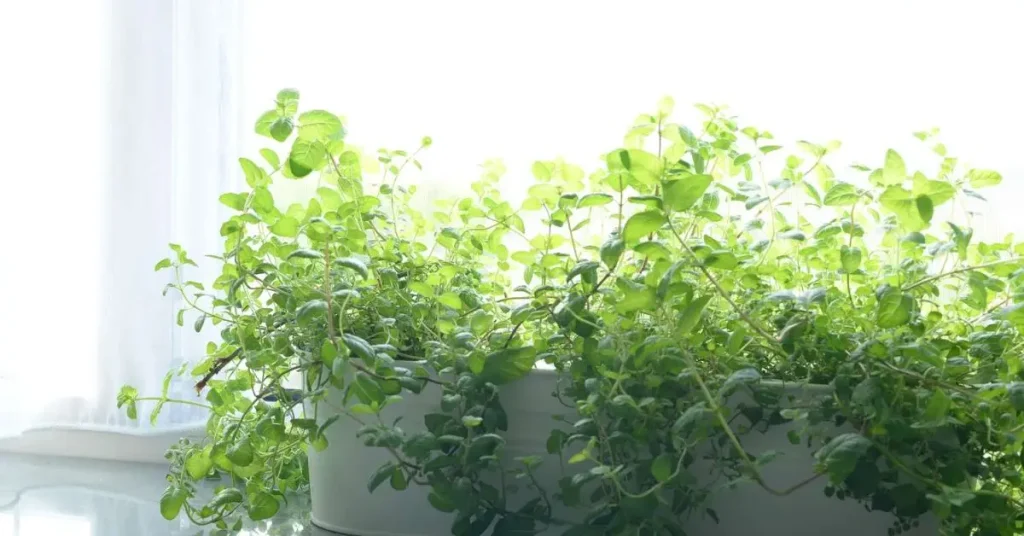
I started a windowsill tea garden for one simple reason: I wanted fresher, brighter tea without buying another box. A small ledge, three pots, and a sunny pane changed my daily cup—and it can do the same for you.
You don’t need a patio or a perfect climate. You need the right spot, a couple of forgiving herbs, and a plan that avoids the usual traps: low light, soggy soil, leggy growth, and bland flavor.
Most guides stop at “grow mint and chamomile.” I’ll go further—how to pick the best window, what pot size actually keeps roots happy, when to water (and when to back off), and the harvest timing that boosts aroma.
We’ll start small and win early: mint for daily use, lemon balm for calm, and a flower like chamomile for that apple-sweet finish. Three plants, one sill, real flavor you can taste this week.
If your home gets weak sun or runs dry in winter, I’ll show you simple fixes—smart placement, quick humidity tricks, and basic light add-ons that don’t turn your kitchen into a lab.
By the end, you’ll have a tidy, good-looking setup, a few foolproof blends, and a routine that fits real life—not just Pinterest.
Tell me: which window in your home gets the softest morning light?
Choosing the Right Spot
When I first tried growing tea herbs on my sill, I didn’t realize how much the window direction would matter. It’s not just about putting a pot near the glass—you and I need to think about how the sun actually moves across the day.
1. Window Orientation & Light
- A south-facing window usually gives you the longest stretch of sunlight. Herbs like mint, basil, and rosemary love this.
- East-facing windows catch the gentle morning sun, which is enough for herbs like chamomile or lemon balm that don’t demand all-day light.
- West-facing windows get strong afternoon rays—great in winter, but in summer you may need to rotate pots so leaves don’t scorch.
Most tea herbs thrive on about 6 hours of light daily. If your kitchen or living room feels dim, you can cheat with a small LED grow light. Even a reflective tray or foil behind the pots bounces light back onto the leaves and makes a difference. I’ve done this in winter and it stopped my plants from stretching weak and leggy.
2. Temperature & Humidity Considerations
Herbs don’t like drama. Sudden blasts of cold or hot air can make leaves curl or drop. Keep them in a steady 65–75°F (18–24°C) range.
- Avoid placing pots right above heaters or directly in a drafty window.
- In dry homes, I set a shallow bowl of water nearby or group the pots close together to raise humidity just enough.
- If you’ve ever noticed herbs drying too quickly indoors, that’s usually low humidity at work.
3. Space & Container Constraints
Even on a small sill, you can arrange herbs without crowding them. What matters more is pot size and depth.
- For tea herbs, choose pots 6–8 inches deep so roots spread comfortably.
- Terracotta pots breathe well, while ceramic or plastic hold moisture longer—pick based on how often you want to water.
- A tray underneath keeps water drips from damaging the sill and makes moving pots easier.
Soil, Containers & Planting Basics
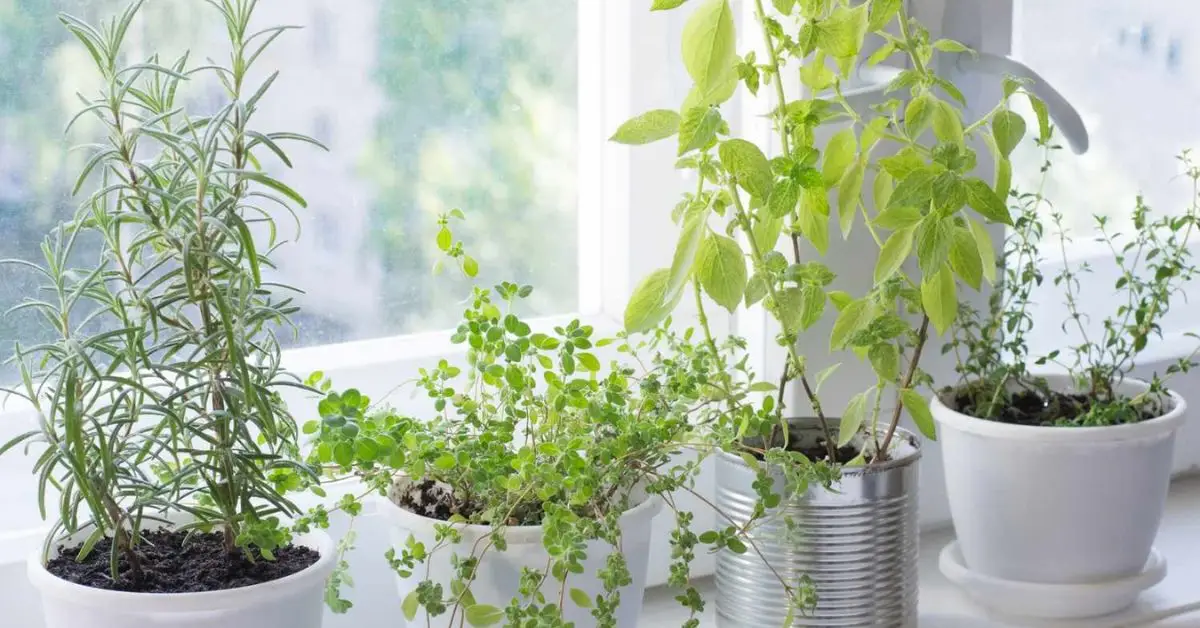
The secret to a thriving tea garden isn’t just sun—it’s what the roots sit in.
1. Potting Mix & Drainage
Skip garden soil. It compacts too easily and chokes the roots. Instead, mix a light, well-draining potting mix with a handful of perlite or coarse sand. This keeps the roots airy and prevents soggy bottoms.
2. Containers
- Self-watering pots: handy if you travel or forget to water.
- Regular pots with drainage holes: cheaper and perfectly fine if you’re consistent.
- Recycled jars or mugs: look cute, but drill a hole or add a layer of pebbles to avoid waterlogging.
3. Seeds vs Seedlings vs Cuttings
I’ve tried all three, and each has its charm:
- Seeds: cheapest, but take patience—great if you want many plants.
- Seedlings: quick start, fewer losses, a bit more cost.
- Cuttings: fastest way to multiply herbs you already love. For example, peppermint roots in water within a week and gives you a fresh new pot.
If you want extra guidance, the team at Epicurious explains why sunlight and soil type are non-negotiable for indoor herbs—worth a read if you’re setting up your first pots.
Best Herbs for a Windowsill Tea Garden
When I first planted herbs on my sill, I stuck with mint. It grew fast, smelled fresh, and gave me instant tea leaves. But you’ll quickly realise variety makes your daily cup more exciting.
1. Daily Flavour Herbs (fast growers)
- Mint: forgiving, roots quickly from cuttings, perfect for everyday brews.
- Lemon balm: light citrus taste, calming after a long day.
- Basil: usually seen in cooking, but basil tea is mild and surprisingly sweet.
2. Herbs with Flowers or Special Flavour
- Chamomile: small flowers that give a sweet, apple-like flavour.
- Lavender: fragrant and calming, blends beautifully with mint.
- Rose petals: if you grow a mini rose indoors, the petals dry into a delicate floral tea.
3. Perennials vs Annuals
- Perennials (mint, lemon balm, lavender): come back each year if you trim and care properly.
- Annuals (basil, chamomile): last one season, so you’ll need to replant.
Knowing which herbs keep returning saves you the surprise of plants fading “too soon.”
Care & Maintenance
Keeping herbs alive isn’t about constant pampering—it’s about steady, thoughtful care.

1. Watering Schedule & Moisture Management
I use the “finger test”: poke the soil about an inch down. If it’s dry, water. If it’s damp, wait. Most herbs hate soggy soil. Just like with air plants, where the right watering method makes or breaks their health, your tea herbs also thrive when moisture is managed correctly—learn the key tips for watering air plants properly and you’ll notice how the same principles apply to windowsill gardening.
2. Fertilising
- A diluted organic liquid fertiliser every 2–3 weeks works wonders.
- Compost tea or seaweed extract keeps growth steady without dulling flavour.
- Avoid overfeeding—it makes herbs leafy but weak in taste.
3. Pruning, Deadheading & Size Control
- Snip leaves often; it triggers fresh growth.
- Deadhead chamomile to encourage more flowers.
- Keep mint trimmed so it doesn’t sprawl and steal space.
4. Pest & Disease Control Indoors
Even indoors, pests sneak in.
- Common ones: aphids, spider mites, whiteflies. One of the biggest annoyances on windowsill herbs is aphids, and they’re just as common on other houseplants. If you prefer natural solutions over sprays, you’ll find this guide on getting rid of aphids without chemicals really useful for keeping your tea garden safe.
- Wipe leaves with a damp cloth or spray a mild neem oil solution.
- Keep pots spaced out for airflow; it prevents mildew.
Harvesting, Drying & Storing Herbs for Tea
The best part is brewing tea from herbs you picked yourself—but timing matters.
1. Best Time to Harvest
- Harvest in the morning, once dew has dried.
- Pick mint and lemon balm before flowering for maximum flavour.
- Chamomile flowers taste sweetest when fully open but not fading.
2. How to Dry (step-by-step)
- Air dry: tie small bundles, hang upside down in a dry, dark place.
- Oven dry: spread thin, keep oven on lowest heat, door slightly ajar.
- Dehydrator: if you have one, set it at 95°F (35°C) for best results.
3. Storing
- Use airtight glass jars and keep them away from sunlight.
- Label jars with dates—herbs hold peak flavour for 6–12 months.
- Mix dried herbs into blends (mint + chamomile, lavender + lemon balm) for variety.
Interestingly, a study published on the National Center for Biotechnology Information shows that even indoor light quality can change the essential oil levels in herbs like basil and mint, which is why harvesting at the right time and drying carefully makes such a noticeable difference in flavour.
Troubleshooting Common Problems
Every plant grower hits a rough patch, and I’ve been there too—waking up to limp leaves or herbs that smell like nothing. The good news is, most problems have simple fixes.
1. Leggy Plants, Weak Growth
When herbs stretch tall with thin stems, it usually means they’re reaching for light.
- Shift them to a sunnier window or add a small grow light.
- Pinch back the top growth to encourage bushy side shoots.
- Rotate pots every few days so each side gets equal sun.
2. Leaf Yellowing, Browning, or Wilting
This one panics most beginners, but it’s often about balance.
- Yellow leaves: overwatering or poor drainage.
- Brown tips: dry air or too much fertiliser.
- Wilting: roots are stressed—either bone dry or drowning.
Check the soil first; your watering habits usually hold the answer.
3. Low Fragrance or Flavour
If your tea tastes flat, the plants may lack essential oils.
- Harvest in the morning, just before flowering.
- Make sure they get at least 5–6 hours of direct light.
- Hold back on fertiliser; too much nitrogen makes leaves lush but bland.
Sometimes plants hold back their best qualities, whether it’s weak fragrance in herbs or stubborn blooms in houseplants. If you’ve ever struggled with a snake plant that refuses to flower, you’ll relate to this guide on why snake plants don’t bloom and how to fix it—the logic of boosting plant performance is surprisingly similar.
Design, Aesthetic & Creative Tips
A tea garden isn’t just functional—it should make your space feel alive.
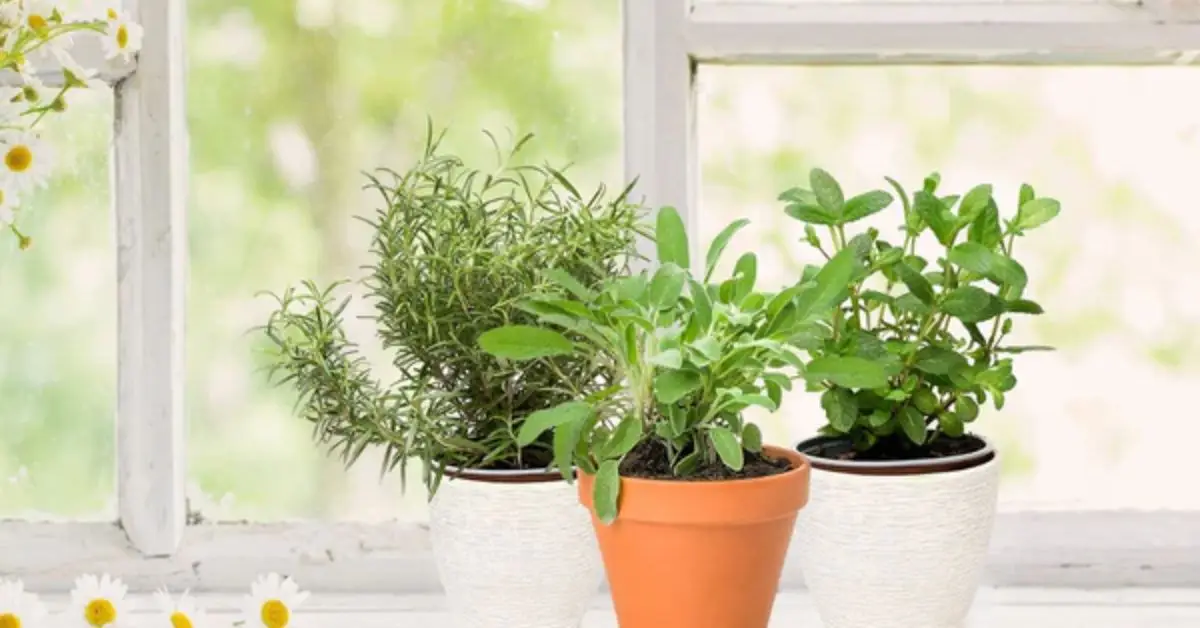
1. Arranging Plants for Visual Appeal
Place taller herbs like mint or basil at the back, and smaller ones like chamomile near the front. Keep frequently used herbs closest to your reach.
2. Companion Planting & Flavour Blends
- Mint and chamomile side by side give you an instant “bedtime blend.”
- Lemon balm pairs well with lavender for a calming mix.
- Mixing herbs in the same tray saves space and creates ready-to-use combos.
3. Creative Containers & Decor
Don’t just use plain plastic pots.
- Chalkboard herb markers to label each plant.
- Wooden trays to group pots neatly.
- Tiered shelves if your sill is small but you want more variety.
Special Considerations for Different Climates & Seasons
Your windowsill conditions will shift with the weather, and knowing how to adapt makes all the difference.
1. Adjustments for Winter, Monsoon, or Dry Seasons
- In winter: move pots slightly away from icy glass, and avoid heater vents.
- In monsoon or damp climates: ensure strong airflow to prevent mould.
- In dry seasons: add humidity by clustering pots or placing a water bowl nearby.
2. Adapting to Low Light Seasons
Rotate your pots weekly to keep growth even. Reflective surfaces—like a light-coloured wall or even a foil-covered card behind the plants—bounce extra light. If natural light dips too low, consider a simple LED grow bulb.
For more region-specific tips, the Old Farmer’s Almanac explains how different climates affect herb growth and what indoor growers can do to compensate.
Conclusion & Next Steps
Starting a windowsill tea garden isn’t about having the “perfect” setup—it’s about making small, thoughtful choices that give you fresh leaves and a ritual you’ll look forward to every day. A sunny window, the right potting mix, and steady care are enough to turn even a tiny sill into your own tea station.
If you’re unsure where to begin, I suggest starting simple:
- Mint for a reliable daily brew.
- Lemon balm for its calming citrus lift.
- Chamomile for those evenings when you want a sweet, soothing cup.
These three alone can carry you through dozens of blends without overwhelming you.
Remember, plants don’t demand perfection—they reward consistency. A little trimming, mindful watering, and patience will give you herbs that taste far better than anything store-bought.
What about you—if you had to pick just one, which herb would you start with first on your windowsill? Share your thoughts in the comments, and explore more practical gardening tips on Plant Care Dairy to keep your green journey growing.
Disclaimer: The information in this article is for educational and home-gardening purposes only. Herbal teas may have health effects, and individual reactions can vary. Always consult a qualified professional before using herbs for medical purposes, especially if you are pregnant, nursing, or taking medication.