
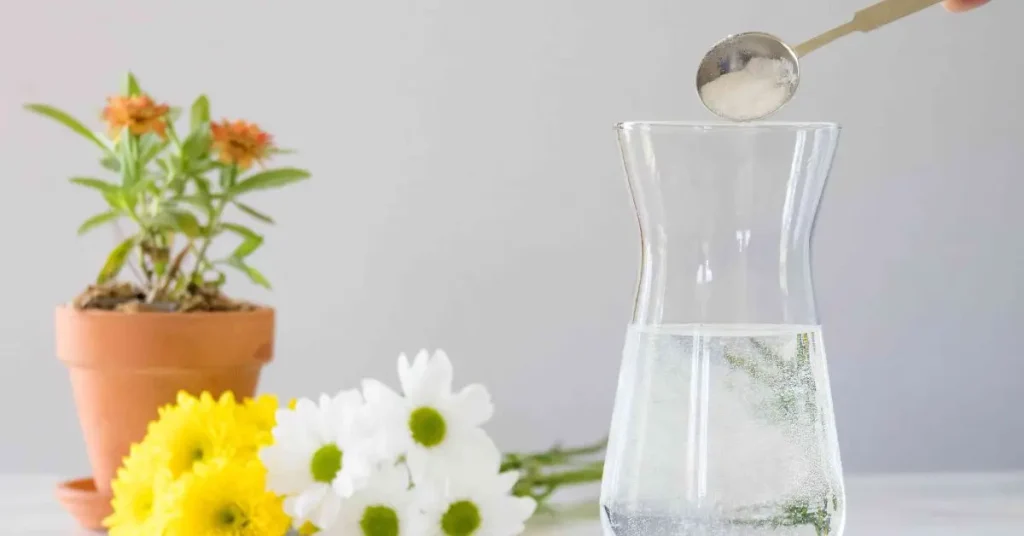
The first time I heard about pouring sugar water on plants, it was in a quick gardening “hack” video that promised miracle growth. At first, it sounded clever—plants use sugar for energy, so why not feed them directly? But after years of digging through research and trying things myself, I’ve learned that what looks like common sense online often hides a mess of half-truths.
You’ve probably seen the same claims: sugar water makes flowers last longer, revives dying leaves, or helps roots grow faster. It’s easy to want a quick fix, especially when you’re staring at a plant that feels beyond saving. But the truth is more complicated than a viral tip or a catchy headline.
In this article, I’ll walk you through what actually happens when you add sugar to your watering can—where the idea comes from, what science and real gardeners say, and whether it’s worth trying at all.
Have you ever tried sugar water on your plants? Did it work—or just leave you with ants and disappointment?
Why Gardeners Are Talking About Sugar Water
If you spend even a little time on TikTok or in Reddit plant forums, you’ll notice one hack that keeps coming back: pour sugar water on your plants and watch them bounce back overnight. The idea has taken off because it feels simple, cheap, and almost magical—like giving your plants a shot of espresso.
I’ve seen people swear that sugar water:
- Brings drooping leaves back to life
- Extends the vase life of cut flowers
- Boosts root growth in seedlings
What Science Says About Plant Nutrition & Sugars?
Here’s where we need to zoom out. Plants already make their own sugar every single day through photosynthesis. When sunlight hits the leaves, they convert water and carbon dioxide into glucose—their fuel for growth, repair, and survival.
The important part? Plants are designed to produce and manage this energy internally. Pouring sugar into the soil doesn’t simply “top up” their tank. In fact, external sugar can actually create problems.
From a scientific perspective (explained well by Botanicare), sugars inside plants do a lot more than just fuel growth:
- They act as signaling molecules, telling the plant how to allocate resources.
- They help regulate developmental stages, from seedling to flowering.
- They’re transported through the plant’s phloem system, reaching every cell that needs them.
But here’s the catch: these sugars are meant to stay inside the plant system. Adding sugar water outside doesn’t slot neatly into this cycle. Instead of giving an “energy boost,” it often disrupts the soil environment, attracting pests and microbes that compete with your plant.
So while the hack sounds logical at first, the reality is that your plant already has the sugar it needs—it just needs light, water, and healthy soil to keep making it.
The Claimed Benefits of Sugar Water for Plants

If you’ve landed here, chances are you’ve already heard the glowing promises around sugar water. On social media and even in casual gardening blogs, people credit it with all sorts of plant miracles:
- Better root development – Some gardeners claim seedlings sprout faster when watered with sugar solutions.
- Longer flower vase life – A sprinkle of sugar in a vase is said to keep cut flowers perky for days.
- Reviving wilting plants – One of the most common claims is that sugar water brings back droopy leaves overnight.
- Boosting soil microbes – A few guides suggest that sugar acts like “food” for beneficial microbes in the soil.
I get why these ideas stick—they sound simple, they play into common sense, and they give us hope when a plant looks like it’s on its last leg. The problem? These benefits are often overstated, and the science doesn’t always back them up. Still, before we tear them apart, it’s important to acknowledge why people believe in them.
The Risks and Downsides Nobody Tells You
Here’s the flip side that doesn’t always make it into those quick TikTok tutorials. Sugar water may look harmless, but it can quietly work against your plants:
- Attracting pests – Ants, gnats, and even mold are drawn to sugar. That “sweet fix” can turn into an infestation fast.
- Blocking water absorption – Sugar can interfere with how roots take up water, leaving plants more stressed.
- Disrupting soil balance – Too much sugar feeds the wrong microbes, throwing off the natural ecosystem your plant depends on.
Sugar water can also invite pests like ants and gnats, which makes things even tougher if you’re already dealing with common plant enemies such as spider mites.
As The Spruce points out in their coverage of sugar water myths, there’s little scientific support that this trick improves plant health—and in many cases, it does more harm than good.
The truth is, what looks like an instant pick-me-up can actually set your plants back.
Where Sugar Water Might Work (Special Cases)
That said, sugar water isn’t completely useless. There are a few very specific situations where it might play a role:

- Cut flowers in vases – Florists sometimes use sugar mixed with vinegar to extend vase life. Even then, it’s a short-term trick.
- Transplant shock – Some gardeners test sugar water when moving plants, hoping it eases the stress. The evidence is limited and not conclusive.
- Hydroponic tweaks – In controlled experiments, researchers sometimes test sugars to monitor plant response. But this is far from everyday gardening.
So yes, there are edge cases—but they’re rare, and they don’t translate to everyday plant care in your living room or backyard.
Have you ever tried one of these “special cases” with sugar water—like cut flowers or transplanting? Did it actually work for you, or was it more hype than help?
What to Do Instead for Healthy Plant Growth?
So if sugar water isn’t the miracle solution, what should you be doing instead? The truth is, plants respond far better to proven care routines and natural boosters than to quick fixes.
Here are some options that consistently work:
- Compost tea – A gentle feed packed with nutrients and microbes that improve soil life and root health.
- Seaweed extract – Known to contain natural growth hormones and trace minerals that help plants cope with stress.
- Balanced fertilizer – Designed to give steady nutrition, unlike sugar water, which only creates short-term imbalance.
For a safer DIY solution that actually works, many gardeners use hydrogen peroxide on plants to fight soil pests and improve root health.
But beyond add-ons, the real “secret” is sticking to the basics:

- Sunlight: No supplement can replace the energy plants make from light.
- Watering schedule: Getting this right saves more plants than any hack.
- Soil quality: Healthy, well-draining soil is like a safety net for roots.
Some gardeners also experiment with natural soil amendments like charcoal ash, which can improve drainage and add minerals when used correctly.
Even research published in the National Library of Medicine shows that different types of sugars affect plants in complex ways—sometimes even slowing growth. That’s a strong reminder that tinkering with sugar water isn’t a reliable path to healthier plants.
What plants really need is a stable environment, not a spoonful of sweetness.
Final Verdict – Sugar Water: Hack or Myth?
After looking at the science, the experiments, and the community debates, the answer is clear: sugar water is mostly a myth when it comes to long-term plant health. It might give cut flowers a slightly longer life or play a role in very controlled experiments, but it’s not a replacement for sunlight, healthy soil, and consistent care.
Your plants don’t need a spoonful of sugar—they need the basics done right. If you focus on proper watering, balanced nutrition, and the right environment, you’ll see far better results than any viral hack could promise.
What do you think—have you ever tried sugar water on your plants? Did it help or just bring more pests? Share your experiences in the comments below, and explore more trusted gardening insights on Plant Care Dairy.
Disclaimer: This article is for informational purposes only. Always consult trusted horticulture resources or local experts before trying new plant care methods. Results may vary depending on plant type and growing conditions.