

I’ll be honest with you—charcoal wasn’t something I ever thought belonged in a garden. I used to see it only as fuel for a grill or a black smudge in a fireplace. But then I started noticing conversations in gardening groups and Reddit threads where people swore that a handful of charcoal in the soil changed everything—from healthier roots to fewer pests in their pots. That got me curious.
If you’ve ever struggled with plants that keep getting root rot, or soil that dries out too quickly no matter how much you water, you’ll understand why gardeners are turning to this simple, ancient material. Charcoal doesn’t just sit there; it works quietly in the background—soaking up toxins, holding onto nutrients, and giving roots the breathing space they need. It’s not magic, but it feels close.
And here’s the thing: while most guides out there just say “add charcoal to your soil,” they rarely explain why it works or what kind you should actually use. That’s the gap I want to close for you. Because once you know the science behind it—and the mistakes to avoid—you’ll see that this isn’t just another garden trend. It’s a tool that can help you grow stronger, healthier plants with less stress.
So let me ask you—if one small change could make your plants more resilient against pests and improve the soil at the same time, wouldn’t you want to try it?
What Exactly is Charcoal for Plants? (And Types You Should Know)
When I first heard people talking about using charcoal in their soil, I thought—wait, you mean the same stuff we toss into a grill? Not exactly. There are a few very different kinds of charcoal, and knowing which one belongs in your garden can save you from a lot of mistakes.
Here’s a quick breakdown:
- Plain Charcoal – The simplest form, created by burning wood in low oxygen. It’s porous and can improve soil structure, but only if it’s clean and untreated.
- Activated Charcoal – Heated to make it extra porous, often used in aquariums and for filtering toxins. Great at absorbing impurities in soil and preventing root rot.
- Biochar – Made specifically for agriculture. It stores nutrients, boosts microbial life, and has long-term benefits for soil health. Think of it as a soil conditioner that lasts for years.
- Horticultural Charcoal – Sold in garden centres, usually made from hardwood. It’s the go-to choice for potted plants, orchids, and terrariums.
A word of caution: grill or BBQ briquettes are not safe for your plants. They often contain chemicals, binders, or lighter fluid that can damage roots. Stick to garden-safe options like horticultural charcoal or biochar.
If you’re unsure, just remember: garden-safe charcoal is natural and untreated; BBQ charcoal is not.
Key Benefits of Charcoal for Plants
Now, let’s get into why so many gardeners are mixing charcoal into their soil.
Improves Soil Drainage & Aeration

Have you ever had a plant suffocate because the soil stayed soggy for too long? Charcoal’s porous structure creates tiny air pockets that help roots breathe and prevent water from pooling. It’s like giving your soil lungs.
- Better oxygen flow means stronger root systems.
- Reduces the risk of root rot caused by compacted, wet soil.
Retains Nutrients & Moisture
One of the smartest things charcoal does is act like a sponge. It grabs onto nutrients and water, then slowly releases them back to the roots when the plant needs them. Research highlighted by Harvard University shows biochar can significantly improve soil fertility and water retention.
- Less fertilizer waste—you get more out of what you add.
- Your plants stay hydrated longer, even in hot weather.
Pest & Fungus Control
If you’ve dealt with fungus gnats buzzing around your pots, you’ll know how frustrating it can be. Charcoal creates an environment where many harmful fungi and pests struggle to thrive.
On Reddit gardening threads, I’ve seen people share how adding a thin layer of charcoal to their soil kept gnats away and even helped rescue plants suffering from root rot.
- Acts as a natural barrier against soil-borne pests.
- Absorbs toxins and helps keep roots healthy.
Balances Soil pH
Some soils are too acidic, and that makes it hard for plants to absorb nutrients properly. Charcoal can neutralise excess acidity and bring the pH closer to balance.
- Plants get better access to nutrients.
- Less chance of yellowing leaves caused by nutrient lock-out.
Charcoal isn’t just one thing—it’s a toolbox. Whether you need better drainage, fewer pests, or healthier soil, the right type of charcoal can quietly solve problems that frustrate gardeners every day.
How to Use Charcoal in Your Garden (Step-by-Step)
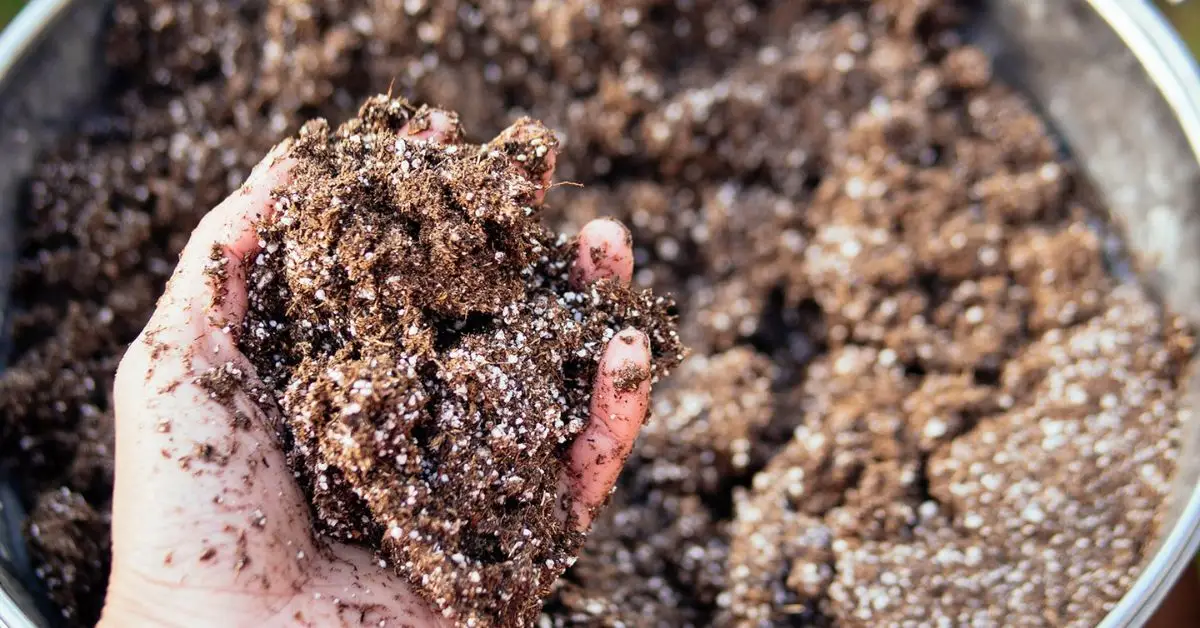
When I first tried adding charcoal to my garden, I assumed I could just toss it into the soil and see results. But like most things in gardening, technique matters. Used the right way, charcoal can transform your soil and protect your plants.
1. Potting Mix Recipe with Charcoal
- Combine equal parts potting soil, compost, and perlite.
- Add about 1 part horticultural charcoal (crushed into small pieces).
- Mix well so it’s evenly distributed.
This creates a light, well-draining mix that won’t suffocate roots. Just like charcoal can condition your soil, even simple home remedies such as using rice water for plants can give them a quick nutrient boost.
2. Layering at the Bottom of Pots
- Before filling a container, spread a one-inch layer of charcoal at the bottom.
- Then add your potting mix on top.
This layer acts like a filter: it helps excess water drain and stops the soil from going sour.
3. Mixing Biochar into Garden Beds
- Scatter biochar over your soil surface.
- Work it into the top 6–8 inches of soil with a spade or fork.
- For best results, soak the biochar in compost tea or liquid fertilizer before adding it—this “charges” it with nutrients.
Unlike quick fixes, biochar keeps improving soil structure for years.
4. Dosage: How Much to Use
- In pots: 5–10% of your total soil mix.
- In garden beds: roughly 1 cup per square foot, mixed into the soil.
More isn’t better here. Too much charcoal can temporarily tie up nutrients, so stay moderate.
Charcoal as Natural Pest Control
I’ve battled fungus gnats and root rot more times than I care to admit. Charcoal turned out to be one of the simplest defenses I’ve found.
- Prevents Root Rot – By soaking up extra water, charcoal keeps the soil from staying soggy, which is what rot thrives on.
- Fungus Gnat Control – A thin top layer of charcoal chips can block gnats from laying eggs in your soil.
- Absorbs Toxins – Activated charcoal traps harmful compounds, giving roots a cleaner environment.
Pro Tip: Pair charcoal with neem oil. Charcoal keeps the soil balanced, while neem oil interrupts pests’ breeding cycles. Together, they work like a natural double-shield.
Soil Improvement & Sustainability Angle
Charcoal isn’t just about short-term fixes. It’s a long-term investment in soil health and the environment.
- Boosts Fertility – Biochar holds nutrients in place, releasing them gradually instead of letting them wash away.
- Locks Carbon – Every handful of biochar you add helps trap carbon in the soil, reducing greenhouse gases.
- Eco-Friendly Choice – Unlike chemical fertilizers, biochar is stable and lasts for decades.
A study published in Springer’s Environmental Science and Pollution Research found that biochar not only boosts soil fertility but also cuts down on pesticide leaching, meaning fewer harmful chemicals end up in groundwater. In other words, by improving your garden, you’re also making a small but real contribution to the environment.
Common Mistakes & Myths About Using Charcoal
When I first started reading about charcoal for plants, I nearly made some rookie mistakes that could have ruined my soil. These are the most common ones I see gardeners falling into:

Myth: Any BBQ Charcoal Works: Not true. Most briquettes are packed with chemicals, binders, or lighter fluids. These additives can harm or even kill your plants. Garden-safe charcoal is untreated hardwood charcoal, horticultural charcoal, or biochar.
Mistake: Adding Too Much Charcoal: Charcoal is powerful, but overdoing it can backfire. Adding more than 10% to a potting mix can temporarily tie up nutrients, leaving your plants looking pale or weak. Not every natural additive works for every plant—while charcoal is generally safe, some plants actually react badly to certain DIY hacks like coffee grounds in soil. Moderation is key—think of charcoal as a supplement, not the main ingredient.
Charcoal Ash vs. Biochar: Many people confuse ash with biochar. They’re not the same. Ash is the powdery residue left after wood burns completely, and it can quickly raise soil pH. Biochar, on the other hand, is stable carbon that stays in the soil long-term. As The Spruce points out, ash from lump charcoal can sometimes help balance acidity, but briquette ash should never be used because of its additives. If you’re curious about other soil amendments, check out our guide on wood ash for plants to see when it helps and when it can do more harm than good.
Final Takeaway – Is Charcoal Worth Adding to Your Plants?
If you’ve ever dealt with soggy soil, yellowing leaves, or endless fungus gnats, charcoal can be a game-changer. It improves drainage, balances pH, retains nutrients, and even protects against pests—all in one simple, natural step.
My advice? Start small. Try adding charcoal to a few potted plants first. Watch how the soil feels fresher and the plants respond. Once you see the results, you can scale up to garden beds with more confidence.
Charcoal won’t solve every gardening problem, but when used right, it’s one of those quiet helpers that can make your plants healthier and your soil stronger for years to come.
What about you—have you ever tried adding charcoal to your plants? Did it help with pests or soil health? Share your experiences in the comments below, we’d love to hear them.
For more practical gardening tips, plant science insights, and DIY care guides, visit us anytime at Plant Care Dairy.
Disclaimer: The information shared in this article is for general gardening purposes only. Results may vary depending on soil type, plant species, and local conditions. Always use garden-safe charcoal products and consult local experts if unsure.