
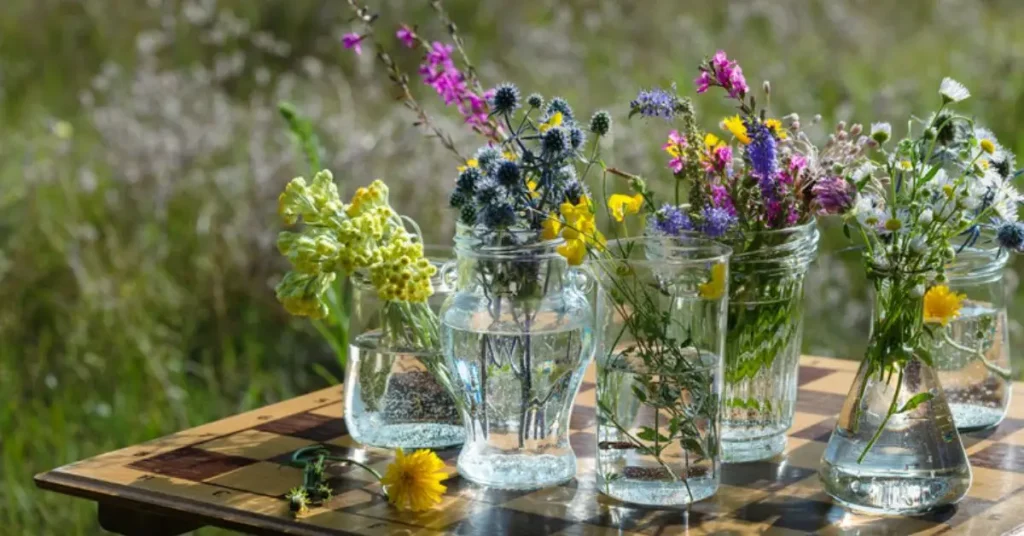
I’ll be honest with you—I used to think edible flowers were just for chefs or people with sprawling gardens. Then I moved into a tiny apartment with barely enough space for a chair on the balcony, let alone a garden, and I realised how wrong I was. The truth is, you don’t need a backyard or a green thumb to grow blooms you can actually eat. A few well-chosen flowers in pots or boxes can transform the smallest balcony, kitchen shelf, or sunny window into a colourful, edible patch of joy.
If you’ve ever felt frustrated buying flowers that wilt in days, or wished you could pick something fresh to brighten a salad or cup of tea, you’re not alone. I’ve made the same mistakes—overwatering, cramming too many plants together, or simply picking the wrong varieties. But once I learned which flowers thrive in tight spots, and how to set them up for success, it became one of the easiest and most rewarding parts of home life.
So here’s my question for you: have you ever tried growing something edible in a pot or windowsill, only to watch it fail?
Why Edible Flowers Belong in Every Small Space
When you’re short on room, every inch counts—and that’s exactly why edible flowers shine. They don’t just sit pretty on a balcony or windowsill; they work hard for you too.
Here’s what a few small pots can bring into your life:
- Fresh garnishes – pansies for desserts, nasturtiums for salads, calendula for tea.
- Pollinator-friendly blooms – even a tiny balcony can help bees and butterflies.
- Mood boosters – colourful flowers brighten your space and your day.
On top of that, research shows that flowers like nasturtiums and pansies are rich in antioxidants, adding a subtle health benefit to their beauty. And if you’ve ever seen someone scatter edible petals across a dish on Instagram, you know the kind of joy and creativity these tiny plants can spark.
Can Edible Flowers Really Grow in Small Spaces?

Let’s be honest—you probably don’t have a big backyard or a greenhouse. You’ve got:
- A small balcony railing, or
- A windowsill planter, or
- Maybe just a sunny shelf in your kitchen.
And the worries are real:
- Will they actually survive indoors?
- Do I need special tools or skills?
- What if I’ve killed every plant I’ve ever owned?
That’s why this guide is designed for beginners in tight spaces. The focus is on low-maintenance, safe-to-eat, compact flowers that actually thrive in containers. It’s not about endless lists of exotic plants—it’s about giving you realistic, foolproof options. For example, Real Simple highlights just how easy it is to start with a few edible flowers at home, and here we’ll go further to show you how to make them flourish even when space is limited.
Choosing the Best Edible Flowers for Small Spaces
When space is tight, the easiest way to succeed is to start with flowers that don’t demand much. You want plants that grow quickly, stay compact, and give you something useful in the kitchen.
Some of the best options include:
- Nasturtiums – peppery leaves and flowers, great in salads.
- Pansies – colourful petals with a mild, sweet flavour.
- Violas – small but long-lasting, perfect for desserts.
- Marigolds – bright blooms with a citrusy tang.
- Calendula – petals add earthy flavour to teas and soups.
- Borage – star-shaped flowers with a cucumber-like taste.
These varieties thrive in containers because they have shallow roots, grow quickly, and don’t need heavy care. You’ll get both edible parts and cheerful colour without worrying about constant upkeep. If you enjoy experimenting with new plants, you might also like learning how to grow roses from cuttings at home in 10 easy steps—another rewarding way to bring colour into small spaces.
Setting Up Your Mini Flower Garden—Step by Step
You don’t need a big garden bed to enjoy edible flowers. A balcony, a sunny kitchen corner, or even a railing box can be enough. Here’s how to set yourself up for success:
Step 1 — Pick the Right Containers

- Use lightweight pots, railing boxes, or even recycled jars.
- Make sure every container has drainage holes to prevent soggy soil.
Step 2 — Soil & Drainage Basics
- Choose a high-quality potting mix, not heavy garden soil.
- Add a thin layer of pebbles or gravel at the bottom for extra drainage.
Step 3 — Light Hacks for Apartments
- South-facing windows are ideal, but east or west works too.
- If sunlight is limited, use compact LED grow lights. And if you’re working with limited light indoors, it helps to know how much sun certain plants really need—like in this guide on aloe vera’s indoor sunlight requirements, which applies the same principles of light care you’ll use for edible flowers.
Step 4 — Watering Without Overkill
- Overwatering is the biggest mistake in small pots.
- Self-watering planters or wick systems keep moisture balanced without drowning roots.
Step 5 — Feeding & Organic Fertiliser Options
- Use diluted organic fertiliser once every 2–3 weeks.
- Liquid seaweed or compost tea works well for flowers in containers.
For more inspiration on how to make edible flowers work beautifully in compact spaces, check out Better Homes & Gardens’ edible landscaping ideas.
Common Mistakes & Myths About Edible Flowers in Pots
Even though edible flowers are beginner-friendly, a few common mistakes can ruin the experience. Let’s clear up the myths so you don’t waste time—or worse, end up with unsafe blooms.
“All flowers are edible” (myth → toxicity warning)
This is one of the biggest misconceptions. Not every pretty flower is safe to eat—some can be toxic. Always stick to trusted edible varieties like nasturtiums, pansies, and calendula. When in doubt, check reliable lists of safe vs. unsafe flowers from university extension sites before planting.
Overcrowding pots kills blooms
It’s tempting to plant as many flowers as possible in one container, but overcrowding leads to weak growth and fewer blossoms. Give each plant enough breathing space, even in a small pot. A single nasturtium in a 6–8 inch pot will often perform better than three crammed together.
Too much fertiliser = more leaves, fewer flowers
Beginners often assume more fertiliser means healthier plants. In reality, overfeeding creates leafy growth at the expense of flowers. Stick to a diluted organic feed every couple of weeks for steady, balanced blooms.
Real growers also share these lessons online. In one thread on Reddit’s r/microgreens, users discuss which flowers actually work for eating and how beginners can avoid common pitfalls. Insights like these—straight from everyday gardeners—are a reminder that even in small spaces, keeping it simple usually leads to the best results.
Small-Space Pro Tips (No Green Thumb Required)

Once you’ve mastered the basics, a few simple hacks can make your flowers thrive with almost no extra effort:
- Use starter kits or grow lights – indoor kits take away the guesswork, and compact LED grow lights keep plants happy even if your apartment doesn’t get much natural sun.
- Rotate flowers seasonally – swap pansies for nasturtiums or calendula as the weather changes. This keeps your balcony or windowsill colourful year-round without exhausting any single plant.
- Try companion planting – combining basil and marigold in the same pot not only saves space but also helps deter pests naturally.
These small tweaks can transform your mini garden from “just surviving” to truly flourishing. Even pro gardeners admit that simple systems like grow lights are game changers in apartments—it’s one of those insider tricks that makes you feel like you’re ahead of the curve.
Safety, Harvesting & Storing Edible Flowers
Because you’ll be eating these blooms, a little extra care goes a long way. Here’s how to keep things safe and fresh:
- Harvest gently – pick flowers in the morning when they’re fully open, using scissors instead of pulling by hand to avoid damaging the plant.
- Wash and dry – rinse the petals under cool water, then pat dry with a clean towel or let them air dry. This removes any dust or pests.
- Store in the fridge – edible flowers don’t last long; keep them in an airtight container lined with a damp paper towel. Most will stay fresh for 2–3 days at best. During extreme summer days, even balcony flowers can suffer, so these heatwave survival tips for plants are worth keeping in mind to protect your blooms.
Taking these steps ensures you get flowers that are not only beautiful but also safe to eat—whether you’re tossing them into a salad, freezing them into ice cubes, or decorating a cake.
Best Edible Flowers by Space & Use
Sometimes you just need the essentials laid out clearly. Here’s a simple guide to help you match each flower to the right space and use:
| Flower | Best For | Container Size | Taste/Use |
|---|---|---|---|
| Nasturtium | Balconies | 6–8” pot | Peppery, great in salads |
| Pansy | Window box | 4–6” pot | Sweet, perfect for cakes & desserts |
| Calendula | Medium pot | 8–10” pot | Earthy, ideal for teas & soups |
This quick glance table makes it easier to decide what to plant where—no second guessing, no wasted space.
Takeaways—Your Balcony Bloom Plan
- You don’t need a large garden—or even much experience—to enjoy edible flowers.
- Begin with just 2–3 reliable varieties and a self-watering pot.
- In as little as six weeks, you’ll have fresh blooms ready to brighten your meals and your mood.
Small steps are all it takes to turn a windowsill or balcony into a colourful, edible garden that feels both practical and rewarding.
Bringing It All Together
Growing edible flowers in small spaces isn’t about perfection—it’s about creating little moments of colour, flavour, and joy in the corners you already have. With the right flowers, simple containers, and a few smart habits, you can transform even a windowsill into a thriving mini-garden. The best part? You don’t need a big garden or years of experience—just curiosity, a few pots, and the willingness to start.
Now I’d love to hear from you: Which edible flower are you most excited to try first—nasturtiums, pansies, or maybe calendula? Share your thoughts in the comments below; your ideas might inspire someone else to begin their own balcony bloom journey.
For more practical guides, small-space gardening hacks, and plant care tips, don’t forget to visit Plant Care Dairy—your go-to spot for making plants thrive, no matter how much (or little) space you have.
Disclaimer: The information in this article is for general educational purposes only. Always confirm that a flower is safe to eat before consuming, as some plants can be toxic. If you have allergies, health conditions, or concerns, consult a qualified professional before adding edible flowers to your diet.