

If you’ve heard mixed advice about sour cherries, you’re not alone. In this guide I cut through the noise and give you clear, actionable steps to plant, care for, and harvest a cold-hardy pie cherry tree (Prunus cerasus) that feeds both your kitchen and your backyard birds.
By the end, you’ll know exactly how to match the right site, sun, and soil to your tree; how to water and prune without stressing it; and how to welcome birds without sacrificing your entire crop. I’ll also share my go-to cultivars, timing for bloom and harvest, and a quick-reference table you can screenshot and use all season.
When I planted my first ‘North Star’ sour cherry on a breezy corner of the yard, I worried the winter winds would do it in. Instead, it shrugged off the cold, bloomed in late spring, and by summer I was harvesting bowls of tart cherries while robins and cedar waxwings sang overhead. With a little planning, you can get the same result.
Why This Cold-Hardy Cherry Belongs In Your Yard
Meet Prunus Cerasus (Pie Cherry)
Prunus cerasus—often called the pie cherry or sour cherry—is a rugged, small-to-medium fruit tree. Most cultivars top out around 8 to 15 feet with glossy, dark-green leaves and lanky, gracefully arching branches. Unlike many sweet cherries, sour cherries are widely adaptable and famously tolerant of cold.
For a detailed overview of cherry types and cultivation basics, the Royal Horticultural Society’s guide to growing your own cherries provides excellent foundational context.
Built For Cold Climates
Pie cherry trees thrive across USDA Zones 3–8 depending on the cultivar. They’re an excellent choice for regions with cold winters and even biting wind chills. Many backyard growers in the upper Midwest and Northeast favor sour cherries because they flower later—reducing risk from spring frosts—and still ripen reliably in summer.
Cold-climate performance and cultivar hardiness are also outlined in this university-backed resource on growing sour cherries.
Why Birds Love Sour Cherries
While bakers prize their tart flavor for pies and preserves, birds adore them, too. The abundant, bright-red fruit provides an irresistible, seasonal food source. Plant one and you’ll likely spot robins, cardinals, and waxwings visiting as fruit colors up. With a few simple strategies, you can share without losing your whole harvest.
Pairing fruit trees with supportive plantings, like those suggested in this guide on plants to attract birds around a bird bath, helps keep birds satisfied and less focused on your main crop.
Right-Sized For Small Spaces
If your garden is tight, you’re in luck. Many pie cherry cultivars come in dwarf and semi-dwarf forms that are easy to net, prune, and harvest. Most sour cherries are also self-fertile, meaning a single tree will set fruit—great news if you only have room for one.
Site, Sun, And Soil Prep
Choose A Cultivar For Your Zone
Before you buy, match cultivar to climate. In colder zones, look for rugged choices like ‘North Star’, ‘Meteor’, or ‘Carmine Jewel’ (a dwarf, ultra-hardy sour cherry). In zones 5–8, classics like ‘Montmorency’, ‘Balaton’, or ‘English Morello’ shine.
Pick Full Sun
These trees crave light. Aim for 8+ hours of direct sun daily to maximize bloom count, fruit color, and sugar development. Less light means fewer flowers and smaller, paler fruit.
Prioritize Drainage
Sour cherries dislike wet feet and are susceptible to root rot. Plant in a well-draining spot and avoid low areas where water lingers after rain. If your soil is heavy clay, build a mounded berm 8–12 inches high and amend with coarse compost for better percolation.
Space Trees For Airflow
Proper spacing reduces disease pressure and simplifies pruning and harvest. Plan 6–12 feet between dwarf trees and 20–24 feet between standard trees. Good airflow dries leaves quickly after rain and discourages fungal problems.
How To Care For Pie Cherry Trees: 9 Smart Tips
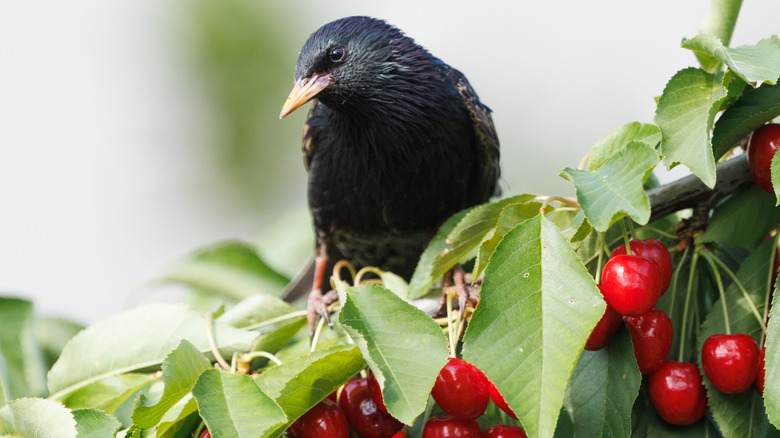
You don’t need an orchardist’s degree to keep a sour cherry happy—just consistent basics. Use these nine field-tested tips to set your tree up for years of fruit and birdsong.
The 9 Smart Tips, At A Glance
- Plant At The Right Time: Set trees in the ground in early spring after the soil has thawed. This gives roots a full season to establish before winter returns.
- Choose Drainage Over Everything: Avoid soggy sites. If in doubt, plant on a raised mound or ridged row to keep roots aerated and dry between waterings.
- Give 8+ Hours Of Sun: Full sun fuels bloom and fruit. In partial shade, expect fewer cherries and more disease pressure.
- Water Deeply, Not Daily: Keep soil evenly moist the first year, then water deeply and infrequently. Watch for overwatering signs like yellowing leaves and a sour, swampy soil smell.
- Stake For The First Two Years: Young trees benefit from staking in windy sites. Remove supports once the trunk thickens and roots anchor firmly.
- Prune Annually After Year 3–5: Once mature, prune every year to remove dead wood, open the canopy, and maintain a strong scaffold for fruiting.
- Feed Lightly, Test First: Sour cherries often need modest nutrition. Use compost or a balanced, slow-release fertilizer only if a soil test indicates a deficiency.
- Space Dwarfs 6–12 Ft; Standards 20–24 Ft: Crowding traps humidity and encourages disease. Give your tree breathing room.
- Protect Fruit Without Harming Wildlife: Use bird netting, harvest promptly, and consider reflective tape or motion spinners to share, not surrender, the crop. If squirrels become part of the problem, these tested strategies on keeping grey squirrels away from plants can help protect ripening fruit.
Planting And First-Year Care
- Dig Wide, Not Deep: Make a saucer-shaped hole 2–3 times wider than the root mass so roots explore loosened soil quickly.
- Set The Root Flare At Grade: The point where trunk flares to roots should sit level with the surrounding soil—never buried. If you want a visual, step-by-step breakdown of proper planting depth and early care, this cherry tree planting guide is a helpful reference.
- Backfill With Native Soil: Resist over-amending the planting hole. Roots should venture out into your native soil, not circle in a rich pocket.
- Mulch Smart: Add 2–3 inches of organic mulch, keeping a bare donut of 3–4 inches around the trunk to prevent rot.
Water, Fertility, And Mulch
- Water On A Schedule You Can Keep: For established trees, soak the root zone once per week during dry spells rather than sprinkling daily.
- Feed For Balance: Over-fertilizing pushes leafy growth at the expense of flowers. If needed, apply a balanced fertilizer in early spring at label rates.
- Refresh Mulch Annually: Top up mulch to conserve moisture, suppress weeds, and moderate soil temperature swings.
Pruning And Training
- Time It Right: Prune in late winter in cold climates or right after harvest in warm regions to minimize disease entry.
- Open The Canopy: Remove crossing, crowded, or shaded interior branches to improve light penetration and airflow.
- Build Strong Scaffolds: Favor 3–4 well-spaced main limbs with wide crotch angles; shorten overly vigorous shoots to balance the tree.
Fruit Protection And Harvest
- Net Thoughtfully: If birds take more than you can spare, drape fine-mesh netting before fruit blushes and secure around the trunk to prevent tangles.
- Pick Promptly: Harvest when cherries are fully colored and taste tart-sweet. Sour cherries do not sweeten much off the tree.
- Share The Edge Drops: Leave windfalls at the dripline for birds, and keep the bulk of your fruit by picking daily at peak ripeness.
Troubleshooting And Bird-Friendly Practices
Signs Of Overwatering And Root Rot
If a pie cherry struggles, water is often the culprit. Overwatering symptoms include yellowing leaves, wilting despite wet soil, and a sour, anaerobic odor from the root zone. Root rot can follow in persistently wet conditions.
- Check Drainage: After watering, soil should feel moist but not sodden; the top inch should dry slightly before the next soak.
- Lift Mulch Temporarily: In very wet periods, pull mulch back to speed surface drying and improve gas exchange.
- Correct Course: Reduce irrigation, prune lightly to balance canopy with roots, and consider a raised berm if the site stays wet.
Pest And Disease Watchouts
Sour cherries are generally tough, but keep an eye out for fungal diseases and borers. Good cultural practices prevent most problems.
- Fungal Issues: Leaf spot, canker, or brown rot thrive in humid, shaded canopies. Prune for airflow, remove mummified fruit, and rake leaves in fall.
- Borers And Chewers: Keep trunks healthy and uninjured; avoid string trimmer damage; use trunk guards in winter where rodents are active.
- Sanitation: Clean pruners between trees and avoid pruning in wet weather to reduce pathogen spread.
Sharing Fruit With Birds (Non-Harmful Strategies)
You planted this tree in part for the birds, so the goal is balance. I aim to harvest my share while leaving some fruit at the margins for wildlife.
- Time Your Netting: Put up netting as soon as fruit begins to color; remove promptly after harvest to avoid wildlife entanglement.
- Use Diversions: Hang reflective tape or old CDs, and place a birdbath nearby so birds drink rather than peck fruit for moisture. Proper placement matters, and avoiding common errors outlined in these bird bath placement mistakes can make diversions more effective.
- Pick Daily: Frequent harvests reduce losses and keep fruit from becoming a disease vector on the tree.
Harvest, Pollination, And Varieties
Bloom And Harvest Calendar
Pie cherry trees typically bloom in late spring and are ready to harvest in summer. Exact timing depends on cultivar and climate, but many home growers pick through late June to July.
Self-Fertile (But Not Lonely)
Most sour cherries are self-fertile, so one tree is enough to set fruit. Still, planting a second tree can improve yields and stagger harvests. Even in a single-tree setup, bees and other pollinators will boost set—skip insecticides during bloom.
Compact Dwarf And Semi-Dwarf Picks
- ‘North Star’: Naturally dwarf, very cold-hardy, heavy producer with rich, tart fruit.
- ‘Montmorency’: Classic pie cherry; prolific, adaptable, and excellent for canning and baking.
- ‘Meteor’: Hardy, semi-dwarf habit; great backyard tree for cold regions.
- ‘Balaton’: Darker fruit with complex flavor; ripens slightly later than ‘Montmorency’ in many climates.
- ‘English Morello’: Late-ripening, intensely flavored fruit with high pie and jam appeal.
- ‘Carmine Jewel’: Ultra-hardy, compact shrub-form sour cherry with deep, wine-colored fruit.
When And How To Harvest
- Color And Taste First: Pick when cherries are fully colored and taste bright-tart; they won’t sweeten much off the tree.
- Harvest Gently: Snip clusters with scissors or pinch stems to avoid tearing spurs that bear next year’s flowers.
- Process Promptly: Refrigerate or pit and freeze the same day for best flavor and texture.
Regional And Legal Considerations
USDA Zones And Microclimates
Remember that USDA Zones 3–8 are guidelines; your yard can be warmer or cooler depending on wind, exposure, and reflected heat. Plant on slightly elevated ground and avoid frost pockets for better spring bloom survival.
Wind And Winter Care
Pie cherries tolerate wind well, but young trees benefit from staking for the first two years. In very cold winters, a layer of mulch over the root zone moderates freeze–thaw cycles, and white trunk guards prevent sunscald.
Invasive Alerts In Maryland And Virginia
Some jurisdictions consider pie cherry trees invasive. Notably, Maryland and Virginia list sour cherries as invasive, so do not plant them there. Always check with your local extension or invasive species council before planting.
Small-Space Training And Containers
Short on ground space? Train a dwarf sour cherry on a fence as a fan espalier for easy pruning and harvest. In large containers (15–25 gallons), choose dwarf forms on compatible rootstock, provide excellent drainage, and water attentively in summer.
Conclusion: The Smart Gardener’s Take
Plant With Intention, Then Keep It Simple
Success with sour cherries isn’t about complicated routines—it’s about matching a cold-hardy, self-fertile tree to a sunny, well-drained site and repeating a few simple habits: water deeply, prune annually, and harvest promptly. Do that, and you’ll have pies on the counter and birds in the branches every summer.
Quick Reference Checklist And Table
Checklist You Can Follow Today
- Pick Your Spot: Full sun (8+ hours) with excellent drainage.
- Choose Your Cultivar: Match zone and size; consider ‘Montmorency’ or ‘North Star.’
- Plant In Early Spring: After ground thaws; set root flare at grade.
- Stake Year 1–2: Stabilize in windy sites; remove once anchored.
- Water Wisely: Deep, infrequent soaks; avoid soggy soil and yellowing leaves.
- Mulch And Maintain: 2–3 inches mulch; keep away from trunk.
- Prune Annually: Open the canopy for light and airflow.
- Share With Birds: Net selectively; harvest promptly; use diversions.
- Know Your Laws: Do not plant in Maryland or Virginia; check local regulations.
Summary Table
| Topic | Best Practice | Key Numbers |
|---|---|---|
| USDA Zones | Match cultivar to climate; favor hardy types up north | Zones 3–8 |
| Sunlight | Plant in full sun for bloom and color | 8+ hours daily |
| Soil/Drainage | Well-draining soil; mound in heavy clay | Raise 8–12 in if needed |
| Spacing | Provide airflow to reduce disease | 6–12 ft dwarf; 20–24 ft standard |
| Planting Time | Set trees after soil thaws | Early spring |
| Pruning | Open canopy; remove dead/crossing wood | Start annually after 3–5 years |
| Watering | Deep, infrequent soaks once established | Let top 1 inch dry between soaks |
| Bird Care | Use netting and diversions; pick daily | Apply as fruit colors |
| Legal Note | Avoid planting where invasive | MD & VA: do not plant |
If you found this helpful, I’d love to hear what cultivar you’re planting and how you balance harvests with wildlife. Drop a comment and share your photos—your experience helps other readers. For more practical, no-fuss guides, visit Plant Care Dairy.
Disclaimer: The guidance in this article is for general educational purposes and may not account for your specific site conditions or local regulations. Always consult your local cooperative extension or certified arborist for region-specific recommendations, and verify invasive species rules in your area before planting.