
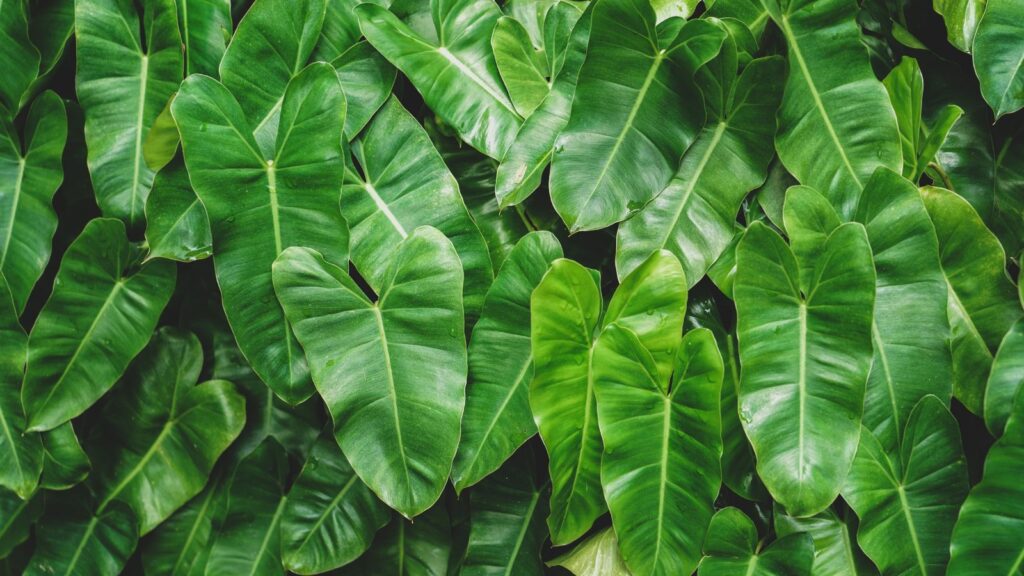
If you’ve been eyeing those lush, plant-filled walls and wondering how to make one that actually thrives, you’re in the right place. My goal here is to cut through the noise and give you clear, actionable guidance to design, plant, and maintain a vertical philodendron wall that looks beautiful and lasts.
By the end, you’ll know how to match the right wall and light to the right philodendrons, how to waterproof and support your setup, and exactly how to water, fertilize, and prune for steady growth. I’ll also share the practical steps and small mistakes to avoid so you can enjoy a stunning wall without constant guesswork.
Quick personal note: When I built my first philodendron wall in a tiny apartment, I underestimated two things—how much water plants need in a vertical setup and how heavy a planted wall gets. Once I added a moisture barrier, better anchors, and a simple drip line, everything clicked. I’ve been refining this process ever since, so you don’t have to learn it the hard way.
Set Your Vision: Indoors or Outdoors?

Know Your Zone and Frost Risk
Philodendrons are tropical understory plants, and most won’t tolerate frost. If you live north of USDA Zone 10, plan to build your wall indoors. Some species can handle brief chill in Zones 8–9, but they’re the exception, not the rule.
In frost-free, tropical regions, you have the luxury of going outdoors, where rain, humidity, and airflow work in your favor. If you’re anywhere that sees frost, keep it inside and keep it cozy.
Light Access and Water Logistics
Outdoors, a wall with gentle morning sun and bright, indirect light for the rest of the day is perfect. Avoid harsh midday rays that scorch leaves. Indoors, a large east- or north-facing window is ideal, and you can always supplement with LED grow lights if needed.
Watering outdoors is simple and less messy; indoors, plan where excess water will go. A drain tray along the bottom and protected flooring make maintenance painless.
Load-Bearing and Moisture Safety
Vertical gardens get heavy—plants, substrate, hardware, and water add up fast. Choose a load-bearing wall, and always use heavy-duty anchors for your trellis or containers. Protect surfaces from moisture with proper waterproofing (details below). Your future self will thank you.
Pick the Perfect Wall and Light
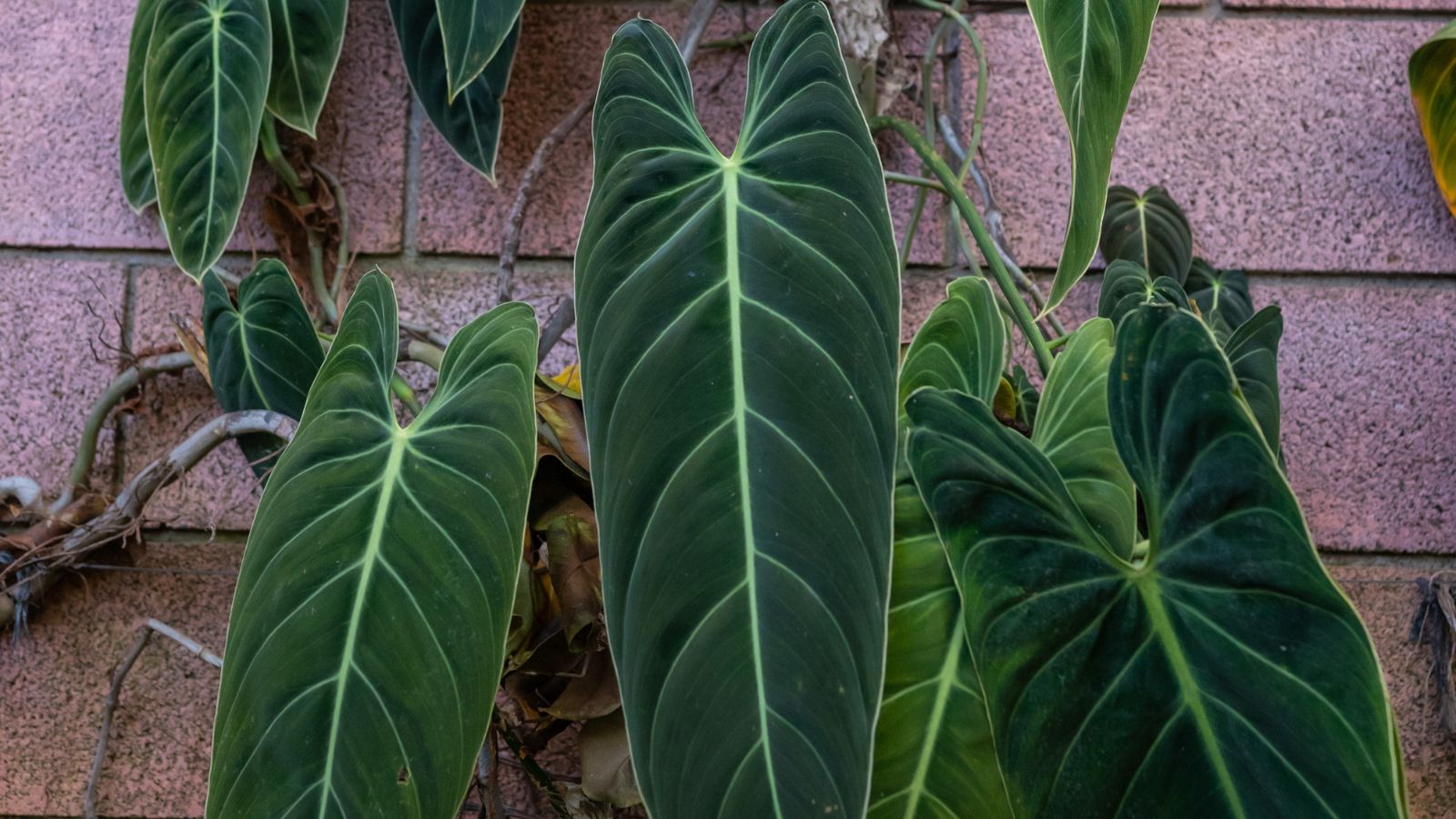
Bright, Indirect Is the Gold Standard
Philodendrons love bright, indirect light. Outdoors, filtered sun or dappled shade is best. A touch of gentle morning sun is fine, but avoid midday scorch. Indoors, aim for bright indirect near a large east or north window; if light is weak, add a full-spectrum grow light set on a 10–12 hour timer.
Wall Materials That Love Moisture
The safest surfaces are brick, concrete, tile, stone, or sealed wood. For a complete guide to designing and building a philodendron vertical wall, including substrate, structure, and plant choices, this resource offers practical examples and detailed instructions. These tolerate occasional splashes and high humidity. Drywall and unsealed wood are risky without treatment—you’ll invite mold and damage.
Add Moisture Barriers and Drainage
When in doubt, overprepare for moisture. Add a moisture barrier such as a pond liner, heavy plastic sheeting, or waterproof backer board. For permanent indoor builds, consider removing drywall behind the wall and installing cement backer board (just like in showers). It’s easy to waterproof and much more durable.
Set a drain tray at the base indoors and consider a simple drip irrigation line to make watering hands-off. Outdoors, proximity to a hose and a timer-based drip system make maintenance effortless.
Install Structure: Trellis vs. Pocket Planters
When a Metal Trellis or Moss Wall Wins
A sturdy metal trellis or modular moss wall is my go-to for a seamless, natural look that encourages vertical growth. Mount it with anchors rated for at least three times the total expected weight. Once installed, fill the grid spaces with sphagnum moss or coco coir as your substrate—both hold moisture well and give roots something to grip.
This approach makes it easier to train vines, maintain humidity around nodes, and hide gaps while plants mature. Over time, the foliage knits together for that lush, living tapestry look.
Pocket Planters for Modular Planting

If you prefer discrete containers, choose plastic pocket planters indoors (lightweight and impermeable) or felt pockets outdoors. Fill with a loose, well-draining potting mix with added perlite or orchid bark for aeration. Pocket systems make it simple to move, replace, or rotate plants as your wall evolves.
Tip: Pre-arrange pockets on the floor until you like the composition. Place faster growers higher and trailers where you want immediate drape; tuck smaller cuttings in the center to fill as they root.
Irrigation, Drainage, and Everyday Ease
Whether you choose a trellis or pockets, a drip line on a timer saves time and delivers even moisture. Indoors, route excess water to a drain tray or catchment. Outdoors, let overflow wick into the ground or a gravel strip.
For moss walls, use a spray bottle with a strong stream rather than a fine mister. You want water to penetrate, not just bead on the surface. Every few months, run a diluted, balanced fertilizer through your watering routine for steady growth and rich color.
Choose the Right Philodendrons

7 Reliable Climbers and Trailers to Start With
- P. hederaceum (Heartleaf Philodendron): Glossy, heart-shaped leaves; fast, forgiving, and perfect for beginners. Trails beautifully and climbs with support.
- P. micans: Velvet-textured, heart-shaped leaves with a soft sheen. Trails or climbs and adds plush texture to any wall.
- P. hederaceum ‘Brasil’: Glossy green leaves with bright lime variegation. Fast-growing, splashy, and great for instant visual pop.
- ‘Pink Princess’: Larger-leaved, striking variegation; more inclined to vertical growth when given a mossy support.
- ‘White Knight’: Bold white variegation and upright tendencies; anchors a focal area on a trellis.
- P. xanadu: A self-heading type that forms a clump. Best placed near the base to create a lush “ground” layer under climbers.
- P. gloriosum: A crawler with large, velvety leaves and striking veining. It runs along the base and sends up show-stopping foliage.
Start with a few forgiving trailers (like heartleaf and micans) and add one or two statement plants for drama. Start with a few forgiving trailers (like heartleaf and micans) and add one or two statement plants for drama; for more on different varieties, see how to grow philodendron houseplants. If you buy one large mother plant, you can propagate cuttings to quickly multiply coverage.
Where to Place Self-Heading Types
Clumping species like P. xanadu and creeping types like P. gloriosum shine at the bottom of the wall. They visually ground the composition and hide lower hardware, trays, and hoses. Let trailers and climbers dominate mid-to-upper zones where they can spill or ascend.
How to Mix Textures and Colors for Depth
Combine velvety leaves (micans, gloriosum) with glossy leaves (heartleaf, ‘Brasil’) for a layered look. Use variegated cultivars like ‘Brasil’, ‘Pink Princess’, and ‘White Knight’ as highlights rather than the entire palette. Balance fast growers with slower statement plants so one doesn’t smother the other.
Care, Maintenance, and Propagation

11 Smart Steps to Build and Maintain Your Wall
- Decide Indoors vs. Outdoors: If you’re north of Zone 10, build indoors. In Zones 8–9, only a few philodendrons can manage cold snaps; most won’t.
- Choose the Bright-Indirect Location: Favor morning sun or bright filtered light. Indoors, use east or north windows and supplement with grow lights if needed.
- Verify Load-Bearing and Waterproofing: Use a structural wall and apply moisture protection (pond liner, plastic sheeting, or cement backer board).
- Plan Water In and Water Out: Install a drip line on a timer and a drain tray indoors; outdoors, ensure runoff has somewhere safe to go.
- Select Your Structure: Go with a metal trellis/moss wall for seamless coverage or pocket planters for modular swaps—or mix both.
- Prep the Substrate: Pack trellises with sphagnum moss or coco coir; fill pockets with a well-draining potting mix enriched with perlite or orchid bark.
- Pick Plants With Purpose: Start with heartleaf and micans, add variegated ‘Brasil’ and structured vertical growers like ‘Pink Princess’ and ‘White Knight’. Place self-heading P. xanadu and crawling P. gloriosum near the base.
- Anchor Hardware Like a Pro: Use heavy-duty anchors rated at least 3× your estimated weight. Plants, wet substrate, and containers are heavier than they look.
- Train Vines to Climb: Press nodes into moist moss and secure gently with soft ties. As aerial roots grab hold, plants naturally turn upright and leaf size increases. For additional tips, check how to help your houseplant climbFor additional tips, check how to help your houseplant climb..
- Water, Feed, and Humidify: Water moss thoroughly with a strong stream rather than a light mist. Every few months, add a balanced fertilizer to the water. Use a humidifier in dry rooms.
- Prune and Propagate: Trim overgrowth to encourage branching. Root cuttings in water or moist moss, then tuck them back into bare spots for faster coverage.
Troubleshooting: Common Issues and Fixes
- Scorched Patches or Faded Variegation: Too much direct sun. Pull the wall back from windows or add a sheer curtain; outdoors, shift to a site with dappled light.
- Yellowing + Wilting Leaves: Often underwatering in moss setups. Increase frequency or add drip irrigation; ensure moss is fully moistened, not just sprayed.
- Yellowing + Mushy Stems: Overwatering or poor drainage. Reduce frequency, improve airflow, and make sure your drain tray isn’t constantly full.
- Pale New Growth: Low nutrients or insufficient light. Feed with a balanced fertilizer at label rates and check your light intensity and duration.
- Leaf Spots or Moldy Smell: Insufficient waterproofing and poor ventilation. Improve barriers, clean up excess water, and add a small fan for air movement.
- Slow Climbing: Vines not contacting moist substrate. Gently pin nodes to the moss or add supports so aerial roots can grab on.
Seasonal Tune-Ups and Growth Checks
In winter, shorten watering intervals but maintain humidity. Keep grow lights on consistent timers. In spring and summer, step up feeding slightly and refresh moss that’s compacted. Re-anchor any wobbly sections and reassess weight-bearing points annually.
Conclusion, Takeaways, and Quick Summary
Smart-Gardener Takeaways
Building a vertical philodendron wall is about getting the fundamentals right—light, structure, moisture, and plant selection. Choose a safe, bright-indirect spot; protect the wall from water; use strong anchors; and pick plants that match the job. With modest pruning, occasional feeding, and steady moisture, you’ll enjoy a calm, tropical focal point that also improves air quality and softens noise.
Most of all, stay curious and iterative. I often tweak irrigation flow, swap in rooted cuttings, and adjust light as the seasons change. Those small, smart adjustments are what keep a living wall lush for years.
Quick-Glance Checklist & Summary Table
- Location: Indoors north of Zone 10; gentle morning sun or bright indirect light.
- Wall Safety: Load-bearing, moisture-protected surface; drain tray indoors.
- Structure: Metal trellis + moss/coir, or pocket planters; anchors rated 3× load.
- Irrigation: Drip line on timer; strong-stream bottle for moss walls.
- Plants: Heartleaf, micans, ‘Brasil’ for coverage; ‘Pink Princess’/‘White Knight’ for drama; xanadu/gloriosum near base.
- Care: Water deeply, fertilize lightly every few months, prune and propagate to fill gaps.
| Topic | Best Practice | Why It Matters |
|---|---|---|
| Indoors vs. Outdoors | Indoors north of Zone 10; outdoors only if frost-free | Prevents cold damage and plant loss |
| Light | Bright, indirect; gentle morning sun OK | Prevents leaf scorch and maintains color |
| Wall Material | Brick, concrete, tile, stone, sealed wood | Resists moisture, reduces mold risk |
| Waterproofing | Pond liner or cement backer board + sealant | Protects structure and finishes |
| Structure | Metal trellis or pocket planters; anchors rated 3× | Supports weight and long-term stability |
| Substrate | Moss/coir for trellis; airy potting mix for pockets | Maintains moisture with good aeration |
| Irrigation | Drip line + drain tray indoors | Consistent moisture, less mess |
| Plant Placement | Trailers/climbers up high; self-heading at base | Balanced growth and composition |
| Propagation | Root pruned cuttings and tuck into gaps | Speeds coverage and reduces cost |
Have questions about your unique space or plant picks? Drop a comment on Plant Care Dairy—I’d love to help you troubleshoot or plan your layout.
Disclaimer: This guide is for educational purposes and reflects my own experience. Always follow local building codes, use appropriate protective gear, and consult a qualified professional for structural or electrical work. Plant availability and performance can vary by region and conditions.