

If you share your garden with a curious dog or cat, it can be tough to tell what’s safe versus what’s stunning-but-dangerous. My goal here is simple: cut through the confusion and give you clear, actionable guidance so you can keep your outdoor space beautiful and pet-safe.
In this guide, you’ll learn which common ornamentals pose the biggest risks, how to spot symptoms quickly, and—most importantly—what to plant instead for color, pollinators, and year-round interest without the stress.
Quick personal note: I’m a long-time gardener and pet parent. When I moved into my current place, I actually removed a few well-established plants—yew among them—because the risk to my dogs wasn’t worth it. Since then, I’ve rebuilt the beds with gorgeous, safe alternatives, and I’ll share my favorite swaps below.
The 12 Plants To Avoid—At A Glance
- Lily of the Valley (Convallaria majalis)
- Foxglove (Digitalis purpurea)
- Monkshood/Wolfsbane (Aconitum spp.)
- Azalea/Rhododendron (Rhododendron spp.)
- Yew (Taxus baccata)
- Daffodil (Narcissus spp.)
- Tulips (Tulipa spp.)
- Autumn Crocus (Colchicum autumnale)
- Lords-and-Ladies (Arum maculatum)
- Hellebores (Helleborus spp.)
- Hydrangea (Hydrangea spp.)
- Delphinium/Larkspur (Delphinium spp.)
Bulbs And Early-Season Bloomers That Can Hurt Pets
1. Daffodil (Narcissus spp.)

Daffodils are a beloved sign of spring, but they contain lycorine, a toxin most concentrated in the bulbs. Dogs are especially prone to digging and chewing, which raises the risk.
- Risks: Vomiting, diarrhea, drooling; in larger doses, potential cardiac effects.
- Practical steps: Fence off bulb beds year-round, plant bulbs in mesh baskets, or keep daffodils in containers your pets can’t reach.
- Safer swaps: Chamomile for soft mats and pollinators, snapdragons and marigolds for bright color, and even sunny dandelions if you embrace a wildlife-friendly lawn.
If you want more ideas for pet-safe blooms, see our guide on orchids safe for cats.
2. Tulips (Tulipa spp.)

Tulips are gorgeous, but the bulbs contain tuliposides that can irritate skin and inflame your pet’s mouth and gut. For another highly toxic plant to avoid, see our post on belladonna toxicity and safety. The whole plant is unsafe for nibblers.
- Typical signs: Drooling, oral irritation/blistering, vomiting, diarrhea, and abdominal discomfort; severe cases may affect heart and breathing.
- How I manage: I avoid tulip beds where my dogs roam and reserve tulips for fenced or container displays on the porch.
- Safer swaps: Echinacea/purple coneflower and calendula (pot marigold) for season-long blooms with regular deadheading.
3. Autumn Crocus (Colchicum autumnale)

Pretty and petite, autumn crocus hides a powerful punch: colchicine. Even small amounts can cause severe GI upset, neurological issues, and multi-organ failure.
- Why it’s tricky: Symptoms can be delayed by days, making it harder to connect exposure with illness.
- My rule: I dig these out on sight with gloves and carefully dispose of corms; they’re simply not worth the risk.
- Safer swaps: Lavender, sage, and rosemary for aroma and pollinators; asters (including China aster) for late-season color.
Woodland And Shade-Lovers To Keep Out Of Paws’ Reach
4. Lily Of The Valley (Convallaria majalis)

Charming bells, serious danger: this plant is loaded with cardiac glycosides—especially in the red berries. It’s also an aggressive spreader, which increases exposure.
- Risks: Vomiting, lethargy, and potentially fatal heart rhythm disturbances in both dogs and cats.
- Containment tips: Remove rhizomes thoroughly and monitor for resprouts; don’t allow berries to drop where pets roam.
- Safer swaps: Creeping thyme for shade-tolerant groundcover and cleavers to quickly fill gaps (manage spread). My dogs love to nibble young cleaver tips!
5. Foxglove (Digitalis purpurea)
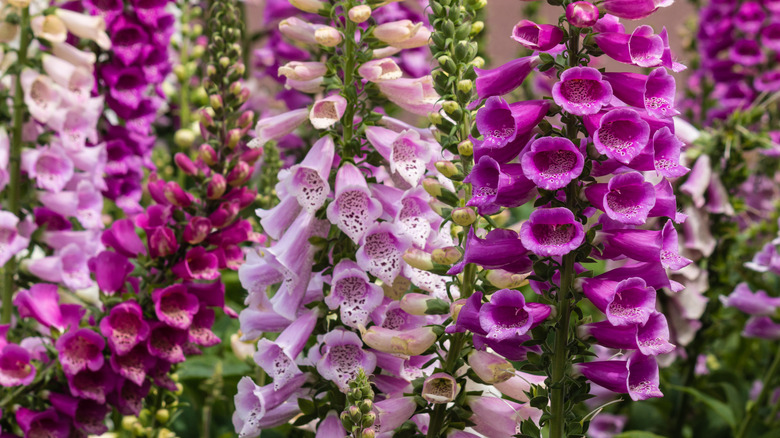
It’s hard not to love foxglove, but it concentrates digitalis glycosides that directly affect the heart. Even dried seed heads are unsafe.
- Key symptoms: Vomiting, irregular heartbeat, collapse; ingestion can be fatal.
- When in doubt: Keep foxglove out of pet areas entirely—fencing isn’t foolproof with windblown seeds.
- Safer swaps: Salvias such as Salvia nemorosa ‘Caradonna’ and pineapple sage for vertical color and pollinators. Aromatic foliage can also deter pests.
6. Monkshood/Wolfsbane (Aconitum spp.)
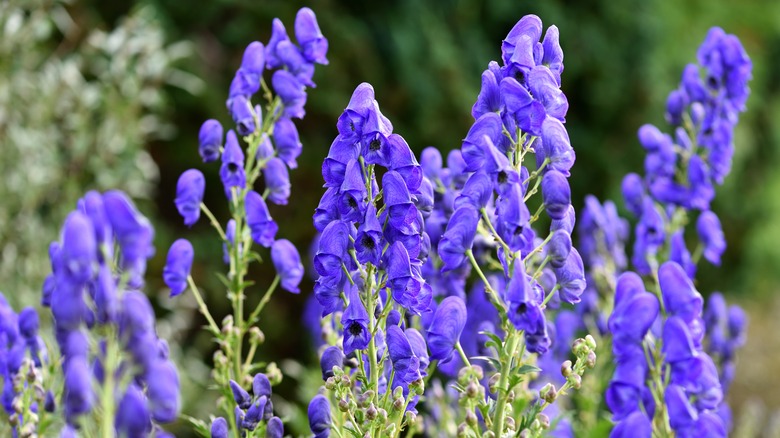
Monkshood is notorious for diterpenoid alkaloids that can cause tremors, heart failure, and death. Even skin contact with sap can irritate.
- Serious caution: Wear gloves to handle or, better yet, remove it completely—this plant has a long history as a poison.
- Pet-safe alternative: Campanula (Canterbury bells and other varieties) for similar hues and bell-shaped blooms.
- Bonus: Campanulas range from rockery-size to large border stars, so you can match the look you love without the risk.
Shrubs, Trees, And Hedges With Hidden Risks
7. Azalea/Rhododendron (Rhododendron spp.)

These popular shrubs contain grayanotoxins in every part, including fallen leaves. Some species are invasive in certain regions, too.
- Symptoms: GI upset, neurological effects, and potential heart failure after only a few bites.
- If you keep one: Fence securely, trim routinely, and rake leaves promptly—clippings remain toxic.
- Safer swaps: Buddleja (butterfly bush) for easy care and pollinators; many hibiscus are pet-safe (avoid Rose of Sharon), with Hibiscus sabdariffa a commonly safe culinary choice.
8. Yew (Taxus baccata)
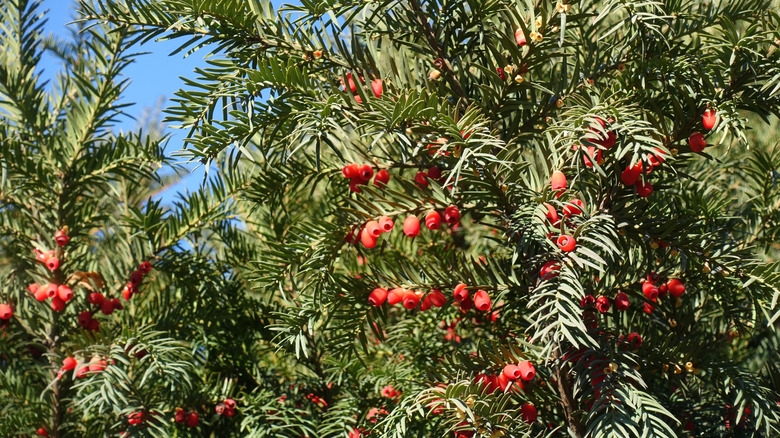
All parts of yew are highly cardiotoxic. The bright red arils drop and attract dogs, and even small amounts of needles or clippings can be deadly.
- House rule: I removed yew near pet areas; if you keep it, block access, clear fallen needles, and net lower branches during seed drop.
- Safer hedges: Hornbeam, western red cedar, beech, hawthorn, or hazel (with the bonus of homegrown hazelnuts once established!).
9. Hydrangea (Hydrangea spp.)

Hydrangea contains the cyanogenic glycoside amygdalin, which can metabolize into cyanide. Onset can be rapid and life-threatening without treatment.
- Watch for: Fast heart rate, rapid breathing, muscle spasms, and gums that look bright red to bluish.
- Management: Remove if pets have access; if you keep it, fence firmly and bag all trimmings immediately.
- Safer swap: Star magnolia for a spectacular, non-toxic spring show.
Fancy Perennials With Serious Side Effects
10. Lords-And-Ladies (Arum maculatum)
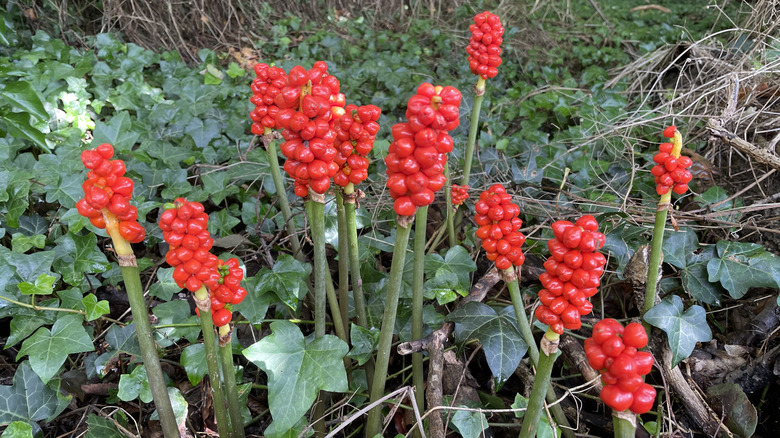
This shade plant’s showy red-orange berries are packed with insoluble calcium oxalates that trigger intense oral pain and swelling. Pets may have trouble breathing after even a few berries.
- Removal tips: Wear gloves and dig carefully; it can reshoot from tiny tuber pieces, so monitor and repeat as needed.
- Safer swaps: Coral bells (Heuchera) for colorful foliage in shade, or other shade-tolerant companions mentioned above.
11. Hellebores (Helleborus spp.)
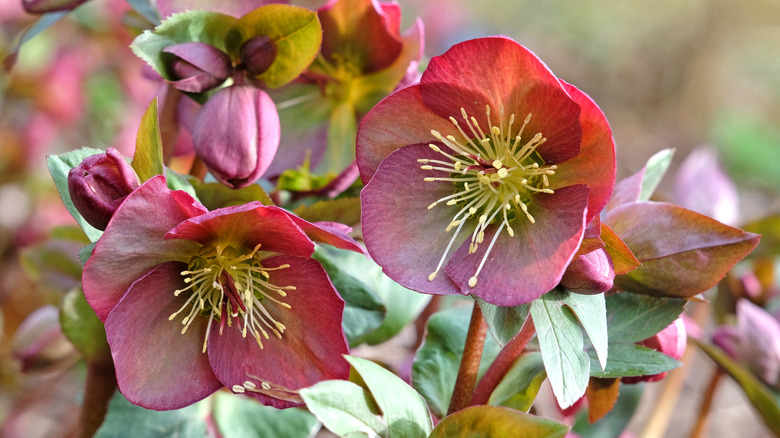
Hellebores are elegant winter bloomers, but they harbor multiple toxins, including cardiac glycosides and saponins. Any ingestion can lead to trouble.
- Signs: Drooling, abdominal pain, vomiting, diarrhea, depression; cardiac issues are possible.
- Handling: Wear gloves when digging rhizomes—they can irritate skin. Replace with safer winter interest.
- Safer swaps: Heather, lavender, or coral bells. Lavender also traps snow on stems, insulating itself and neighbors.
12. Delphinium/Larkspur (Delphinium spp.)
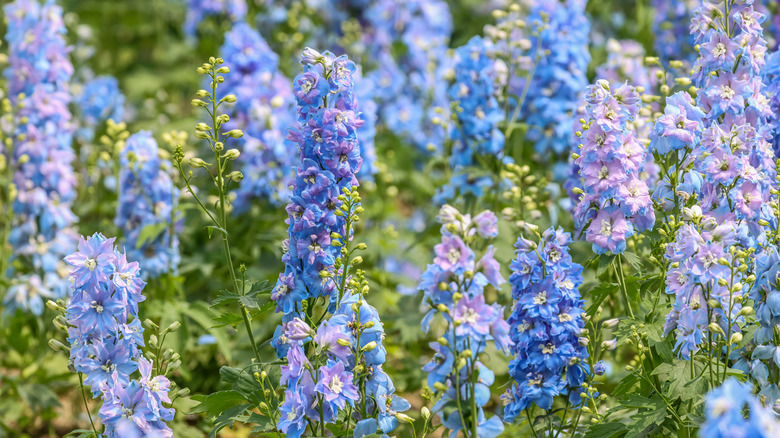
Delphinium’s spires are stunning, but the plant contains diterpene alkaloids that can cause neuromuscular paralysis. Young plants are most concentrated, yet mature plants still pose risks.
- Symptoms: Stiffness, tremors, constipation, respiratory paralysis, seizures, and even heart failure.
- Clean-up counts: Collect all spent flowerheads and foliage; toxins remain in drying debris.
- Safer swaps: Salvia nemorosa ‘Rose Marvel’ for vertical color; also consider buddleja or campanula for pollinator-friendly impact.
Smart, Pet-Safe Gardening Wrap-Up
Quick-Action Checklist
- 1. Audit your beds: Use the 12-plant list above to identify anything risky in pet areas.
- 2. Prioritize removals: Pull the most dangerous first (e.g., yew, monkshood, autumn crocus). Wear gloves. For a more detailed guide on protecting pets from garden toxins, see this resource from Pet Poison Helpline.
- 3. Block access now: Fence, net, or gate off suspect zones until you can replant safely.
- 4. Replant with purpose: Choose the safer swaps listed for color, pollinators, and low maintenance.
- 5. Maintain clean edges: Bag trimmings; rake berries, needles, and seedheads promptly. Maintaining a pet-safe garden also means managing pests safely; see our guide on removing fungus gnats without harming pets.
- 6. Train and redirect: Discourage digging and nibbling; offer safe chew toys and designated dig pits.
- 7. Know the signs: Keep the symptom lists handy and act fast if you see them.
Summary Table: Toxic Plants, Toxins, Symptoms, And Safer Swaps
| Toxic Plant | Main Toxin | Top Symptoms | Safer Swap(s) |
|---|---|---|---|
| Lily of the Valley | Cardiac glycosides | Vomiting, lethargy, heart rhythm issues | Creeping thyme; cleavers (managed) |
| Foxglove | Digitalis glycosides | Irregular heartbeat, collapse | Salvia nemorosa ‘Caradonna’; pineapple sage |
| Monkshood | Diterpenoid alkaloids | Weakness, tremors, heart failure | Campanula (Canterbury bells & others) |
| Azalea/Rhododendron | Grayanotoxins | GI upset, neuro signs, heart issues | Buddleja; many hibiscus (avoid Rose of Sharon) |
| Yew | Cardiotoxic compounds | Sudden illness, potential death | Hornbeam, western red cedar, beech, hawthorn, hazel |
| Daffodil | Lycorine | Vomiting, drooling; possible cardiac effects | Chamomile; snapdragons; marigolds; dandelions |
| Tulips | Tuliposides | Oral blisters, GI upset; severe cases affect heart/breathing | Echinacea (coneflower); calendula |
| Autumn Crocus | Colchicine | Severe GI and neuro signs; organ failure | Lavender; sage; rosemary; asters |
| Lords-and-Ladies | Insoluble calcium oxalates | Intense oral pain, swelling, breathing difficulty | Coral bells (Heuchera) |
| Hellebores | Cardiac glycosides, saponins | Drooling, vomiting, diarrhea; cardiac issues | Heather; lavender; coral bells |
| Hydrangea | Amygdalin (cyanogenic) | Rapid breathing/HR, spasms, discolored gums | Star magnolia |
| Delphinium | Diterpene alkaloids | Stiffness, tremors, respiratory paralysis | Salvia ‘Rose Marvel’; buddleja; campanula |
For additional details on toxic plants and symptoms, visit Two Rivers Veterinary Hospital.
When To Call The Vet
- Immediate action: If you see your pet chew a toxic plant or show sudden GI/neurological signs, call your veterinarian or a poison helpline right away.
- Bring details: Plant name (or a photo), what part was eaten, and an estimate of how much and when.
- Do not induce vomiting unless your vet specifically instructs you to do so.
For practical tips on preventing pet poisoning in your garden, check out BattLab.
Join The Conversation
I’d love to hear what you’re growing and how you’re keeping pets safe. Share your wins, challenges, and favorite swaps in the comments on Plant Care Dairy—your ideas help the whole community grow smarter.
Disclaimer: This article is for educational purposes only and is not a substitute for professional veterinary advice, diagnosis, or treatment. If you suspect your pet has ingested a toxic plant, contact your veterinarian or an emergency poison control service immediately.