

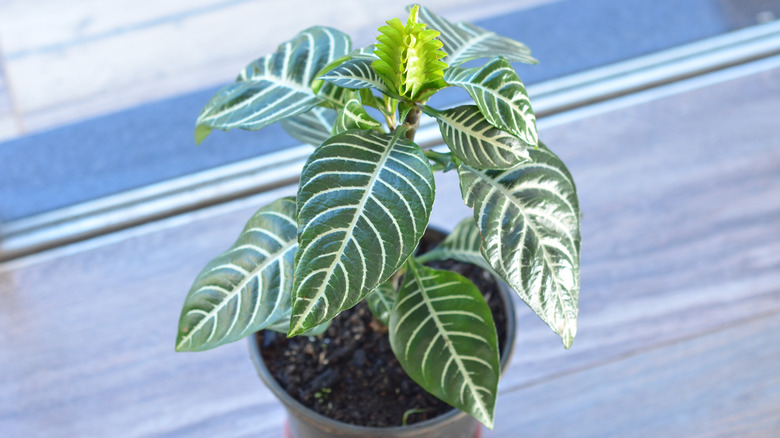
If you’ve ever wondered why your beautiful zebra plant (Aphelandra squarrosa) looks dramatic one week and sulky the next, you’re not alone. The goal of this guide is simple: cut through the confusion and give you clear, actionable watering advice that keeps those bold, patterned leaves glossy and the yellow bracts coming back.
In the next few minutes, you’ll learn exactly when to water, how much to use, and what to avoid—plus how to tweak your routine for seasons, potting mix, and your home’s environment. I’ll show you the practical checks I rely on every week so you can stop guessing and start growing.
When I brought home my first zebra plant, I loved it a little too hard. I watered often “just to be safe,” and the bottom leaves browned and dropped within weeks. Once I adjusted my timing, switched to room temperature water, and improved drainage, the plant bounced back—teaching me that this species prefers constant, even moisture, not sogginess.
Why Watering Zebra Plants Is Tricky
Constant Moisture, Not Soggy Soil
Unlike true drought-tolerant houseplants, zebra plants appreciate consistently moist soil for most of the year. The trick is to keep the potting mix lightly damp without crossing into waterlogged territory. Letting the soil go bone-dry will cause leaves to wilt and flower performance to decline. If you’re interested in comparing watering habits, you might also explore the care tips for the Gasteria Limpopo Zebra Plant, which has slightly different moisture needs.
- Aim for “evenly moist”: The top 1–2 inches can dry slightly between waterings, but the root zone should remain mildly damp.
- Check by touch: I press a finger 2 inches down. If it’s dry or barely moist, I water thoroughly.
- Use a consistent routine: Weekly checks work well; adjust for season, light, and home humidity.
The Crown Rot Risk Is Real
Overwatering isn’t just a cosmetic problem. Excess moisture, poor drainage, and stagnant water around the root crown can lead to crown rot, which is difficult to reverse. You’ll often see the lowest leaves browning and dropping first when the roots are unhappy.
- Red flags: Mushy stems, a sour smell in the soil, yellowing followed by lower-leaf drop.
- Why it happens: Water sits in compacted mix or a pot without adequate holes, suffocating roots.
- Prevention beats cure: Build in fast drainage and water deeply but less frequently.
Winter Slowdown Changes Everything
After flowering, zebra plants enter a semi-dormant phase in winter. Growth slows, light drops, and evaporation decreases—so the watering schedule must shift. Your plant still dislikes total dryness, but it needs less water than in spring and summer. For a more detailed seasonal care schedule, this guide provides additional tips for watering and light management during your zebra plant’s semi-dormant phase.
- Scale back, don’t shut off: Keep the mix lightly moist, but avoid heavy, soaking waterings.
- Watch the calendar: I move from weekly or twice-weekly in summer to less frequent, lighter drinks in winter.
- Room temperature matters more now: Cold water can shock warm-loving roots during the darkest months.
Make Drainage and Potting Mix Work for You
Pick the Right Pot and Drainage Holes
The fastest way to ruin an Aphelandra is to trap its roots in standing water. Choose a pot with multiple, generous drainage holes and a saucer that you can easily empty. Cachepots (decorative outer containers) are fine as long as they don’t hold runoff.
- Drainage first: If you can’t see several holes, the pot isn’t right for a zebra plant.
- Lift and empty: After every watering, pour off extra water from the saucer or cachepot.
- Right size, not oversized: A pot that’s too big holds extra moisture; size up only when roots fill the current pot.
Blend a Fast-Draining Potting Mix
A standard houseplant mix can work, but zebra plants benefit from added structure. I like combining a quality peat- or coco-based mix with perlite and a bit of orchid bark for airy, quick drainage that still holds even moisture.
- Simple recipe: 2 parts indoor potting mix, 1 part perlite, 1/2 part fine orchid bark.
- Why it works: Perlite and bark increase pore space, speeding drainage and oxygen for roots.
- Bonus tip: Top-dress with a thin layer of fine bark to slow surface evaporation without trapping water.
Use Saucers and Cachepots the Smart Way
Saucers are useful, but they’re not mini reservoirs. A zebra plant should never sit in runoff for more than 10–15 minutes. Standing water encourages root and crown rot and reduces oxygen at the roots.
- Water, wait, then empty: Let excess drain, then discard every drop in the saucer.
- Elevate if needed: Add pot feet or pebbles to keep the pot base above any residual drips.
- Check weekly: Salt and mineral buildup in saucers can splash back; rinse them occasionally.
The 7 Smart Watering Tips That Actually Work
Quick Overview: 7 Rules You’ll Use Every Week
- Probe the Top 2 Inches: Water only when the top layer is dry or barely moist; keep the deeper root zone lightly damp.
- Water Thoroughly, Then Drain: Run water until it flows from the holes, then empty the saucer so roots never sit wet.
- Use Room-Temperature Water: Cold water shocks tropical roots; let tap water sit 12–24 hours to warm and off-gas chlorine.
- Adjust by Season: In winter’s semi-dormant phase, give smaller, less frequent drinks to maintain gentle moisture.
- Prioritize Drainage Over Frequency: A fast-draining mix and proper pot protect against crown rot better than “tiny sips.”
- Boost Humidity Separately: Use a pebble tray or humidifier instead of overwatering to fight crispy tips.
- Watch the Leaves and Keep Notes: Droop plus dry soil = underwatering; yellowing and lower-leaf drop with wet soil = overwatering—track patterns in a simple log.
How I Apply These Tips in Real Life
I set a Sunday reminder to do a quick soil check on all moisture-loving plants. My zebra plant gets the finger test first; if it’s dry at 2 inches, I water slowly until I see a steady stream from the drainage holes. I pour off the saucer and make a two-word note like “lightly dry.” For similar care routines with other patterned houseplants, check out how to keep your Calathea Zebrina thriving indoors.
When winter hits, I reduce the volume but keep the rhythm. I still check weekly, but I often only add enough to moisten the mid-layer of the mix. Switching to room temperature water made a night-and-day difference in leaf perkiness—no more post-watering droop.
Common Mistakes to Avoid
- Watering on a strict calendar: Your home’s light and humidity change weekly—let the soil, not the clock, make the call.
- Using cold tap water: It can shock the plant, especially in winter, leading to limp leaves and stress.
- Letting the pot sit in runoff: Even 30–60 minutes of standing water can set the stage for rot.
- Overcompensating for dry air with water: Increase humidity separately; don’t drown the roots.
Also, consider this guide on which indoor plants should never be placed together to avoid unintended stress from nearby species.
Seasonal Watering and Environment
Winter Semi-Dormant Care
After the flower show, growth slows and the plant’s thirst drops. Keep the soil lightly moist, but skip soaking waterings. Cooler rooms, shorter days, and less airflow all mean water lingers longer in the pot.
- Smaller sips: Add just enough water to re-moisten the mid-root zone.
- Guard against chill: Use room temperature water and keep the plant away from drafts or cold windows.
- Light upgrade: Brighter light in winter improves uptake and reduces the risk of sogginess.
Spring and Summer Growth Pattern
Longer days and higher temps kick the plant into active growth. Evaporation and root uptake increase, so moisture can disappear quickly—especially in bright, indirect light. This is when most zebra plants want more regular watering.
- Check twice a week: In warm, bright rooms, the top 2 inches may dry fast.
- Feed lightly: Moist soil helps prevent fertilizer burn; apply diluted houseplant feed during active growth only.
- Airflow counts: Gentle air movement helps the surface dry evenly without stressing the plant.
Temperature, Humidity, and Light Interplay
Zebra plants come from warm, humid forests. They perform best with moderate to high humidity, warm rooms, and bright, indirect light. These factors directly influence how often you’ll need to water.
- Warm + bright = faster drying: Expect more frequent water checks. If your home has dimmer spots, you might find this guide on keeping Peperomia happy on low-light bookshelves useful for optimizing humidity and light.
- Cool + dim = slower drying: Scale back and focus on preventing soggy soil.
- Humidity separate from watering: A pebble tray or humidifier reduces crispy tips without drowning roots.
Troubleshooting: Too Much vs. Too Little Water
Signs of Overwatering
Overwatering is the most common zebra plant problem. The plant may look thirsty, but the roots are suffocating in wet mix. Address it quickly to prevent crown rot.
- Lower-leaf yellowing and drop: Especially if the soil feels wet or heavy.
- Mushy stems or a sour smell: Both signal rot in the root zone.
- Perpetually damp top layer: The mix never dries, even after a week.
Signs of Underwatering
Underwatering usually shows up as dramatic wilting, dull leaf color, and dry, pulling soil. If you’re unsure whether your zebra plant is overwatered or underwatered, this comprehensive care guide can help you identify the signs and take corrective action. The plant perks up with water, but frequent cycles of drought can stress it and reduce bloom potential.
- Drooping, limp leaves: Accompanied by dry soil 2 inches down.
- Dry pockets in the mix: Water runs down the sides and out fast, leaving the root zone dry.
- Slow growth and crispy tips: Especially in bright conditions without added humidity.
How to Rescue an Overwatered Zebra Plant
Don’t panic—many plants recover with fast, decisive action. Your goal is to restore oxygen to the roots and prevent further rot while maintaining gentle moisture afterward.
- Stop watering temporarily: Let the top 2–3 inches dry before the next drink.
- Improve drainage immediately: Repot into a well-draining mix and a pot with ample holes.
- Trim damage: Remove mushy roots and leaves; sterilize tools between cuts.
- Restart with careful sips: Water lightly with room temperature water and monitor daily for rebound.
Wrap-Up and Actionable Checklist
Key Takeaways for Smart Watering
Zebra plants love even, consistent moisture, but they don’t tolerate standing water. Focus on drainage, room-temperature watering, and seasonal adjustments. If you remember nothing else, remember this: keep it moist, not soggy, and let the plant’s leaves and the top inch or two of soil set the pace.
| Situation | What to Do | Why It Helps |
|---|---|---|
| Top 2 inches feel dry | Water thoroughly until drainage flows; empty saucer | Re-wets the root zone without waterlogging |
| Winter, post-bloom | Give smaller, less frequent drinks with room-temp water | Matches lower uptake and prevents rot |
| Leaves yellowing from bottom | Check for soggy soil; improve drainage and reduce volume | Addresses early overwatering and crown rot risk |
| Dry air, crispy tips | Increase humidity (tray/humidifier), don’t overwater | Solves dryness without drowning roots |
| Runoff pooling in saucer | Empty after 10–15 minutes | Prevents root suffocation and salt buildup |
One-Page Zebra Plant Watering Checklist
- 1. Check the soil: Press a finger 2 inches down weekly; water when dry to slightly moist.
- 2. Water deeply: Apply until it drains freely, then empty the saucer.
- 3. Use the right water: Always use room temperature water; let tap water sit 12–24 hours.
- 4. Prioritize drainage: Pot with ample holes and a fast-draining mix (mix + perlite + bark).
- 5. Adjust for seasons: Smaller, less frequent drinks in winter; steadier moisture in spring and summer.
- 6. Separate humidity from watering: Add a tray or humidifier; don’t compensate with extra water.
- 7. Observe and log: Note leaf changes and soil feel to fine-tune your routine.
Your Next Step
If you’ve struggled with the zebra plant’s “moist but not soggy” dance, try the 7 rules for two weeks and watch how much more predictable your plant becomes. Have a question or a win to share? Join the conversation on Plant Care Dairy—I’d love to hear what’s working for you and what you’re still troubleshooting.
Disclaimer: The guidance in this article is based on home horticulture best practices and personal experience. Always consider your unique growing conditions (light, temperature, humidity, potting mix, and pot size) and monitor your plants closely. When in doubt, adjust gradually and observe how your zebra plant responds.