

I’ve spent countless hours arranging plants around my home, only to watch some of them droop, turn leggy, or lose their vibrant colors. If you’re anything like me, you’ve probably wondered: how much sunlight do indoor plants really need? It sounds simple, but it’s not. The amount of light a plant needs isn’t just about putting it near a window—it’s about intensity, duration, direction, and even the season. Too little light, and your plant struggles to grow; too much, and it can scorch or bleach. Yet, most guides online give vague advice like “low light” or “bright light” without showing how to measure it in your actual home.
In this article, I want to cut through the guesswork. I’ll walk you through what low, medium, and bright light really mean, how to assess your own spaces, and which plants thrive in each situation. You’ll also learn the warning signs when a plant isn’t happy, and simple tweaks to fix it. My goal is to give you actionable guidance—so you don’t have to experiment blindly and watch another plant suffer. By the end, you’ll have the confidence to match your plants to the right light, helping them thrive and making your home greener and more vibrant.
The Science Behind Light & Plant Health
When I first started paying attention to my indoor plants, I realized that sunlight isn’t just a nice-to-have—it’s their lifeline. Light is how plants create energy through photosynthesis, grow new leaves, and even know when to flower or rest. Without enough, they slow down, stop producing new leaves, or worse, start wasting their energy reserves. Too much, and they can get scorched, turning brown or faded. Understanding how light affects plants is the first step toward helping them thrive.
How Plants Use Light — Photosynthesis, Growth, Light Signals
Here’s the plain truth: plants are solar-powered. They use light to convert carbon dioxide and water into sugars—essentially their food. But it’s not just about energy. Light also sends signals that tell your plant when to grow, when to stretch toward the sun, and even when to bloom.
- Too little light: Your plant will stretch its stems (become leggy), leaves may lose color, and growth slows.
- Optimal light: Leaves are vibrant, growth is steady, and your plant looks healthy.
- Too much light: Leaves may bleach or develop sunburn spots, and the soil dries out faster.
I’ve found that even a plant labeled “low-light tolerant” can start showing signs of struggle if you ignore these cues.
Intensity, Duration, and Quality of Light
When most people think of sunlight for indoor plants, they just imagine “low,” “medium,” or “bright.” But the reality is more nuanced. There are three key things you need to consider:
- Intensity: How strong the light is. A plant right next to a south-facing window gets more intensity than one a few feet back.
- Duration: How long your plant gets light each day. Even moderate intensity can be enough if it lasts long enough.
- Quality: The spectrum of light your plant receives. Windows can filter out certain wavelengths, so not all sunlight is equal.
To make this practical, light is often measured in foot-candles or lux. For example:
- Low light: ~25–100 foot-candles
- Medium light: ~100–500 foot-candles
- Bright/high light: >500 foot-candles
Understanding these three factors helps you stop guessing and start placing plants where they will truly thrive. Even a small tweak, like moving a fern a few feet closer to a window, can make a huge difference. For a detailed breakdown of light measurements and practical guidance, the University of Minnesota Extension has a helpful guide.
Decoding “Low,” “Medium,” and “Bright/High” Light for Indoor Plants

Now let’s get practical. Terms like “low light” or “bright light” are thrown around a lot, but what do they actually mean for your home? Here’s how I look at it, and how you can quickly tell if a spot is right for your plant.
What “Low Light” Really Means
Low light doesn’t mean no light—it just means indirect, gentle light, often from north-facing windows or a spot a few feet away from a brighter window.
Signs you’re in low light:
- You can barely read a newspaper in that spot in the evening without artificial light
- Your plant is growing slowly or stretching upward (leggy stems)
- Leaves are pale or losing variegation
Typical indoor plants that tolerate low light include snake plants and ZZ plants. These are forgiving, but even they need some light to survive.
What “Medium Light” Means
Medium light is bright, indirect light—think east or west-facing windows or a room that gets filtered sunlight through sheer curtains.
- Hours of sunlight: Usually a few hours of bright indirect or partial direct light.
- Typical home spots: Living rooms near windows without direct sun.
- Example plants: Peace lilies, pothos, and some ferns.
I often tell friends to watch their plant for a week—if the leaves are firm and the plant grows steadily, it’s happy.
What “Bright/High Light” Means
Bright or high light usually comes from south or southwest windows that get at least 5 hours of direct sunlight.
- Indicators of too much light: Bleached or scorched leaves, browning tips, soil drying out rapidly.
- Mitigation tips: Use sheer curtains, rotate plants, or move them slightly back from the window.
I’ve seen so many guides just say “put it near a window” for bright-light plants. In reality, you need to look for those signs—otherwise, your plant could burn even in the “bright” zone. Plants like succulents, ficus, and most flowering indoor plants thrive here, but only if you monitor them carefully.
How to Assess Your Own Home’s Light Conditions
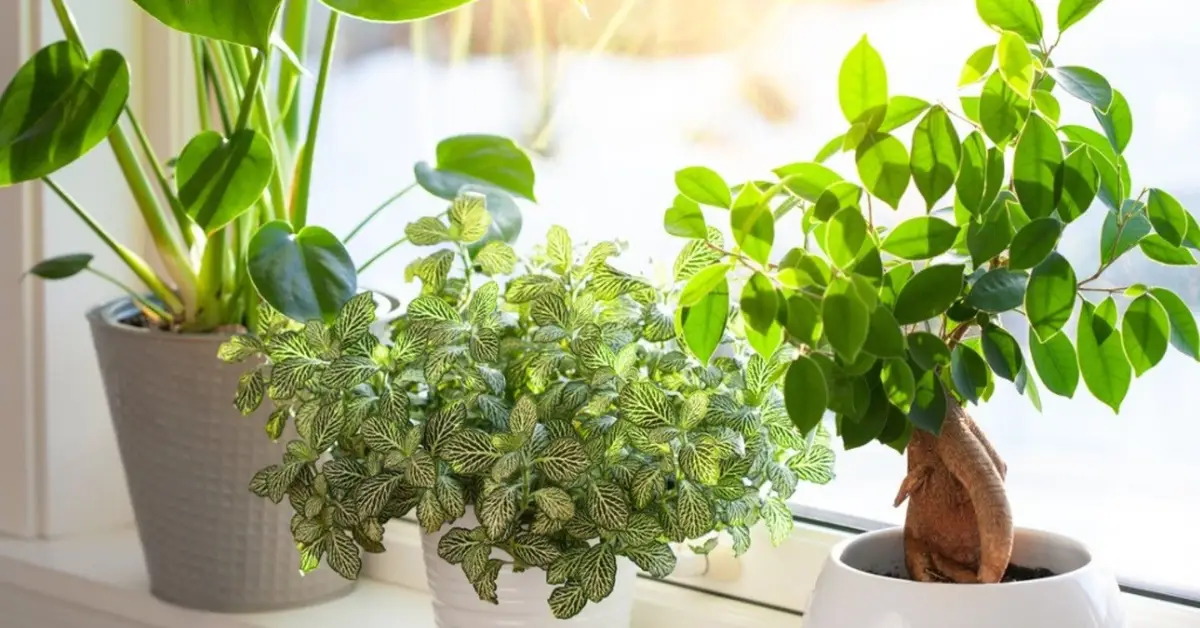
Now that you understand the different light levels, the next step is figuring out what your home actually offers. I learned early on that guessing rarely works—plants either languish in a corner or get sunburned by a south-facing window. Let’s break it down so you can match your plants to the right spot.
Quick Home Audit
Start with a simple walkthrough:
- Window orientation: Note which windows face north, south, east, or west.
- Hours of direct sunlight: Observe how long sunlight hits each spot during the day.
- Obstructions: Trees, buildings, or curtains can reduce light.
Here’s a trick I use: stand in the spot you’re considering and try reading a book in natural light for 30 seconds. If it’s easy, your plant will likely get medium to bright light. If you struggle, it’s low light. This quick check saves a lot of trial and error.
Using Light Meters or Apps
For a more precise approach, you can use a light meter or smartphone app. These tools measure light in lux or foot-candles, giving you real numbers instead of guesses.
- Apps: Many free or inexpensive apps provide reasonable estimates for indoor light.
- Meters: Affordable handheld meters give exact readings, useful if you have a collection of plants with different needs.
- Seasonal changes: Keep in mind that winter sunlight is weaker, and shadows shift. Even a sunny south window may provide medium rather than bright light during the cold months.
Using these tools helps you avoid misplacing plants and ensures you’re giving each one what it needs to thrive.
Adjusting Your Space
Once you know your home’s light conditions, small adjustments can make a big difference:
- Move plants closer or farther from windows depending on the light category.
- Rotate plants regularly so all sides get light. If you decide to move your plant closer to a window or rotate it regularly, remember that some species may need repotting afterward to adjust to the new light conditions. Learn how to repot your indoor plants safely in our step-by-step guide.
- Diffuse harsh sunlight with sheer curtains or blinds.
- Supplement with grow lights if natural light is insufficient.
For reliable guidance on using supplemental lights, I like the recommendations from the Iowa State University Yard & Garden Extension — they explain timing, distance, and types of lights.
Matching Plants to Light Levels
Now comes the fun part: choosing plants that will actually thrive in your home. I’ve learned that even hardy plants struggle if their light needs aren’t met, so matching is key.
Low-Light Plant Suggestions + What to Watch

Some plants are natural survivors in shady corners:
- ZZ Plant: Tolerates minimal light, slow grower, low maintenance.
- Snake Plant: Handles low light but still needs occasional bright spots.
- Pothos: Can grow in low light but will trail faster in medium light.
Quick warning: Some plants marketed as “low-light” still need moderate indirect light to stay healthy. Keep an eye on leaf color and growth rate.
Medium-Light Plant Suggestions + Care Notes
Medium light is perfect for a lot of classic houseplants:
- Peace Lily: Loves bright, indirect light; blooms better with medium light.
- Ferns: Grow steadily in filtered light; avoid direct sun.
- Spider Plant: Thrives in medium light but tolerates lower levels.
Tip: transitioning a plant from low to medium light changes care slightly—expect faster growth, slightly more frequent watering, and occasional fertilizing.
Bright-Light / Direct-Sun Indoor Plants
Bright or direct sunlight suits sun-loving species:
- Succulents: Need long hours of direct light; monitor for scorching.
- Fiddle Leaf Fig: Requires bright indirect to direct sun; sensitive to leaf burn.
- Flowering houseplants: Many bloom only in bright light.
I’ve found that rotating these plants and adjusting for seasonal light keeps them healthy without bleaching or scorching. For a full list of plants that thrive in bright sunlight, The Spruce has a helpful guide to get you started.
Troubleshooting: How to Tell if Your Plant is Getting Too Little or Too Much Light
Even after auditing your home and choosing the right spots, plants can still struggle. I’ve learned that careful observation is the fastest way to catch issues before they become serious. Here’s what I look for in my own plants.
Signs of Too Little Light
When a plant isn’t getting enough light, it starts reaching for what it needs—and the signs are usually obvious:
- Elongated stems (“leggy” growth): Your plant stretches toward the nearest light source.
- Pale or dull leaves: Colors fade, and variegation may disappear.
- Slow or stalled growth: New leaves are small or sparse.
- Leaf drop: Some plants shed older leaves to conserve energy.
If you notice these signs, it’s usually time to move your plant closer to a brighter window or provide supplemental light. Even low-light plants like ZZ plants or snake plants benefit from occasional brighter spots.
Signs of Too Much Light
Too much light is a different problem but just as important to catch:
- Scorched or bleached leaves: Leaves may turn pale, white, or yellow.
- Browning tips or edges: Especially on delicate leaves like Fiddle Leaf Figs.
- Soil drying very quickly: Even with normal watering, your plant seems thirsty. If your plant’s soil is drying out too quickly in bright sunlight, adjusting your watering routine can help. Check our guide on how often to water container plants for expert tips on keeping your plants hydrated without overwatering.
- Sunburn spots: Small brown patches on leaf surfaces.
Quick decision‑tree I use:
- If your plant has leggy stems + pale leaves → move it to a medium-light spot.
- If leaves are scorched or tips are browning → move slightly away from direct sunlight or diffuse with a sheer curtain.
A Reddit discussion I found really illustrates this well: users often debate what “bright indirect light” actually means for indoor plants, highlighting that interpretation mistakes are common. You can see the conversation here: Reddit: What does bright indirect light mean to you?
Seasonal and Environmental Caveats & Special Cases

Even if you know your light levels, homes aren’t static. Sunlight changes with the seasons, room orientation, and even neighborhood conditions. Observing these factors helps you adjust before your plant suffers.
How Seasons and Window Orientation Affect Indoor Light
- Winter: Shorter days, lower sun angle, and shade from trees or nearby buildings can reduce light dramatically.
- Summer: Sunlight is stronger and may hit windows at steeper angles, risking leaf scorch.
- Window orientation: South-facing windows provide the most consistent bright light; east-facing gives gentle morning sun; west-facing has intense afternoon sun; north-facing usually provides low light.
Mini winter checklist I follow:
- Move sensitive plants closer to windows.
- Rotate plants to ensure even light exposure.
- Consider supplemental lighting for low-light corners.
Role of Artificial Grow Lights & When You Need Them
Sometimes natural sunlight just isn’t enough—especially in north-facing rooms, basements, or apartments with limited windows. That’s when I use grow lights.
- When to use: If your plant shows signs of low light despite being in a medium or bright spot.
- Placement: Keep lights at a safe distance to avoid burning leaves.
- Timing: Many indoor plants thrive with 12–16 hours of light when natural sunlight is insufficient. When supplementing light with grow lights, keep in mind that indoor heating or air conditioning can affect humidity levels around your plants. For tips on maintaining the ideal environment, see our complete guide on the best humidity levels for houseplants.
For practical guidance on grow lights, including types and placement, check out the Reddit discussion above—it’s full of real-life advice from indoor gardeners navigating similar challenges.
Practical Checklist
To make everything actionable, I put together a simple reference you can keep handy while placing your plants. Think of it as a mini cheat sheet for matching light with the right plant.
| Light Level | Window Orientation | Hours of Sun | Recommended Plant Type | What to Check |
|---|---|---|---|---|
| Low | North-facing or shaded east/west | 0–3 hours indirect | ZZ Plant, Snake Plant, Pothos | Leggy stems, pale leaves, slow growth |
| Medium | East or west-facing | 3–5 hours bright indirect | Peace Lily, Spider Plant, Ferns | Steady growth, leaf color, variegation |
| Bright / High | South or southwest-facing | 5+ hours direct or strong indirect | Succulents, Fiddle Leaf Fig, Flowering houseplants | Leaf scorch, bleaching, soil drying quickly |
Mini-flow chart:
- Assess your spot → 2. Choose light category → 3. Pick a plant that matches → 4. Monitor & adjust as needed
I like to keep this checklist near my windows or in a plant journal—it makes checking on your plants simple and consistent.
Closing Thought
Matching your indoor plants to the right light is both an art and a science. Even after placement, plants will tell you if something’s off—but you need to watch and adjust. Different species adapt differently, so patience is key. Over time, you’ll start recognizing the subtle signs and feel confident about moving, rotating, or supplementing light.
Remember: small tweaks can make a huge difference. A repositioned plant, a rotated pot, or a few hours under a grow light can transform a struggling houseplant into a thriving, vibrant part of your home.
If this guide helped you, or if you have questions about your own indoor jungle, drop a comment below—I’d love to hear what works (and what doesn’t) in your space. You can also explore more tips, plant profiles, and expert advice at Plant Care Dairy, where we share practical, real-world solutions for every indoor gardener.
Disclaimer: The information in this article is for general educational purposes only. Results may vary depending on your home environment, plant species, and care routine. Always observe your plants closely and adjust care as needed.