
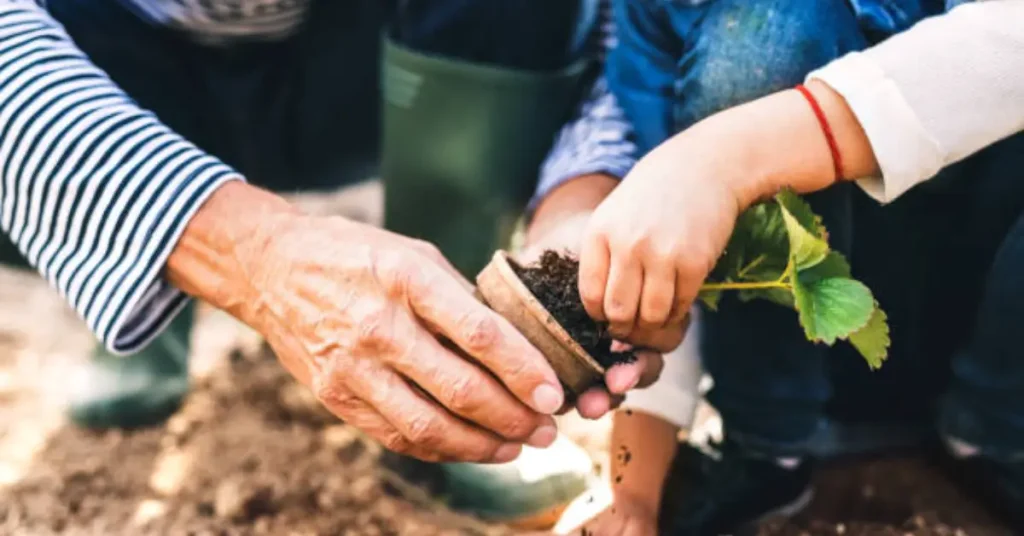
When I think about gardening, I can’t help but remember the way my grandparents approached it—with patience, observation, and a touch of intuition. There was no rush, no complicated gadgets, just simple, time-tested methods that worked season after season. And honestly, some of those old-school tips are more relevant today than ever. You see, while modern gardening advice often leans on quick fixes and chemical shortcuts, the wisdom of our grandparents was rooted in understanding nature, nurturing the soil, and working with it rather than against it.
In this article, I want to share those classic gardening tips that still hold up, showing you how small, thoughtful practices can transform your garden into a thriving, low-stress space. By the end, you’ll have a handful of practical strategies you can apply this week—and maybe a new appreciation for why the old ways weren’t just charming—they were smart.
Why Grandma’s & Grandpa’s Garden Wisdom Still Matters
I’ve always believed that the best gardening lessons come from those who’ve done it with their hands, season after season, without shortcuts. My grandparents had a way of tending to their garden that seemed almost magical at the time—but looking back, it was really all about understanding nature and respecting it. Today, with modern gardening advice often leaning on quick fixes, fertilizers, and gadgets, it’s easy to forget the foundational practices that our grandparents swore by.
Many gardening experts still highlight these “old-fashioned” tips as surprisingly effective. For example, Gardening Know How lists several generational practices—from composting to companion planting—that stand the test of time. These aren’t just nostalgic tricks; they are practical, low-cost, and sustainable approaches that anyone can adopt.
Here’s why this wisdom matters to you:
- Cost-saving: Using compost, kitchen scraps, and natural pest control reduces your reliance on expensive chemicals.
- Sustainability: These practices nurture the soil and ecosystem, keeping your garden healthy for years to come.
- Accessibility: Even if you live in a small apartment or have a limited garden space, many of these tips are easy to implement.
By the end of this article, you’ll not only know the time-tested tips that have worked for generations, but you’ll also see how to apply them in your own garden today. You’ll be able to combine nostalgia with action, turning your outdoor space into a thriving, low-stress environment that your plants—and you—will love.
Feed the Soil, Not Just the Plants
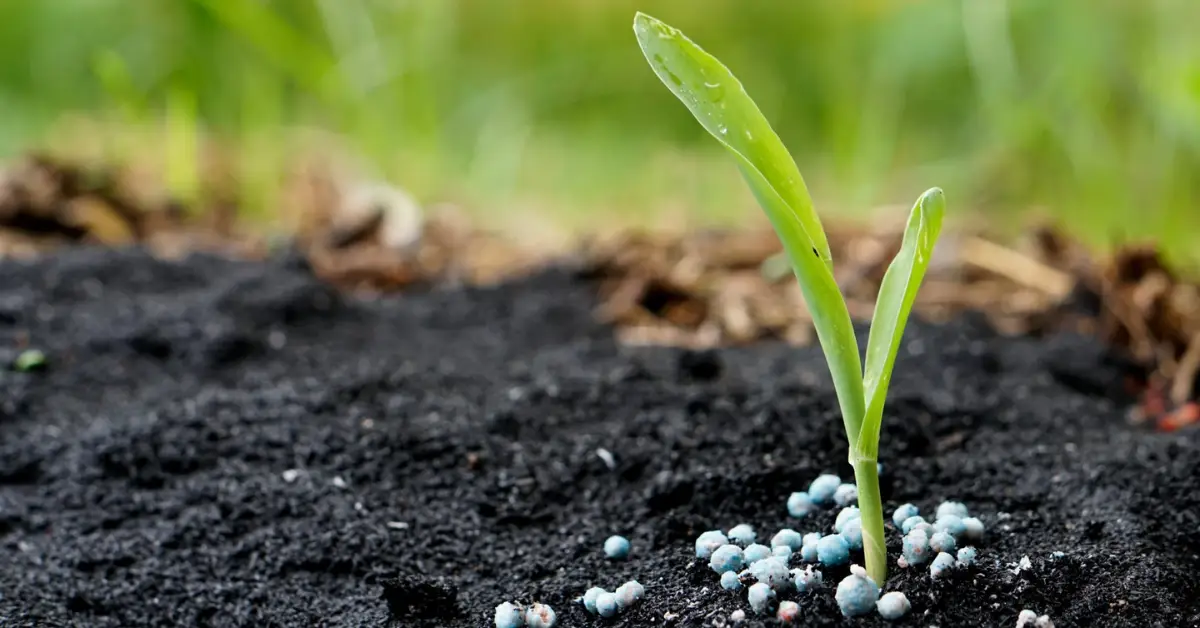
One lesson I keep coming back to is this: our grandparents didn’t just think about what plants needed—they thought about the soil that feeds them. Modern gardening often focuses on synthetic fertilizers and instant fixes, but the reality is that healthy soil creates healthy plants almost effortlessly.
From what I’ve read in The Spruce, grandparents rarely just sprinkled chemical fertilizers. Instead, they used:
- Compost: Rich in nutrients and improves soil structure.
- Aged manure: A slow-release source of nitrogen and other essential elements.
- Leaf mold and garden debris: Adds organic matter and helps retain moisture naturally.
To give your soil an extra boost before winter, check out our guide on top plants to fertilize in fall for a healthier garden, which complements the old-school compost and manure methods perfectly.
Why it matters to you:
- Better soil structure: Roots can grow deeper, creating stronger plants.
- Improved water retention: Less frequent watering and healthier soil microbes.
- Reduced plant disease: Healthy soil naturally resists pests and disease.
When you start thinking of gardening this way—feeding the soil first—you’ll notice a shift in how your plants grow, how your garden feels, and even how much effort you need to put in. It’s one of those principles that seems simple, but once you practice it, you wonder how you ever gardened any other way.
Never Leave the Soil Bare (Mulch, Cover Crops & Groundcover)
One thing I noticed quickly when I started gardening on my own was how many modern gardens leave the soil exposed. Our grandparents would never have done that. They understood that bare soil is vulnerable—susceptible to erosion, drying out, and even weed invasion. I learned early that covering the soil is just as important as planting it.
In practice, this means using:
- Mulch: Straw, shredded leaves, or wood chips to protect soil and retain moisture.
- Groundcover plants: Low-growing plants that shield the soil while adding texture. If you’re looking for ideas on how to fill bare spaces creatively while keeping your soil protected, our guide on how to create a cottage garden shows simple planting combinations that are both beautiful and practical.
- Cover crops: Seasonal plants that enrich the soil and prevent it from going bare in the off-season.
Why this matters to you:
- Prevents erosion: Keeps topsoil in place during heavy rains or wind.
- Retains moisture: Reduces the need for constant watering.
- Suppresses weeds naturally: Less weeding, more time enjoying the garden.
- Supports microorganisms: Healthy soil life means healthier plants.
Many modern “how-to” guides focus on planting and fertilizing but rarely stress the importance of keeping the soil covered. By adopting this simple habit, you can make your garden much more resilient and low-maintenance—and honestly, it just looks nicer too.
Work in Rhythm with Nature, Not Against It
One of the most underrated lessons I learned from my grandparents is to slow down and observe. Gardening isn’t just about action; it’s about timing and understanding natural rhythms. They would start their day with a quiet walk through the garden, checking for pests or noticing which plants needed attention. It wasn’t just routine—it was a form of meditation, a way to work with the garden rather than constantly reacting to problems.
Here’s what that can look like in your garden:
- Morning or evening walks: Observe pests, growth patterns, and soil moisture before deciding what to do.
- Seasonal rhythm: Planting, pruning, and harvesting according to natural cycles rather than a rigid calendar.
- Patience over urgency: Waiting for the right moment to act instead of rushing with chemicals or overwatering.
Benefits you’ll notice:
- Less reactive gardening: You’re addressing issues before they become big problems.
- Sustained success: Plants thrive because you’re in tune with their needs and cycles.
- Reduced stress: Gardening becomes enjoyable, not a constant chase to fix things.
Most modern guides focus on quick hacks or instant results, but this mindset shift—working with nature instead of against it—is what separates a struggling garden from a thriving one. Once you embrace it, you’ll start seeing your garden in a whole new way.
10+ Time‑Tested Tips from Grandparents You Can Use Today
Over the years, I’ve realized that the simplest gardening practices are often the most effective. The advice my grandparents shared wasn’t complicated, but it worked—and it still works. Here’s a collection of time-tested tips that you can bring into your own garden, no matter the size or experience level.
1. Use Compost or Aged Manure Instead of High-Chem Fertilizers
My grandparents never relied on chemical fertilizers. Instead, they built compost piles and used aged manure to feed their plants.
- Why it matters: Provides steady nutrients and improves soil structure naturally.
- How to do it: Collect kitchen scraps, leaves, and garden debris in a compost bin. Mix in aged manure from herbivores like cows or horses.
- Modern adjustment: Bagged compost works well for smaller gardens or urban spaces.
2. Spread Mulch or Plant Groundcover
Bare soil was something they avoided at all costs. Covering the soil protects it and keeps plants happy.
- Benefits: Reduces watering needs, suppresses weeds, and keeps the soil temperature stable.
- Modern options: Shredded leaves, wood chips, or cover crops like clover.
3. Use Natural Pest-Control Methods
Grandparents often had clever, low-tech ways to manage pests, like placing human hair around plants.
- Other ideas:
- Hand-pick pests early in the morning.
- Companion planting (e.g., basil near tomatoes to repel insects).
- Simple sprays using dish soap and water.
These methods empower you to garden organically and reduce chemical use.
4. Rotate Crops and Use Companion Planting
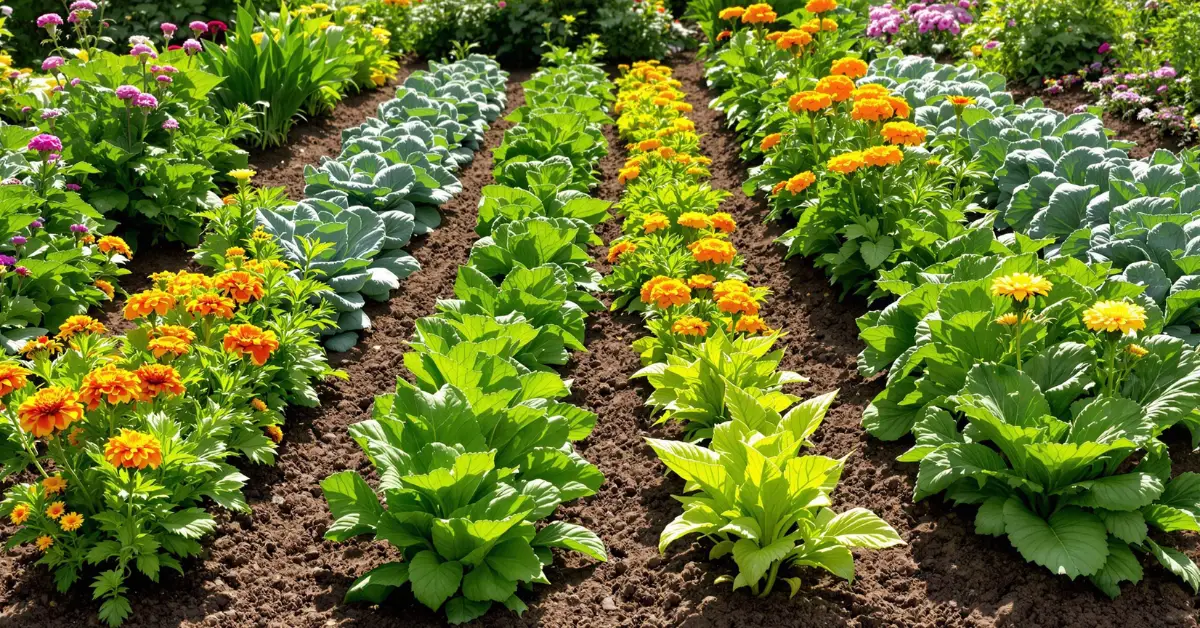
Changing where you plant certain vegetables each season was a staple for them.
- Why it matters: Improves soil health and reduces pests and disease naturally.
- Example: Plant beans near sunflowers, or basil near tomatoes to boost growth and repel pests.
For example, if you want to see companion planting in action, you can try the Three Sisters gardening method to grow corn, beans, and squash together, just like generations before you.
5. Use Ordinary Household Items as Garden Hacks
Grandparents were resourceful. Ordinary items often doubled as garden tools.
- Examples:
- A shallow bowl of beer to trap slugs.
- Cornmeal to help sow tiny seeds evenly, as shown in this collection of old-fashioned gardening tips from grandparents.
- Benefit: Budget-friendly, low-tech, and surprisingly effective.
6. Deep Water at the Base of Plants
I learned to water deeply at the roots rather than spraying overhead, just like my grandparents taught.
- Why it works: Encourages strong roots and minimizes water loss.
- Tip: Early morning or evening watering helps reduce evaporation.
7. Save Seeds and Preserve Legacy Varieties
Seed saving was a tradition. It’s a way to maintain heirloom varieties and self-sufficiency.
- Why it matters: Keeps favorite plants alive season after season and preserves gardening heritage.
8. Use Plant-Friendly Supports and Creative Structures
Grandparents often used natural supports for climbing plants.
- Example: Beans growing up sunflowers.
- Benefit: Maximizes space, encourages natural growth, and adds visual interest.
9. Prune and Prepare for Winter
Cutting back dead branches and preparing soil for winter keeps the garden productive year after year.
- Why it matters: Promotes healthy plants and a better yield in the next season.
10. Treat Gardening as Joy, Rhythm, and Connection
Perhaps the most important tip isn’t about soil or plants—it’s mindset. Gardening should be a source of joy, not stress.
- Why it matters:
- Makes your effort sustainable.
- Encourages enjoyment and connection with nature.
- Supports co-existence with wildlife and healthier ecosystems.
Modern Adaptations & What to Avoid
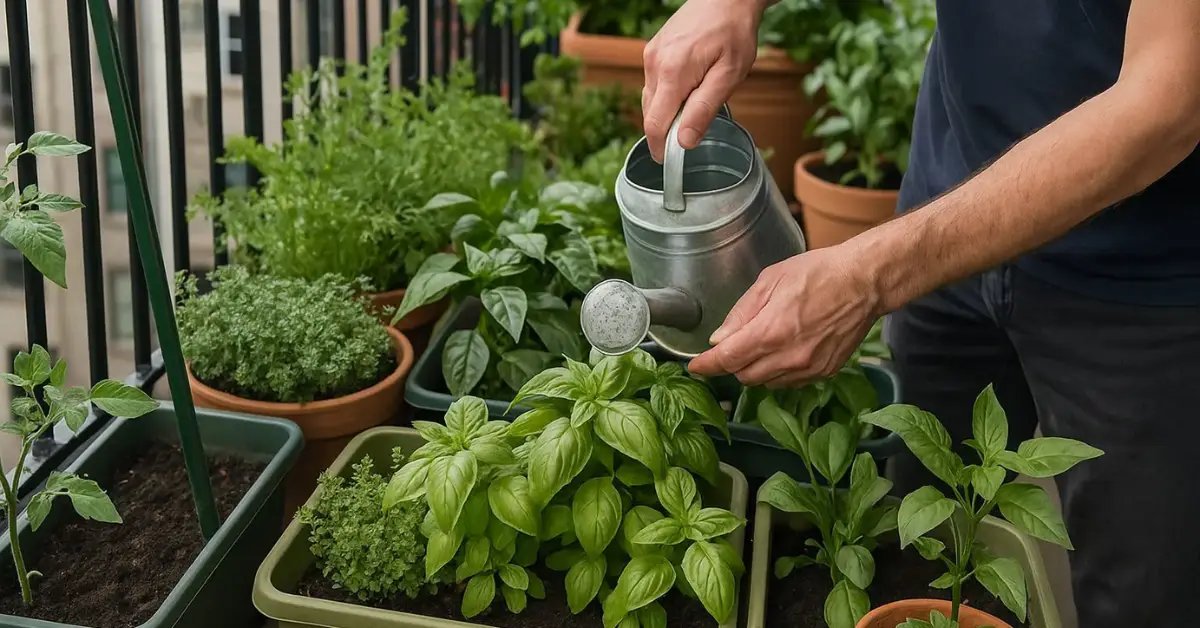
While our grandparents’ gardening wisdom is timeless, some tips need a little modern adjustment. Take the classic idea of using human hair to repel pests—it works in theory, but in today’s urban gardens or larger plots, it’s not always practical or proven. The key is to adapt the wisdom, not blindly follow it.
Here are some points to keep in mind:
- Modern constraints:
- Urban gardens or small balconies may limit space for compost piles or crop rotation.
- Climate changes can affect timing for planting, pruning, and harvest.
- Eco-regulations may restrict certain gardening practices, like burying certain organic waste.
- Adaptation ideas:
- Use containers or small bins for composting indoors or on a balcony.
- Rotate crops in raised beds or pots to maximize space.
- Track soil moisture, nutrients, and seasonal cycles with simple digital apps or reminders.
- Pitfalls to avoid:
- Don’t bury kitchen scraps blindly; some items (like citrus peels) may attract pests or take too long to decompose in certain soils.
- Always check your soil and local conditions before trying a tip—it ensures success and prevents frustration.
By thinking critically about these tips, you can enjoy the benefits of old wisdom while making sure your garden thrives in a modern context.
Quick Checklist & Seasonal Rhythm Plan
One of the most useful things I’ve done is turn my grandparents’ advice into a simple, actionable plan. Here’s a quick checklist to guide your weekly or seasonal gardening tasks:
- Weekly / regular tasks:
- Check soil moisture and pH.
- Mulch exposed soil.
- Hand-pick pests and monitor plant health.
- Companion plant where possible.
- Rotate crops in small sections.
- Save seeds from healthy plants.
- Maintain tools (clean, sharpen, store properly).
- Seasonal guide:Spring:
- Prepare soil with compost.
- Start early planting and seedlings indoors if needed.
- Begin mulch application to protect young soil.
Summer:
- Water deeply at plant bases.
- Continue pest checks and companion planting.
- Harvest early crops and save seeds.
Fall:
- Prune dead growth and prepare beds for winter.
- Plant cover crops to protect soil.
- Mulch to retain moisture and prevent erosion.
Winter:
- Plan next season’s crop rotation.
- Store seeds and clean tools.
- Observe the garden’s rhythm and note what worked or needs improvement.
Following a structured plan like this helps you implement your grandparents’ tips effectively, keeps your garden organized, and ensures that each season brings better results.
Keep the Legacy Alive in Your Own Garden
Gardening tips from our grandparents are more than just nostalgic memories—they’re practical, sustainable, and surprisingly adaptable to today’s gardens. When you take a moment to apply these old-school practices, you’re not only helping your plants thrive, but you’re also keeping a living legacy alive.
Here’s what I suggest: pick one or two tips from this article and try them this week. Whether it’s adding mulch, saving seeds, or hand-picking pests, take note of what works for your space and soil. Over time, you’ll see how these simple actions can transform your garden—and your connection to it.
I’d love to hear about your experiences. Share your own grandparents’ gardening tip in the comments below or on social media, and let’s inspire others to start their own “legacy garden” projects. You can also visit Plant Care Dairy for more tips, guides, and community inspiration to keep your garden flourishing all year round.
Disclaimer: Gardening always comes with variables—soil type, climate, pests, and other factors can affect results. These tips are meant as guidance, not guarantees. Adapt them thoughtfully to your own garden, and enjoy the process of learning and experimenting.