
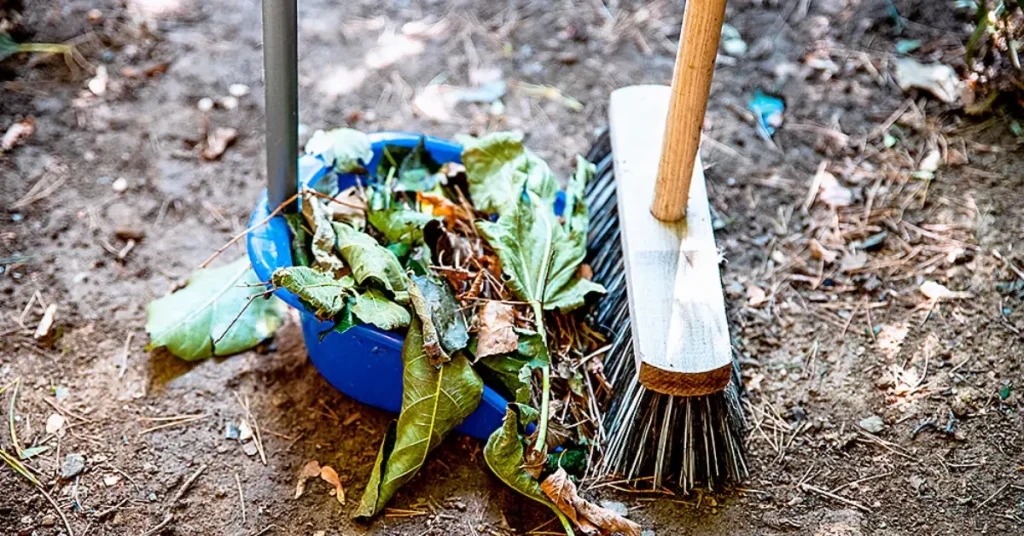
November has a way of sneaking up on us. One day, your garden is full of life, and the next, frost is in the air and leaves are piling up. If you’re like me, you don’t want to spend the first warm weekend in spring scrambling to fix what winter ruined. That’s why preparing your garden now, in November, is not just smart—it’s a game-changer.
In this guide, I’ll walk you through practical steps to protect your plants, nourish your soil, and make sure your garden not only survives the cold months but comes back stronger and more vibrant in spring. We’ll cover everything from soil prep and mulching to planting, pruning, and even keeping wildlife happy. By the end, you’ll have a clear plan that makes winter gardening manageable—and maybe even enjoyable.
Why November Is the Ideal Time for Winter Prep
I know it can be tempting to put off garden chores as the days get shorter and colder, but November is actually the perfect month to get ahead. The soil is still workable, so you can dig, plant, and amend before the first heavy frosts hit. The daylight may be decreasing, but there’s still enough sun to give your efforts a real impact.
Acting now gives your garden a head start for spring. Think of it this way: the small tasks you do this month save you from scrambling later. Healthy soil, properly mulched beds, and prepared plants mean less stress and more growth when the warmer weather arrives.
Here’s why it matters to you:
- Proactive beats reactive – You’re not just reacting to winter; you’re giving your garden a fighting chance.
- Time-saving in spring – Beds that are prepped now require far less work when planting season comes.
- Healthier plants – Early care reduces disease, frost damage, and pest problems.
According to guidance from the National Trust, preparing your garden in November allows you to manage both soil and plants efficiently while the conditions are still favorable.
Clean‑Up & Garden Hygiene: The Wake‑Up Call
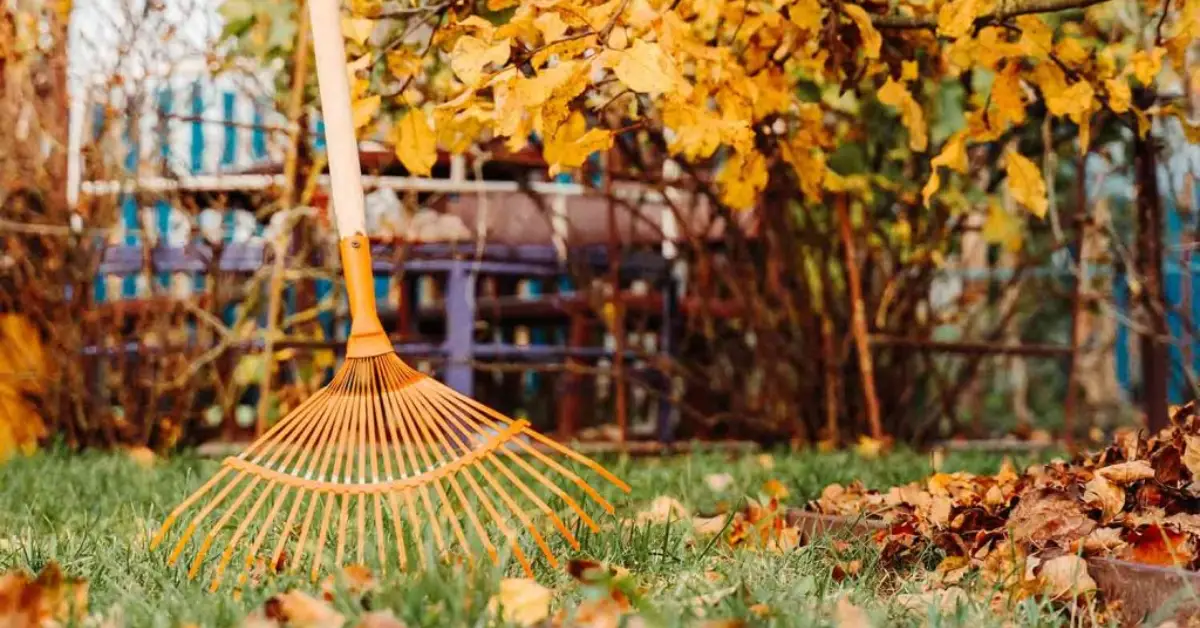
One of the simplest yet most overlooked steps in November is cleaning up your garden. It’s not glamorous, but it’s crucial. Removing spent plants, weeds, and debris gives your garden room to breathe and reduces the risk of pests and diseases overwintering. I always tell myself: “A tidy garden in November is a healthy garden in spring.”
Here’s a practical checklist you can follow:
- Remove spent plants and weeds – Clearing old growth helps prevent fungal infections and pests from hiding. As you tidy leaves and remove debris, keep an eye out for signs of invasive snails, which can survive the winter hidden under garden litter. It also gives you a clean canvas for mulch and planting.
- Fallen leaves: remove or reuse – Leaves can either be composted or used as mulch around plants. I like to leave some in corners to shelter beneficial insects over winter, while adding a thin layer around tender shrubs.
- Tools and equipment care – This step often gets skipped. Sharpen pruners, clean your spades, and store hoses properly. It may feel tedious, but come spring, having ready-to-use tools will save you hours.
Doing this now makes your garden resilient, reduces stress later, and gives you the satisfaction of knowing you’re setting it up for success.
Soil & Bed Preparation: Build for Next Season
If there’s one thing I’ve learned in decades of gardening, it’s that healthy soil is everything. What you do now sets the stage for a productive spring. November is the perfect time to give your beds some real TLC.
Here’s what I focus on:
- Test the soil and add amendments – Check pH and nutrients, and mix in compost or aged manure. These “set-and-forget” jobs pay off big when planting season arrives. While preparing your garden beds, consider giving your plants a boost with organic winter fertilizers to support root development and soil health.
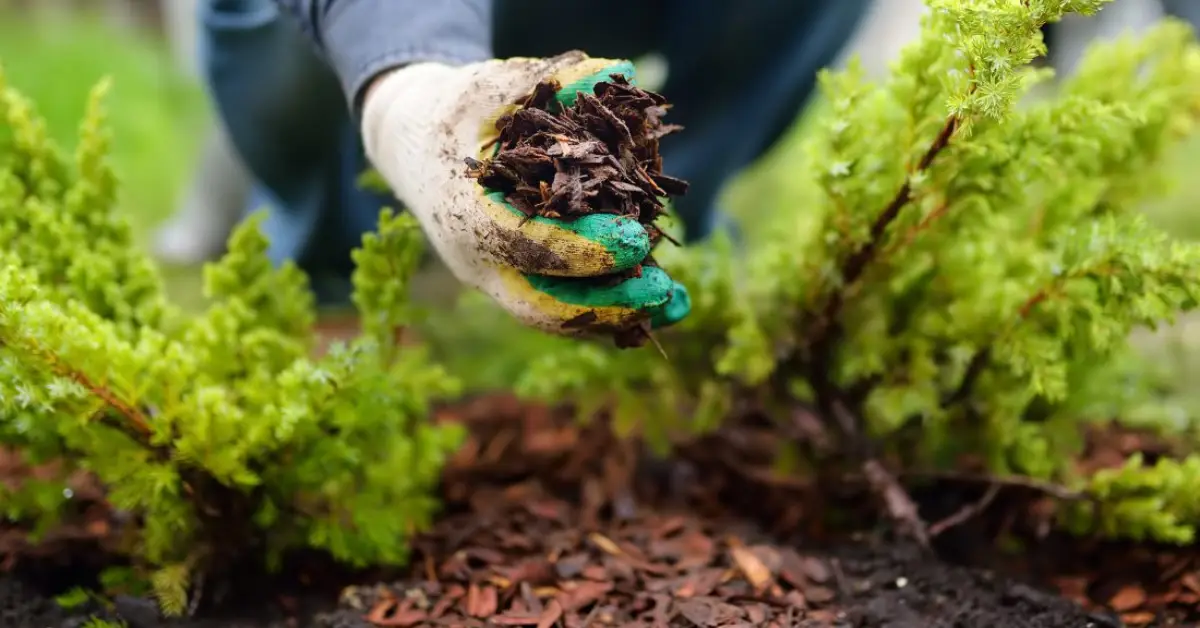
- Mulch deeply – A thick layer protects bare soil from erosion and freeze-thaw cycles. It also keeps roots insulated and reduces winter weeds.
- Cover crops / green manures – Sowing rye or clover in empty beds enriches the soil and improves structure over winter. Most guides skip this, but it’s a simple way to boost fertility.
- Raised beds – If you garden in containers or urban spaces, add extra compost and check drainage. Raised beds freeze faster, so a protective mulch layer is even more critical.
For a detailed guide on winter soil preparation, I often refer to Gardening Know How’s November tips because it covers practical amendments and mulching strategies that work in most US zones.
Planting & Transplanting for Winter & Early Spring
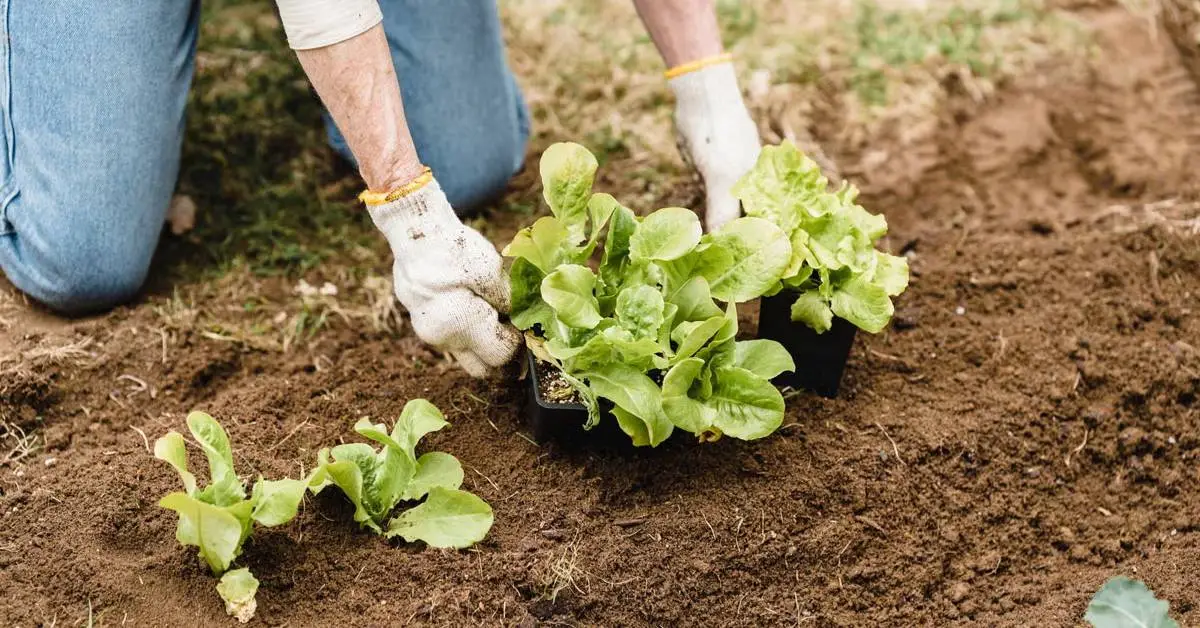
I love planting in November because it feels like getting a head start while everything else slows down. You can still work the soil and get bulbs, trees, and cool-season vegetables in before the deep freeze.
- Bare-root trees and shrubs – Plant them while the soil is workable to let roots establish before spring growth.
- Cool-season annuals – Pansies, kale, and ornamental cabbages thrive when planted now, adding color and structure through winter.
- Spring-flowering bulbs – Daffodils, tulips, and crocuses should go in before the ground hardens; it’s your last window for a bright spring display.
- Perennials / divisions – November is ideal for dividing crowded plants or transplanting perennials. Waiting until spring may stress roots and slow growth.
Tip: Always consider your USDA hardiness zone. What survives in one region might not make it in another, so adapt your planting accordingly.
Protecting Plants from Cold, Wind & Pests
Winter can be harsh, but a few simple precautions make all the difference. I think of it as giving my plants a little insurance.
- Wrap frost-sensitive plants and evergreens – Burlap or frost cloth shields them from wind burn and freezing temperatures.
- Containers and potted plants – Move them to sheltered spots, insulate roots with straw or bubble wrap, and reduce watering slightly. If you also have indoor plants, it’s important to adjust their care for the colder months to ensure they stay healthy until spring.
- Wildlife and pests – Leaving some habitat benefits birds and helpful insects, but rodents and voles can damage roots. Wire mesh or small cages around vulnerable plants works well.
Taking these steps now reduces plant stress and prevents costly losses when the first hard freezes arrive. Even a few small actions make winter a lot less harsh on your garden.
Lawn, Hardscape & Garden Infrastructure Care
It’s easy to get caught up in plants and forget that lawns, patios, and garden furniture also need attention. Taking care of these areas now saves a lot of frustration in spring.
Here’s what I do every November:
- Last mow and debris removal – Give your lawn a final cut and clear fallen leaves. It keeps the grass healthy over winter and prevents disease.
- Hardscape maintenance – Sweep patios and pathways, remove moss or algae that can make surfaces slippery, and clean garden furniture before storing it for the season.
- Pond and water feature care – If you have a pond, clear out fallen leaves and debris, check pumps, and add a net or cover if needed to prevent ice damage.
For clear, practical advice on these end-of-season tasks, I often refer to Carpenters Nursery November tips because it covers exactly what to tackle in your garden this month.
Wildlife-Friendly Winter Garden: Doing Good While You Prep
Gardening isn’t just about plants—it’s about the ecosystem around them. Even small actions this month can help wildlife survive winter and thrive next spring.
- Use fallen leaves wisely – Leave some in corners or under shrubs to provide shelter for insects and birds.
- Bird and bat feeders / water features – Keep feeders stocked and make sure water isn’t frozen; a shallow dish or small pond heater can make a big difference.
- Encourage pollinators next spring – Leaving seed heads and flower stalks over winter provides food and shelter, giving bees and butterflies a head start.
These small efforts benefit wildlife and make your garden healthier overall, adding purpose to your winter prep.
Quick November Garden Checklist
Sometimes you just need a glanceable list to make sure nothing is forgotten. Here’s my high-impact November checklist:
- Rake leaves and either compost them or use as mulch
- Mow the lawn one last time and clear debris
- Plant spring bulbs, bare-root shrubs, and cool-season vegetables
- Wrap frost-sensitive plants and protect evergreens
- Clean patios, pathways, and garden furniture
- Prepare ponds and water features for winter
- Leave some natural debris for beneficial insects and birds
Zone quick-guide:
- Northern US: Focus on protecting tender plants and mulching perennials.
- Southern US: You can still plant late-season vegetables and bulbs; frost is less severe.
Urban vs rural yard tips:
- Urban: Insulate containers and check drainage for patios and rooftops.
- Rural: Leave some natural debris for wildlife, but keep invasive weeds under control.
This checklist keeps your garden ahead of the season and ensures you’re ready for a smooth spring transition.
Mistakes to Avoid When Preparing Your Garden for Winter
Even experienced gardeners slip up sometimes. Avoiding a few common mistakes now can save you headaches come spring:
- Over-tidying – Removing every leaf may look neat, but it also removes habitat for beneficial insects and small wildlife.
- Pruning flowering shrubs at the wrong time – Shrubs that bloom on old wood should wait until after flowering, or you risk losing blooms.
- Mulching too late or too thick – Overdoing mulch can cause rot and suffocate roots rather than protect them.
- Ignoring infrastructure – Failing to drain hoses, service irrigation systems, or secure garden furniture can lead to freeze damage or costly repairs.
Keeping these in mind ensures your winter prep actually strengthens your garden instead of creating hidden problems.
What Spring Will Thank You For: Looking Ahead
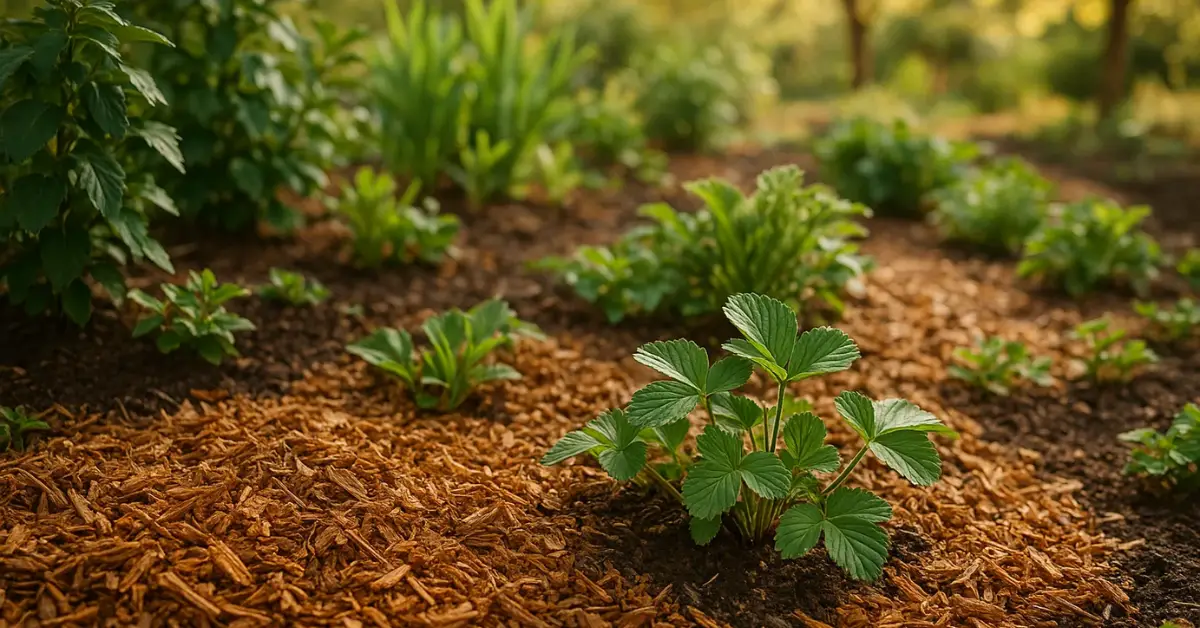
When you invest time in November, your spring garden will flourish almost effortlessly. These tasks now reduce pests, improve soil fertility, and set your plants up to grow stronger and healthier.
- Soil prep and mulching – Leads to richer, looser soil that warms quickly in spring.
- Winter protection for plants – Ensures tender perennials and shrubs survive, giving you fuller blooms.
- Tidying and clearing beds – Reduces overwintering pests and disease, saving you work later.
These “set-and-forget” November jobs are what yield a better summer garden. While you’re finishing your winter prep, take a few minutes to plan next season’s layout, plant choices, or container arrangements—it will save you time and give your garden purpose when the cold months feel long.
Final Takeaway: Your November Game Plan
Here’s the bottom line: November is your chance to set your garden up for success. Focus on these three priority areas:
- Clear-up – Leaves, spent plants, and debris
- Soil prep – Amend, mulch, and cover empty beds
- Protect plants – Wrap tender shrubs, shield containers, and safeguard perennials
I recommend scheduling 1–2 weekend slots this month to tackle these tasks. The effort now pays off in spring with healthier plants, fewer pests, and a garden that thrives rather than struggles.
For extra convenience, you can create your own checklist to follow each weekend. And if you have tips, experiences, or questions, leave a comment below—I’d love to hear how your garden is shaping up.
For more expert advice and seasonal guides, keep visiting Plant Care Dairy, where I share hands-on, actionable tips to make your garden flourish year-round.
Disclaimer: The information provided in this article is for general gardening guidance and educational purposes. Results may vary depending on your location, soil, and climate. Always use your best judgment and consult local experts if needed.