

Winter has a way of making even the heartiest plants slow down, and if you’re like me, staring at your green friends indoors or in the garden, you might wonder: “Should I even feed them right now?” I’ve been there—watching leaves droop or growth stall and feeling guilty for not doing enough.
The truth is, winter isn’t the time to stop caring; it’s the time to care smartly. Feeding your plants with the right organic fertilizers now can give them a gentle boost, strengthen their roots, and set them up for a thriving spring. In this guide, I’ll walk you through how to feed your plants in winter without overdoing it, using natural, safe, and effective methods that actually work.
Understanding Plant Behavior in Winter
You might have noticed that your plants don’t seem as lively when the temperatures drop. That’s not your fault—they’re simply behaving according to the season. Understanding what happens to them in winter can save you from making common mistakes that stress the plant or waste your effort.
Growth Slowdown and Dormancy
Most plants slow down their growth during winter, and some even enter a dormancy phase. This is nature’s way of conserving energy when conditions aren’t ideal. You’ll see:
- Fewer new leaves or shoots appearing
- Growth seeming “stalled” even if you care for them perfectly
- Some leaves turning slightly paler or dropping naturally
Recognizing this slowdown is important. If you continue feeding them like you would in spring or summer, you risk harming rather than helping them. If you want a full indoor survival guide, including light, humidity, and temperature adjustments, check out our complete indoor plant winter care guide.
Soil and Microbial Activity Decline
Cold soil isn’t just harder to dig—it also affects the life beneath the surface. Microbes that break down organic matter and release nutrients slow down in winter, which means:
- Fertilisers are absorbed more slowly
- Nutrient availability decreases
- Roots are less active and less able to take up excess nutrients
Using gentle organic fertilizers during this time works with this natural slowdown instead of against it.
Risks of Fertilising at the Wrong Time
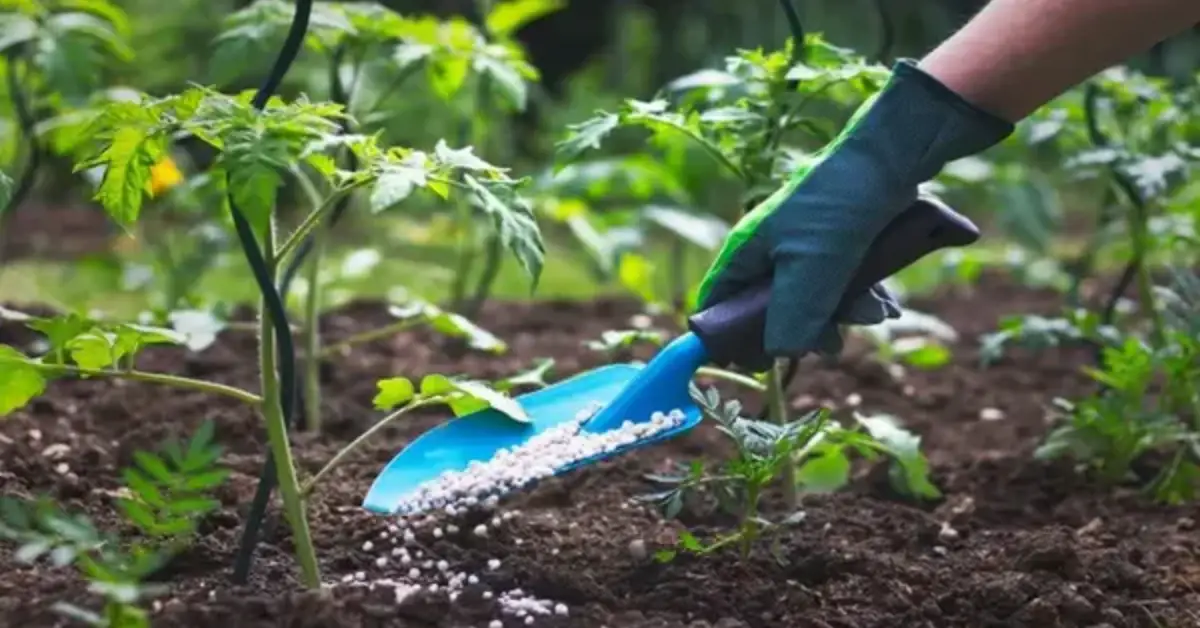
If you feed your plants aggressively when they’re dormant, you might notice:
- Salt build-up in the soil
- Root burn or stress
- Wasted fertilizer with little or no growth response
Better Homes & Gardens calls this out in their winter plant care tips—you want to work with your plants’ natural cycle, not against it.
By understanding these winter behaviors, you can adjust your feeding strategy and avoid stress on your plants. Remember, the goal isn’t to force growth, but to support your plants gently until they naturally resume their active phase.
Aligning Feeding with Winter Conditions
Feeding plants in winter isn’t just about what fertilizer you use—it’s about timing, frequency, and conditions. Let’s break it down.
Determine if Your Plants Are Active or Dormant
Before you feed anything, take a moment to observe your plant:
- Are new shoots or leaves emerging?
- Is the leaf color vibrant or dull?
- Has the soil been staying consistently moist or drying slowly?
These cues tell you whether your plant is still actively growing or in a dormant state. Feeding a dormant plant can do more harm than good.
Choosing Frequency and Strength
Winter is the season of moderation. You’ll want to:
- Reduce feeding frequency to once every 4–6 weeks for most indoor plants
- Dilute fertilizers to half or even a quarter of the regular strength
- Stick to slow-release organic options to avoid sudden nutrient spikes
Light, Water, and Temperature Interplay
Even the best fertilizer won’t help if other conditions aren’t right. Nutrient uptake depends on:
- Adequate light: low light slows growth and nutrient absorption
- Proper water: avoid overwatering, which can drown roots. Winter watering can be tricky, especially for pots—our guide on how often to water container plants gives expert tips to keep roots healthy while feeding organically.
- Stable temperature: extreme cold or drafts reduce metabolic activity
By considering these factors, you ensure that your feeding actually benefits the plant instead of sitting unused in the soil.
Why Organic Fertilisers Are Better for Winter Care
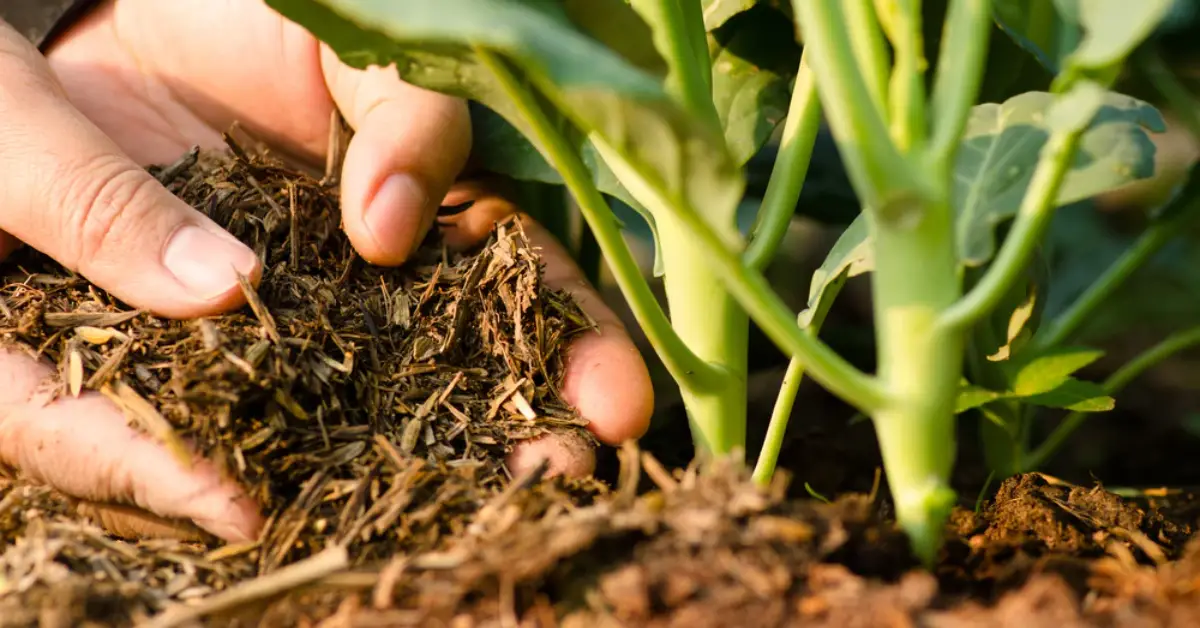
If you’ve ever felt nervous about giving your plants a boost in the cold months, organic fertilisers are your safest bet. I’ve tried both synthetic and organic options, and in winter, the difference is clear: organic feeds work with the plant’s slower metabolism rather than pushing it too hard.
Slow‑Release Nature Suits Lower Metabolic Activity
Organic fertilizers release nutrients gradually, which matches the slower growth of winter plants. You don’t have to worry about overfeeding because:
- Nutrients become available as the plant actually needs them
- Roots aren’t overwhelmed with sudden chemical spikes
- The plant’s natural dormancy cycle is respected
Improves Soil Health, Microbial Activity, and Moisture Retention
A healthy plant starts with healthy soil. Organic options:
- Feed beneficial microbes that keep soil alive, even in the cold
- Improve moisture retention, preventing soil from drying too quickly indoors
- Enhance overall soil structure, making it more fertile for spring growth
Lower Risk of Salt Build-Up or Root Burn
Unlike synthetic fertilizers, which can accumulate salts and damage roots in cool soils, organics are gentle and safe. This is especially critical for indoor and container plants in winter, where overfeeding can quickly harm the root system.
Using organic fertilisers in winter isn’t just a safer choice—it’s a smarter one, setting up your plants for a healthy spring without stress.
Best Organic Fertiliser Types & How to Use Them in Winter
Knowing which organic feed to choose and how to use it is where most guides fall short. Here’s what I use and recommend:
Compost & Vermicompost
- Apply as a top-dressing or mix gently into potting soil
- Slowly releases nutrients over weeks
- Perfect for both indoor and outdoor plants in winter
Aged Manure & Bio‑Fertilisers
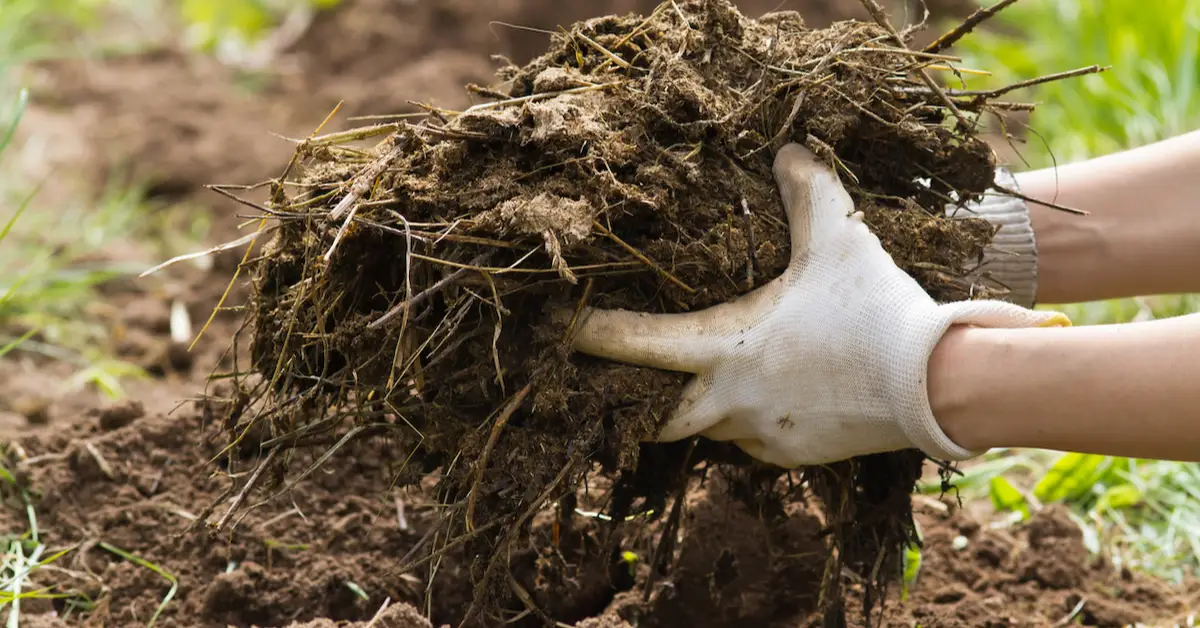
- Provides natural nitrogen and trace elements
- Use sparingly in winter; overdoing it can still stress dormant plants
- Works well for garden beds or larger pots
Liquid Organic Feeds (Seaweed, Plant Extracts)
- Especially useful for potted or indoor plants where soil microbes are slower
- Quick absorption without risk of burn
- I like to dilute and use once every 4–6 weeks during the colder months
DIY Boosters
- Banana peel tea, eggshells, compost tea—low-cost and easy to make at home
- Adds micronutrients and calcium naturally
- Great for gardeners who like a hands-on approach
Application Guidance
- Dilute all feeds to half strength for indoor plants
- Stick to a winter schedule: feed lightly every 4–6 weeks
- Monitor your plant’s response—leaves, new shoots, and soil moisture are your cues
These practices make feeding in winter practical and effective, unlike generic tips that leave you guessing.
Indoor vs Outdoor Plants: Tailoring the Approach
Winter doesn’t affect all plants the same way. I always separate my strategy for indoor vs outdoor plants, and here’s how you can too:
Indoor Plants
- Often lower light, slower growth, and less soil microbial activity
- Use gentle, diluted feeds, preferably slow-release or liquid organic options
- Keep an eye on humidity and temperature to support nutrient uptake
Outdoor Winter Plants
- Cold-tolerant vegetables, shrubs, and perennials need careful timing
- Top-dress with compost or aged manure rather than frequent liquid feeds. For outdoor gardeners experimenting with companion planting, techniques like the Three Sisters gardening method can be adapted for cold-tolerant crops during winter.
- Soil temperature is crucial: too cold and nutrients won’t be absorbed
Container vs Ground Beds
- Containers cool faster and dry out quicker—light, frequent feeding works best
- Ground beds retain heat longer; slow-release top-dressing is ideal
- Drainage matters: overwatering combined with winter feeds can harm roots
For more detailed guidance on indoor vs outdoor winter feeding, The Spruce provides practical tips that align well with organic approaches.
Common Mistakes & How to Avoid Them
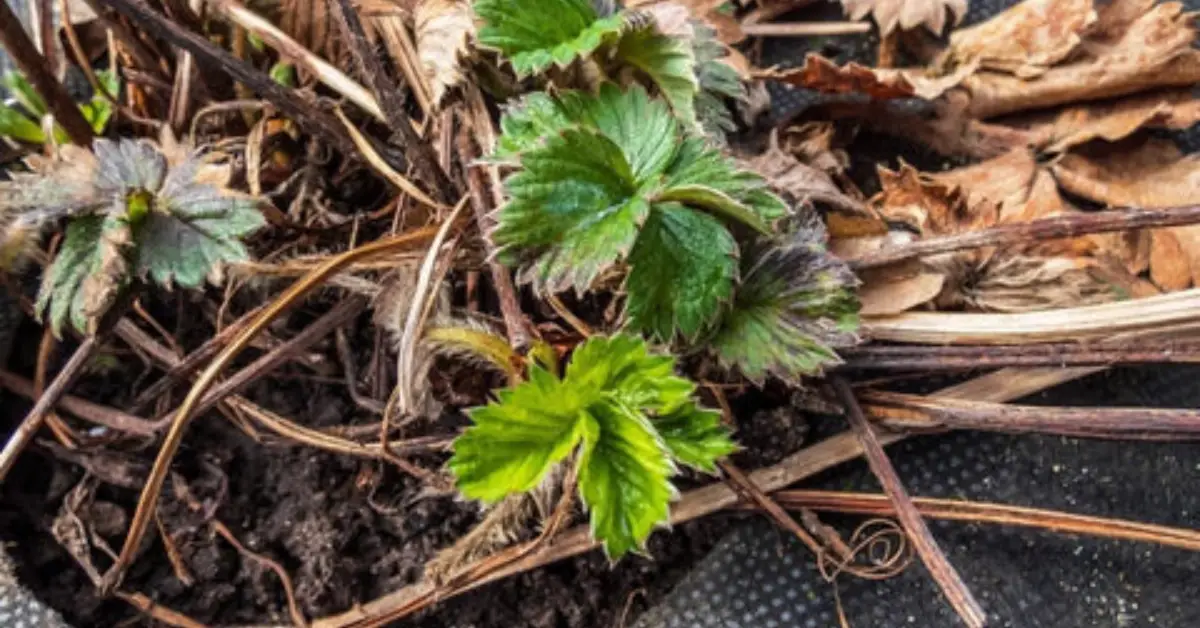
Winter is tricky, and even experienced gardeners can make mistakes. I’ve learned that avoiding these common pitfalls makes all the difference:
Over‑Feeding Dormant Plants
When a plant isn’t actively growing, too much fertiliser can:
- Cause salt build-up in the soil
- Stress or burn the roots
- Leave nutrients unused and wasted
Always observe your plant’s growth before feeding—less is often more in winter.
Using Strong Fertiliser When Uptake is Low
Many guides miss this point. If your plant isn’t actively absorbing nutrients due to low metabolism, strong feeds can do more harm than good. Stick to diluted or slow-release options until growth picks up.
Ignoring Light and Temperature Issues
Fertiliser can’t replace light. I make sure my indoor plants are near a window or supplemental light source; otherwise, feeding is ineffective. Nutrients only work when your plant has energy to use them.
Neglecting Soil Moisture & Drainage
Cold soils dry slowly, and overwatering can combine with fertiliser to cause root rot. Check your soil carefully before adding any nutrients—especially in pots or containers.
When to Pause or Reduce Feeding & What to Do Instead
Knowing when to step back is just as important as knowing how to feed:
Signs a Plant is Dormant
- No new leaves or shoots
- Minimal growth despite watering
- Leaves slightly pale or dropping naturally
If you see these cues, it’s time to hold off on fertilising.
Alternate Winter Care Steps
Even if you pause feeding, your plants still need support:
- Make sure they get enough light
- Maintain stable temperature and humidity
- Keep soil healthy and well-drained
Focusing on these basics often matters more than fertiliser during dormancy.
Transitioning Out of Winter
As spring approaches:
- Watch for new growth or budding leaves
- Gradually resume feeding with light, diluted organic fertilisers
- Adjust your schedule based on the plant’s response rather than the calendar
This approach ensures you don’t stress your plants or waste products, setting them up for a strong start in spring.
Quick Winter Fertiliser Calendar & Checklist
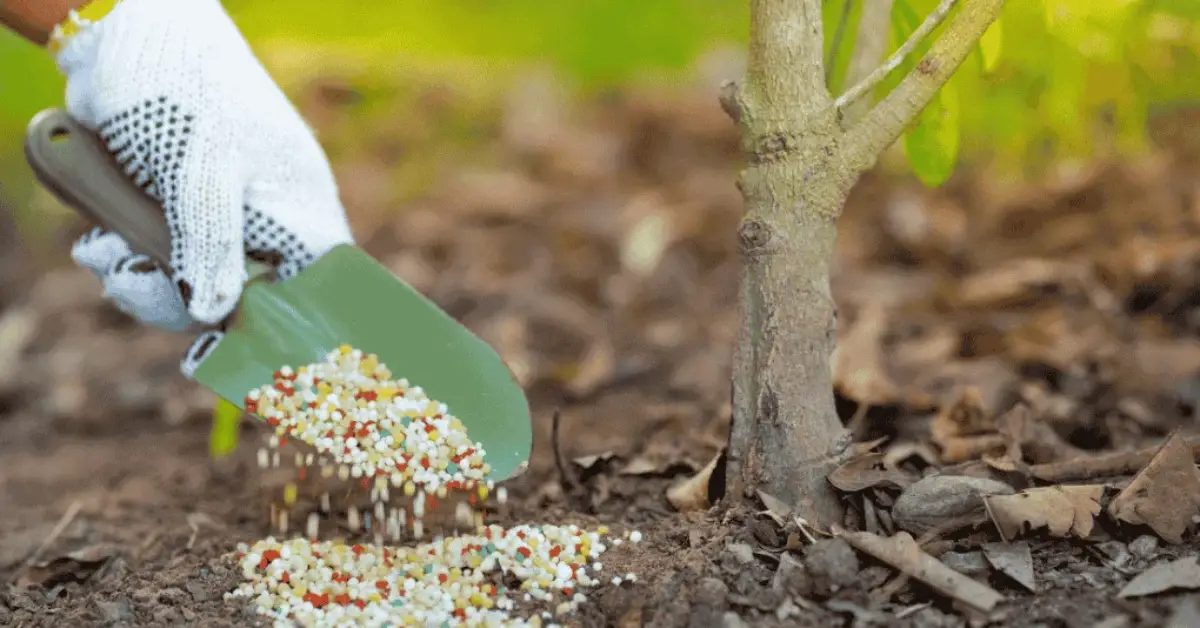
I like having a simple, actionable calendar to keep me on track without overthinking:
Suggested Calendar
- Early Winter: Top-dress with compost or vermicompost
- Mid-Winter: Optional light liquid feed if growth is noticeable
- Late Winter: Assess soil, moisture, and plant health before spring
Handy Checklist
- Check light levels and adjust if needed
- Measure soil temperature and moisture
- Identify plant growth stage (active vs dormant)
- Choose the appropriate organic fertiliser type
- Apply carefully and monitor response
Having this checklist turns winter feeding into a manageable routine rather than a guessing game. For more detailed scheduling and indoor plant fertilising tips, you can check Plantora.
Five‑Step Action Plan to Feed Your Plants Organically This Winter
Let’s wrap up everything you’ve learned into a simple, practical plan you can follow right now. This isn’t just theory—these are the steps I use every winter, and they work.
- Assess Your Plants First
- Check which plants are dormant and which are still actively growing.
- Observe leaf color, new shoots, and soil moisture.
- Choose the Right Organic Fertiliser
- Use compost, vermicompost, aged manure, or gentle liquid feeds.
- Dilute fertilizers for indoor plants or small pots.
- Follow a Winter Feeding Schedule
- Early winter: top-dress with compost.
- Mid-winter: optional light liquid feed if plants show growth.
- Late winter: reassess before spring.
- Optimize Growing Conditions
- Ensure sufficient light and stable temperature.
- Monitor soil drainage and humidity.
- Avoid overwatering, especially in containers.
- Observe and Adjust
- Watch for signs of stress or new growth.
- Adjust feeding frequency and strength based on your plant’s response.
By following this plan, you give your plants the support they need in winter without overwhelming them.
Your Turn: I’d love to hear from you! How do you care for your plants during winter? Share your experiences in the comments below, and don’t forget to check more tips and guides at Plant Care Dairy to keep your garden thriving year-round.
Disclaimer: The tips and advice in this article are for general informational purposes only. Results may vary depending on your plant type, environment, and local climate. Always follow product instructions and use caution when applying any fertilisers. Plant Care Dairy is not responsible for any damage or loss resulting from the use of this information.