

I still remember the first time I noticed that strange white dust creeping across my rose leaves. At first, I thought it was pollen or maybe a bit of dirt after watering. But within a few days, it had spread—soft, chalky patches covering the new growth. That’s when I learned the hard way: it wasn’t dust at all. It was powdery mildew, one of the most stubborn and frustrating garden problems you’ll ever face.
If you’ve seen it before, you know exactly what I mean. It shows up out of nowhere, turns your healthy green leaves dull and gray, and spreads faster than you can react. And while every store shelf seems packed with chemical fungicides promising quick fixes, I’ve never been comfortable spraying those around the plants I eat from or the soil I’ve spent years improving.
Over time, I realized there’s another way—gentler, safer, and just as effective if you know how to do it right. You don’t need harsh chemicals or expensive products. You just need to understand what causes mildew in the first place and use the right natural remedies to stop it before it takes over.
In this guide, I’ll walk you through proven, natural ways to get rid of powdery mildew—from easy DIY sprays to simple prevention habits that actually work. Have you ever tried a homemade fix for it before? If yes, did it help—or just make things worse?
What Is Powdery Mildew and Why It Appears
If you’ve ever walked through your garden and spotted a white, powder-like film on your leaves, you’ve met powdery mildew. It’s not dust, and it’s not leftover fertilizer — it’s a fungal disease from a group known as Erysiphales. What makes it tricky is how quietly it shows up and how fast it spreads once conditions turn just right.
I still remember the first time I ignored it, thinking it was harmless residue from watering. Within a week, my cucumber vines were covered, and the leaves started curling in on themselves. That’s when I realised powdery mildew isn’t just cosmetic — it slowly weakens your plants, cutting off photosynthesis and reducing growth.
You’ll most often see it appear when:
- Humidity is high but leaves stay dry, especially after cool nights and warm days.
- Plants are overcrowded, leaving little airflow between them.
- Shady areas stay damp longer and never fully dry out in sunlight.
- Overfertilising with nitrogen creates soft, lush leaves that fungi love to attack.
Some plants are especially prone to powdery mildew, including:
- Roses
- Cucumbers, squash, and zucchini
- Tomatoes and peppers
- Beans, peas, and grapes
- Houseplants like begonias or jade plants
Once you understand what triggers it, prevention becomes a lot easier. Keeping the air moving, watering at the soil level, and spacing your plants properly can make all the difference. You can also check reliable guides like the University of California Integrated Pest Management resource for more details on its causes and control methods.
Identifying Early Signs on Leaves and Stems
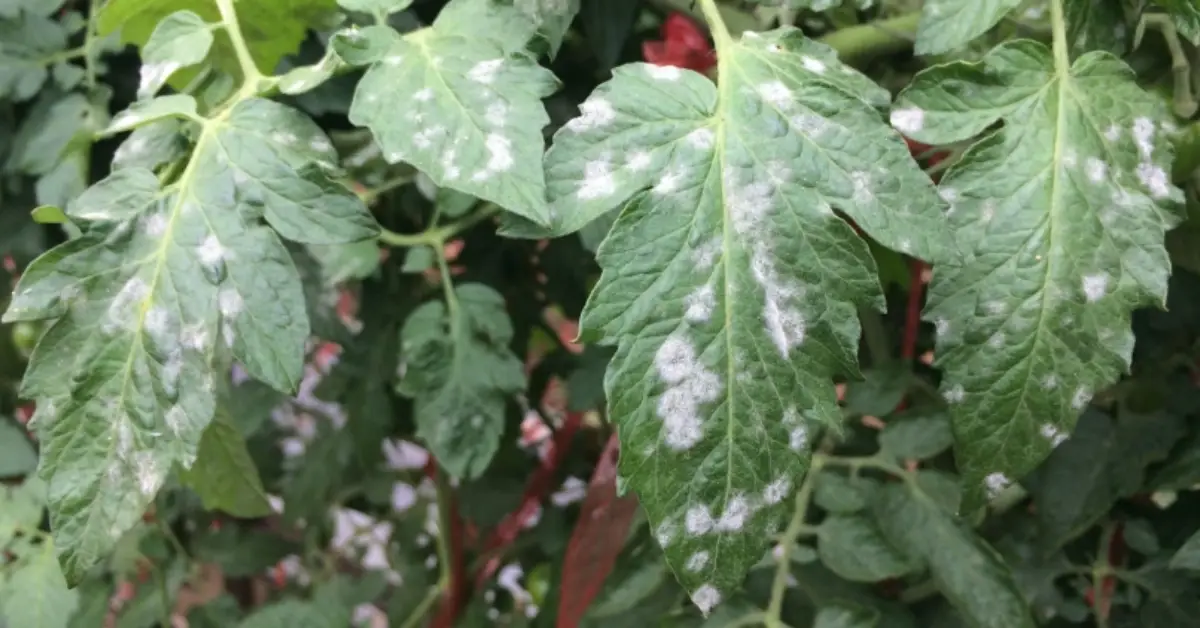
Powdery mildew doesn’t start with an obvious outbreak — it creeps in quietly. The first thing you’ll see is a few pale spots or faint white patches on the upper sides of your leaves. They might look harmless, even easy to wipe away, but they always return and spread fast.
Here’s what to look for when you suspect the first signs:
- White or grayish patches that feel soft or powdery to the touch
- Curled or twisted leaves, especially near new growth
- Yellowing or dull leaves as the fungus blocks sunlight
- Stunted growth or fewer blossoms and fruits
- Powdery coating on stems or buds, particularly in shaded or damp areas
I like to inspect my plants early in the morning when the light hits the leaves just right — that’s when those tiny mildew patches are easiest to spot. Catching it early gives you time to trim affected leaves and start a natural treatment before it spreads.
Once you learn these signs, you’ll never confuse powdery mildew with dust again — and that early action can save your entire plant from decline.
Why You Should Avoid Chemical Fungicides
I get it — when you see your plants covered in white mildew, the quickest instinct is to reach for that bottle of fungicide from the garden store. It promises fast results, and sometimes it does deliver. But here’s what most labels don’t tell you: those chemicals don’t stop at killing the fungus. They also disrupt everything else that keeps your garden alive and balanced.
Chemical fungicides can harm beneficial insects like ladybugs and bees that help control pests naturally. They can damage the soil microbiome, which is the invisible web of bacteria and fungi that keep your plants healthy and nutrient-rich. And if you’re growing vegetables or herbs, chemical residues can stay on the surface of your crops long after spraying — something none of us want on our dinner plates.
I learned this lesson years ago when I sprayed a commercial fungicide on my tomatoes. The mildew disappeared, but so did the bees. My pollination rate dropped sharply that season, and the soil stayed dry and lifeless for months.
If you’re serious about sustainable gardening, staying chemical-free is the smartest move you can make. According to the EPA’s garden safety guidelines, even low-level pesticide exposure can affect soil organisms and non-target plants, which is why integrated pest management always prioritizes natural or mechanical solutions first.
The Science Behind Natural Remedies
Natural treatments may sound simple, but there’s real science behind why they work. Most of these solutions create an environment that powdery mildew simply can’t tolerate — either by changing the pH level on the leaf surface, breaking down its outer coating, or interrupting its ability to reproduce.
Let me explain it this way: powdery mildew spores love a neutral, slightly moist surface. When you spray something like baking soda, you make that surface more alkaline, which damages the fungal structure. With milk, enzymes and proteins form a thin antimicrobial layer that stops spores from germinating. Neem oil coats the leaf with natural compounds that interfere with fungal growth, while vinegar and hydrogen peroxide attack the mildew directly by breaking its cell walls.
In other words, natural sprays don’t just “wash off” mildew — they change the conditions that make it possible in the first place. And that’s why they’re so effective when used consistently. If you’re curious about other simple household ingredients that can influence plant growth and health, you might enjoy exploring how sugar water affects your plants — miracle growth hack or gardening myth. It’s a fascinating look at what really happens when you feed plants more than just water.
5 Proven Natural Sprays to Kill Powdery Mildew
Over the years, I’ve tested countless home remedies, and these five stand out as the most reliable, repeatable, and safe for your plants. Each one works a little differently, so feel free to experiment and see which fits your garden best.
1. Baking Soda Spray (with Recipe & Ratio)
This is the old classic — simple, cheap, and surprisingly effective. Mix:
- 1 tablespoon baking soda
- ½ teaspoon mild liquid soap (not detergent)
- 1 litre of water
Shake it well and spray directly on affected leaves once a week. Always apply early morning or evening — never in full sun, since the combination of baking soda and heat can cause leaf burn.
Why it works: The alkaline nature of baking soda makes it hard for mildew spores to survive or spread.
2. Milk Spray
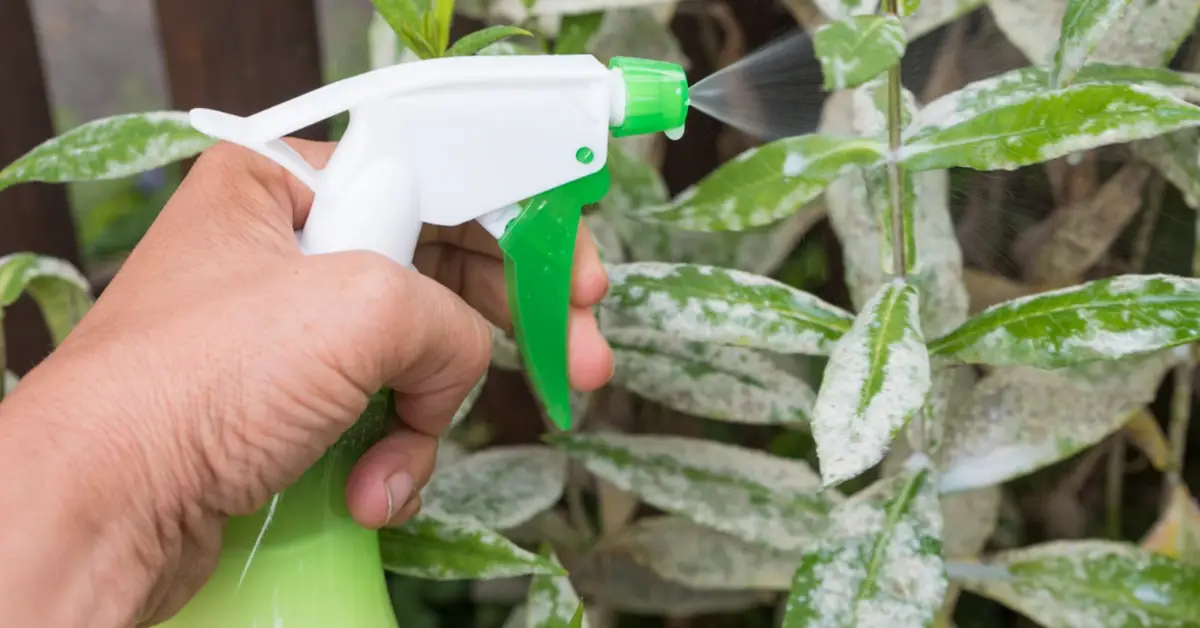
This one always surprises people. Mix 40% milk with 60% water, and spray every 7 to 10 days. Use it on both sides of the leaves.
Why it works: Milk contains lactic acid and natural proteins that act as mild antifungal agents. Sunlight enhances this effect, creating a protective film that kills spores and prevents new ones from forming.
3. Neem Oil Solution
Neem oil is one of nature’s best defenses. Combine 2 teaspoons neem oil, ½ teaspoon liquid soap, and 1 litre of water. Shake well before spraying and use during cooler parts of the day — early morning or evening.
Why it works: Neem contains azadirachtin, a compound that disrupts fungal reproduction and prevents spores from spreading. It’s also safe for most beneficial insects when used carefully.
4. Vinegar Mix
Mix 1 tablespoon white vinegar with 1 litre of water and spray sparingly. Avoid direct midday sun, and always test on a small section first.
Safety tip: Vinegar is acidic — too strong a mix can scorch tender leaves. Keep the ratio low and avoid overuse.
5. Hydrogen Peroxide Spray
Combine 2 tablespoons of 3% hydrogen peroxide with 1 litre of water. Spray lightly and repeat every few days until symptoms fade.
Why it works: Hydrogen peroxide acts as a natural oxidizer, breaking down fungal spores on contact while leaving behind only oxygen and water.
Each of these remedies tackles powdery mildew from a different angle — some prevent, others kill, and a few do both. I usually start with milk or baking soda for mild cases, then switch to neem oil if it starts spreading. The trick is consistency. Stick with a routine for a few weeks, and you’ll see your plants start breathing easy again.
Prevention Is the Real Cure – 7 Simple Habits
Once you’ve beaten powdery mildew, the real victory is keeping it from coming back. I’ve learned over the years that prevention is less about constant spraying and more about creating an environment where mildew simply can’t thrive. These habits don’t take much time, but they make a huge difference when practiced regularly.
Here are seven prevention habits I follow religiously in my own garden:
- Prune overcrowded areas: When plants grow too close together, air can’t circulate properly. Trim lower or overlapping branches to keep the breeze flowing.
- Water the soil, not the leaves: Powdery mildew loves moisture sitting on the leaf surface. Use a watering can or drip system that keeps foliage dry.
- Maintain airflow: Space your plants well and, if possible, position them where they get good morning sunlight to dry off early dew.
- Rotate crops: Don’t grow the same mildew-prone plants (like cucumbers or squash) in the same spot year after year. Fungal spores can linger in the soil.
- Clean your garden tools: Always disinfect pruning shears and stakes after using them on infected plants — it prevents spreading spores unknowingly.
- Remove infected leaves safely: Cut them off, bag them, and throw them away — don’t compost them, or you’ll recycle the spores right back into your garden.
- Mulch wisely: Add a thin layer of organic mulch like straw or bark chips to reduce soil splash that can spread fungal spores upward. For gardeners looking to build stronger, more resilient plants from the roots up, try learning how to use sea salt for plants — natural ways to strengthen plants. It’s another gentle, soil-friendly way to boost your garden’s natural defenses.
Prevention isn’t glamorous, but it’s powerful. The goal isn’t to fight mildew every season — it’s to make your garden a place it doesn’t want to live in at all. (You can find more long-term fungal prevention tips from trusted sources like The Old Farmer’s Almanac.)
Common Myths About Powdery Mildew Treatments
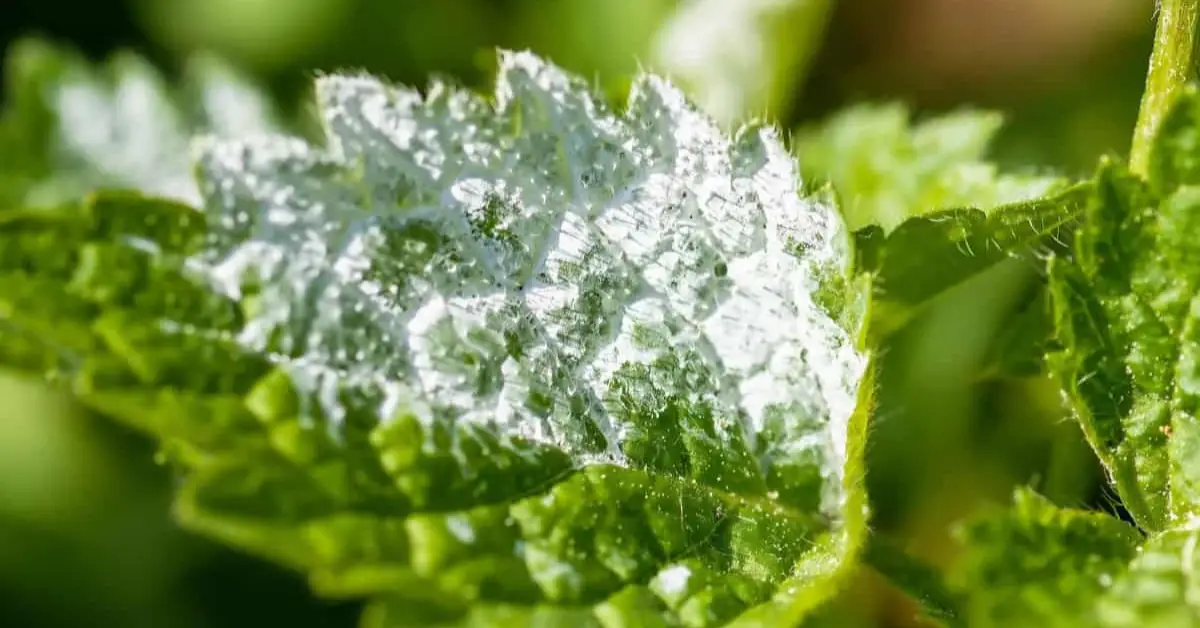
If you’ve spent any time online searching for mildew cures, you’ve probably seen plenty of “miracle” hacks. I’ve tried a few myself — and let’s just say, not all advice floating around the internet is worth following. Let’s clear up a few myths that refuse to die:
- Myth 1: “Cinnamon kills mildew instantly.”
Cinnamon does have mild antifungal properties, but sprinkling it on leaves won’t stop an active infection. It’s more useful on soil for seedling damping-off than on foliage. - Myth 2: “Sunlight alone can cure mildew.”
Sunlight can slow mildew growth by drying leaves, but once spores take hold, light alone can’t destroy them. In fact, too much direct sun after spraying vinegar or baking soda can scorch your plants. - Myth 3: “Once treated, mildew won’t come back.”
Unfortunately, spores travel easily on wind, clothes, or garden tools. Even after successful treatment, you’ll need regular inspections to catch it early again. - Myth 4: “Chemical fungicides are the only reliable option.”
Modern research and real gardeners alike have proven that natural methods can be just as effective when applied consistently and correctly.
When you know what’s true and what’s not, you save time, money, and a lot of frustration. Misinformation is often the reason gardeners give up — but armed with facts, you stay in control.
Step-by-Step Weekly Treatment Schedule
Once powdery mildew appears, having a clear routine helps you stay on top of it without overdoing it. I like to treat it as a short weekly cycle — a rhythm that keeps my plants healthy without stressing them.
| Day | Action | Purpose |
|---|---|---|
| Day 1 | Apply your chosen natural spray (baking soda, milk, or neem oil) on affected areas | Kills surface spores and stops spread |
| Day 3 | Gently wipe off residue with a damp cloth or rinse leaves lightly | Removes dead spores and prevents buildup |
| Day 7 | Inspect new growth; reapply spray if spots reappear | Reinforces protection and prevents re-infection |
| Weekly Tip | Check air circulation, prune lightly, and water at soil level | Maintains an environment unfriendly to mildew |
Consistency is the secret. Don’t expect results overnight — most plants need two or three full cycles to recover fully. Once the leaves stay clear for a week or two, you’ll know your routine is working.
When to Seek Help (If It’s Too Late)
Sometimes, despite all your best efforts, powdery mildew takes over faster than you can control it. I’ve been there — standing over a once-beautiful squash plant that now looks ghosted in white. It’s hard to admit, but sometimes the kindest thing you can do for your garden is to let that plant go.
If more than half the foliage is covered or new growth is already showing signs of infection, it’s usually too late to reverse. At that point, keeping the plant can risk spreading spores to everything nearby. Here’s how to deal with it safely:
- Remove heavily infected plants completely. Uproot them carefully to avoid shaking off spores.
- Bag and seal all infected leaves, stems, and debris. Never toss them in compost — the heat rarely gets high enough to kill fungal spores.
- Disinfect tools like shears, gloves, and stakes with a mild bleach or alcohol solution before reusing them.
- Avoid replanting the same species in that spot immediately. Give the soil a rest or rotate with a different crop for one season.
It’s never fun losing a plant, but by handling it the right way, you protect your other greens and give your garden a better chance to bounce back stronger next season.
Key Takeaways & Eco-Friendly Reminder
If there’s one thing I’ve learned, it’s that consistency beats chemicals every time. Powdery mildew might look intimidating, but once you understand what triggers it, it’s completely manageable.
Here’s a quick recap:
- Treat early: The sooner you act, the easier it is to control.
- Stay consistent: Regular spraying and monitoring prevent it from returning.
- Protect the good guys: Avoid harsh fungicides that harm bees, soil microbes, and the natural balance of your garden.
- Keep airflow and spacing in check: A well-ventilated garden is your best defense.
Gardening isn’t about perfection — it’s about care, patience, and learning from every season. The more you nurture the ecosystem around your plants, the fewer problems you’ll face in the long run. If you’re working toward a more sustainable garden routine, you’ll also love reading about
Have you ever dealt with powdery mildew in your garden? What natural remedy worked best for you? Share your experiences in the comments — your tips might help another gardener save their plants!
For more hands-on guides, natural treatments, and real gardening experiences, visit Plant Care Dairy — your trusted space for smarter, greener plant care.
Disclaimer: The information in this article is for educational and gardening guidance purposes only. Always test any spray or treatment on a small part of the plant first. Plant Care Dairy is not responsible for damage resulting from misuse or allergic reactions to suggested remedies.