

I still remember the first time I tried growing my own food. I bought fancy seeds, read half the internet, and still ended up with two limp tomato plants and a whole lot of disappointment. It took me a while to realise something simple — gardening doesn’t have to be complicated or time-consuming. You don’t need perfect soil, endless patience, or a green thumb that never fails. What you really need are the right plants — the ones that practically grow themselves.
Over the years, I’ve found a few vegetables and fruits that are so forgiving it’s almost unfair. You can forget to water them, skip a feeding, or even go on holiday — and they’ll still reward you. These are the kinds of plants that give you confidence when you’re new, or freedom when you’re too busy to fuss.
If you’ve ever dreamed of harvesting your own food without turning it into a second job, this guide is for you. Let’s dig in — literally — and find out which plants will give you the most reward for the least work.
Criteria for “Zero Effort / Easy to Grow”
If you’ve ever looked at a lush garden and thought, “There’s no way I can keep up with that,” you’re not alone. I used to think the same until I realised the trick isn’t to work harder — it’s to choose smarter. Some plants practically take care of themselves, and that’s what this list is all about.
When I say “zero effort,” I don’t mean no effort — I mean plants that forgive your mistakes and thrive with minimal attention. Before we get to the list, let’s set the bar for what makes a fruit or vegetable truly easy to grow.
Here’s what I look for:
- Low water need: Plants that stay healthy even if you miss a watering or two.
- Tolerance to neglect: They don’t sulk if you forget to feed or prune them for a week.
- Disease resistance: Strong genetics that naturally fend off common pests or fungus.
- Minimal pruning or staking: No complicated maintenance, wires, or supports needed.
- Quick growth or self-seeding: You get results fast — or they come back on their own next season.
Why does this matter? Because as a beginner or a busy person, you need quick wins. Seeing your plants thrive gives you confidence and motivation to try more later. Think of this as your “starter pack” for gardening success — low-risk, high-reward crops that build your trust in the soil.
Here’s a quick look at what makes something low-effort:
| Effort Factor | Low-Effort Plants Handle It By… |
|---|---|
| Watering | Surviving short dry spells without stress |
| Pests & Diseases | Naturally resistant or easy to treat |
| Soil Needs | Thriving in average garden soil |
| Support & Pruning | Compact growth, no trellising required |
Once you know what makes a plant easy, you stop wasting energy on the wrong ones. Let’s look at the 10 vegetables and fruits that give you the biggest reward for the least work.
10 Easiest Vegetables & Fruits to Grow (Low-Maintenance Picks)
1. Radish
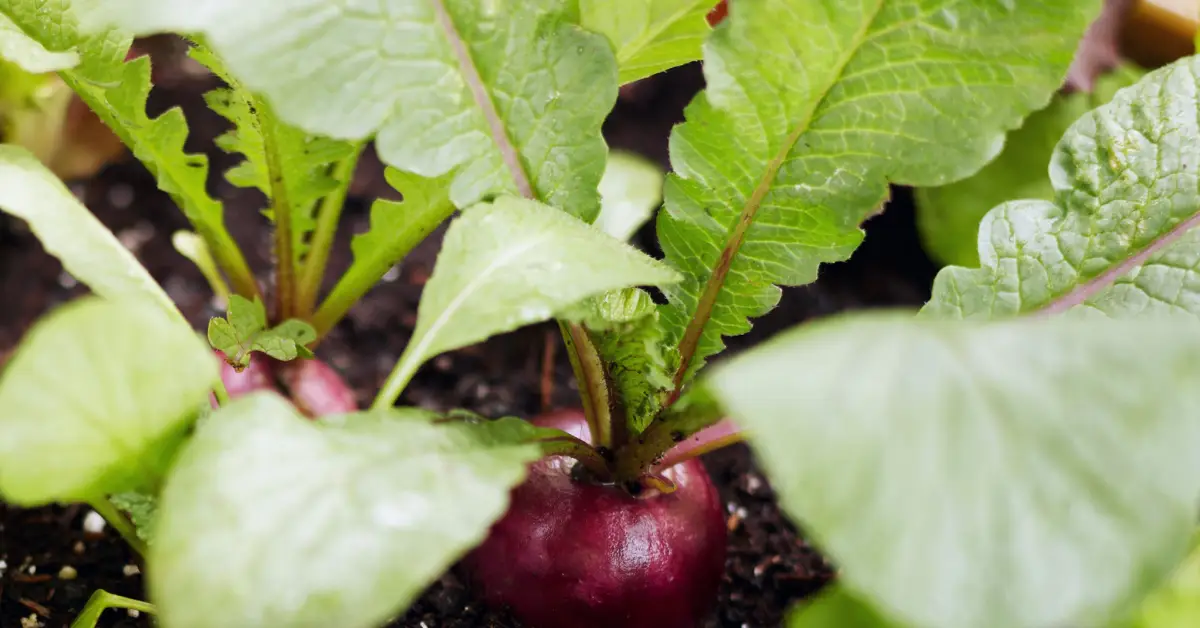
If you want a plant that makes you feel like a gardening genius in two weeks, start with radish. It germinates fast, grows even faster, and rarely gives trouble.
- Why it’s zero effort: Grows in poor soil, handles a bit of neglect, and resists most pests.
- Quick tip: Thin seedlings early and keep soil slightly moist — no puddles.
- Container advice: Perfect for shallow trays or window boxes.
2. Bush Beans (Green Beans)
I love bush beans because once you sow them, they almost take care of themselves.
- Why it’s zero effort: Hardy, heat-tolerant, and produces generously with just sunlight.
- Quick tip: Pick regularly to encourage continuous harvest.
- Container advice: Grow in a large pot with 6–8 inches of soil depth.
3. Zucchini (Summer Squash)
The “set it and forget it” champion of the garden. Zucchini gives you more food than you can handle.
- Why it’s zero effort: It thrives in basic soil and grows fast without fuss.
- Quick tip: Watch out for powdery mildew — space plants for good airflow.
- Container advice: One plant in a medium pot is enough for a family.
4. Garlic & Onions
These are the definition of patience without pressure.
- Why it’s zero effort: You plant once, water occasionally, and harvest months later.
- Quick tip: Avoid soggy soil — that’s the only real enemy.
- Container advice: Raised beds or deep pots work perfectly.
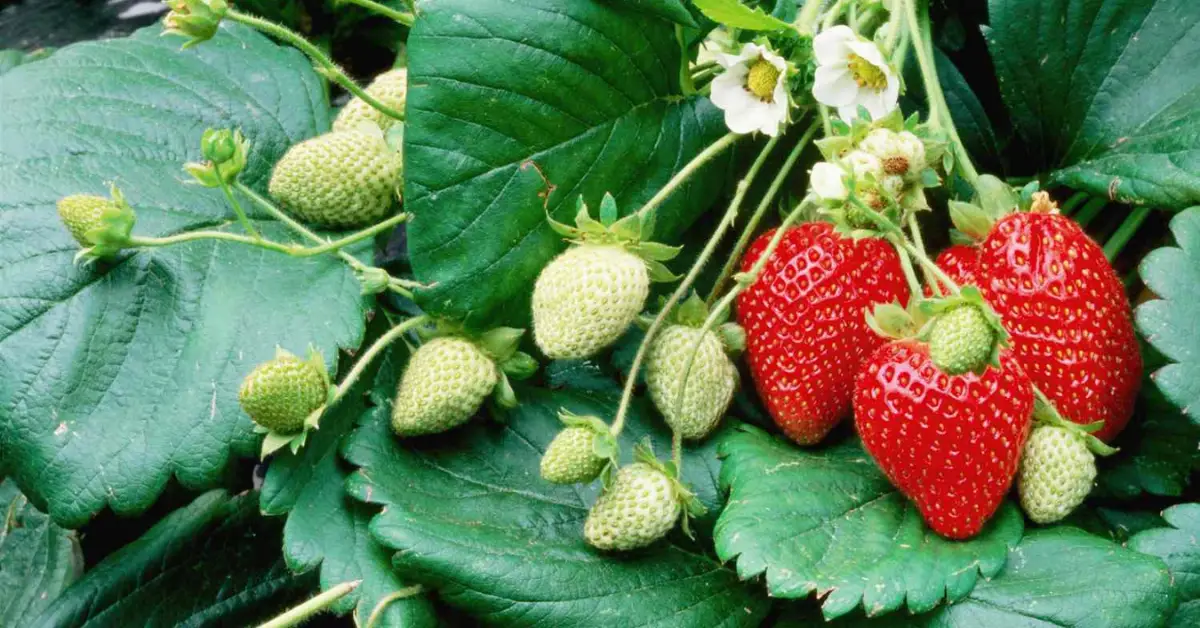
5. Strawberries (Perennial Type)
Once your strawberry bed is established, it keeps coming back year after year.
- Why it’s zero effort: Perennial growth means less replanting.
- Quick tip: Trim runners occasionally to focus growth on fruiting.
- Container advice: They love hanging baskets and vertical planters.
6. Cherry Tomatoes
The easiest fruiting plant you’ll ever grow. Even when you forget them for a week, they bounce back.
- Why it’s zero effort: Compact, disease-resistant varieties need little pruning.
- Quick tip: Stake early and water at the base to prevent fungal issues.
- Container advice: Choose a dwarf or patio variety for pots.
7. Lettuce & Leafy Greens
If patience isn’t your strength, lettuce will be your favourite crop.
- Why it’s zero effort: Germinates quickly, tolerates shade, and keeps producing with cut-and-come-again harvesting.
- Quick tip: Provide partial shade during hot afternoons.
- Container advice: Ideal for small trays or vertical setups.
8. Carrots & Beets
Forget them in the ground — they’ll still surprise you later.
- Why it’s zero effort: They’re tough, steady growers that don’t demand constant care.
- Quick tip: Loose soil helps roots grow straight; no need for rich compost.
- Container advice: Deep, narrow containers are ideal.
9. Blackberries & Raspberries
These are the “plant once, harvest forever” type.
- Why it’s zero effort: Hardy perennials that can handle neglect and still fruit.
- Quick tip: Light pruning once a year keeps them tidy.
- Container advice: Dwarf varieties fit beautifully in large pots or barrels.
10. Cucumbers & Cucamelons
If you love watching vines take off on their own, this one’s for you. Even better — cucamelons are trending as the easiest and quirkiest garden fruit this year, according to Homes & Gardens.
- Why it’s zero effort: Fast growers that thrive with minimal watering once established.
- Quick tip: Use a trellis and check pollination occasionally.
- Container advice: Vertical planters or balcony trellises work great.
Each of these plants rewards your small efforts with visible results — and that’s what keeps you hooked. If you’re just starting out, try one or two from this list and build from there. You’ll be amazed how quickly your space — and your confidence — grows.
And once you’ve mastered these low-effort crops, you can take the next step with slightly more structured vegetables like cabbage, which are still beginner-friendly but teach you a lot about soil and spacing.
So tell me — which one are you planning to try first?
“Zero Effort” Tips & Hacks to Make Gardening Almost Hands-Free

If you’ve ever wished your garden could run on autopilot, this is where things start to get fun. Over the years, I’ve found a few habits that make growing food feel almost effortless — the kind of setup where you can skip a few days and still come back to thriving plants. These aren’t fancy tricks; they’re practical, time-tested methods that genuinely reduce the work while keeping your garden productive.
Here’s what really makes gardening hands-free:
- Mulching keeps the soil calm: A layer of leaves, straw, or bark helps the soil stay cool, prevents weeds, and locks in moisture. You’ll water less and save hours on weeding.
- Self-watering pots & drip irrigation: These systems deliver steady moisture directly to the roots, meaning you can stop worrying about dry spells or overwatering.
- Plants that reseed themselves: Some crops, like lettuce and cherry tomatoes, drop seeds that sprout naturally the next season. It’s nature’s way of saying, “I’ve got this.”
- Companion planting works like teamwork: Pairing plants such as basil with tomatoes or marigolds near beans helps deter pests naturally and boosts growth without chemicals.
- Feed the soil early, not the plant later: Mixing compost or organic matter before planting builds long-term fertility and reduces the need for fertilizers.
- Choose locally proven, disease-resistant varieties: These are bred to handle your climate and local pests better than exotic ones. Ask a nearby nursery what thrives best where you live.
- Lean on perennials: Once you’ve planted hardy options like chives, strawberries, or rhubarb, they’ll return every season with almost no care.
And if you’re in the mood to try something fun, Gardenary showed most low-maintenance plants to grow.
Think of these small changes as gardening autopilot — you set things up once, and nature takes over from there.
Common Pitfalls Even with “Easy” Plants & How to Avoid Them
Even the simplest plants can run into trouble if a few basics go wrong. Most of my early gardening “failures” came down to tiny oversights — things that take just a moment to fix once you know what to look for.
Here are the common slip-ups (and how to dodge them):
- Overwatering or underwatering: Check before you pour. If the soil feels damp one inch down, skip watering that day. Plants hate soggy roots as much as dry ones.
- Heavy or compacted soil: If your soil feels dense, mix in compost, sand, or coconut coir. Loose soil helps roots breathe and grow straight.
- Sneaky pests: Even “easy” crops can get aphids or slugs. Watch the leaves — sticky residue or small holes are early warning signs. A mild soap-and-water spray often solves it.
- Weather extremes: Heatwaves, cold snaps, or strong winds can shock young plants. Use mulch or light covers for protection during sudden changes.
- Poor air circulation: Overcrowded seedlings invite disease. Give your plants a little elbow room and prune occasionally to keep air flowing.
- Knowing when to let go: Sometimes, a plant just won’t bounce back — and that’s okay. Pull it, replant, and move on. Healthy soil recovers fast.
Even in a “zero effort” garden, small observations make all the difference. Once you start reading your plants’ signals — droopy leaves, discoloured edges, or slow growth — you’ll know exactly what they’re asking for. And that’s when gardening starts to feel less like work and more like a quiet conversation with nature.
Suggested Planting Calendar / Zone-Wise Guide
One thing I wish I knew earlier: timing can make or break your garden. You can pick the easiest plants in the world, but if you sow them at the wrong time, they’ll struggle no matter how low-maintenance they are. Once you learn to plant by season — not just by enthusiasm — your success rate skyrockets.
Here’s a quick guide to help you get started, whether you live in a temperate, tropical, or monsoon climate.
| Climate Type | Best Months to Plant | What to Grow Easily | Notes / Seasonal Tips |
|---|---|---|---|
| Temperate (Cool to Warm Seasons) | March–June (spring), August–October (fall) | Lettuce, radish, carrots, beans, strawberries | Protect tender plants from late frost; use mulch in fall. |
| Tropical (Warm Year-Round) | January–March, July–September | Okra, cucumbers, cherry tomatoes, basil | Shade plants during peak sun; frequent light watering helps roots stay active. |
| Monsoon / Humid Regions | May–August | Spinach, gourds, beans, cucamelons | Use raised beds to prevent waterlogging; pick mildew-resistant varieties. |
| Cool / Winter Planting | October–February | Garlic, onions, kale, lettuce | Choose hardy crops; keep soil covered with compost or straw mulch for insulation. |
If you’re unsure which zone you fall under, The Old Farmer’s Almanac offers a reliable planting calendar based on your zip code or region. It’s a handy tool for matching your sowing schedule to local temperatures and frost dates.
The key is to work with your climate, not against it. Each zone has its window of opportunity — once you figure that out, you’ll spend far less time troubleshooting and more time harvesting.
How to Start with Just One Plant (Beginner Plan)
If you’re new to gardening, don’t worry about planting ten things at once. I always tell beginners — start with one or two easy plants, learn their rhythm, and build from there. You’ll learn faster, waste less, and gain real confidence along the way.
Here’s how to begin:
- Pick your starter crop: Go with something forgiving like radish, lettuce, or garlic. They germinate quickly, show visible progress, and don’t demand much care.And once you’ve grown your first few quick crops, you might enjoy trying resilient plants like eggplants, which are equally beginner-friendly and incredibly satisfying to harvest.
- Set up your space: Choose a sunny corner, a balcony pot, or a small raised bed. Make sure water drains easily — soggy roots are a beginner’s worst enemy.
- Your first week:
- Day 1–2: Sow your seeds and water gently.
- Day 3–5: Keep the soil slightly moist; check once a day.
- Day 6–7: You’ll likely see sprouts! Celebrate — you’re officially growing food.
- First-month expectations: Don’t panic if growth slows or leaves look uneven. Plants adjust to weather, light, and soil conditions. A little patience goes a long way.
- Keep learning by observing: Notice how your plant reacts to water, sun, or shade. Those tiny lessons are worth more than any gardening guide.
Remember — the goal isn’t perfection, it’s progress. Once you’ve nurtured your first harvest, even a handful of homegrown lettuce, you’ll understand the quiet joy that keeps gardeners hooked for life.
Wrap-up: Grow Smart, Not Hard
If there’s one thing I’ve learned after years in the garden, it’s this — you don’t need to work harder to grow more. You just need to pick the right plants, give them the right start, and let nature do what it does best. A little planning now saves hours of fixing later, and the reward — fresh, homegrown food — is worth every bit of effort you didn’t have to make.
Before you rush off to buy seeds, here’s a quick “grow smart” checklist to keep things easy and consistent:
What to Set Up First:
- Pick 2–3 low-maintenance plants from the list.
- Choose well-draining containers or a small raised bed.
- Add compost or organic matter before planting.
- Set up drip irrigation or self-watering pots if possible.
What to Monitor Weekly:
- Soil moisture (not too dry, not soggy).
- New growth — healthy leaves mean you’re doing fine.
- Pests or signs of stress — catch them early, act fast.
- Harvest on time — plants reward you when picked regularly.
Don’t be afraid to experiment. Every garden teaches you something new — whether it’s a trick about your soil, how your sunlight shifts during the day, or which plant refuses to die no matter what. Keep notes, stay curious, and most importantly, enjoy the process.
Your “zero-effort” garden starts the moment you stop overthinking and start planting.
Now it’s your turn — which easy-to-grow plant are you trying first? Share your experience in the comments below and inspire someone else to start their journey.
For more practical guides, seasonal planting tips, and real gardener stories, visit Plant Care Dairy — where growing smart is always better than growing hard.
Disclaimer: The gardening tips shared here are based on personal experience and general horticultural advice. Results may vary depending on your climate, soil quality, and local conditions. Always check your regional planting calendar and consult a local nursery for the best plant varieties suited to your area.