

When I first started gardening, cabbage was one of the first vegetables I tried to grow. It seemed simple enough, but I quickly realized there’s more to it than just throwing seeds in the soil. The truth is, cabbage can be a bit picky about its environment—its soil, water, and even how much sunlight it gets. But don’t worry! With the right approach, cabbage is incredibly rewarding to grow, especially for beginners like you.
In this guide, I’ll walk you through everything I’ve learned about growing cabbage—what works, what doesn’t, and how to avoid common mistakes. Whether you have a small garden or are growing it in containers, I promise you, it’s totally doable. By the end, you’ll be ready to grow your own lush, green heads of cabbage, perfect for fresh salads, soups, or even sauerkraut. Let’s dive in!
Choosing the Right Cabbage Variety
When it comes to growing cabbage, not all varieties are created equal. Each type has unique characteristics that make it better suited for specific needs, whether it’s for a particular recipe, climate, or space constraints. Let me walk you through the most common types and help you figure out which one might be the best for your garden.
- Green Cabbage: This is the most common type you’ll see at the grocery store. It’s perfect for coleslaw, soups, and stir-fries. The heads are firm and dense, and the flavor is mild with a slight sweetness. If you’re looking to grow cabbage for versatile kitchen use, green cabbage is a great choice.
- Red Cabbage: If you want to add a pop of color to your garden, red cabbage is your go-to. It’s packed with antioxidants and offers a slightly peppery taste. Red cabbage is especially great for pickling, salads, and even as a cooked side dish. Keep in mind, though, it tends to have a slower growing cycle than green cabbage, so plan accordingly.
- Savoy Cabbage: This type stands out for its ruffled, tender leaves and a slightly sweeter taste than the other varieties. Savoy cabbage is perfect if you’re looking to make wraps, stuffed cabbage, or simply sauté it. It’s a little more delicate, so it may not be as hardy as green cabbage, but it’s a treat when cooked fresh.
If you’re growing vegetables like potatoes, you’ll find that some of the planting principles for cabbage also apply, like choosing the right space and timing.
Now, how do you decide which one is best for you? Here’s a quick breakdown:
- Space: If you have limited garden space, consider red or Savoy cabbage, as these varieties are typically smaller and more compact.
- Cooking needs: For a variety of culinary uses, green cabbage is incredibly versatile. If you’re looking for something that holds up well when cooked or pickled, red cabbage is the winner.
- Climate: Some cabbage varieties, like Savoy, can tolerate cooler climates better, making it ideal for fall or early spring planting.
Preparing Your Garden for Cabbage
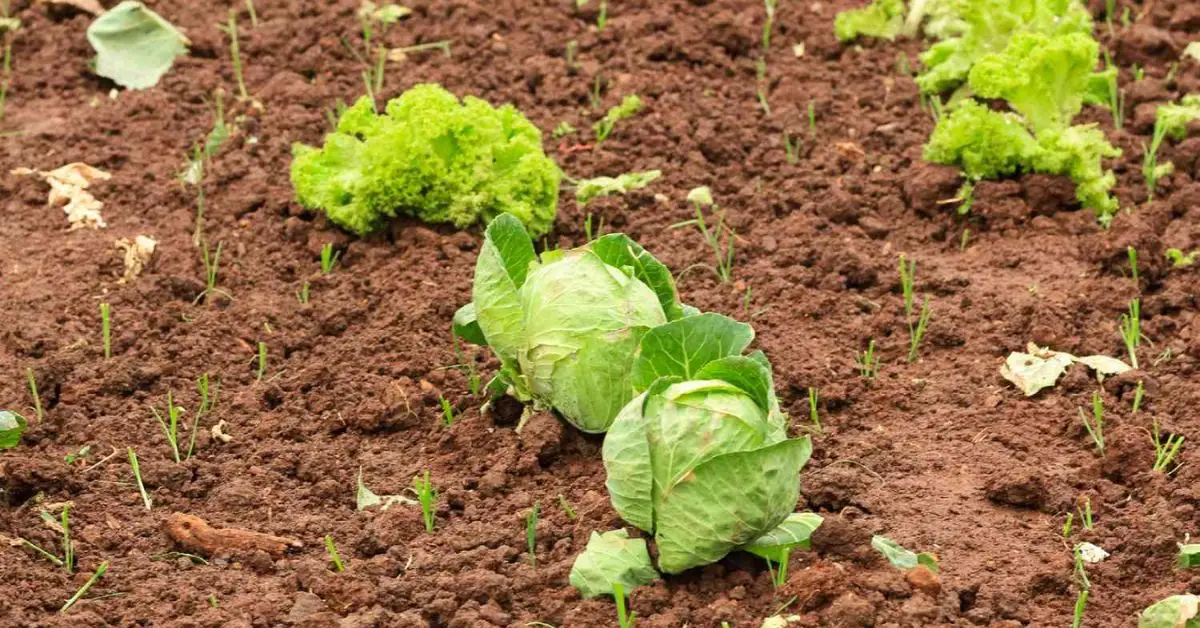
Before you start planting your cabbage, let’s talk about preparing your garden to give it the best chance at thriving.
Soil Requirements for Cabbage
Cabbage is a heavy feeder, which means it needs soil that’s rich in nutrients. Here’s how to set your soil up for success:
- pH Level: Cabbage grows best in soil with a slightly acidic to neutral pH, around 6.0 to 7.0. You can test your soil’s pH with a simple test kit and adjust accordingly by adding lime if the soil is too acidic or sulfur if it’s too alkaline.
- Texture: Ideal soil for cabbage should be loamy and well-drained. This ensures that water doesn’t sit around the roots, which could lead to rot. You can mix organic compost or well-rotted manure into the soil to improve its structure and nutrient content.
- Drainage: Cabbage doesn’t like wet feet (roots sitting in stagnant water). Make sure the soil is well-draining, and consider raised beds or planting on mounds if you’re worried about poor drainage. If you notice water pooling in your garden, you might want to adjust your planting strategy to avoid soggy roots.
Like cabbage, garlic thrives in well-draining soil, so if you’re planning to grow both, consider using organic matter to enrich the soil for both crops.
For more detailed info on cabbage soil prep, check out the advice on the University of Utah Extension site for expert tips.
Choosing the Best Planting Location
Now that the soil is prepped, it’s time to think about where to plant your cabbage. Choosing the right location is just as crucial as soil preparation. Here are some key factors to consider:
- Sunlight: Cabbage thrives in full sunlight, so look for a spot that gets at least 6-8 hours of direct sunlight per day. This ensures strong, healthy plants. If you live in a hot climate, a little afternoon shade may help keep the plants from wilting.
- Temperature: Cabbage is a cool-season crop, so it does best in temperatures between 50-70°F (10-21°C). If you’re planting during a warmer season, consider planting cabbage in the early spring or late summer to avoid the hottest months. In the cooler months, cabbage can withstand light frost, but severe cold can damage the plant.
- Frost-Free Zones: Make sure to plant your cabbage after the last frost in your area. Cabbage is quite hardy, but young seedlings are sensitive to frost, which could stunt their growth. Consider using row covers if you’re planting early in the season, just to give your cabbage an extra layer of protection.
By following these guidelines, you’ll be well on your way to a healthy cabbage crop that’s ready to thrive! Ready to get started? Let’s dive into the next step: planting!
Planting Cabbage
When to Plant Cabbage: Timing is Key
The timing of your cabbage planting can make or break your harvest. Let me break down the best times to plant cabbage, depending on your climate and region.
- Cool-Season Crop: Cabbage loves cool weather and grows best in temperatures ranging from 50-70°F (10-21°C). If you live in a mild climate, you can plant cabbage early in the spring after the last frost date. For colder regions, fall planting is also an option, but make sure to harvest before the first hard frost.
- Spring Planting: In most areas, you’ll want to plant cabbage 6-8 weeks before the last expected frost. This gives the plants enough time to establish roots before the heat hits. If you’re using seeds, start them indoors 6-8 weeks before the last frost, then transplant them once the soil is warm enough.
- Fall Planting: For regions with hot summers, you can plant cabbage in late summer for a fall harvest. Cabbage is a great crop for cooler fall temperatures, and it actually tends to taste sweeter after a light frost.
Planting Tips: How to Space and Plant Cabbage Seeds or Seedlings
Once you’ve determined the best planting time, it’s time to get your cabbage into the soil. Here’s how to plant cabbage successfully:
- Spacing: Cabbage plants need plenty of room to grow. Space seedlings 12-24 inches apart, depending on the variety. Larger heads of cabbage require more space, while smaller varieties can be spaced closer together. This gives each plant enough room for its roots to spread out and ensures good air circulation, which helps prevent disease.
- Depth: When planting seeds, sow them about 1/4 to 1/2 inch deep. If you’re planting seedlings, make sure the root ball is level with the soil surface. Planting too deep can drown the seedling, while planting too shallow can stunt growth.
- Soil Preparation: Make sure the soil is well-draining and rich in nutrients. If you haven’t already, mix in some compost or organic fertilizer before planting. Healthy soil helps your cabbage grow strong and resilient.
Much like pumpkin seeds, cabbage seeds need to be planted at the right depth and spacing to ensure healthy growth.
Caring for Your Cabbage Plants

Once your cabbage is planted, it’s time to focus on maintenance. Here’s how you can care for your cabbage plants to ensure a bountiful harvest.
Watering and Fertilizing: Best Practices
Watering and fertilizing are two key components to keeping your cabbage happy and healthy:
- Watering Frequency: Cabbage plants need a consistent supply of water. Aim for about 1-1.5 inches of water per week, either from rainfall or irrigation. Keep the soil moist, but avoid waterlogging, as too much water can lead to root rot.
- Fertilizing: Cabbage is a heavy feeder, meaning it needs regular feeding. Use a balanced, slow-release fertilizer that’s rich in nitrogen. Apply the fertilizer at planting time and again when the plants are about halfway to maturity. Over-fertilizing can lead to excessive leafy growth with fewer heads, so follow the recommended dosage on the fertilizer package.
For more expert advice on fertilization, check out The Old Farmer’s Almanac here: Planting and Fertilizing Cabbage.
Mulching for Moisture Retention and Weed Control
Mulching is a game-changer when it comes to keeping your cabbage healthy. Here’s why:
- Moisture Retention: Mulch helps retain soil moisture, ensuring that your cabbage gets a consistent water supply, especially during dry spells. This is important because cabbage needs consistent moisture to avoid bolting (flowering prematurely).
- Weed Control: Mulching acts as a barrier for weeds, reducing competition for nutrients and space. This is especially important during the early stages when cabbage seedlings are small and vulnerable.
Mulch also keeps the soil cool, which is a bonus in warmer climates where cabbage can get stressed in the heat. Use organic materials like straw, grass clippings, or compost to mulch your cabbage plants.
Managing Pests and Diseases
Common Cabbage Pests and How to Control Them
Cabbage, like any other garden plant, attracts pests. But don’t worry—there are natural ways to control them:
- Cabbage Worms: These little green pests can wreak havoc on your cabbage leaves. One of the most effective ways to control them is by hand-picking them off the leaves or using organic pesticides like neem oil.
- Aphids: Aphids can cause cabbage leaves to curl and distort. They’re also easy to control with insecticidal soap or a simple solution of water and dish soap sprayed directly on the pests.
- Slugs and Snails: If your cabbage leaves have holes, slugs and snails could be the culprits. You can reduce their numbers by placing beer traps in your garden or spreading diatomaceous earth around the base of the plants.
How to Identify and Prevent Cabbage Diseases
Diseases can quickly spread and damage your cabbage plants if not managed properly. Here’s what to watch out for:
- Black Rot: Caused by a bacterial infection, black rot presents as yellowing leaves with black veins. Avoid planting cabbage in infected soil, and ensure proper spacing and air circulation.
- Downy Mildew: A fungus that causes pale, yellow spots on leaves. Prevent mildew by planting in a well-ventilated area and watering at the base of the plants to avoid wetting the leaves.
To help keep your cabbage disease-free, it’s essential to follow proper gardening hygiene, such as sanitizing your tools and rotating crops every year. Regularly check your plants for early signs of disease so you can act quickly before things get out of control.
Harvesting Your Cabbage
Signs Your Cabbage is Ready to Harvest
Knowing when your cabbage is ready for harvest is crucial to getting the best flavor and texture. Here’s how to tell:
- Firmness: When the cabbage head feels solid and firm to the touch, it’s time to harvest. You should be able to press gently on the head without it feeling squishy or soft. A mature cabbage head will be compact and feel dense when you squeeze it.
- Color: For green cabbage, the leaves should be a vibrant, uniform green. For red cabbage, the color should be deep and rich, and for Savoy, the leaves will have a crinkled texture and a darker green tone.
- Size: Cabbages are typically ready for harvest when the head reaches 6-10 inches in diameter, depending on the variety. Larger heads indicate full maturity, but if left too long, cabbage can begin to split.
To ensure you get the best cabbage, it’s important to keep an eye on the head as it matures. If you’re unsure, check the variety’s specific harvest time, but generally, cabbage is ready between 70 to 100 days after planting.
Proper Harvesting Techniques
When the cabbage is ready, use the right technique to ensure it lasts longer:
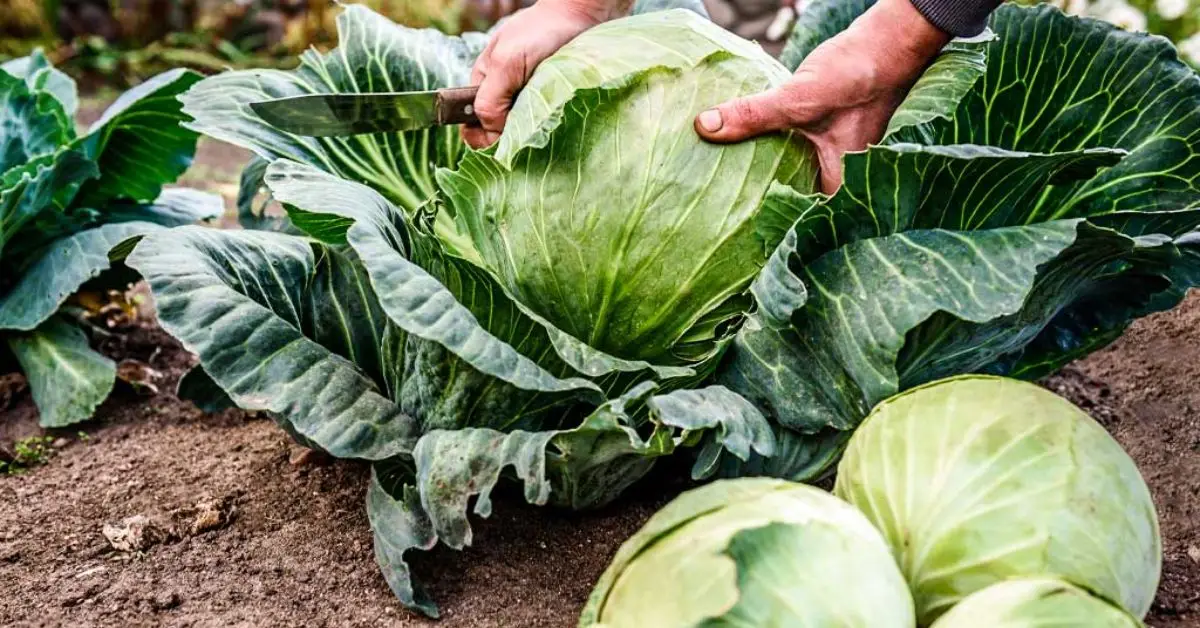
- Cutting the Cabbage: To harvest, use a sharp knife or garden shears to cut the cabbage head from the stalk. Leave about 1-2 inches of the stem attached to the head, which can help with storage.
- Handling: Be gentle while cutting to avoid bruising the head. If you’re harvesting multiple heads, avoid stacking them on top of each other to prevent crushing.
- Timing: Early morning, when the cabbage is cool and moist, is the best time to harvest. This helps preserve the cabbage’s flavor and texture.
Storing and Using Your Harvested Cabbage
How to Store Cabbage for Long Shelf Life
Proper storage is key to keeping your cabbage fresh for as long as possible:
- Refrigeration: Store cabbage heads in the vegetable drawer of your fridge. Wrap them loosely in a plastic bag to maintain moisture and prevent them from drying out. Fresh cabbage can last about 2-3 weeks in the fridge.
- Freezing: To freeze cabbage, first blanch it in boiling water for 1-2 minutes, then cool it rapidly in ice water. Drain, chop, and store in airtight freezer bags. Frozen cabbage lasts about 12-18 months, making it a great option for long-term storage.
- Pickling: If you want to enjoy your cabbage in a different way, consider pickling it. Pickled cabbage (like sauerkraut) can last for months in the fridge and adds a flavorful touch to your meals.
For more tips on preserving cabbage, check out this guide from By The Farm: How to Grow Cabbage at Home – Easy Growing Guide.
Creative Ways to Use Cabbage in Your Cooking
Cabbage isn’t just for salads—it’s incredibly versatile! Here are some creative ways to incorporate it into your meals:
- Coleslaw: A classic choice for fresh cabbage. Shred the cabbage and mix with a tangy dressing for a refreshing side dish.
- Soups and Stews: Cabbage adds richness and depth to soups, especially vegetable soups or hearty stews. It pairs wonderfully with potatoes, carrots, and beans.
- Cabbage Rolls: Use cabbage leaves to wrap a tasty filling of rice, meat, or vegetables for a satisfying meal. Bake with tomato sauce for a comforting dish.
- Stir-Fries: Stir-fried cabbage with garlic, soy sauce, and your favorite veggies makes a simple and tasty side dish.
Common Mistakes to Avoid When Growing Cabbage
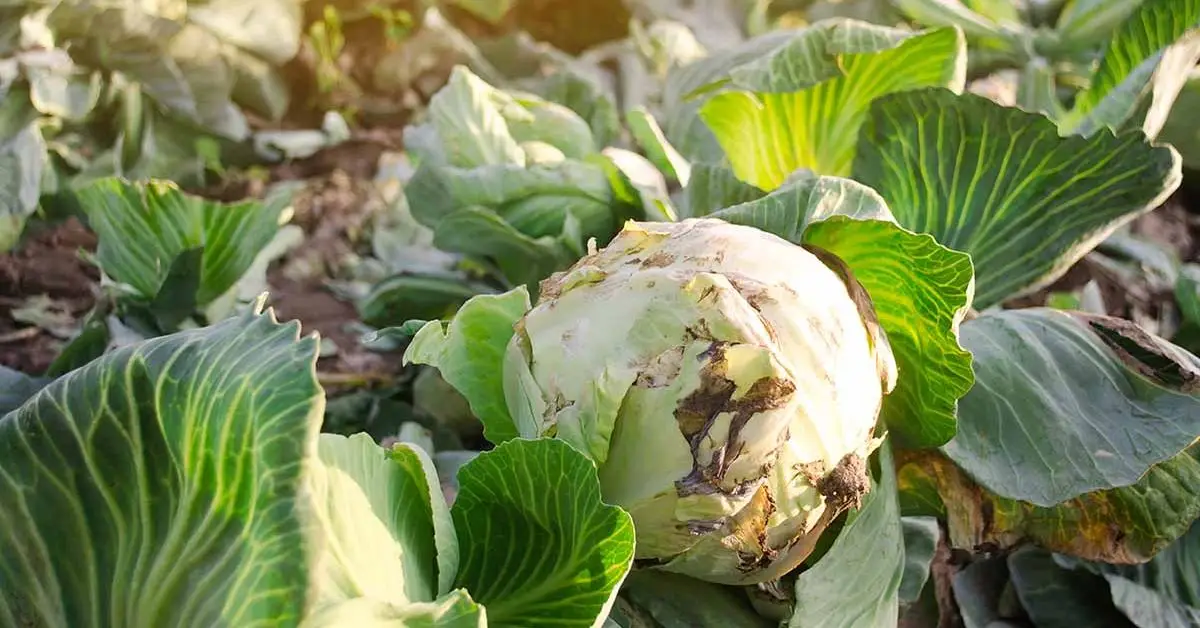
Even experienced gardeners can fall victim to common mistakes when growing cabbage. Here’s how to avoid them:
Overwatering, Poor Soil, and Incorrect Timing
- Overwatering: Cabbage needs consistent moisture, but it doesn’t like to be sitting in soggy soil. Make sure your garden has good drainage to prevent root rot. Water deeply but infrequently to keep the soil moist without over-saturating it.
- Poor Soil: Cabbage is a heavy feeder, so growing it in nutrient-poor soil can stunt its growth. Make sure you amend your soil with organic matter or compost to provide the nutrients cabbage needs to thrive.
- Incorrect Timing: Planting cabbage too early or too late in the season can result in poor growth. As a cool-season crop, cabbage needs to be planted at the right time of year for your region, ensuring that it gets the right amount of cool weather for optimal growth.
By avoiding these mistakes, you’ll be well on your way to a successful cabbage harvest!
Final Thoughts and Tips for Growing Cabbage
Growing cabbage can be incredibly rewarding if you follow the right steps. Here’s a quick recap of the most important tips for success:
- Choose the right variety: Whether you go with green, red, or Savoy, pick a variety that suits your cooking preferences and garden space.
- Prepare the soil: Ensure your soil is rich, well-draining, and slightly acidic. Compost or organic matter will give your cabbage the nutrients it needs to thrive.
- Plant at the right time: Plant cabbage in early spring or late summer for a fall harvest. Pay attention to your region’s climate for the best timing.
- Space your plants properly: Give each cabbage plant enough room to grow. A spacing of 12-24 inches ensures each plant has space to flourish.
- Water consistently, but not too much: Keep the soil moist without overwatering. A good balance will help avoid root rot and other issues.
- Watch for pests and diseases: Keep an eye out for common pests like aphids and cabbage worms, and prevent diseases with proper care and air circulation.
- Harvest at the right time: Look for a firm, compact head, and be sure to harvest early in the morning to preserve flavor.
By following these tips, you’ll be well on your way to a bountiful cabbage harvest.
I’d love to hear about your cabbage-growing experiences! Have you tried growing cabbage in your garden? What tips or challenges have you encountered? Share your thoughts in the comments below, and let’s continue the conversation.
For more gardening tips, visit us at Plant Care Dairy—your go-to source for all things plants and gardening!
Disclaimer: The information provided in this article is for general gardening guidance. Results may vary based on your local climate, soil conditions, and gardening practices. Always consult with a local gardening expert or extension service for advice tailored to your specific needs.