
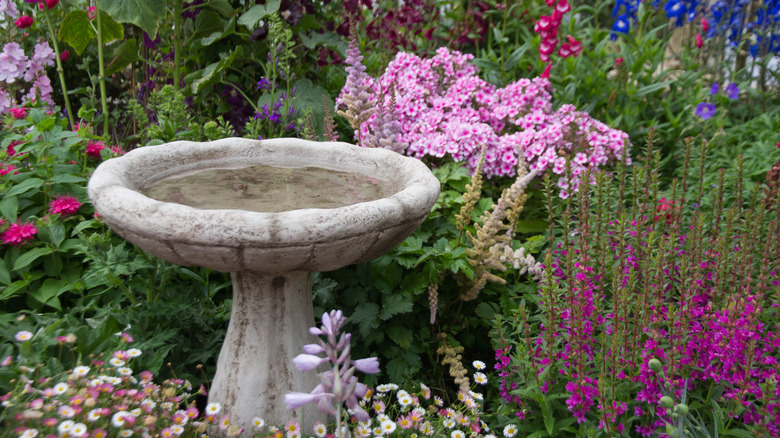
Let’s cut through the confusion: if your bird bath looks pretty but sits still, you’re missing out on the steady parade of birds your yard could be hosting. In this guide, I’ll show you exactly how to swap stagnant water for a gentle, arching waterfall that birds can hear, see, and safely enjoy.
By the end, you’ll know how to size a pump, hide plumbing, set the right water depth, and keep everything clean with a simple routine. You’ll also get a step-by-step build, troubleshooting tips, and a quick-reference checklist to keep your new feature running smoothly all season.
I’ll be honest: I used to rely on a classic dish-and-pedestal bath. It looked quaint, but I spent more time shooing mosquitoes than watching finches. The day I added moving water, the yard transformed—warblers came to sip, robins lined up to bathe, and even skittish cardinals felt brave enough to visit. The difference was instant.
Classic Bird Baths Vs. Waterfall Features: Why Motion Wins

Bird Behavior Loves Motion
- Sound Is A Beacon: The gentle splashing of a waterfall acts like a neon sign for thirsty birds, helping them locate water from a distance.
- Shimmer Signals Safety: Moving water reflects light and looks fresher than a still basin, which can appear risky to cautious species.
- Natural Mimicry: A waterfall imitates streamside conditions birds instinctively seek for drinking and bathing.
Cleanliness And Health
- Less Stagnation: Circulation inhibits algae and biofilm, keeping the water clearer between cleanings.
- Fewer Pests: Mosquitoes struggle to breed in moving water, especially when you run the feature daily.
- Better Hygiene: Continuous flow helps dilute droppings and dust that otherwise accumulate in a static dish.
Shade, Safety, And Comfort
- Cooler Water: Shade slows algae growth and prevents overheated water on hot days.
- Safe Entry/Exit: Gradual slopes and shallow shelves let small birds bathe without risk.
- Predator Awareness: Open sightlines near the feature give birds a clear view of cats or hawks.
When A Classic Bird Bath Still Works
- Add A Bubbler Or Dripper: Clip-on drippers, misters, or small bubblers add motion to an existing basin.
- Refresh Often: Dump, scrub, and refill every few days in warm weather to prevent algae and bacteria.
- Provide Grip: Set flat stones in the bowl to create 1–2 inch bathing areas and firm footing.
How To Build An Archway Waterfall In 9 Simple Steps

Materials You’ll Need
- Submersible Pump: Choose a model rated to lift water to the top of your arch (check “max head height”).
- Flexible Tubing: Pond-safe hose sized to your pump outlet (often 1/2–3/4 inch ID).
- Archway Structure: Metal, wood, or vinyl garden arch; hollow uprights are ideal for hiding tubing. Ready-made options like the Waterfall Arch Stacker make it easier to start without building from scratch.
- Water Distributor: A rain-shower head, drip manifold, or perforated bar to create a soft sheet of water.
- Basin Or Pond: A wide bowl, stock tank, or preformed liner to catch the waterfall.
- Power & Protection: Outdoor-rated GFCI outlet, smart plug or timer, and a drip loop.
- Rock & Gravel: Flat stones for perches, river rock for edges, and a small platform under the pump.
- Prefilter & Valve: A mesh prefilter/sponge and an inline flow-control valve or ball valve.
- Fasteners & Sealant: UV-safe zip ties or clips; exterior-grade sealant if drilling through the arch.
For a detailed kit and step-by-step instructions, check out this DIY backyard arched waterfall plan.
Placement And Power Planning
- Visibility: Set it where you can watch the action—near a window or seating area.
- Partial Shade: Aim for morning sun and afternoon shade to balance algae control and bird comfort.
- Level & Stable: Level the basin and ensure the arch is anchored securely against wind.
- Safe Power: Use a GFCI outlet, a drip loop, and outdoor-rated cords; keep connections off the ground.
- Hidden Hose Run: If the arch is hollow, plan to route the hose inside and exit at the apex.
9 Simple Steps
- Set The Basin: Mark the footprint, level the area, and place your basin or pond liner so splash lands back inside.
- Install The Arch: Assemble the archway and anchor it with stakes or footings so it won’t sway.
- Position The Pump: Place the pump on a flat stone in the basin to keep it off sediment; attach a prefilter.
- Run The Hose: Connect tubing to the pump and route it up the arch; feed it internally if possible for a clean look.
- Add Flow Control: Install an inline valve near the top so you can fine-tune the waterfall without reaching the pump.
- Attach The Distributor: Secure a shower head, perforated bar, or manifold at the apex to spread water into a gentle curtain.
- Test The Flow: Fill the basin, plug into a GFCI, and adjust the angle and flow so water falls neatly back into the catchment.
- Create Bird-Friendly Depths: Build shallow shelves (about 1–2 inches) with flat stones for safe bathing and easy exits.
- Hide And Automate: Conceal hose and clips with foliage, then set a timer or smart plug to run at dawn, dusk, and peak heat.
Safety And Waterproofing
- Drip Loop Always: Ensure cords hang lower than the outlet before curving up to prevent water traveling along the cable.
- Seal Penetrations: If you drill the arch, seal the exit hole and secure the hose to stop leaks and abrasion.
- Mind Head Height: Match pump capacity to your arch height; underpowered pumps trickle, overpowered ones overspray.
- Winter Strategy: In freezing climates, pull the pump and store it indoors or use a de-icer in a robust basin.
Pro Tips To Attract More Birds And Keep Water Clean
Shade And Microclimate
- Mix Light: Morning sun warms the water; afternoon shade prevents overheating and algae.
- Wind Breaks: Plant shrubs or place a fence panel upwind to reduce overspray and water loss.
- Cover Options: Climbing vines or a light pergola can add dappled shade without blocking flight paths.
Depth And Perches
- Shallow Shelves: Target 1/2–2 inches of water for bathing; deeper zones can be for drinking only.
- Non-Slip Footing: Use rough, flat stones with gaps for claws; avoid slick ceramic surfaces.
- Multiple Heights: Add perch stones around the rim so birds can drink without getting soaked.
Maintenance Routine
- Daily Quick Check: Skim leaves, top off water, and confirm the pump intake isn’t clogged.
- Weekly Refresh: Unplug, drain, scrub with a stiff brush, and refill. Avoid harsh soaps; a dilute white-vinegar rinse works.
- Monthly Deep Clean: Rinse the prefilter, check the impeller for debris, and wipe the distributor holes.
Seasonal Adjustments
- Summer Flow: Increase flow during heat waves to boost oxygen and sound; watch for overspray.
- Fall Leaves: Add a small mesh guard over the pump intake to prevent clogging.
- Winter Plan: Either run a basin de-icer in mild freezes or store gear and set out a heated shallow dish. For more tips on protecting tropical or sensitive plants during winter, see overwintering bird of paradise.
Troubleshooting And Quick Fixes
Cloudy Or Murky Water
- Cause: Dust, pollen, or fine sediment stirring up on windy days.
- Fix: Add a prefilter sponge, place the pump on a raised stone, and flush with a partial water change.
- Prevention: Use a simple mesh cover over the intake and maintain shallow shelves with stable rocks.
Algae Blooms
- Cause: Excess sun, nutrients from leaves, and warm, still areas.
- Fix: Increase shade, scrub surfaces weekly, and adjust the flow so no corners sit stagnant.
- Prevention: Avoid fertilizers nearby and rinse debris before it decays in the basin.
Mosquito Concerns
- Cause: Water left off for days in warm weather can allow larvae to develop.
- Fix: Run the pump daily; if you must pause the feature, use Bti mosquito dunks labeled safe for wildlife.
- Prevention: Keep water moving, refresh weekly, and skim organic debris that feeds larvae.
Pump Not Flowing
- Cause: Clogged intake, kinked hose, airlock, or insufficient head height.
- Fix: Clean the intake and impeller, straighten hoses, and prime by fully submerging the pump before starting.
- Prevention: Right-size your pump for the arch height and keep a spare prefilter on hand.
Design Ideas And Upgrades For A Magical Archway
Hidden Plumbing And Aesthetic
- Internal Routing: Feed tubing through hollow uprights and exit through a sealed hole at the apex.
- Clean Hardware: Use black or plant-colored zip ties and clips to disappear against foliage.
- Finish Details: Match the arch color to your trim or fence, or go matte black for a modern focal point.
Planting Palette Around The Feature
- Pollinator Partners: Plant Salvia, Bee Balm, and Coneflower to draw insects birds also love. Learn more about the best plants to place around your bird bath to attract a variety of birds in this guide.
- Soft Edges: Use Ferns, Hosta, and native grasses to frame the basin and hide cables.
- Bird-Safe Choices: Avoid toxic plants where birds drink; prefer pesticide-free, native selections.
Lighting And Sound Tuning
- Warm-White LEDs: Low-voltage path lights highlight the falling water without blinding night visitors.
- Sound Adjustments: Add or remove small stones under the fall to change the splash note and volume.
- Neighborhood Friendly: Keep flow gentle so the sound soothes rather than overwhelms quiet evenings. To prevent squirrels from disturbing your bird bath or feeders, check out these tested strategies to keep grey squirrels away.
Small-Yard And Rental-Friendly Variations
- Container Basin: Use a half-barrel or stock tank with a compact arch for balconies or patios. Kits such as the Amazonian Arch Waterfall with Curved Top can simplify setup for smaller spaces.
- Solar Pump: For sunny sites, a solar kit with a battery pack can reduce wiring needs.
- No-Dig Setup: Place the basin on pavers, secure the arch with weighted planters, and keep everything reversible.
Summary, Next Steps, And Checklist
Smart gardening means designing for how birds actually behave. Moving water is a magnet: it’s cleaner, safer, and more enticing than a still bowl. Build once, maintain simply, and your archway waterfall will turn a quiet corner into a lively, feathered hangout.
| Element | Recommended Specs Or Tips |
|---|---|
| Water Motion | Gentle waterfall or sheet over the basin; continuous or scheduled daily run time |
| Depth For Bathing | 0.5–2 inches on shelves; add flat, rough stones for grip |
| Pump Sizing | Choose a pump with max head > arch height; add an inline valve for control |
| Shade | Morning sun, afternoon shade to manage algae and comfort |
| Power Safety | GFCI outlet, drip loop, outdoor-rated cords, elevated connections |
| Maintenance | Daily skim, weekly refresh, monthly deep clean |
| Mosquito Control | Keep water moving; use Bti dunks only if the feature is off for days |
| Seasonal Care | In freezes, remove pump and store or use a de-icer rated for wildlife |
Actionable Checklist
- 1. Choose The Spot: Visible from inside, level, and partially shaded.
- 2. Gather Gear: Pump, hose, arch, distributor, basin, stones, timer, and prefilter.
- 3. Prep The Base: Level the basin and anchor the arch firmly.
- 4. Route And Hide: Run hose up the arch (internally if possible) and secure neatly.
- 5. Dial The Flow: Install a valve and aim the fall so all water returns to the basin.
- 6. Set Bird Depths: Arrange flat stones for 0.5–2 inch bathing shelves.
- 7. Automate: Use a smart plug to run at dawn, dusk, and hot afternoons.
- 8. Maintain: Skim daily, refresh weekly, and clean the pump monthly.
- 9. Enjoy The Show: Keep binoculars handy and log new species as they arrive!
Have a question or a clever twist to add? Share your ideas and experiences with the community at Plant Care Dairy—I’d love to hear what’s working in your yard.
Disclaimer: Outdoor electrical work should follow local codes and use GFCI protection. Always verify materials are wildlife-safe, supervise features around children and pets, and adapt designs to your climate. This article is for educational purposes only.