

I’ve always loved the idea of having fresh, peppery greens on hand, no matter the season. But if you’re like me, relying on store-bought arugula just doesn’t cut it—you want it vibrant, crisp, and ready whenever a salad or sandwich calls for it. That’s why I decided to figure out how to grow arugula indoors, all year long.
Over time, I’ve experimented with different containers, lighting setups, and care routines, and I’ve learned what really works—and what just wastes time.
In this guide, I’m going to walk you step by step through everything I’ve discovered, so you can enjoy fresh arugula straight from your own windowsill or countertop, no matter the season. By the end, you’ll see that growing your own greens indoors isn’t just possible—it’s actually pretty rewarding.
Why Grow Arugula Indoors?
The benefits of indoor growing
If you’ve ever tried gardening outside, you know how unpredictable it can be. Pests, sudden weather changes, or temperature swings can quickly undo all your efforts. That’s exactly why I started growing arugula indoors. When you grow inside, you’re in control. You decide the temperature, the moisture, and the light.
Here’s why I find indoor growing so rewarding:
- Consistent harvests: You can enjoy fresh arugula year-round, no matter the season.
- Fewer pests: Indoor setups dramatically reduce insect and animal problems.
- Better flavor: Picking leaves just before you eat them gives you the freshest, most peppery taste.
Why arugula is a smart indoor green
Not every green grows well indoors, but arugula is surprisingly forgiving. I’ve seen it thrive in cool, bright conditions, and its shallow roots mean you don’t need deep containers. Even with moderate light, it sprouts fast, giving you tender leaves for salads, sandwiches, or homemade pesto.
Key reasons I recommend arugula for indoor growing:
- Fast growth: You can start harvesting within 3–4 weeks.
- Compact size: Perfect for small pots, windowsills, or shelves.
- Flavorful leaves: Peppery, fresh, and far tastier than pre-packaged greens.
According to Urban Leaf, choosing the right variety and keeping the growing conditions consistent makes a huge difference in how quickly and well arugula grows indoors.
Common misconceptions about indoor arugula
When I first started, I believed I needed a greenhouse or expensive lighting setup. That’s not true. Indoor arugula is simple to grow if you know the basics. Another misconception is that home-grown arugula won’t taste good—but the leaves you pick yourself are far fresher than anything in a store bag.
A few myths to bust:
- You don’t need a large space—arugula thrives in small containers.
- You don’t need perfect sunlight—moderate indirect light works fine.
- You will get flavorful leaves that are more vibrant than store-bought.
Understanding the Basics Before You Start

Selecting the right variety
Picking the right arugula variety makes a huge difference indoors. I usually go for compact, fast-growing types like Astro, Red Dragon, or Rocket, because they handle lower light and give me a continuous harvest without turning leggy.
Tips for choosing your variety:
- Look for compact growth suitable for containers.
- Choose fast-maturing types for quicker harvests.
- Consider the flavor profile—some are mild, some have more bite.
What indoor conditions arugula needs
Once you’ve picked your variety, creating the right environment is key. From my experience, these are the essentials:
- Light: Moderate to bright indirect sunlight or a small grow light. Understanding how much light your indoor plants really need is key—here’s a helpful guide on sunlight requirements for indoor plants to make sure your arugula thrives.
- Temperature: Keep it cool, around 60–70°F, which prevents bitterness and bolting.
- Humidity: Moderate—too high can invite mold; too low dries out the soil.
- Soil: Loose, well-draining mix with a touch of organic matter.
Getting these right means your arugula will grow quickly and stay healthy.
Picking your containers & soil setup
I’ve learned that container choice can make or break your indoor crop. A pot that’s too shallow or doesn’t drain properly can stunt growth. Here’s what works best for me:
- Containers: 6–8 inches deep with drainage holes.
- Material: Lightweight plastic or ceramic for easy handling.
- Soil: Well-draining potting mix, sometimes mixed with perlite or coconut coir for better airflow.
With this setup, you can water just enough, avoid root rot, and let your arugula flourish with minimal fuss.
Step‑by‑Step Setup for Indoor Arugula
Step 1 — Preparing your pot‑ or tray‑setup
Before you even touch the seeds, setting up the right container is critical. I’ve learned that starting with the wrong depth or a pot without drainage creates headaches later.
Here’s what works best:
- Use containers 6–8 inches deep for proper root growth.
- Make sure there are drainage holes to prevent waterlogging.
- Clean your pots thoroughly if reusing to avoid disease.
Starting with the right setup saves you from frustrating failures down the line. Just like setting up a money tree indoors, choosing the right container and soil mix is crucial—this guide on how to grow and care for a money tree indoors gives useful tips that also apply to arugula.
Step 2 — Sowing seeds (or starting from seedlings)
Sowing seeds correctly is the foundation of a successful indoor harvest. I usually do this in small trays or 1‑quart pots, planting 2–3 seeds per site, which gives me healthy seedlings without overcrowding.
Tips I follow:
- Plant seeds ¼ inch deep.
- Space each sowing site about 2 inches apart.
- Keep the soil lightly moist and warm until germination, usually 3–5 days.
Starting this way consistently gives me strong, even growth.
Step 3 — Lighting & placement for year‑round growth
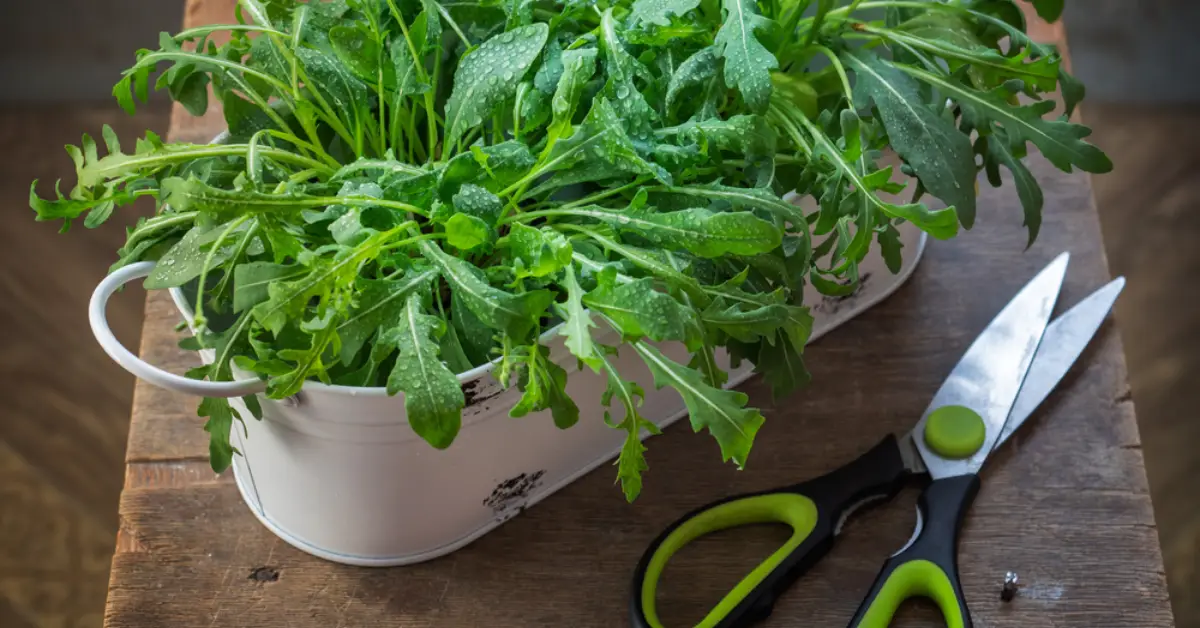
Indoor light changes with the seasons, so I adjust placement and supplemental lighting as needed. In winter, a small grow light on a timer keeps seedlings happy. During sunnier months, a bright windowsill works perfectly.
My tips for consistent growth:
- Rotate trays weekly for even light exposure.
- Use 12–14 hours of light daily when natural sunlight is low.
- Keep the light source about 6–8 inches above seedlings to prevent legginess.
This balance keeps your arugula growing steadily throughout the year.
Step 4 — Watering, feeding & care routine
Watering is simple but easy to overdo. I keep the soil evenly moist but never soggy. A weekly feed with diluted liquid fertilizer gives my plants the nutrients they need without stressing them.
Routine I follow:
- Check soil moisture every 2–3 days.
- Water gently at the base to avoid wetting leaves.
- Feed lightly once a week with organic fertilizer.
Keeping a regular schedule prevents bolting and keeps leaves tender.
Step 5 — Harvesting and maintaining continuous supply
To enjoy fresh arugula all year, you need to harvest strategically. I cut outer leaves first, allowing the plant to continue producing. Staggered sowings ensure that a new batch is ready just as the previous one slows down.
Best practices:
- Cut leaves 1 inch above the soil to avoid damaging the plant.
- Reseed every 2–3 weeks for continuous supply.
- Avoid letting plants flower too early—bolting reduces flavor.
Step 6 — Troubleshooting common issues indoors
Even with experience, problems arise. Here’s what I watch for:
- Leggy seedlings: Usually means low light; move closer to a light source.
- Bitter leaves/bolting: Often caused by too much heat. Move plants to a cooler spot.
- Root rot: Check drainage; reduce watering if soil stays soggy.
A little observation goes a long way in keeping indoor arugula healthy.
Extending the Harvest Year‑Round
Succession planting & staggered sowing
I don’t plant everything at once. Instead, I sow small batches every 2–3 weeks. This gives me a continuous supply of fresh leaves, instead of having all the arugula mature at the same time. Martha Stewart also emphasizes reseeding regularly to maintain harvests.
Adapting to seasonal light and temperature changes
Indoor growing isn’t completely static. During winter, sunlight is weaker, so I supplement with a grow light. In summer, indoor heat can trigger bolting, so I sometimes move trays to cooler areas. Being aware of these seasonal shifts keeps the plants happy year-round.
Alternative methods: hydroponics, microgreens & high-density planting
For an extra edge, I sometimes try hydroponics or microgreens. They’re perfect if you want high-density planting or a faster harvest. Hydroponic setups save space and reduce soil-borne issues, while microgreens let me harvest tiny, flavorful leaves in just 10–14 days.
If you’re interested in hydroponics, you can also check out my detailed guide on how to grow hydroponic lettuce at home, which uses similar indoor techniques that work perfectly for arugula too.
A detailed guide I follow for indoor hydroponic greens is on Home Microgreens.
Using Your Indoor Arugula Harvest
How to harvest for flavor and freshness
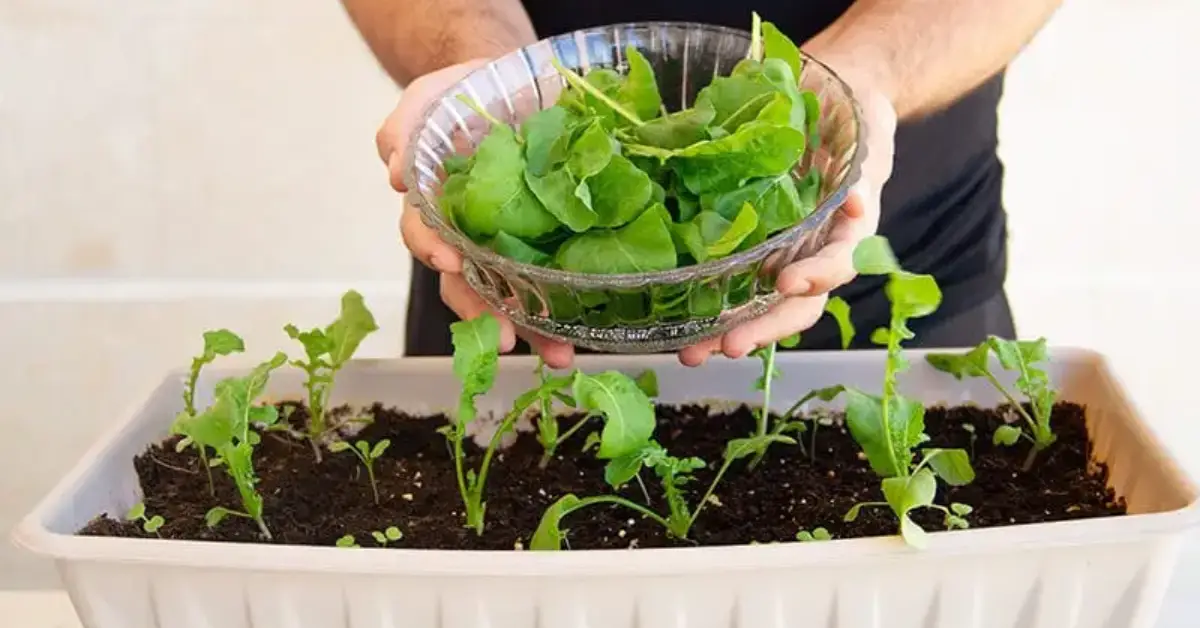
When it comes to indoor arugula, timing is everything. I’ve found that picking leaves early in the morning or just before a meal gives the brightest flavor. Cutting the outer leaves first allows the inner leaves to keep growing, giving you a continuous supply without stressing the plant.
Tips I follow:
- Pick young leaves for the mildest, tenderest flavor.
- Harvest outer leaves first, leaving the center intact.
- Avoid letting plants flower too soon—bolting makes leaves bitter.
- Store leaves in a loosely sealed container in the fridge; they usually last 3–5 days.
This approach ensures that every leaf you eat tastes fresh and vibrant.
Creative uses & recipes (quick ideas)
Growing your own arugula isn’t just about having greens—it’s about enjoying them in every meal. I like to mix freshly picked leaves into:
- Quick salads with lemon, olive oil, and Parmesan.
- Sandwiches or wraps for an extra peppery kick.
- Homemade pesto, blending arugula with nuts, garlic, and olive oil.
- Garnishing soups or roasted veggies for a pop of flavor.
Even a few leaves can completely transform a dish, making your indoor harvest feel like a culinary win.
Nutritional benefits of arugula
Beyond taste, arugula packs a surprising nutritional punch. According to Wikipedia, it’s rich in:
- Vitamin K, which supports bone health.
- Folate, important for cell growth and metabolism.
- Vitamin C, aiding immunity.
- Minerals like calcium, magnesium, and potassium.
Knowing that your indoor harvest is not just fresh but also nutrient-dense makes every bite feel even more rewarding.
Wrap‑Up & Next Steps
By now, you’ve seen that growing arugula indoors year-round isn’t complicated—it just takes the right setup, consistent care, and a little planning. Here’s a simple checklist to get you started today:
Quick action plan:
- Choose your container (6–8 inches deep, with drainage).
- Pick your variety (Astro, Red Dragon, or Rocket for indoor success).
- Prepare your soil (well-draining, nutrient-rich mix).
- Sow seeds (2–3 per site, about ¼ inch deep).
- Provide light & water (moderate to bright light, keep soil evenly moist).
- Harvest strategically (outer leaves first, stagger plantings for continuous supply).
You can literally start today—even on a small windowsill or countertop. I promise, the reward of fresh, peppery arugula in your meals is worth the effort.
If you try this, I’d love to hear how your indoor garden grows! Drop a comment below to share your experiences or ask any questions—I personally read them all.
And for more hands-on tips, guides, and indoor gardening tricks, visit Plant Care Dairy. I post practical, easy-to-follow advice to help you grow your home garden smarter, not harder.
Disclaimer: Growing plants indoors is generally safe, but make sure your setup is stable, well-ventilated, and away from hazards. Build Like New is providing this guide for educational purposes only; results may vary based on your environment and care. Always follow basic safety and hygiene practices when handling soil, water, or fertilizers.